REVIEW · NEW DELHI
Golden Triangle with Wildlife and Royal Castle Stay
Book on Viator →Operated by Swastik India Journeys Pvt. Ltd. · Bookable on Viator
Tigers and royal forts in one tight loop. This six-day Golden Triangle tour strings together Delhi, Agra, and Jaipur, then adds Ranthambore jungle safari and a night at Talabgaon Castle. It is interesting because you get the big-ticket monuments and the animal-country contrast in one trip.
One thing to plan for: monument entrance and camera fees are not included, so your total cost may rise once you start arriving at gates.
In This Review
- Quick take on what’s special
- Golden Triangle plus wildlife: the value of mixing two worlds
- Day 1 in Delhi: Mughal tombs, Gandhi’s memorial, and four classic landmarks
- Day 2 in Agra: Taj Mahal with your guide, plus fortress and Yamuna views
- Day 3: Ranthambore morning safari, then Talabgaon Castle overnight
- Day 4 Jaipur: Birla Mandir and Albert Hall Museum in a slower-feeling day
- Day 5 Jaipur power day: Amber Palace jeep ride, City Palace, Hawa Mahal, Jantar Mantar
- Day 6: Back to Delhi with drop-off at airport or hotel
- Transport and guides: what makes this feel smooth in practice
- Price and extras: what your $415 covers, and what you will likely pay at gates
- What to pack and how to handle the physical side
- Who this tour fits best
- Should you book this Golden Triangle wildlife and Talabgaon Castle stay?
- FAQ
- What time does the tour start?
- How long is the experience?
- What accommodation is included?
- Are meals included?
- Is there a safari, and what kind?
- Are monument entrance and camera fees included?
- Is free cancellation available?
Quick take on what’s special
- Golden Triangle plus wildlife: Taj Mahal and forts, then Ranthambore National Park
- Heritage resort night at Talabgaon Castle: a 200-year-old fort turned boutique stay
- Door-to-door, air-conditioned chauffeur transfers: less hassle between cities and sights
- Safari in a shared gypsy with a nature guide: one guided wildlife outing included
- A packed but structured day-by-day flow: stops scheduled so you are not constantly planning
Golden Triangle plus wildlife: the value of mixing two worlds
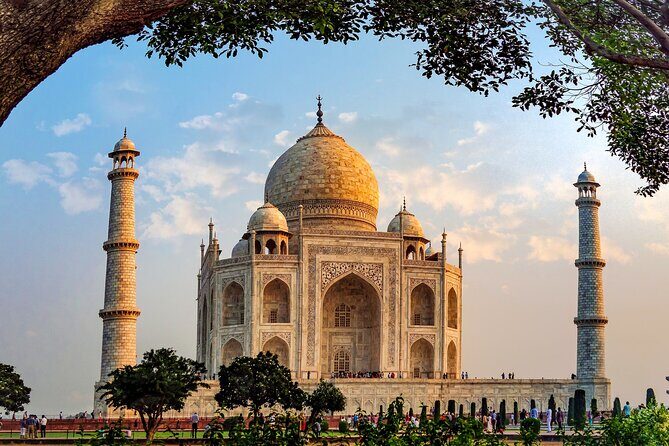
If you like your trips organized, this one is built for that. You will hit the headline sights of India’s Golden Triangle—Delhi, Agra, Jaipur—and then switch gears to Ranthambore, where the morning air smells like grass and dust and you are scanning treelines for animals.
The value is not just the monuments. You also get a full set of transport support (an air-conditioned vehicle with an experienced chauffeur), multiple guided stops, and included meals that reduce decision fatigue. You’ll also get one night in Talabgaon Castle, which is the trip’s fun curveball compared with standard hotel-only Golden Triangle itineraries.
The pacing is also very usable for first-time visitors. Each day has several planned sights, but you are still moving as part of a route, not doing the stress of booking tickets and figuring out logistics city by city. Just remember: entrance tickets and camera fees are your responsibility.
You can also read our reviews of more tours and experiences in New Delhi



Day 1 in Delhi: Mughal tombs, Gandhi’s memorial, and four classic landmarks
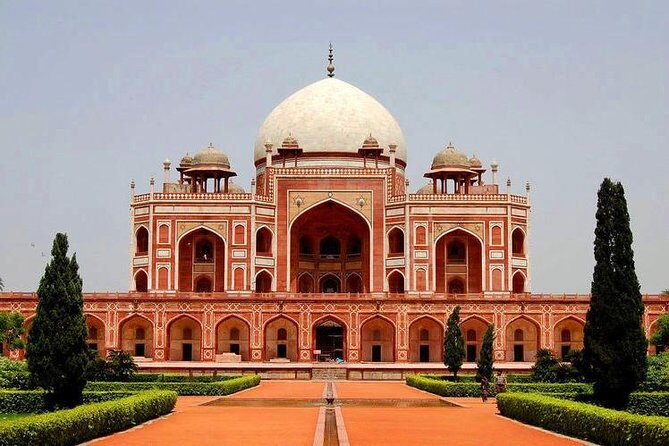
Day 1 is an easy way to get oriented in Delhi, with a mix of Mughal architecture, national memorial space, and skyline icons. The stops are close enough together that you will feel like you are touring, not commuting all day.
Humayun’s Tomb sets the tone. It is from the 16th century and is often described as a predecessor to the Taj Mahal style. Even if you only have an hour on-site, the symmetry and details make it a strong opener.
Next comes Raj Ghat, Mahatma Gandhi’s cremation memorial by the Yamuna. It is landscaped and calm, and it helps you shift from monument viewing into thinking about modern India. It is also a good pause before the heavier fortress vibes.
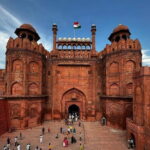
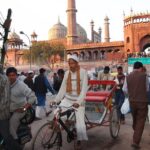
Then you have Red Fort, the famous 17th-century fortress in red sandstone. You will see the boundary wall scale and get a sense of how much life and power were packed inside. Right after that, Qutub Minar brings you back to vertical drama. It is listed here as 237 feet high and it is the Delhi landmark you will keep seeing referenced all over the city.
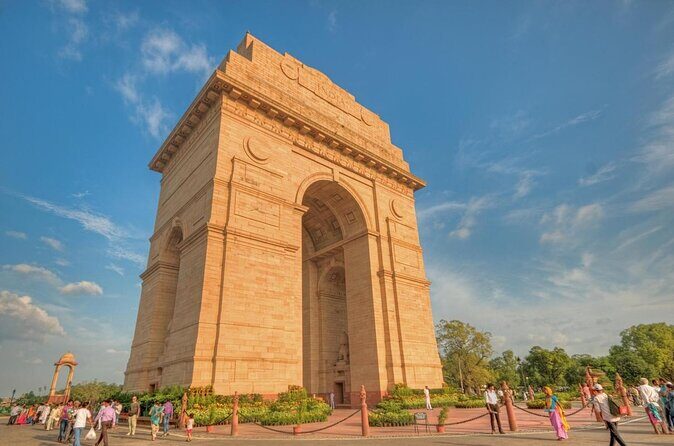
Finally, India Gate gives you a simple, moving close: a commemorative monument for 70,000 Indian soldiers who died in World War I. It is not a museum stop, but it is worth the short time if you like monuments with context.
Practical note: each of these is scheduled for about 30 minutes in the plan you have, so if you want deeper time inside specific buildings, you will likely need to budget extra entry fees and time.
Day 2 in Agra: Taj Mahal with your guide, plus fortress and Yamuna views
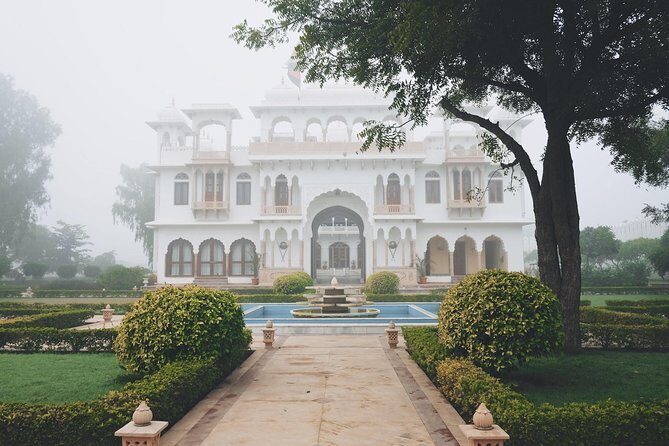
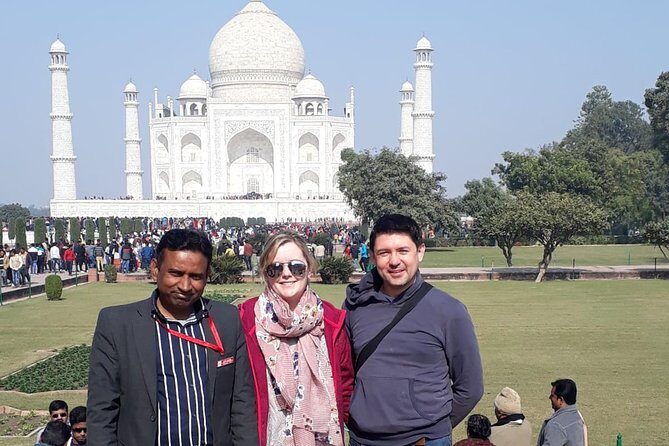
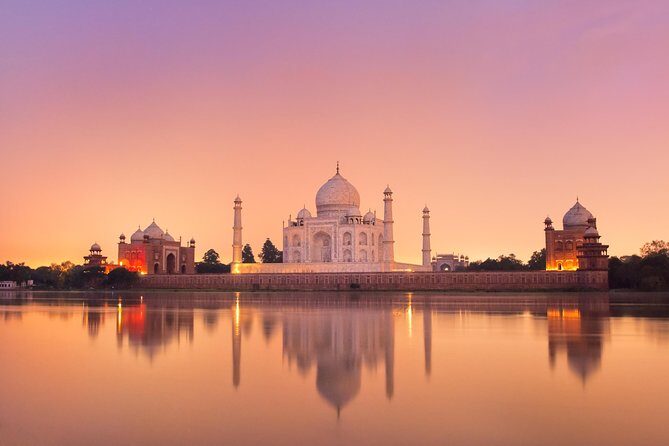
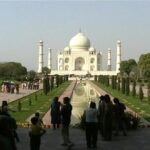
Agra is where the Golden Triangle name becomes real. The tour meets your guide at the Taj Mahal and you get about an hour there—long enough to do more than just pose for photos, but not long enough to treat it like a half-day museum.
Taj Mahal is described as a symbol of love, and that framing matters. Even if you have seen pictures, being on-site helps you understand why people write about light, angles, and symmetry. Your guide’s walkthrough is the difference between scanning and actually noticing.
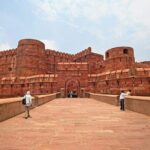
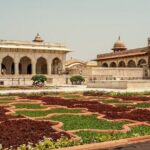
Then you move to Agra Fort, built by Emperor Akbar in 1565. It sits along the Yamuna, and you will get a history explanation as you look. The fort is massive, so your guide’s pacing helps you focus on the parts that make it memorable.
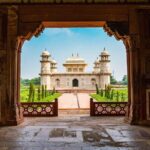
Itmad-ud-Daula is next, and this stop is surprisingly satisfying if you like architecture. It is a mausoleum overlooking the Yamuna River, and it is often considered an early landmark of refined Mughal design.
You finish with Mehtab Bagh, listed as 11 parks on the Yamuna’s east bank. It is a viewpoint-style stop, so it works best if you like taking in the river and monument sightlines rather than rushing through an indoor space.
Entrance and camera fees are not included, so set aside some cash or confirm what payment methods your guide recommends. If you plan to use a camera often, factor in camera fees early so you are not stuck deciding last minute.
Day 3: Ranthambore morning safari, then Talabgaon Castle overnight
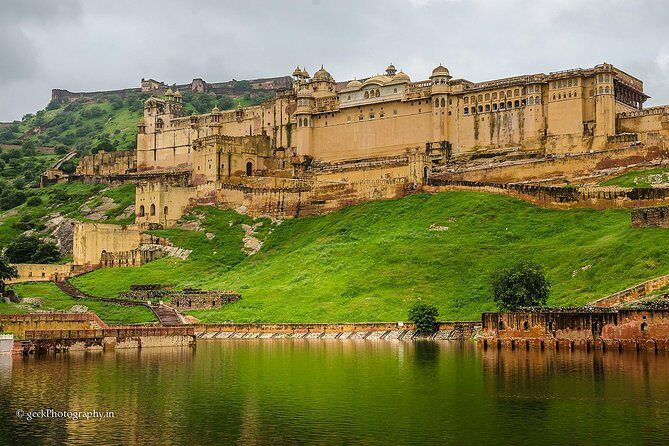
This is the day with the biggest mood shift. You start with Ranthambore National Park in the morning and then head to your heritage stay.
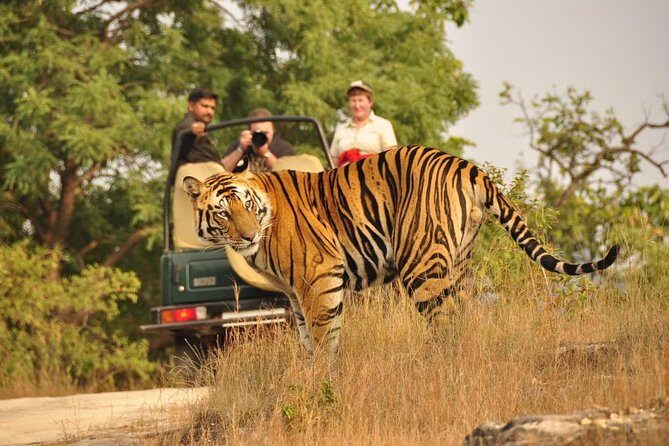
The safari is using a shared gypsy with a nature guide for one round. The plan states you have a chance to see hyenas, chittas (as listed), jungle cats, panthers, and—if luck is on your side—Indian tigers. You will not be able to force sightings, but you will get a guided wildlife run that gives you better odds than wandering on your own.
A shared gypsy also changes how you experience the park. You get the benefit of being with other people on the same route, but you will have less space and fewer control choices. Still, the presence of a nature guide is the key here, because they are there to help you notice animal signs and understand what you are looking at.
After breakfast, you drive to Castle Talabgaon, a 200-year-old Indian fort and family home now operating as a heritage resort and luxurious boutique hotel. The wording here matters: you are staying in a property built for family life, not just a new hotel sitting on a plot of land. That tends to make evenings feel calmer and more atmospheric.
Village safari is included at Talabgaon. This pairs nicely with the jungle safari because it adds a different rural rhythm to the wildlife day—less about hunting for a tiger, more about seeing how people live around the land.
Day 4 Jaipur: Birla Mandir and Albert Hall Museum in a slower-feeling day
Day 4 shifts from fortress intensity to cultural stops. It also gives you a bit of a breather compared with the heavier walking days.
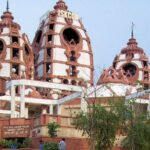
Birla Mandir is listed as free admission. It is a Hindu temple located in Jaipur, on elevated ground at the base of Moti Dungri. If you like clean viewpoints and religious architecture without a strict time pressure, this stop tends to work well.
Then you visit Albert Hall Museum, described as the oldest museum of Rajasthan and functioning as the state museum. This is a good day for those who want context: artifacts and design help you connect what you see later in the palaces and forts.
This day is scheduled at 1 hour each stop in the plan, so you will get the core experience without getting stuck inside for too long. If you want more time in either place, you may need to add it on your own since the schedule is built to keep you on the route.





Day 5 Jaipur power day: Amber Palace jeep ride, City Palace, Hawa Mahal, Jantar Mantar
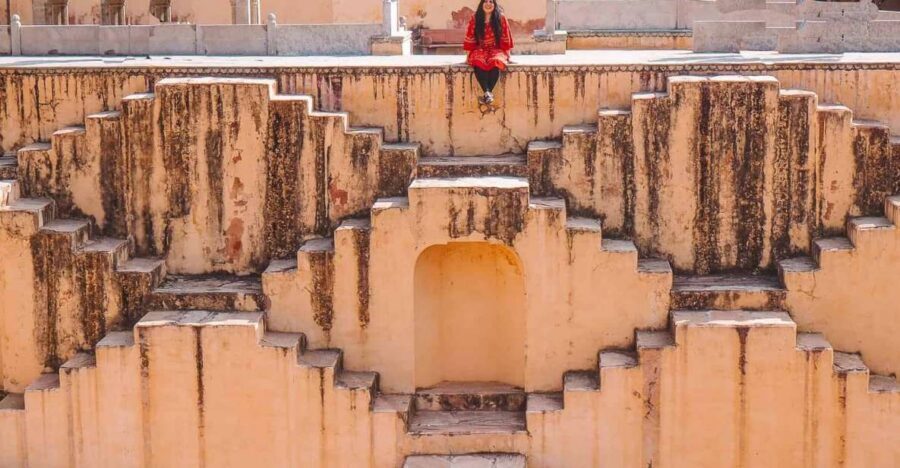
Day 5 is classic Jaipur. It stacks the icons: a hill-top fort experience, royal palace interiors, the famous wind-catching facade, and a stargazing observatory.
Amber Palace is paired with a jeep ride to and from the hilltop. That is a big practical benefit because it reduces walking on uneven ground and helps you reach the main viewpoints without tiring out too fast. Your guide explains the fort’s history, and you get 2 hours here, which feels like the right amount for a place of this size.
Next is City Palace of Jaipur. The plan notes it is known for a blend of Rajasthani and Mughal architecture. What I like about this stop is that you get a sense of royal life through the collection of textiles, costumes, and armour.
Then comes Hawa Mahal, the Palace of Wind. It was constructed for royal ladies to watch royal processions without being seen. You get about 30 minutes in the plan, which is enough to look at the facade details and imagine the purpose behind all those openings.
Finally, Jantar Mantar is the stargazing observatory built by Maharaja Jai Singh. It’s a great closing stop because it reframes what you’ve been seeing all week: not just buildings, but science, mapping the sky, and practical astronomy.
As with other monuments, entrance and camera fees are not included. Plan for that so you do not get surprised at the ticket booth, especially if you bring a camera you actually want to use.
Day 6: Back to Delhi with drop-off at airport or hotel
Day 6 is straightforward: you get driven back to Delhi and dropped either at the airport or at your hotel in Delhi. For many people, that makes the trip feel smoother because you are not scrambling at the end.
It also means your last day stays calm. You will not be chasing one last monument; you are using the final hours to get your bearings for the flight or next city.
Transport and guides: what makes this feel smooth in practice
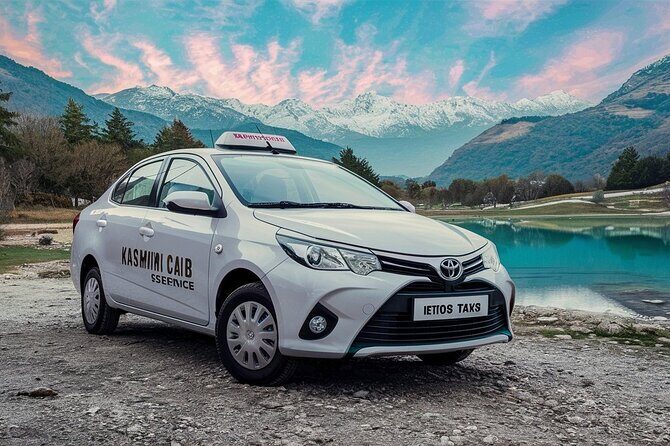
The tour uses door-to-door air-conditioned vehicle transfers with an experienced chauffeur. That matters in India, where traffic, distances, and road conditions can chew up time fast. A chauffeur-led route helps you keep the day on schedule, especially for multi-stop days in the cities.
This tour is also described as private, meaning only your group participates. That often works well for solo travelers, because you are not forced into a big shared group dynamic. One common pattern from past solo experiences is that a driver becomes your steady point of contact. Drivers like Prem, Kapil, Mayur, and Narendra Singh (called Verstappen) are named as examples of people who made visitors feel supported and comfortable while driving long stretches.
You should still expect that local guides may change by city, since the plan includes guide-led sightseeing in multiple places. That can be a plus if each guide has a slightly different style and focuses on different details.
If you want maximum comfort, bring patience for the road. Some days can run long with driving between cities. You will still have the advantage of structured stops, rather than random detours and last-minute planning.
Price and extras: what your $415 covers, and what you will likely pay at gates
The price is $415 per person for about 6 days. For me, the value comes from what is included beyond sightseeing: accommodation, key transport, and wildlife time.
Included:
- 3-star accommodation for the other nights
- 1 night at Castle Talabgaon
- Dinner and daily breakfast (5 breakfasts listed)
- A guided jungle safari at Ranthambore using a shared gypsy with a nature guide (1 round)
- Village safari at Talabgaon
- Jeep ride at Amber Fort (up and down)
- Air-conditioned vehicle with an experienced chauffeur
- Interstate taxes, permits, parking, tolls, and fuel charges
Not included:
- Monument entrance fees and camera fees
So your budget should be split into two parts: the tour price plus gate costs. The gate costs are the big swing factor because you might pay for multiple monuments across Delhi, Agra, and Jaipur, plus camera fees depending on your gear and what the sites require.
Also note that the tour includes sightseeing time for each stop, but the entrance is separate. That is normal for many monuments, but it does change how you plan your morning. If you like to move slowly, you might feel rushed during the allocated time blocks.
What to pack and how to handle the physical side
This trip mentions moderate physical fitness. That does not mean you need to be an athlete, but you should be ready for some stairs, uneven surfaces, and a hill-top setting.
Amber Fort includes a jeep ride, which reduces strain, but you may still walk around fort grounds. For the safari day, you will spend time sitting and scanning during the safari period, so dress for early hours and keep a layer handy.
Also pack for heat and sun. Even when stops are short, you will be outdoors at most of the named landmarks. Water, sunscreen, and comfortable shoes are not optional here—they are the difference between enjoying the day and counting minutes.
Who this tour fits best
This is a strong match for you if:
- You want the Golden Triangle highlights with minimal independent planning
- You want at least one guided wildlife experience at Ranthambore National Park
- You like switching settings: monuments in big cities, then a heritage fort stay
- You travel solo or as a small group and value predictable scheduling
You might think twice if:
- You want many safari rounds or private jeep options for tighter wildlife control (only one round is included)
- You are trying to keep entrance fees to an absolute minimum
- You prefer a slower pace with longer time inside major sites
Should you book this Golden Triangle wildlife and Talabgaon Castle stay?
I’d book it if your goal is a balanced trip: Delhi and Agra monument highlights, Jaipur’s royal architecture icons, plus a real shot at wildlife in Ranthambore, capped with a heritage resort night at Talabgaon. The included transport, safari, and key activities do most of the heavy lifting.
I would not book it blindly if you hate ticket lines and separate entrance fees. Since monument and camera fees are not included, your final spend will depend on what you choose to photograph and how many sites you prioritize.
If you go in knowing that, you’ll likely find the structure feels right: not too chaotic, not too slow, and with one day that genuinely changes the whole trip—Ranthambore.
FAQ
What time does the tour start?
The tour meeting/start time is listed as 9:00 am.
How long is the experience?
It is listed as 6 days (approx.).
What accommodation is included?
You get three-star hotel stays for the other nights, plus one night accommodation at Castle Talabgaon.
Are meals included?
Yes. Dinner is included, and breakfast is included for 5 days.
Is there a safari, and what kind?
Yes. You get one jungle safari in Ranthambore National Park using a shared gypsy with a nature guide.
Are monument entrance and camera fees included?
No. Monument entrance and camera fees are listed as not included.
Is free cancellation available?
Yes. Free cancellation is offered up to 24 hours in advance for a full refund. If you cancel less than 24 hours before the start time, the amount paid is not refunded.