REVIEW · HIMACHAL PRADESH AND UTTARAKHAND
Nag Tibba 2 Days Trek (Pantwari to Pantwari)
Book on Viator →Operated by Himalaya Shelter · Bookable on Viator
The trail to Nag Tibba feels like a fast escape into real mountain quiet. I like that this trek is short enough for a weekend plan, yet it still gives you a temple stop, a campsite night, and a proper peak day. I also like the small group limit (up to 20), which usually means better attention from the leader. One thing to think about: the trek is described as difficult but rewarding, so you’ll want moderate fitness and sensible pacing.
Day 1 walks you toward Kathian campsite with a dedicated snake-god temple visit, and Day 2 pushes to Nag Tibba peak with big views toward Mt. Swargarohini, Mt. Bandarpunch, and other high peaks. The overall price is also hard to beat for a 2-day mountain package, especially with mobile ticketing and admission being free for the temple stop. Still, the whole plan depends on good weather, so you should be ready for possible date changes if conditions turn.
In This Review
- Key Things to Know Before You Go
- Where Nag Tibba Fits: A Weekend Trek With Real Mountain Payoff
- Getting There: Pantwari Meeting Point and a Simple Start/Finish
- Day 1 Walk: Kathian Campsite, a Snake-God Temple, and Early Views
- Night at Kathian: Tents, Camp Food, and the Mood Shift
- Day 2 Summit Push: Nag Tibba Peak and the View Toward Swargarohini
- Trek Leadership: What the Best Guides Do (and Why You’ll Care)
- Pace, Fitness, and the Real Meaning of Moderate
- Food and Comfort: Simple Doesn’t Mean Bad
- Price and Value: Why $24 Can Still Make Sense
- Who Should Book Nag Tibba (and Who Might Want a Different Trek)
- Should You Book the Nag Tibba 2-Day Trek?
- FAQ
- How long is the Nag Tibba 2-day trek?
- Where is the meeting point for this trek?
- What happens on Day 1?
- What happens on Day 2?
- Is this trek easy?
- How many people are in the group?
- Do I get ticket information electronically?
- When do I receive confirmation after booking?
- What if the weather is bad?
- Is there free cancellation?
Key Things to Know Before You Go
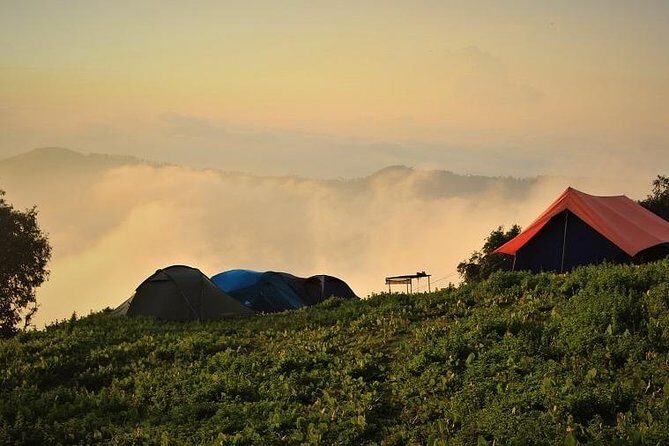
- Two full hiking days with a temple/campsite day and a summit-view day
- Temple stop included at the Snake God site during Day 1 (admission free)
- Peak day views aimed at Swargarohini and Bandarpunch plus more peaks
- Small group size limited to a maximum of 20 hikers
- Moderate fitness needed; it’s not marketed as a casual stroll
- Weather matters for running the trek and for your comfort on the trail
Where Nag Tibba Fits: A Weekend Trek With Real Mountain Payoff
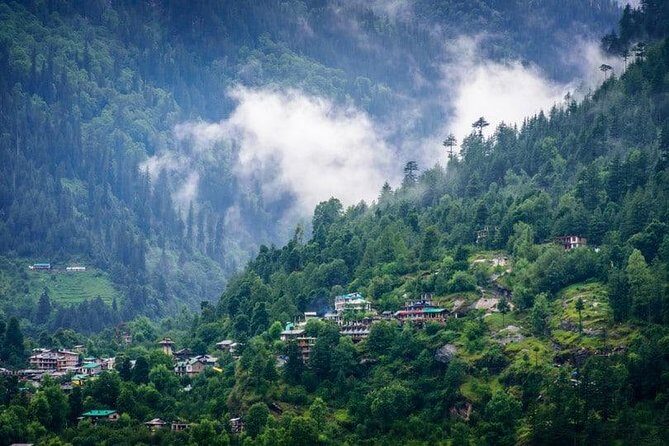
Nag Tibba is a classic North India weekend trek for one simple reason: you don’t need a whole week to feel like you escaped. From Pantwari, you get that gradual shift from foothills vibe into cleaner air, colder nights, and darker skies once you’re up near the campsite.
This trek also has a strong cultural angle. Day 1 isn’t only about distance. You’re walking with a purpose: a small temple dedicated to a Snake God, which adds meaning to the climb and gives you something grounded to focus on beyond just your breathing.
If you’re a planner, you’ll also like the “clear and contained” format. Two days. Return to the same meeting point. No complicated multi-day logistics that drag into your work week.
You can also read our reviews of more hiking tours in Himachal Pradesh and Uttarakhand
Getting There: Pantwari Meeting Point and a Simple Start/Finish
Your trek starts and ends back at the same place: Pantwari Nagtibba trek start, H3MP+GWM, Pantwari, Uttarakhand 249186, India. That matters because it reduces the stress of figuring out long transfers at the end of a tiring day.
In practical terms, plan to arrive with a buffer. You’re starting from Pantwari, so any road travel you add should leave room for delays. A number of guides and operators emphasize coordination and communication, and some hikers report that pickup plans can change if a vehicle can’t reach a specific spot.
Tip I’d follow: message in advance about the exact pickup/drop point or taxi accessibility. One change of plan can be minor, but you don’t want it to steal your energy before the first climb.
Day 1 Walk: Kathian Campsite, a Snake-God Temple, and Early Views
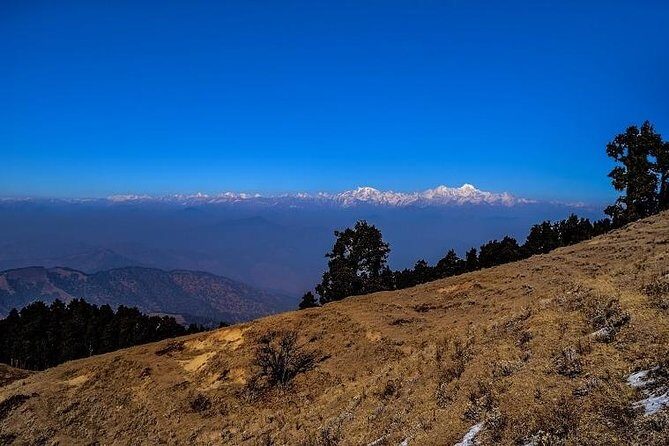
Day 1 is the “earn your altitude” day. You’ll hike about 5–6 km toward Kathian Campsite, and you’ll also visit a small temple dedicated to a Snake God. The hike time listed is around 1 hour for the guided segment, but in reality you should expect it to stretch based on your pace, photo stops, and how you handle the climb.
What makes this day special is the combo. The campsite hike gives you time on the trail without turning into an all-day grind, and the temple stop gives the walk a local rhythm. It’s the kind of pause that helps you notice your surroundings—the quiet, the air, and the fact that you’re moving through a living local landscape, not just walking in a line.
What to watch for: if you’re not used to trekking, Day 1 can feel challenging even if the distance is “only” 5–6 km. Take it slow. You’re building endurance, not racing.
Night at Kathian: Tents, Camp Food, and the Mood Shift
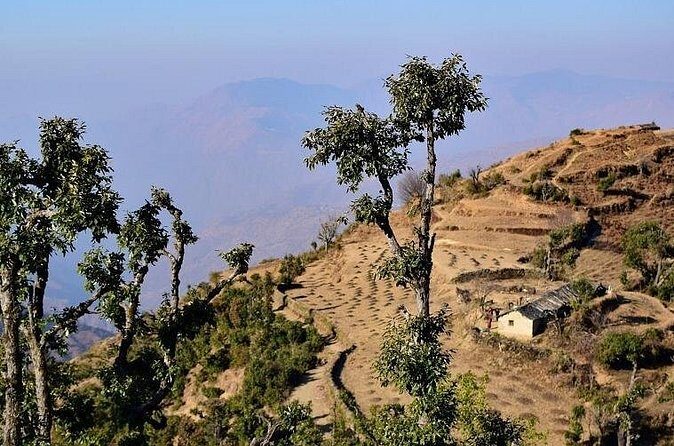
The trek includes tent accommodation, and this is one of the consistently praised parts of the experience: the food is described as significantly better than expected for a mountain trek, with meals prepared fresh up in the region. People also mention hot breakfast and a comfortable enough tent setup.
Even if you don’t care about “camp vibe,” you’ll feel its effect. Night in the Himalayas changes your mind. Your body cools down, your pace steadies, and the group energy shifts from busy hiking talk to calmer conversations around the camp setup. That quiet contrast—city chaos to mountain stillness—is exactly why short treks work for a weekend.
Practical note: pack for temperature swings. Even when daytime trekking is manageable, nights up in the mountains can feel sharp.
Day 2 Summit Push: Nag Tibba Peak and the View Toward Swargarohini
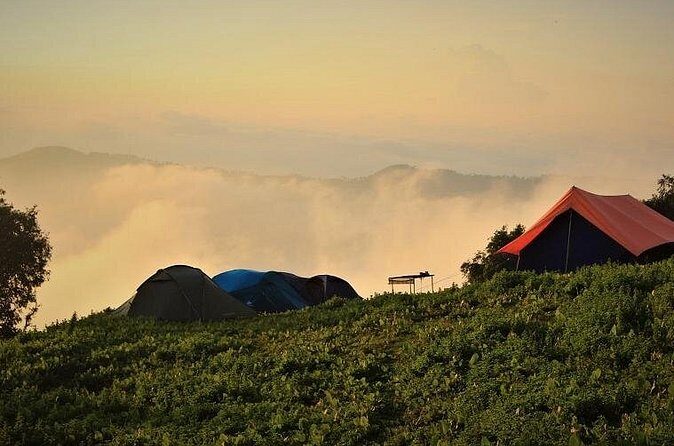
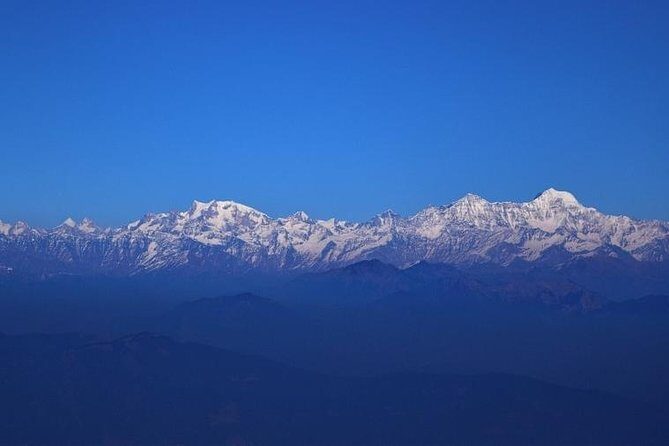
Day 2 is your payoff day. You’ll trek to Nag Tibba Peak, and the goal is views of major mountains, including Mt. Swargarohini and Mt. Bandarpunch, along with many others.
This is the kind of peak day that turns a “weekend hike” into a memory. You’re not just looking at a single peak either; the description points to wide, layered mountain visibility. From a planning perspective, that’s good: you’ll likely get something impressive even if clouds drift in and out.
How to approach the summit day:
- Pace yourself early so you don’t burn energy before the best viewing window.
- Plan for weather changes. You’re told the trek requires good weather, and peak conditions can feel tougher when visibility is poor.
And since this is a short trek, don’t treat it like a long-distance challenge. Instead, treat it like a focused climb. Short bursts, steady rhythm, and time for the views when you reach the top.

Trek Leadership: What the Best Guides Do (and Why You’ll Care)
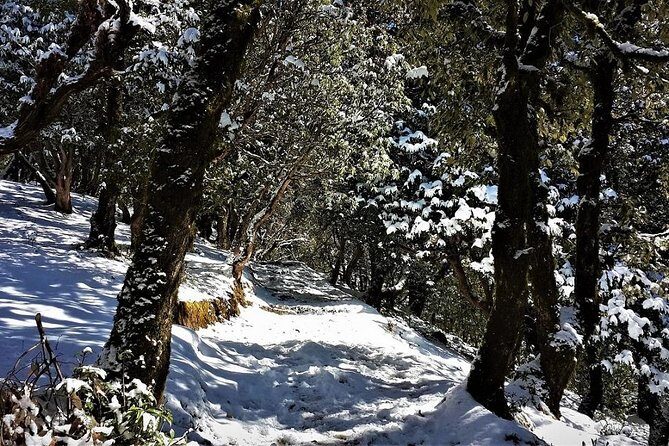
A big part of whether Nag Tibba feels “hard but rewarding” comes down to the leader’s presence. In the feedback tied to this trek experience, names like Abhishek, Mukesh, Mukesh Rana, Ramesh Ji (often described as Ramesh uncle), Adarsh, and Subodh show up as people who kept hikers motivated and moving with a caring, supportive attitude.
Here’s what that typically means for you on the trail:
- You get help with pacing and morale, especially when the climb gets steep or your legs start arguing.
- Communication feels clearer, so you spend less time guessing and more time hiking.
- You’re more likely to finish with a smile, even if it isn’t an easy trek.
I’d still choose your own mindset before you go. Expect effort. Then let your leader help you convert effort into progress.
Pace, Fitness, and the Real Meaning of Moderate
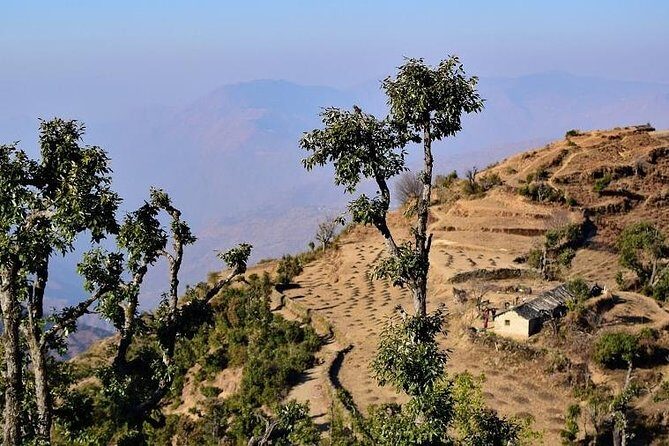
The trek is listed for people with moderate physical fitness. That sounds safe, but the feedback around this trek also labels it difficult but rewarding. So what does moderate mean here?
It means you can handle:
- sustained uphill trekking for a short period,
- uneven trail sections,
- and the feeling of altitude and wind once you get higher.
It may not mean you can comfortably skip the soreness. Even if you train for walks, bring trekking-focused stamina. Good trekking isn’t about speed. It’s about steady movement and recovery.
If you’re new to trekking, I’d recommend arriving with good basic cardio and doing a few practice walks with stairs before your trip. You don’t need to become an athlete. You just need to feel confident.
Food and Comfort: Simple Doesn’t Mean Bad
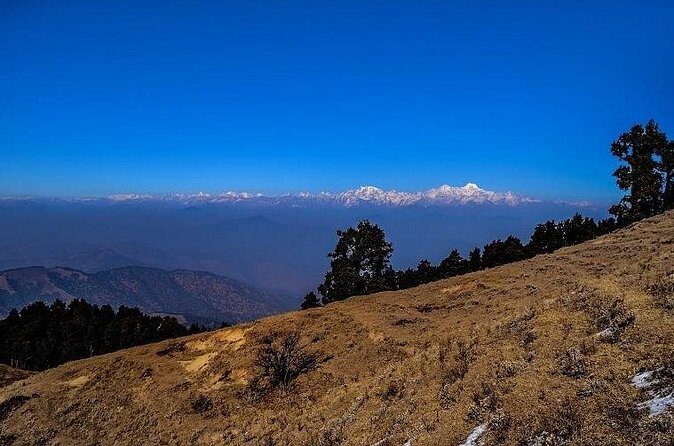
The camping setup is described as simple, and that’s honest. You’re not signing up for luxury. You’re signing up for a clean, functional mountain rest day where you can recharge.
Where this trek seems to score is food quality. Multiple mentions highlight that the food is fresh and significantly better than expected, plus hot breakfast. That combination matters because it reduces the common “I’m too tired to eat well” problem on hikes.
If you’re the type who plans snacks and also enjoys warm meals, you’ll probably be happy here. If you have strict dietary needs, you’ll want to ask your operator in advance, but that level of detail isn’t spelled out in the info you provided.
Comfort-wise, your best move is to pack what you know you need for sleep in cooler air: a warm layer you can wear at night and a layer you can use quickly if you feel chilled outdoors.
Price and Value: Why $24 Can Still Make Sense
At $24 for a 2-day trek, this option can feel like a bargain—especially compared with longer treks that cost far more for the same basic “escape into the mountains” goal.
What makes it feel like value isn’t just the low price. It’s the package structure:
- you get two days of guided hiking,
- a temple stop on Day 1 with admission listed as free,
- tent accommodation,
- and camp meals that are repeatedly described positively.
There’s also mobile ticketing, and confirmation happens at the time of booking, which reduces last-minute uncertainty.
The main value trade-off is that this isn’t a premium comfort trek. If your priority is soft beds and elaborate comforts, you might feel limited. But if your priority is time well spent in the mountains, it’s a strong deal.
Who Should Book Nag Tibba (and Who Might Want a Different Trek)
This trek suits you if:
- you want a short mountain trip from the Pantwari side,
- you enjoy cultural stops like the Snake God temple,
- you can handle moderate hiking effort,
- and you’re happy with simple tent-based accommodation.
You might want to choose something else if:
- you’re hoping for an easy, mostly flat hike,
- you’re very sensitive to cold nights,
- or you need predictable weather with no possibility of changes.
Also, the trek caps at 20 people, which is ideal for people who want a group setting without feeling packed in.
Should You Book the Nag Tibba 2-Day Trek?
I think you should book if you’re looking for a realistic weekend plan that still delivers a real peak-view moment. Nag Tibba works because it’s structured: temple + campsite on Day 1, peak and mountain sightlines on Day 2, then back to Pantwari.
Book if you can accept two truths:
- It’s not marketed as effortless, so you’ll need moderate fitness and patience on the climb.
- Weather is part of the deal; if conditions are poor, you may get a different date or a full refund.
If that sounds like your style, this trek offers strong value—especially with free admission for the temple stop, tent camping, and camp food that people describe as surprisingly good for a mountain setup.
FAQ
How long is the Nag Tibba 2-day trek?
It runs for about 2 days.
Where is the meeting point for this trek?
The start (and end) meeting point is Pantwari Nagtibba trek start, H3MP+GWM, Pantwari, Uttarakhand 249186, India.
What happens on Day 1?
Day 1 includes hiking to Kathian Campsite and visiting a small temple dedicated to a Snake God. The hike is about 5–6 km, and the admission ticket for the temple stop is listed as free.
What happens on Day 2?
Day 2 is a hiking day to Nag Tibba Peak, with views of mountains such as Mt. Swargarohini and Mt. Bandarpunch.
Is this trek easy?
It’s described as requiring moderate physical fitness, and feedback around the trek style suggests it can feel difficult while still being rewarding.
How many people are in the group?
The tour/activity has a maximum of 20 travelers.
Do I get ticket information electronically?
Yes, the experience lists mobile ticketing.
When do I receive confirmation after booking?
Confirmation is received at the time of booking.
What if the weather is bad?
The experience requires good weather. If it’s canceled due to poor weather, you’ll be offered a different date or a full refund.
Is there free cancellation?
Yes, free cancellation is available if you cancel up to 24 hours in advance for a full refund.