REVIEW · RISHIKESH
Kedarkantha Trek (Dehradun to Dehradun)
Book on Viator →Operated by Kaushik's Cafe & Trek · Bookable on Viator
Snow season in the Himalayas is the draw.
This 5-day Kedarkantha trek runs from Dehradun to Dehradun, with a guide and included round-trip transfers from Dehradun to Sankri. What makes it interesting is the rhythm: a long first travel day, two nights in mountain tents, then a summit day built around sunrise photography, before you ease back down to homestay comfort.
I especially like that your meals are covered throughout the trek, so you’re not juggling budget and snacks while your feet are doing the work. I also like the sleep setup, with two nights in tents and two nights in a homestay, which helps you experience the trek vibe without going fully hardcore for all nights.
One thing to consider: the trek involves cold, and you may need traction and rain protection. The listing notes that key items like headlamp, trekpole, shoes, micro spikes, gaiters, and a poncho/rainsuit are excluded in smaller groups, with an INR 700 option to arrange gear if the group is under six.
In This Review
- Key things to know before you go
- Kedarkantha Trek: the real shape of the 5 days
- Value for money: what your $108.80 actually covers
- Day 1: the long drive to Sankri (and why it sets the tone)
- Day 2: Juda ka Talab and base-camp reality
- Day 3: Talkahata base camp and your second night in tents
- Day 4: sunrise summit timing, then hot lunch and the descent
- Day 5: back to Dehradun, 2–6 pm arrival
- Guides and food: the human side that makes the trek easier
- Gear and cold-weather reality: what to plan for
- Who this Kedarkantha trek suits best
- How Kaushik’s Cafe & Trek runs the trip (and what it implies)
- Should you book Kedarkantha?
- FAQ
- How long is the Kedarkantha trek from Dehradun to Dehradun?
- What kind of lodging is included during the trek?
- Are meals included in the price?
- Does the package include transportation from Dehradun?
- Will there be a sunrise summit stop?
- What trekking gear is excluded if the group is small?
- What is the cancellation refund window?
Key things to know before you go
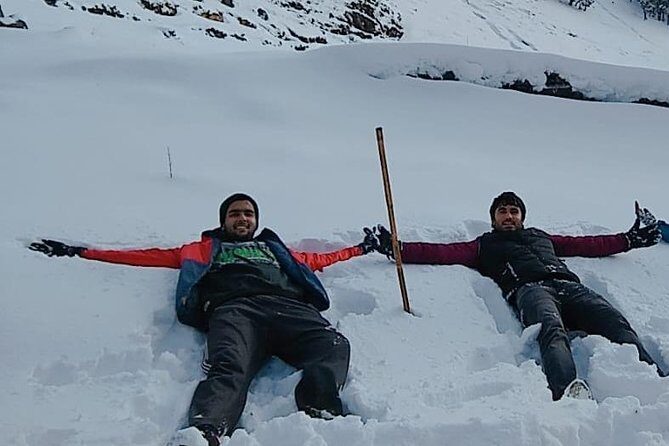
- Guided trek throughout so you’re not figuring out timing on your own
- Round-trip Dehradun transfers included, which saves real hassle
- Tent + homestay nights for a balanced mountain experience
- All meals included (breakfasts, lunches, dinners plus 4 snack breaks)
- Sunrise summit plan with a dedicated stop at the top before heading down
Kedarkantha Trek: the real shape of the 5 days
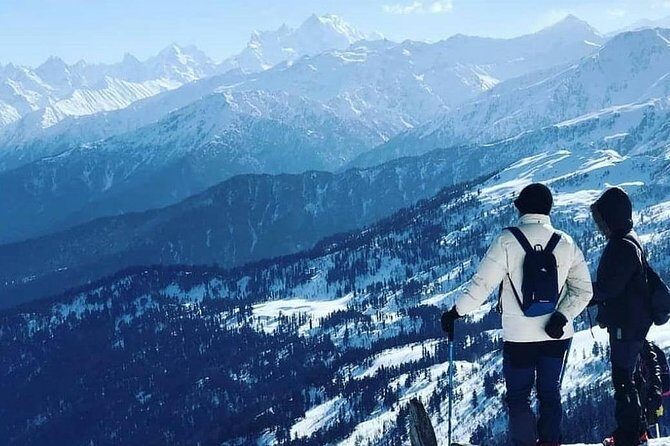
This trek is built for people who want the Himalayas without needing a logistics degree. You start in Dehradun, roll out to Sankri on day one, then spend day two and day three moving through base-camp country. Day four is the big one: an early push for sunrise, then a fast return for hot lunch and a descent back to Sankri. Day five is your recovery day, with the drive back into Dehradun in the afternoon window.
You’ll be in a group that can run up to 25 travelers, so it’s not a private experience. Still, the setup is clearly meant to support normal hikers: a guide-led plan, defined base camps, and scheduled meal times so you can keep your energy steady.
The physical level is described as moderate. That usually means you should be comfortable walking for hours with a steady pace, not sprinting. You don’t need to be an athlete, but you do need to take traction and cold seriously if you’re doing this in winter conditions.
You can also read our reviews of more hiking tours in Rishikesh
Value for money: what your $108.80 actually covers
At about $108.80 per person (as listed), you’re not just paying for a hike. You’re paying for the whole “operating system” of the trek: guide, transfers, lodging, food, and practical support.
Here’s what you get that matters day-to-day:
- Round-trip transfers from Dehradun (so you’re not trying to solve transport halfway through)
- Two nights in tents plus two nights in a homestay
- All meals included, including breakfast (4), lunch (3), dinner (4) and snacks (4)
- A first aid kit is included with items like Dettol, cotton, bandaid, Vicks, Saridon, Crocin, Digene, Betadine, and Volini
In plain terms: this is the kind of trek where your budget should stay predictable. You’re less likely to face surprise costs for food the moment you arrive hungry and cold.
The one possible cost curveball is gear. The listing is clear that certain items are excluded when the group is small, and you may have to arrange them by paying INR 700.
Day 1: the long drive to Sankri (and why it sets the tone)
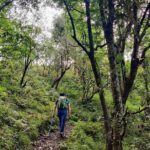
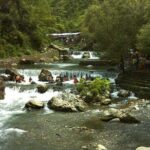
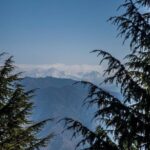
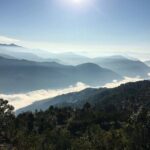
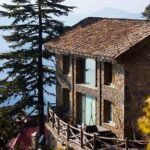
Day one is all about getting into the right region. You cover roughly 200 kilometers, moving through hilly terrain with mountain and river views, plus areas where pine forest is abundant. It’s not the trekking day, but it’s not wasted time either.
You’ll make halt stops for food, and you can expect local options like chicken bhaat and machhli bhaat during those breaks. That matters because by the time you reach Sankri, you want to start the trek properly fueled, not running on vending-machine calories.
You also want to keep expectations realistic: day one is long. It’s the kind of schedule that works best if you travel light, bring layers, and keep your headlamp and warm gear accessible.
Day 2: Juda ka Talab and base-camp reality
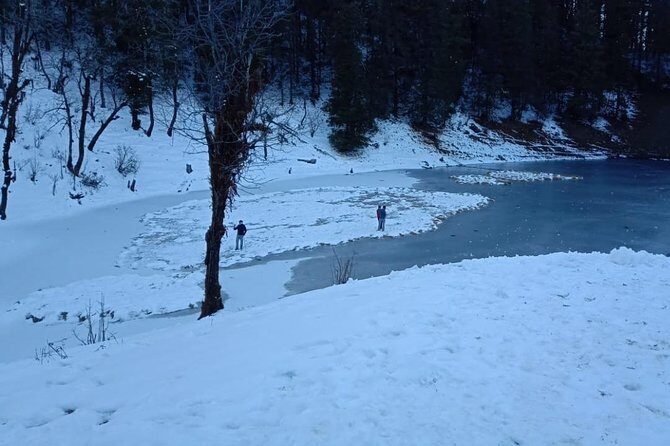
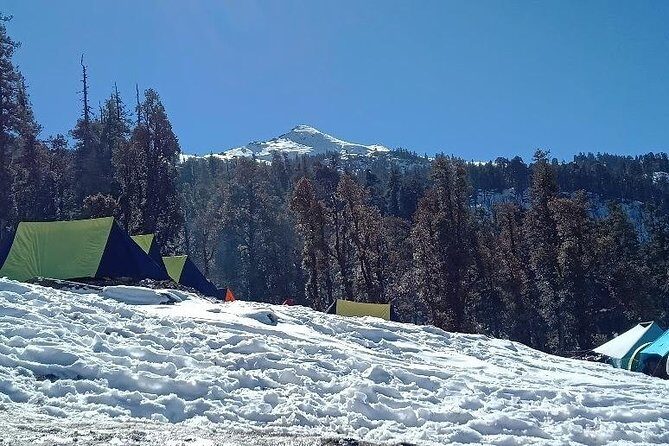
On day two, you head toward Govind Pashu Vihar National Park & Sanctuary. The trek component is shorter on paper: around 4 kilometers, with an estimated 3–4 hours. The arrival point is Juda ka Talab (listed as JKT), which acts as your first mountain base area.
After trekking in, you go straight into the tent setup. The instructions are specific: don’t sleep on arrival. That’s a good practical rule for cold or altitude-adaptation comfort, and it also helps you settle mentally before the evening.
The biggest benefit of this day is pacing. It’s enough walking to get your body working, but not so much that you’re instantly wrecked. If you’re doing your first snow or winter trek, day two is where you learn how your breathing feels at your chosen pace.
Day 3: Talkahata base camp and your second night in tents
Day three builds on the first base-camp experience. You trek about 3 kilometers to Kedarkantha Base Camp, also referenced as Talkahata, with an estimated 2–3 hours.
This is the day where you typically refine your rhythm:
- Warm up early
- Keep moving consistently
- Avoid the trap of over-stopping just because the views are good
Once you arrive, you again lodge in tents. After a day like this, you’ll want to keep your water intake steady and keep your hands managed with gloves you can actually use.
The day’s structure is simple, which is a compliment in trekking. You get a clear goal, then you get your rest. That’s the kind of pacing that supports beginners who want to experience Kedarkantha without suffering for the sake of suffering.
Day 4: sunrise summit timing, then hot lunch and the descent
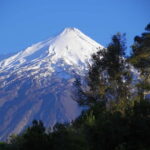
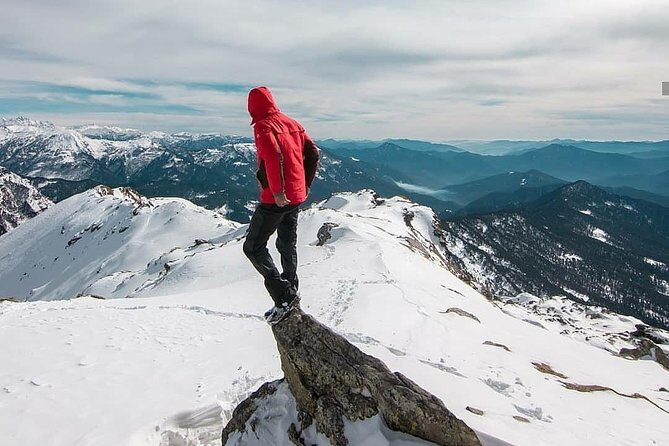
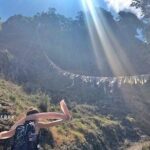
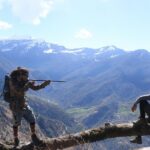
This is the day people remember, and the plan is straightforward. The trek starts early in the morning so you can reach the summit for sunrise. The guide plan includes a stay at the top for 30 minutes to 1 hour, depending on weather, with time for photos.
That window matters. It means you’re not rushing up and immediately turning around. You’ll have a realistic chance to enjoy the sunrise, even if the weather changes your timing. Cold weather can be unpredictable, so the flexible time slot is a sensible design.
After the summit, you return back to Kedarkantha Base Camp for hot lunch, then relax. Then you keep going down to Sankri for your overnight homestay.
One practical note: sunrise treks often feel harder than expected because your body is colder and your start is quicker than you want. Plan to move smoothly, avoid big bursts, and treat the last stretch like a controlled walk rather than a race.
Day 5: back to Dehradun, 2–6 pm arrival
Day five is the wrap-up day. You’ll arrive back in Dehradun between 2–6 pm, depending on your departure from Sankri. The activity ends back at the meeting point, which is listed as Prince Chowk, Dehradun (Uttarakhand 248001).
This timing is useful for planning. If you’re booking transport onward, keep your flexibility. If you’re connecting with friends or a hotel check-in, aim for later-day plans rather than early-morning commitments.
It also means you get a chance to reset mentally. You’ve done the summit effort and the cold exposure; now it’s about warm food, a shower if you have one available, and getting your gear dry.
Guides and food: the human side that makes the trek easier
The trek experience isn’t only the view. It’s the people who keep you moving when your legs start negotiating with your brain.
The guides are repeatedly named in strong terms. Munraj bhaiya and Surendra bhaiya get credit for being helpful and patient, motivating people step by step. That kind of attitude matters more than people expect. When someone helps you keep going without rushing, you go farther and feel safer doing it.
A guide named Amit bhai also comes up for food quality. That aligns with what the trek structure already promises: meals are included, including breakfasts, lunches, and dinners, plus multiple snack breaks. It’s not gourmet dining, but trekking food works best when it’s consistent, warm, and timed with your effort.
One review highlights the experience as authentic, with the chance to meet other people who help run and cater the trek. For many hikers, that’s the real value: you feel looked after, and you’re not stuck solving every small problem alone.
Gear and cold-weather reality: what to plan for
This is winter/snow terrain, and the listing signals specific gear needs. It lists items that are excluded when fewer than six people join: headlamp, trekpole, shoes, micro spikes, gaiters, and a poncho/rainsuit. If the group is smaller than six, gear will be made available on payment of INR 700.
So your decision is simple:
- If you already own proper winter trekking gear, you’ll feel ready on arrival.
- If you don’t, check the gear policy early so you’re not stuck in the cold waiting for arrangements.
Also remember: day four includes a sunrise summit stop. That means you’ll likely be outside for longer than you think at the coldest time of the day. A headlamp is practical even if sunrise is the goal, since early timing can mean dim conditions at the start.
If you’re traveling with just one set of gloves or a weak rain layer, consider upgrading before you come. Winter trekking punishes small shortcuts.
Who this Kedarkantha trek suits best
This trek fits best if you want:
- A guided mountain hike with a clear schedule
- Included transfers and meals so you spend energy on walking, not planning
- A mix of mountain adventure and comfort, since you get tent nights and homestay nights
It’s especially good for first-timers who want their first snow trek without turning it into a survival course. Reviews mention it being someone’s first snow trek, and the support and hospitality seem to match that style.
You might want to skip or switch to an easier option if:
- You hate early mornings (day four is early)
- You don’t have traction/rain protection and you aren’t willing to arrange gear
- You’re dealing with serious mobility limits that make multi-hour walks uncomfortable
How Kaushik’s Cafe & Trek runs the trip (and what it implies)
The experience provider is Kaushik’s Cafe & Trek, and the support is clearly built around managing groups efficiently. Your max group size is listed at 25 travelers, and there’s a guide, first aid kit, and multiple meal checkpoints.
There’s also a practical note: service animals are allowed, and the meeting point is near public transportation. That won’t matter for everyone, but it helps if you need simpler logistics before departure.
The hours shown (6:00 AM to 8:30 AM) suggest early-day coordination at Prince Chowk. If you’re coming in from elsewhere the day before, plan to arrive in Dehradun with a buffer so you’re not sprinting to meet time.
Should you book Kedarkantha?
If you want an organized winter trek that combines sunrise summit time with included food and transport, this one is a strong choice. The big value is practical: you’re not only paying for the hike, you’re paying for the whole chain—getting to Sankri, bedding down in tents and a homestay, and staying fed through multiple days.
Book it if:
- You’re comfortable with a moderate trekking pace
- You want a guided group experience with patient support
- You want the sunrise summit moment without handling logistics yourself
Think twice if:
- You’re missing key winter gear and don’t want to deal with the gear policy
- You prefer to control every meal and snack (this trek handles that for you)
Overall, this is one of those Himalayan trips that feels designed for real people: warm meals, clear pacing, and sunrise photos timed right—without turning your trip into a spreadsheet exercise.
FAQ
How long is the Kedarkantha trek from Dehradun to Dehradun?
The trek runs for about 5 days, starting and ending back at Prince Chowk in Dehradun.
What kind of lodging is included during the trek?
You get two nights in a tent and two nights in a homestay.
Are meals included in the price?
Yes. Breakfast, lunch, and dinner are included, along with snacks on four occasions.
Does the package include transportation from Dehradun?
Yes. Round-trip transfers from Dehradun are included.
Will there be a sunrise summit stop?
Yes. The trek starts early on day four to witness sunrise, with a stay at the summit area for about 30 minutes to 1 hour depending on weather.
What trekking gear is excluded if the group is small?
Items like headlamp, trekpole, shoes, micro spikes, gaiters, and a poncho/rainsuit are excluded if there are fewer than 6 persons. If that happens, gear can be arranged for payment of INR 700.
What is the cancellation refund window?
You can cancel up to 6 days in advance for a full refund. Canceling 2–6 days before gives a 50% refund, and canceling less than 2 days before is not refunded.