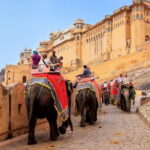
REVIEW · JAIPUR
Jaipur: Shopping Tour•Food & Drink•City Sightseeing Tour Tuk-Tuk
Book on Viator →Operated by Jaipur City Tuk Tuk Tours · Bookable on Viator
Jaipur can be a lot. This tuk-tuk day keeps it focused and fun. I love the included street food crawl and the way you pair it with real craft shopping stops without turning the whole day into a rush. You get a comfortable ride, a local driver to point out what matters, and a route that hits the big postcard monuments plus a quieter royal site.
Two more things that make this work: the driver guidance tends to be the reason the day feels smooth, and the shopping stops are set up for specific finds, not random mall time. In the past, drivers like Ali and Mohsin have gotten shout-outs for guiding people to the right kinds of textiles, pottery, and jewelry.
One consideration: the headline price is low, but monument entrance fees are not included. You should budget for entries for Hawa Mahal, City Palace, Jantar Mantar, and Royal Gaitor, listed as ₹2,600 per person.
In This Review
- Key highlights at a glance
- Your Jaipur route: monuments, markets, and snack breaks
- Street food start: Rawat Kachori, Gulab Ji chai, Pandit Kulfi, Bhagat Mishthan sweets
- Hawa Mahal: 953 jharokhas and why the view is the point
- City Palace: Rajput and Mughal design in one royal complex
- Jantar Mantar: the stone sundial and UNESCO scale
- Royal Gaitor: quieter royal cenotaphs and marble domes
- Heritage Textiles: block-printed fabrics and shawl shopping with focus
- Shivam Gems N Jewellery: 92.5 sterling silver in a quick stop
- Pink City Bazaar time: jewelry types and souvenir hunting
- Jaipur Blue Pottery Art Centre: a focused stop for craft lovers
- Tuk-tuk logistics and comfort: what you should expect
- Price and value: cheap base price, real monument fees
- Who this tour suits best
- Should you book this Jaipur tuk-tuk tour?
- FAQ
- What is included in the tuk-tuk tour?
- How long is the Jaipur tuk-tuk tour?
- Are the monument entrance fees included?
- Which street food stops are included?
- Do I get pickup from my hotel?
- Is this tour private?
- What is the cancellation policy?
Key highlights at a glance
- Included street food stops: kachori at Rawat, chai at Gulab Ji, kulfi at Pandit Kulfi, plus sweets from Bhagat Mishthan Bhandar
- Tuk-tuk comfort with real pacing: you move between sites without the stress of parking and constant walking
- Iconic monuments in one run: Hawa Mahal, City Palace, Jantar Mantar, and Royal Gaitor
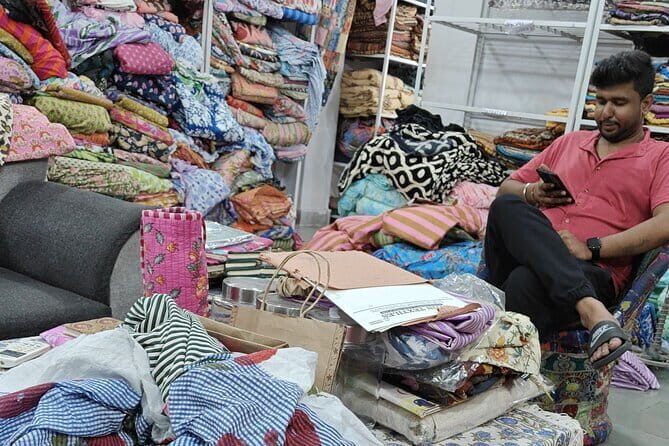
- Craft shopping with clear specialties: block prints and textiles at Heritage Textiles, and silver jewelry at Shivam Gems N Jewellery
- Art and souvenirs on the route: Pink City bazaar time plus a stop for Jaipur blue pottery
Your Jaipur route: monuments, markets, and snack breaks
This is the kind of tour that works best when you want to see a lot, but you do not want to feel like you are dragging yourself from place to place. A tuk-tuk is perfect for Jaipur day timing because it helps you glide between busy areas and keeps the day feeling local, not touristy-catalogue.
The day runs about 9 to 10 hours, and it is built around three themes that fit together: royal Jaipur sights, shopping for Jaipur specialties, and an included street food run to keep your energy up. Pickup and drop-off are available from your hotel or a preferred location within Jaipur city limits, which matters a lot in a city where finding the right starting point can take time.
Because it is private for your group, you avoid the common group-tour problem where everyone’s pace becomes everyone’s problem. The tour also lists “personalized experience” with flexibility to explore at your own pace, which is handy for shopping time, when you might want to browse longer or ask a few extra questions.
You can also read our reviews of more food & drink experiences in Jaipur



Street food start: Rawat Kachori, Gulab Ji chai, Pandit Kulfi, Bhagat Mishthan sweets
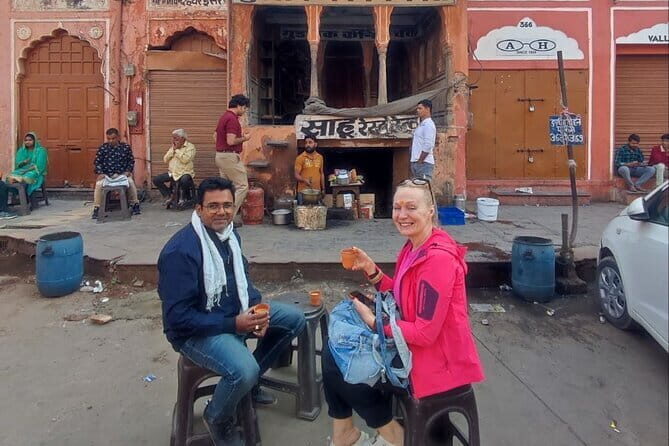
If you only remember one thing about this tour, make it the food portion. It is not a small snack either. The tour starts with a generous street food experience, and it is laid out as multiple tastings at well-known spots.
You start with kachori at Rawat, then you move on to chai at Gulab Ji, kulfi at Pandit Kulfi, and sweets from Bhagat Mishthan Bhandar. The food stop is scheduled as a full 2-hour block and is listed as included, with admission ticket noted as free.
Practical tip: go into the first stop ready to eat. This is not a walk-and-watch situation. If you have dietary limits, you should plan ahead, because the menu specifics are not listed here. If you are just a normal human who likes street food, this opening is a smart move because it fuels you for monuments that can take time to enjoy properly.
Also, since bottled water is included, you can pace your bites without turning the morning into a thirst crisis. It is a small detail, but it helps.
Hawa Mahal: 953 jharokhas and why the view is the point
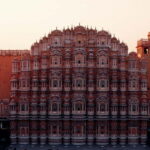
The first major monument stop is Hawa Mahal, the Palace of Breeze. This is one of those Jaipur landmarks that you recognize instantly once you see the facade. The tour heads there for about 45 minutes, with monument entry fees not included.
What makes this stop special is the design. Hawa Mahal was built in 1799, and it is famous for its five stories of 953 intricately designed windows, called jharokhas. Even if you do not have time for a deep architectural study, you will get the core idea fast: this building was meant to let people observe street life while keeping a controlled view.
The only drawback is time. Forty-five minutes is enough to appreciate the facade and take a few solid photos, but it is not enough for a slow, sit-down museum-style visit. If you tend to want linger time, keep an eye on your priority: photos and overall design are the main focus here.
City Palace: Rajput and Mughal design in one royal complex
Next up is the City Palace, where Jaipur’s royal family is still connected to the residence. The stop is longer, about 2 hours, and again, monument entry fees are not included.
The big takeaway is the architecture. The palace is described as a blend of Rajput and Mughal styles, with grand courtyards and intricate design details. This matters because City Palace is not just one pretty building; it is a whole complex. Two hours gives you a chance to move through sections at a comfortable pace instead of treating it like a quick check-in.
How I would use the time: spend enough time inside to understand the layout and scale, then come back out and look again from the courtyard areas. It helps the place make sense. The tour structure supports that because it does not stack you with back-to-back rapid-fire stops.
Jantar Mantar: the stone sundial and UNESCO scale
After City Palace, you go to Jantar Mantar, a UNESCO World Heritage Site built by Maharaja Sawai Jai Singh II. This is scheduled for about 1 hour, with entry fees not included.
Jantar Mantar is an astronomical observatory, and the headline feature here is the world’s largest stone sundial, plus other instruments. Even if you are not a science person, you can still enjoy it because the site makes measurements feel physical. The scale is the wow factor.
One hour is a sweet spot: long enough to walk through and spot multiple instruments, short enough that you do not feel trapped when crowds and heat start to rise. The risk is that if you want a very detailed explanation of the instruments, you might wish you had more time. The tour does include local guidance from the driver, but the day is also managing the broader route, including shopping and food.
You can also read our reviews of more tours and experiences in Jaipur





Royal Gaitor: quieter royal cenotaphs and marble domes
Then comes Royal Gaitor, a stop many first-time visitors do not prioritize. It is listed as 30 minutes, with entry fees not included.
Royal Gaitor is described as a peaceful complex containing the cenotaphs (chhatris) of Jaipur’s former rulers. The description also points to intricately carved marble domes. The vibe here is more reflective than the big monument stops. If you like seeing a range of Jaipur, this small time slot helps balance the day.
Because it is only thirty minutes, do not expect a long, slow photo session. Use the time for the main carved structures and the overall atmosphere. This is the stop that can make the day feel more “different” than the standard itinerary.
Heritage Textiles: block-printed fabrics and shawl shopping with focus
Once your monument time ends, the day shifts into shopping mode. The first shopping stop is Heritage Textiles, scheduled for about 30 minutes and listed as admission ticket free.
Here the focus is on handcrafted and natural materials: pashmina shawls, organic cotton, silk, satin, and linen fabrics. You are also set up to see block-printed items and other textile work.
This kind of stop is worth it when you are shopping with intention. Jaipur is known for textiles, but it can be hard to sort out what is actually good when you are surrounded by stores. A dedicated stop like this helps you compare within a single time window.
Practical approach: if fabric is your goal, think in terms of end use. Will you use a shawl often, or is it a souvenir? That simple question keeps you from overbuying while you are still excited.
Shivam Gems N Jewellery: 92.5 sterling silver in a quick stop
Next is Shivam Gems N Jewellery, again about 30 minutes and listed as free for admission/ticket. The shop specializes in 92.5 sterling silver jewelry, including earrings, rings, pendants, necklaces, bracelets, and anklets.
This stop is fast, so you want to walk in with a sense of what you like: do you prefer small and delicate pieces, or statement designs? Jewelry shops can eat time if you start trying everything. Thirty minutes works best if you keep your decision process simple.
One more thing: since you will also see bazaar jewelry later, you can use this store as a comparison point. You might find a style you like here, then decide later whether you want similar work in a different style or price range.
Pink City Bazaar time: jewelry types and souvenir hunting
The tour then gives you 1 hour for shopping in the Pink City Bazaar area. This is where the day leans into classic Jaipur shopping: kundan, meenakari, and polki jewelry, plus textile browsing and souvenirs.
This is the most open-ended part of the route, and it is where you get to follow your curiosity. If you want jewelry, this is a key moment. If you want textiles, use this time to spot patterns you like and then decide whether you want to commit elsewhere.
Note how the earlier shopping stops were more specialized. This bazaar block is the payoff: you see more variety, and you can compare what you learned earlier with what you find here.
Jaipur Blue Pottery Art Centre: a focused stop for craft lovers
The final shopping stop is Jaipur Blue Pottery Art Centre, scheduled for about 30 minutes and again listed as admission ticket free.
This stop fits well after the jewelry and textiles because it adds a different kind of Jaipur craft: pottery. Even if you do not buy, it is a helpful way to understand the look of Jaipur blue pottery as a category of design and production.
Thirty minutes is enough to see what is offered and get a sense of the craftsmanship. It is not enough to become a full-time ceramic student, so come in with realistic expectations: you are browsing and deciding, not researching for a year.
Tuk-tuk logistics and comfort: what you should expect
The transport piece is one of the quiet reasons this tour works. You get a comfortable tuk-tuk ride with a friendly and experienced local driver, plus parking fees and toll taxes covered. You also get complimentary bottled water.
From your side, the main planning is simple:
- Plan on walking a bit at monument stops, even with a vehicle between sites.
- Bring some cash or card-ready payment options for entrance fees and shopping, because monument entry is not included.
- Wear comfortable footwear, since a day of multiple stops adds up.
Also, because the tour lists mobile ticket and confirmation received at booking, you likely avoid last-minute hassle. If you have service needs, note that service animals are allowed.
Price and value: cheap base price, real monument fees
The advertised price is $18.13 per person, which is strikingly low for a 9 to 10 hour day with tuk-tuk transport plus included street food. The big reason it stays affordable is that the monument entrances are not included.
You are told to budget for entrance fees for Hawa Mahal, City Palace, Jantar Mantar, and Royal Gaitor, listed as ₹2,600 per person. That means your total cost is the base price plus those entry fees.
Here is the value logic I would use: you are paying for guided transport, organized stops, and food that would cost you money on your own. The non-included monument fees are the main variable. If you plan to visit all the major monuments anyway, this structure still makes sense because the tour organizes the route and keeps you from planning it yourself.
And based on the way drivers like Ali and Mohsin have been praised, the guidance is part of the value. A good day plan is not just about seeing places; it is also about knowing where to shop for textiles, pottery, and jewelry without wasting time.
Who this tour suits best
This tour is a great match if you:
- Want a full-day overview of Jaipur without doing heavy planning.
- Like shopping for specific Jaipur crafts (textiles, silver jewelry, blue pottery).
- Appreciate street food and want it included rather than hunting for it on your own.
- Prefer a pace where you can ask questions and move at your own speed inside time blocks.
It might not be the best fit if:
- You want a slow, detailed monument study with long time in museums.
- You are only interested in one or two sights and would rather skip the shopping stops.
- You are strongly against spending time in markets, even though shopping time is scheduled rather than shoved into every gap.
Should you book this Jaipur tuk-tuk tour?
Book it if you want a practical, one-day route that mixes the icons with the everyday Jaipur stuff: food, shopping, and royal-era sights. The best part is the balance. You do not just ride past monuments and then get dropped into random stores. You get a structured day where the food start helps you enjoy the later sightseeing, and the shopping stops are tied to real specialties.
Skip it only if monument entry costs feel like an extra burden for your budget, or if you want a purely sightseeing-focused day with no shopping component. If you are flexible, though, this is one of those value-driven days where your money goes toward seeing and eating rather than just sitting in transit.
FAQ
What is included in the tuk-tuk tour?
The tour includes a comfortable tuk-tuk ride with a local driver, pickup and drop-off within Jaipur city limits, bottled water, parking fees and toll taxes, local guidance, a street food experience with food included from selected eateries, and flexibility to explore at your own pace.
How long is the Jaipur tuk-tuk tour?
The tour is listed as about 9 to 10 hours.
Are the monument entrance fees included?
No. Entrance fees for Hawa Mahal, City Palace, Jantar Mantar, and Royal Gaitor are not included. The listed monument fee is ₹2,600.00 per person.
Which street food stops are included?
The included street food stops are Rawat for kachori, Gulab Ji for chai, Pandit Kulfi for kulfi, and Bhagat Mishthan Bhandar for sweets.
Do I get pickup from my hotel?
Yes. Pickup and drop-off service is offered from your hotel or preferred location within Jaipur city limits.
Is this tour private?
Yes. It is described as private, with only your group participating.
What is the cancellation policy?
Free cancellation is available up to 24 hours in advance for a full refund. If you cancel less than 24 hours before the experience starts, no refund is offered.