REVIEW · JAIPUR
Jaipur: Private Jhalana Leopard Safari Tour
Book on GetYourGuide →Operated by World Of Wilders · Bookable on GetYourGuide
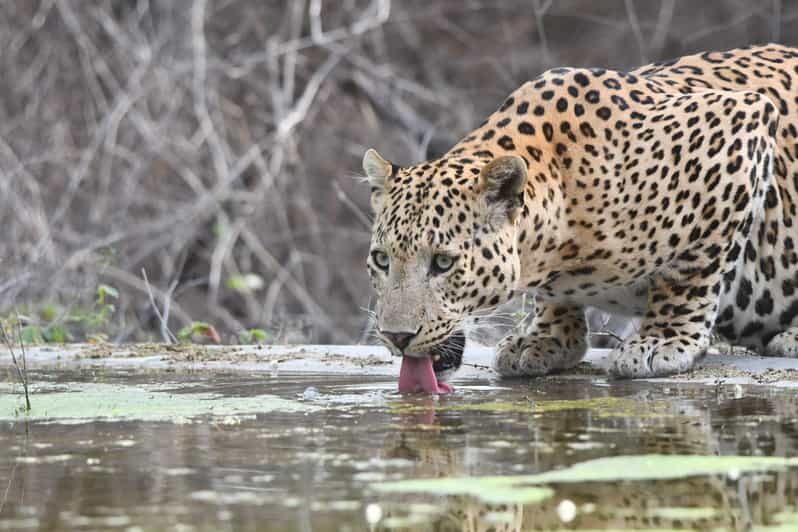
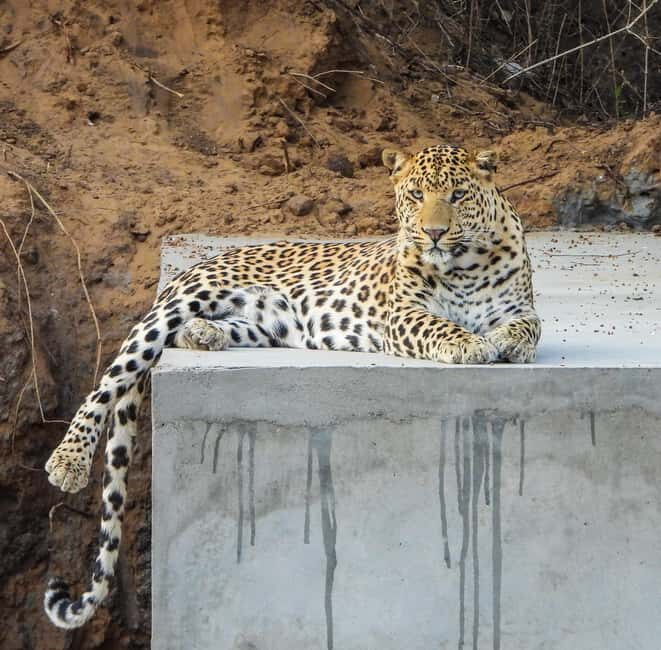
A leopard in an urban reserve sounds unreal. This Jhalana Leopard Reserve safari puts you in a real, off-road habitat near Jaipur, where you learn how the project helps protect leopards and other wildlife. I love how the guides explain leopard behavior in plain language, and how a guide like Rohit can turn the ride into a mini field lesson with fun facts.
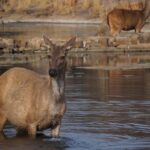
I also like that this isn’t just about one animal. You’ve got a real shot at seeing hyenas, desert foxes, Hanuman langurs, blue bulls, and spotted deer, plus lots of birds and reptiles in a place built for conservation. One drawback: this is an off-roading experience, so it’s bumpy by nature, and it’s not a good match if you have back problems or are pregnant.
In This Review
- Key takeaways before you go
- Jhalana Leopard Reserve: a leopard project inside Jaipur’s backyard
- What you’re really doing in 2.5 hours (and why time matters)
- The guide talk: how you get more than animal spotting
- Wildlife odds: what you can see beyond the leopard
- Driving inside the reserve: what the 4×4 ride feels like
- Meeting point and how to arrive without wasting safari minutes
- What to bring: the “small list” that makes a big difference
- Rules in the vehicle: what’s not allowed (so you don’t get stalled)
- Who this safari suits best (and who should skip it)
- Price and value: $206 for a private group up to 6
- Should you book the Jhalana Leopard Safari private tour?
- FAQ
- How long is the Jaipur Jhalana Leopard Safari tour?
- What does the tour cost?
- Where do I meet for the safari?
- Is this a private tour?
- What language is the host/greeter?
- Is the safari wheelchair accessible?
- What should I bring?
- What’s the cancellation policy?
Key takeaways before you go
- Private 4×4 time for your group (up to 6) instead of squeezing in with everyone
- Leopard-focused reserve tied to Rajasthan’s project leopard site and a leopards-only conservancy reserve
- Off-roading, camera-ready stops so you can actually get photos instead of just speeding past
- Biodiversity in real numbers: 21 mammal species, 172 bird species, and 17 reptile species
- Conservation mindset with clear respect for wildlife and the park
- Limited jeeps inside the reserve, so it often feels less tour-busy than you’d expect
Jhalana Leopard Reserve: a leopard project inside Jaipur’s backyard
Jhalana Leopard Reserve is the kind of wildlife setting that flips expectations. You’re in Rajasthan, close enough to Jaipur that it feels like an urban edge—but once you’re in the reserve, it’s about survival, tracks, and timing. The whole point here is conservation, and the reserve is known as Rajasthan’s first project leopard site plus the only conservancy reserve dedicated to leopards in India.
That matters because you’re not just hunting for a photo. You’re entering a place with a specific mission: protect leopards while maintaining the ecosystem they depend on. The biodiversity numbers are a big clue that this is more than a one-animal show. The reserve is home to over 21 mammal species, plus 172 bird species and 17 reptile species, along with some very rare critically endangered tree species. In other words, even if you don’t lock eyes with a leopard right away, you’re still in a living system.
And yes, the leopard is the headline. But I like that the experience is built around seeing the reserve as a whole—because that’s when the safari feels real.
You can also read our reviews of more private tours in Jaipur
What you’re really doing in 2.5 hours (and why time matters)
This tour is 2.5 hours, and for safari-style wildlife, that’s a useful length. Too short and you’re constantly waiting. Too long and you spend more time stuck in hopes than in actual wildlife watching.
In practical terms, here’s what that window usually means for you:
- You’ll spend the bulk of the time inside the reserve in a 4×4 vehicle, looking, listening, and scanning for movement.
- Your guide will set context early, then keep explaining what you’re seeing as the drive continues.
- You’ll have time for multiple wildlife-spotting moments, not just one quick drive-by.
Wildlife sighting is never guaranteed. But the format helps you keep a steady pace: look, pause, watch, and repeat. And when you do get a stop—especially if the driver pulls over so you can frame the shot—you’ll see why the “limited jeeps” factor matters. Fewer vehicles often means less noise and less crowding, which can help animals stay comfortable enough to show themselves.
The guide talk: how you get more than animal spotting
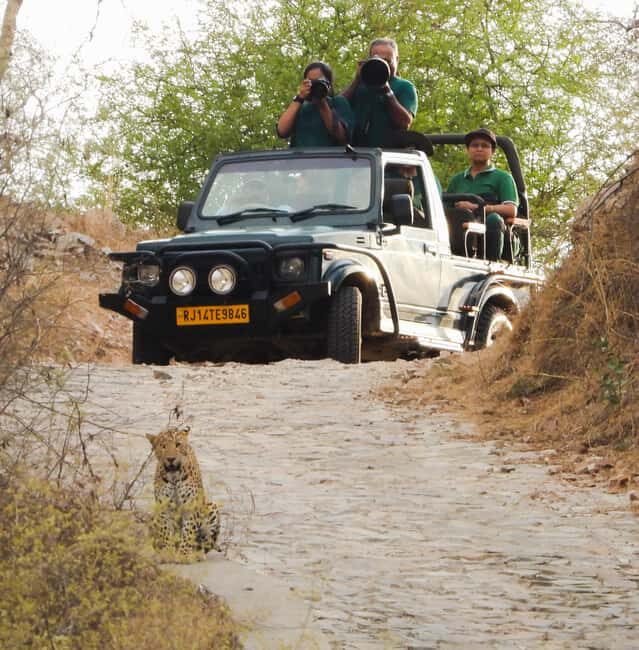
The best safaris are part driving, part learning. Here, the guide component is a big part of the value. Before you start scanning, expect a quick orientation focused on leopards—how they behave, what to watch for, and what signs can help you narrow your search.
Then, while you’re in the reserve, you’ll get ongoing commentary. On one safari, the guide Rohit explained leopard basics before the vehicle even rolled into the deeper parts of the habitat, and during the drive he kept sharing information and answering questions. That kind of pacing changes the whole experience. When you understand what you’re looking at, you stop treating every tree line like a lottery ticket.
If you’re someone who normally zones out at wildlife tours, this is where you’ll likely stay engaged. The guide attention to detail—paired with the real off-road movement—turns the safari into something closer to guided field observation than “sit and hope.”
One more small but meaningful benefit: you might get help with photos. In at least one experience, the guide provided pictures he took, which is a nice backup if your hands were busy holding the camera steady while the vehicle bounced.
Wildlife odds: what you can see beyond the leopard
Let’s talk about the animal list, because it’s the kind of list that helps you set expectations without getting disappointed.
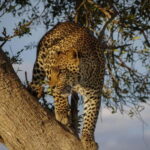
Leopards are the goal, and that’s why the reserve exists in the first place. When they show up, it’s usually because you’re watching patiently and the group stays quiet and alert. Even when it takes a while, the safari can still feel excellent because you’re collecting sightings—sometimes of animals you didn’t expect.
Here are the specific animals and groups you may encounter:
- Hyenas: listen for movement and watch for quick changes in behavior in the distance.
- Desert foxes: often more subtle than the big cats, so scan for smaller silhouettes and movement patterns.
- Blue bulls: a classic indicator species in the region. If you spot them, you’re usually in the right habitat type.
- Hanuman langurs: these can be easier to notice than more secretive mammals, and they add life to the tree-and-shrub areas.
- Spotted deer: another frequent sighting target.
- Plus a broader mix of birds and reptiles, where the reserve’s biodiversity numbers are your safety net for interest even on slower leopard days.
I’ll be straight with you: a leopard sighting can take time. That’s part of the job description of wildlife. What helps is the variety. If you catch hyenas or langurs along the way, the drive won’t feel empty while you wait.
Driving inside the reserve: what the 4×4 ride feels like
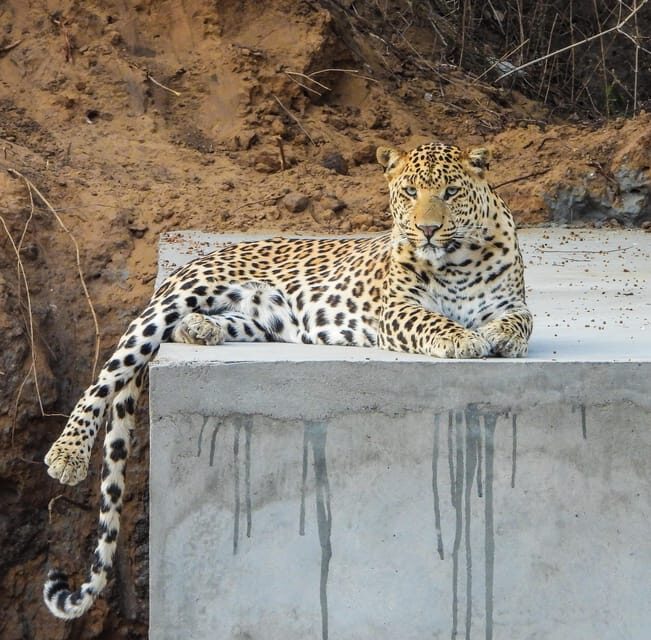
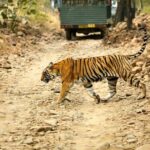
This is a 4×4 vehicle safari, and that means off-roading reality. The terrain isn’t a smooth highway, and the ride can be bumpy even when the driver is careful. I like this style because it keeps you closer to where animals may be active, not just on the easiest road lines.
Still, you should plan for:
- Comfort-first clothing and shoes (more on packing below)
- A need to stay balanced during sudden stops
- Patience when the driver maneuvers to get a better viewing angle
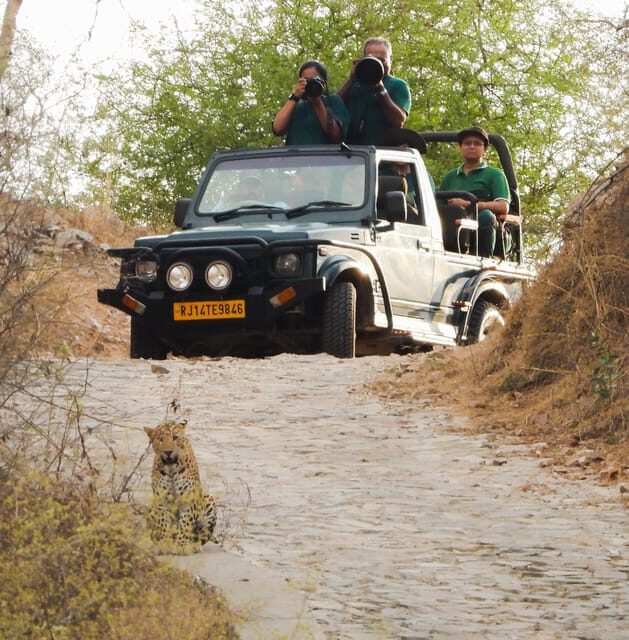
One more practical note: in many leopard reserves, the big frustration is vehicle traffic and constant crowding. Here, a limited number of jeeps inside the park can reduce that “everybody stampeding toward the same tree” feeling. It’s one reason the experience can feel calmer than you’d expect for a popular target.
You can also read our reviews of more tours and experiences in Jaipur

Meeting point and how to arrive without wasting safari minutes
You’ll meet at World Of Wilders – Jhalana Leopard Safari (also listed under Amagarh Panther Safari, Jhalana Jungle Safari, Jaipur By Night, and Elephant Village). The location is the Central Road (Roads End) inside Malviya Nagar Industrial Area, Malviya Nagar, Jaipur, Rajasthan 302018, India.
If you navigate using coordinates, the meeting point is:
- 26.855134963989258, 75.83284759521484
On arrival, you’ll need to find the designated point person. The safari time is short, so build in buffer time for traffic and finding the right spot. Once you’re in your vehicle, you’ll want to focus on wildlife rather than logistics.
What to bring: the “small list” that makes a big difference
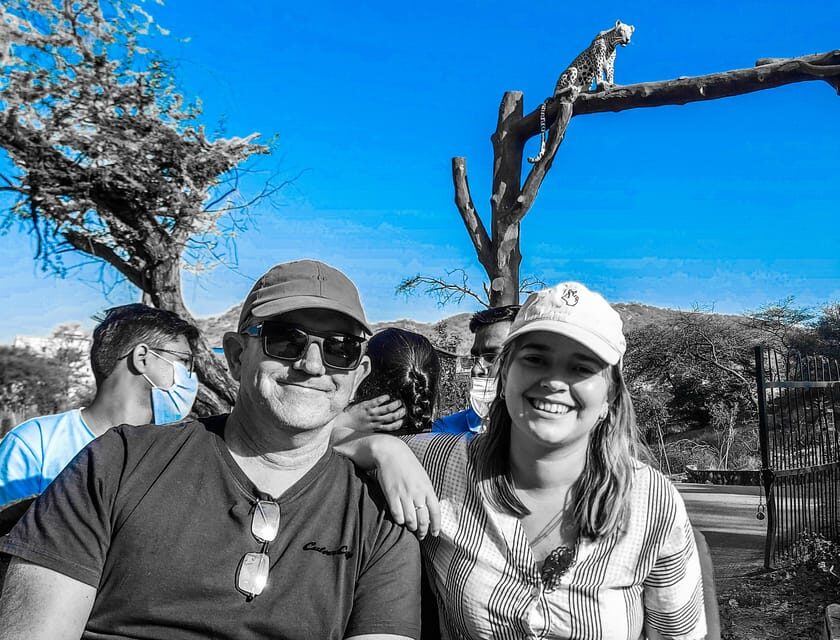
This is one of those tours where the packing list is short for a reason. The reserve has sun exposure and long periods of scanning, so bring what keeps you comfortable and able to shoot photos.
Bring:
- A hat
- A camera
- Sunscreen
- Water
- Comfortable clothes (and shoes good for off-roading)
Your water matters because you can’t rely on grabbing drinks during the drive. Also, comfortable clothes help with both the ride and the long sitting/standing moments when you’re watching.
And do yourself a favor: charge your camera or phone before you go. With flash photography not allowed (more below), you’ll want natural light and steady settings.
Rules in the vehicle: what’s not allowed (so you don’t get stalled)
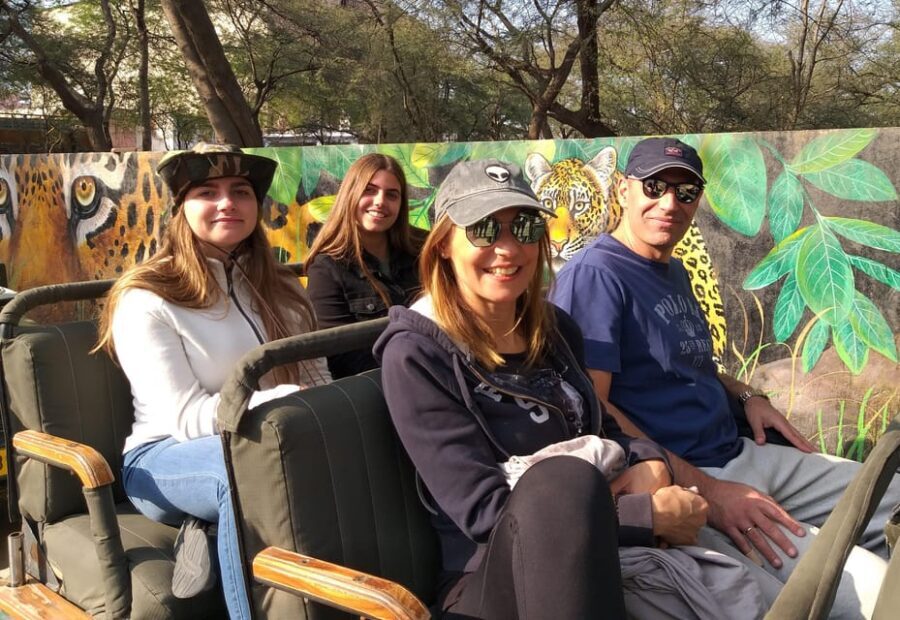
To protect animals and keep things safe, the safari has a lot of no-go items. Pay attention to these because rules like flash and smoking can slow you down if you’re caught mid-prep.
Not allowed:
- Flash photography
- Smoking in the vehicle (and smoking overall rules apply)
- Food and drinks in the vehicle
- Plastic bottles and plastic bags
- Littering
- Feeding animals
- Touching animals
- Alcoholic drinks in the vehicle
- Making fire
- Using a flashlight (explicitly listed as not allowed)
If you want the smoothest experience, keep your gear simple: camera, hat, sunscreen, water. Put everything else away at the start.
Who this safari suits best (and who should skip it)
This tour is designed for wildlife lovers who like being out in the open, staying alert, and following a guide’s instructions. It’s also a good fit if you prefer:
- A private group setup
- A shorter, focused wildlife outing rather than a long full-day trip
- Clear conservation messaging, not just “look at the animals” entertainment
Not suitable for:
- Pregnant women
- People with back problems
That’s not just a legal note; it’s tied to the off-roading nature of a 4×4 safari. If you fall into either category, you’ll probably enjoy the day more with a different kind of wildlife experience with less vehicle vibration.
Wheelchair accessible is listed, which is a helpful point for mobility planning. Still, because the activity is off-road, confirm with the operator how vehicle access works for your specific needs before you go.
Price and value: $206 for a private group up to 6
At $206 per group up to 6, the value depends on how many people you can bring. If you use the full group size, that’s roughly $34 per person—often a strong deal for a private, guide-led safari session with a 4×4 vehicle.
But even if you don’t fill all 6 seats, private value comes from what you gain:
- Your group stays together
- You can ask questions without feeling rushed by a bigger crowd
- You’re more likely to get attentive driving stops for photos (you’ll still need patience for leopard time)
For wildlife tours, the big cost isn’t just the vehicle—it’s the time and effort it takes to reach good viewing areas and scan for elusive animals. This tour focuses that effort into 2.5 hours, which is exactly how you keep both costs and fatigue under control.
If you’re thinking of booking, this is the honest way to frame it: you’re paying for a private, leopard-focused 4×4 safari window with an English-speaking guide, in a reserve with actual conservation purpose.
Should you book the Jhalana Leopard Safari private tour?
Book it if you want a leopard safari that feels closer to guided observation than a rushed crowd stop. I’d especially recommend it if you like the idea of learning why leopard conservation matters, not just trying to spot a cat and moving on. The combination of leopard-focused conservation, a clear animal list, and a structured 2.5-hour safari makes this one easy to fit into your Jaipur time.
Don’t book it if your priority is guaranteed leopard sightings. No safari can promise that, and Jhalana is all about patience in a living habitat. Also skip it if off-roading discomfort would ruin the day for you, since it’s not suitable for pregnant travelers or people with back problems.
If you’re in the middle—excited about wildlife, comfortable with a bumpy ride, and happy to let the reserve set the pace—this tour is a solid bet.
FAQ
How long is the Jaipur Jhalana Leopard Safari tour?
The tour duration is listed as 2.5 hours.
What does the tour cost?
The price is listed as $206 per group (up to 6 people).
Where do I meet for the safari?
The meeting point is World Of Wilders – Jhalana Leopard Safari (along with related safari listings), at Central Road (Roads End), inside Malviya Nagar Industrial Area, Malviya Nagar, Jaipur, Rajasthan 302018. Coordinates are 26.855134963989258, 75.83284759521484.
Is this a private tour?
Yes, it’s listed as a private group.
What language is the host/greeter?
The host or greeter is listed as English.
Is the safari wheelchair accessible?
Wheelchair accessibility is listed as yes.
What should I bring?
Bring a hat, camera, sunscreen, water, and comfortable clothes.
What’s the cancellation policy?
The activity is listed as non-refundable. The safari cannot be cancelled, altered, or modified, rain or shine.