REVIEW · JAIPUR
Jaipur: Cooking Class with a Local Family
Book on GetYourGuide →Operated by Jaipur Pink city Cooking Class · Bookable on GetYourGuide
Cooking in a real Jaipur home changes everything. In Swati’s family kitchen in the Pink City, you’ll learn Rajasthan dishes like dal baati churma and ker sangri, while figuring out what each spice is doing. I love that this is a small group class where you can actually participate, not just watch.
I also like how the host family explains the why behind the food, not just the steps, and they can adjust menus for gluten-free needs and other intolerances. One consideration: transport isn’t included, so you’ll want to plan your own ride and use the meeting-point details carefully.
In This Review
- Key highlights worth your time
- Why a Jaipur home cooking class beats a restaurant meal
- Your 3-hour flow in the Pink City (and what happens when)
- Chapatis and vegetable curries: the hands-on basics that pay off later
- Rajasthan specialties: dal baati churma and ker sangri (and how choice works)
- Spices, ingredient stories, and the real purpose of flavor
- Dessert and the shared meal: tasting the results together
- Recipes you can actually cook again: e-recipes and follow-up
- Price and value: what $19 gets you (and what it doesn’t)
- Who this class fits best (and who should plan a bit)
- Quick planning checklist for your Jaipur cooking class
- Should you book Jaipur: Cooking Class with a Local Family?
Key highlights worth your time
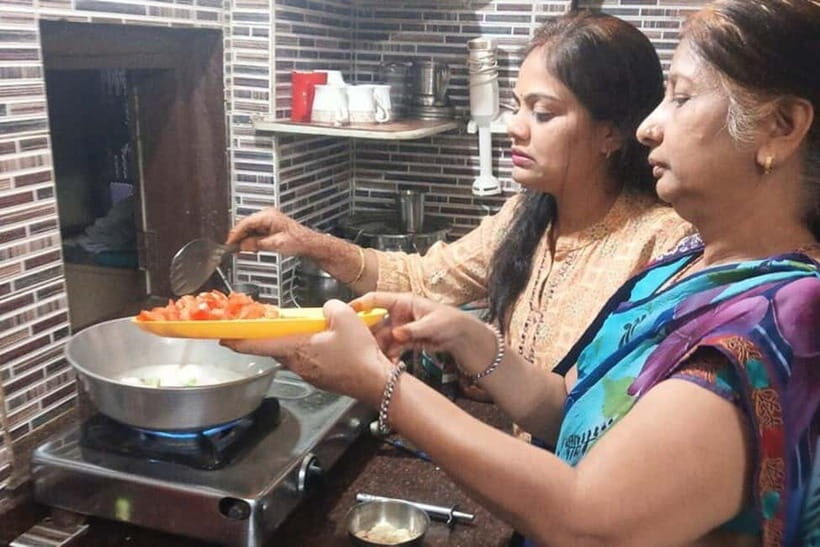
- Cook with the family, not beside them: you get hands-on practice with chapatis and vegetable curries.
- Rajasthan flavor education: you learn what spices and ingredients are for, not just what to add.
- Pick what you want to learn: you can choose dishes based on your tastes and dietary needs.
- Chai time that feels like conversation: welcome drinks turn into an easy start before you cook.
- Recipes you can use later: you receive e-recipes after the class.
Why a Jaipur home cooking class beats a restaurant meal
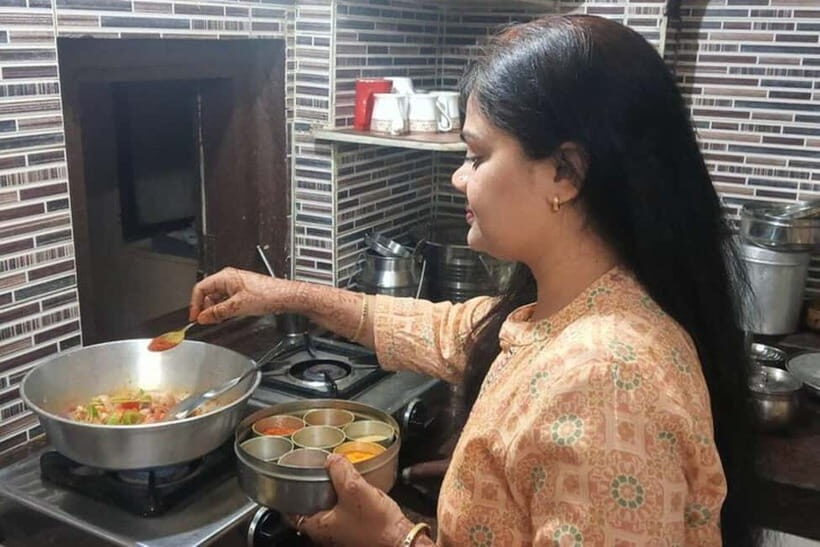
A Jaipur cooking class in a restaurant is fine for eating. A Jaipur cooking class inside a real home is different. You get the rhythm of daily cooking: the pace, the explanations, the way spices are treated like tools instead of mystery dust.
The big win here is how personal it feels. This isn’t a lecture. You’ll sit down for welcome drinks, chat, and then get pulled into the cooking process with Swati and her family. Even if you only want to cook part of the time, the setup lets you participate at your comfort level. And because the group is limited to 6 people, you’re not fighting for attention or space.
I also like that the class focuses on how flavors are built. You learn to think about seasoning, texture, and balance. That’s what makes it easier to recreate at home, even if your pantry is a little different than theirs.
You can also read our reviews of more cooking classes in Jaipur
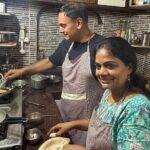
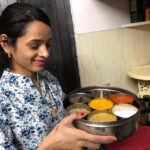
Your 3-hour flow in the Pink City (and what happens when)
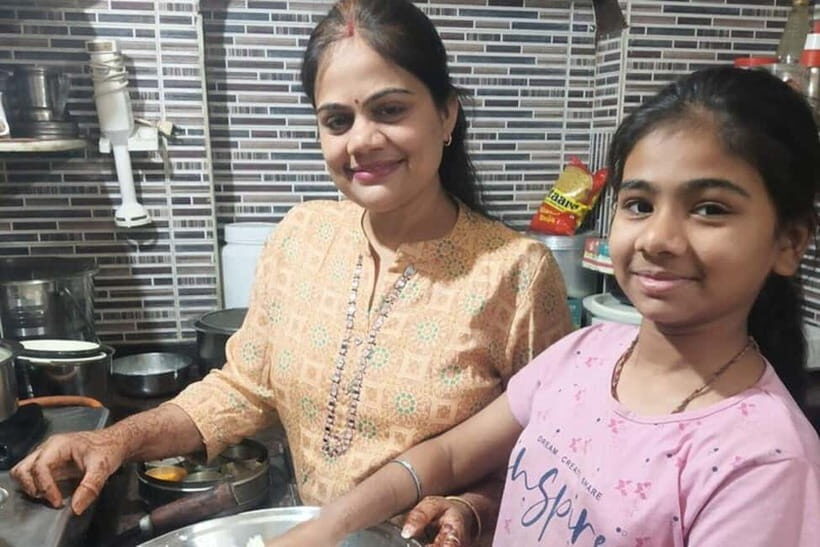
This experience runs for about 3 hours, and it moves at a relaxed pace—just fast enough to make you feel productive without rushing you.
You’ll start at the meeting point: 3664, Motisingh Bhomiyon ka Rasta, Fourth Crossing, Johari Bazar, Jaipur 302003. From there, expect a warm welcome and a quick setup before you get cooking. A common start is making masala chai to your preference, then taking a seat while you talk. That chat matters more than you’d think. It helps the host tailor explanations to how you like food, and it lowers the stress of being in someone’s home.
Next comes the practical cooking portion. You’ll get an intro to Indian spices and ingredients, then move into hands-on work like chapatis and vegetable curries. Depending on what you choose, you may also learn more specific dishes tied to Rajasthan. Finally, you’ll finish with an Indian dessert and, of course, eat what you cooked.
Chapatis and vegetable curries: the hands-on basics that pay off later
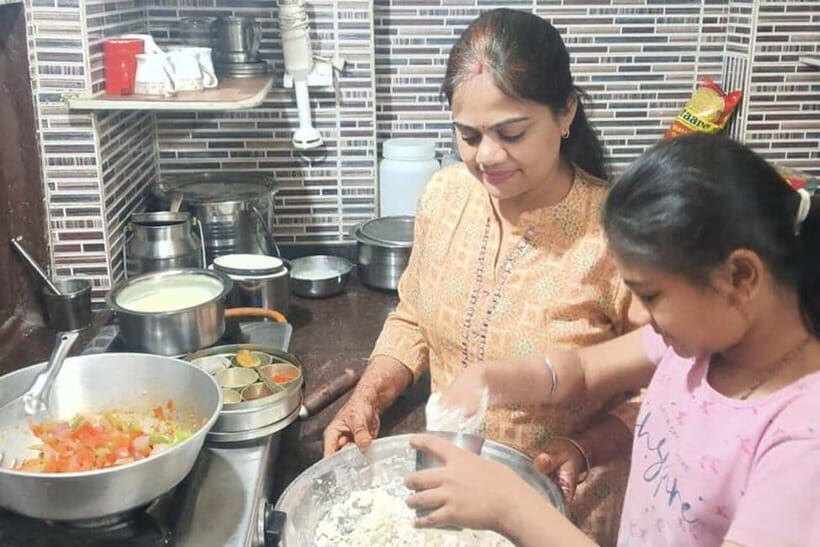
If you’ve ever tried to make Indian food at home and wondered why it didn’t taste like the restaurant (or the home-cooked version you got on your trip), the answer is often technique. This class targets technique.
You’ll make chapatis as part of the hands-on session. That’s not just about rolling dough—it’s about getting the right texture, cooking temp, and timing so the bread stays tender and flavorful. Many people find that once they learn chapati fundamentals properly, everything else gets easier.
Vegetable curries are the other core skill. You’ll practice how to build a curry with the right sequence—when to bloom spices, when to add aromatics, and how to balance simmer time. The goal isn’t to memorize a single recipe. It’s to learn why the process matters.
A small but important practical detail: you’re cooking in a clean, organized family kitchen, and you’ll be guided step by step. That support is a big deal if you’re new to Indian cooking, especially when working with spices in an unfamiliar way.
Rajasthan specialties: dal baati churma and ker sangri (and how choice works)
Rajasthan food has its own logic. It often leans into hardy grains, clever spice mixes, and vegetables that hold up to flavor. Two of the signature dishes highlighted for this class are dal baati churma and ker sangri.
Dal baati churma is the kind of dish that looks intimidating until you learn the components: the baked or roasted baati (bread-like bites), the dal (lentil base), and the sweet, crumbly churma. When you learn it through a family kitchen, you’re not just copying steps—you’re understanding how each part supports the others.
Ker sangri is a more specific Rajasthan specialty, built around dried berries and beans/vegetables that can handle strong spice flavor. Learning this dish through a local home matters because the “how” includes local decisions—spice intensity, soaking/simmer approach, and taste adjustments.
Here’s the practical part: you can usually choose the recipes you want to learn. That’s why you shouldn’t worry if you were hoping for a different menu mix. If you want more north-Indian comfort food (like dal tadka or palak-based dishes) or more variety (more breads, more curries), you can often steer the plan.
Spices, ingredient stories, and the real purpose of flavor
Most cooking classes teach you what to do. This one is built to teach you what the ingredients are for. That’s the difference between following a recipe and actually learning.
You’ll get an intro to Indian spices and ingredients, with explanations tied directly to the dishes you’re preparing. You’ll hear why certain spices are used early versus later, and how blends affect sweetness, heat, and aroma. You’ll also understand ingredient roles—like how dairy or certain seeds shift a sauce’s texture.
From the conversations that happen during the class, you’ll also pick up context about Indian cooking habits: how home cooks think about flavor balance, portioning, and what “good” taste feels like while cooking. Even simple decisions—how thick to make a curry, how long to toast spices, how to season at the end—become clearer when someone shows you in real time.
This matters because the same ingredient can taste very different depending on how it’s treated. Learning purpose helps you adjust later when you’re cooking with different brands or grinding your spices less often.
You can also read our reviews of more tours and experiences in Jaipur
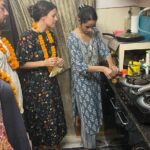


Dessert and the shared meal: tasting the results together
Food classes sometimes end with a rushed bite. Here, you get a proper finish: an Indian dessert plus a meal feel that’s more like sitting down with a family than attending a workshop.
Dessert may include options like gulab jamun, and it’s a good moment to taste what you made with fresh attention. Sweet dishes also show you how families manage sugar, texture, and syrup balance—useful knowledge if you want to cook Indian sweets later (or at least understand why they taste the way they do).
What I like most is that the host family doesn’t treat your meal like an afterthought. You’ll be able to sit, eat, and ask questions while the kitchen activity continues around you. That’s when the explanations often click, because you can connect the steps you just learned to the flavors in your bowl.
Recipes you can actually cook again: e-recipes and follow-up
The most useful part of any cooking class is what you bring home. In this case, you’ll receive e-recipes of all cooked dishes.
That matters because you’re cooking in a busy, hands-on environment. Even if you’re focused, it’s easy to miss small technique details while your hands are doing the work. The recipes help you recreate the dishes later without guessing.
Based on the experiences shared by prior participants, communication around recipes can be very practical, with clear instructions sent after the class (often through messaging apps). That means if you’re stuck at home—too thick, not enough spice, or dough that won’t roll—you’ve got a reference point to troubleshoot.
Price and value: what $19 gets you (and what it doesn’t)
At about $19 per person for a 3-hour small-group experience, this isn’t just “a cheap activity.” It’s a home-cooking lesson where your time is treated like it has value. You’re getting:
- Welcome drinks
- Cooking with a local family
- Spice and ingredient introduction
- Hands-on chapatis and vegetable curries
- Indian dessert
- E-recipes of the dishes you made
What’s not included is also important. Transportation to and from the activity isn’t included, and you shouldn’t count on personal cooking equipment being provided (the cooking setup is the home kitchen, but you shouldn’t expect extra gear for your own use).
If you’re comparing options, the value is in the combination of small group size, real-home access, dietary flexibility, and take-home recipes. A meal at a restaurant can feed you once. This experience gives you the tools to feed yourself (and guests) later.
Who this class fits best (and who should plan a bit)
This class is ideal if you want:
- A hands-on cooking experience, not just eating
- A chance to learn north-Indian and Rajasthan flavors in a structured way
- A friendly cultural exchange where questions are welcome
- Clear take-home recipes so you can recreate dishes back home
It’s also a strong choice if you have food limitations. Prior participants reported gluten-free menus and accommodation for allergies and intolerances. That’s a huge quality-of-life factor, because spicy and ingredient-heavy cooking can be tricky if you can’t confirm what’s going into your food. If you have restrictions, tell the host clearly before the class so they can adjust the plan.
A practical “think twice” point: this is in a private home. That means the experience is personal and informal. If you’re expecting a hotel-style tour setup with rigid timing and lots of signage, you might find it less structured than a formal guided outing. The trade-off is warmth and real instruction.
One more note: pets aren’t allowed. If you’re traveling with a pet, this activity likely won’t work for your schedule.
Quick planning checklist for your Jaipur cooking class
Here’s how I’d plan it so your morning or afternoon goes smoothly:
- Use the meeting point in Johari Bazar as your anchor, since transportation isn’t included.
- Bring a bottle of water if you like, especially on hot days; the class will include welcome drinks, but you’re still out and about in Jaipur.
- If you have allergies or a gluten-free need, message details early so the menu can be adjusted properly.
- Wear something comfortable for kitchen work and a little walking around.
- Expect spices, chai, and hands-on cooking—this isn’t a passive sit-and-smell experience.
If you’re the type who asks questions while cooking, you’ll get a lot out of this. The host family culture of explanation makes it easy to learn without feeling pressured.
Should you book Jaipur: Cooking Class with a Local Family?
Book it if you want an authentic Jaipur food experience that’s built around home cooking skills, not just sightseeing. The small group size, the chance to choose dishes, and the take-home e-recipes make it one of the better ways to turn a visit into lasting knowledge.
Skip it only if you’re short on time, don’t want to cook at all, or you strongly prefer a restaurant-style environment. Since you handle chapatis and curries yourself, you’ll want to be comfortable getting a little involved.
If you’re heading to Jaipur and you care about learning how Indian flavors work, this is the kind of class you’ll still be talking about when you’re unpacking your groceries back home.