REVIEW · JAIPUR
Jaipur: 2-Hour Cultural Walking Tour
Book on GetYourGuide →Operated by Yo Tours · Bookable on GetYourGuide
Trade selfies for stories in Jaipur. A 2-hour cultural walking tour like this is a smart way to see Jaipur’s old-town lanes with a guide who explains why landmarks matter. I like the mix of big sights (you’ll get Hawa Mahal viewpoints) and everyday craft and working heritage, like a traditional sword shop and a 150-year-old camera still doing its job.
The main thing to watch is practical: some sights are viewed from the outside, and entrance fees are not included. It’s also moderate walking in warm weather, so plan for water and good shoes.
In This Review
- Key highlights you’ll feel fast
- Why this Jaipur walking tour works (even if you’ve seen the basics)
- Getting oriented at Wind View Cafe and starting the route clean
- Hawa Mahal from the street: what you should notice
- The sword shop and a 150-year-old working camera
- Walking paths once used by royal priests: reading the city’s layout
- Sawai Man Singh Town Hall: when a landmark has a job
- Jantar Mantar (UNESCO) without the ticket surprise
- Shiva and Krishna temples maintained by priests for generations
- The ending at Golcha Cinema and what to do next
- Price and value: what $14 gets you, and what it doesn’t
- Who should book this tour (and who might want to rethink it)
- Should you book the Jaipur 2-Hour Cultural Walking Tour?
- FAQ
- Where is the meeting point?
- How long is the tour?
- What languages are available?
- What’s included in the price?
- What isn’t included?
- What should I bring?
Key highlights you’ll feel fast
- Meeting point with an eye on Hawa Mahal: start at Wind View Cafe, right by the action.
- Architecture plus human stories: you get the meaning behind what you see, not just the name.
- Living heritage stops: a traditional sword shop and a 150-year-old working camera.
- A UNESCO stop built into the route: Jantar Mantar fits naturally into the walking flow.
- Temple visits with generational context: Shiva and Krishna temples maintained by an eighth-generation family of priests.
- Local tips that help after the tour: guidance for what to do next in the old city.
Why this Jaipur walking tour works (even if you’ve seen the basics)
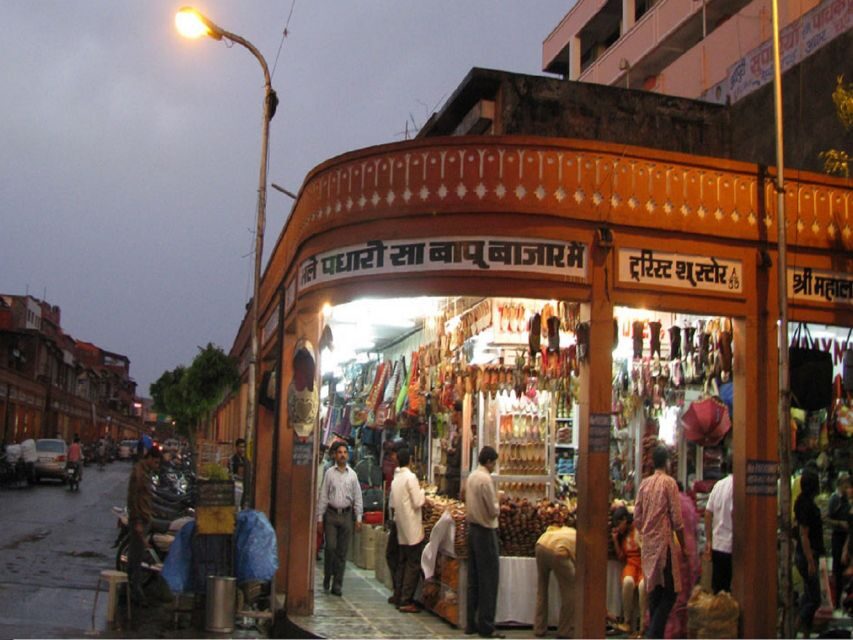
Jaipur can tempt you into a quick hit: a few famous stops, a few photos, then back to the hotel. This kind of walking tour is different. You’re out where locals move, where shops serve regular customers, and where history isn’t just on a plaque. The payoff is that the city starts to make sense in your head, not just in your camera.
You’ll also get a guide who can talk through details in English and Hindi, which matters more than it sounds. When someone explains what a building is for, why it was built, and how it relates to daily life, your time becomes more efficient. At $14 for two hours, the price is also the kind that makes sense if you want context without paying a long list of extra costs.
The most important tradeoff is that it’s a walk. You’ll do moderate walking through old city areas, and you’ll want to be comfortable in heat and sun. If you’re the type who needs frequent breaks or lots of slow museum time, plan your expectations.
You can also read our reviews of more walking tours in Jaipur



Getting oriented at Wind View Cafe and starting the route clean

Your tour starts at Wind View Cafe, meeting your guide in front of Hawa Mahal. That’s a good setup. You’re already in the neighborhood where the iconic facade changes how you see the city, so the tour can begin with immediate context rather than a long transfer.
When you arrive, give yourself a moment to settle your bearings. Wear sunglasses and a sun hat if the sun is strong; old Jaipur streets can go from shade to glare fast. Then let your guide set the rhythm: which lanes are worth noticing, where the architecture looks different from different corners, and how to read the city as you move.
One practical tip: confirm the exact meeting point the day before. I’ve seen cases where a guide changed the meetup spot from Wind View Cafe to the Hawa Mahal ticket area. That doesn’t mean it always happens, but it’s an easy way to avoid stress on a tight schedule. A quick message saves you time and prevents that awkward sprint through the crowds.
Hawa Mahal from the street: what you should notice
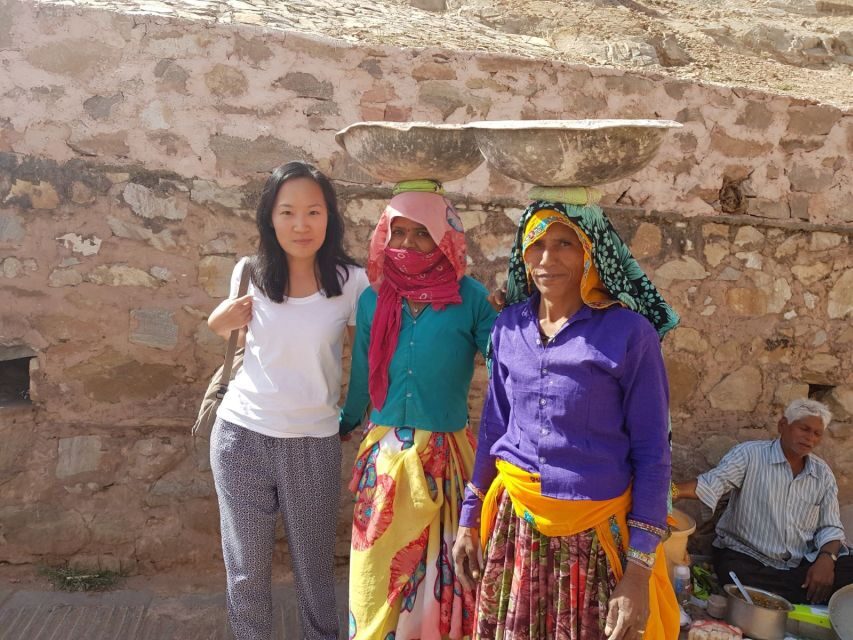
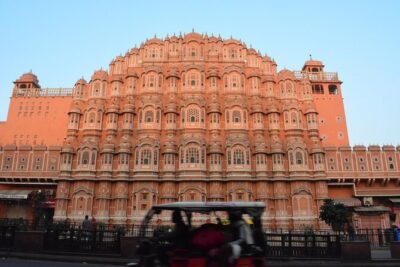
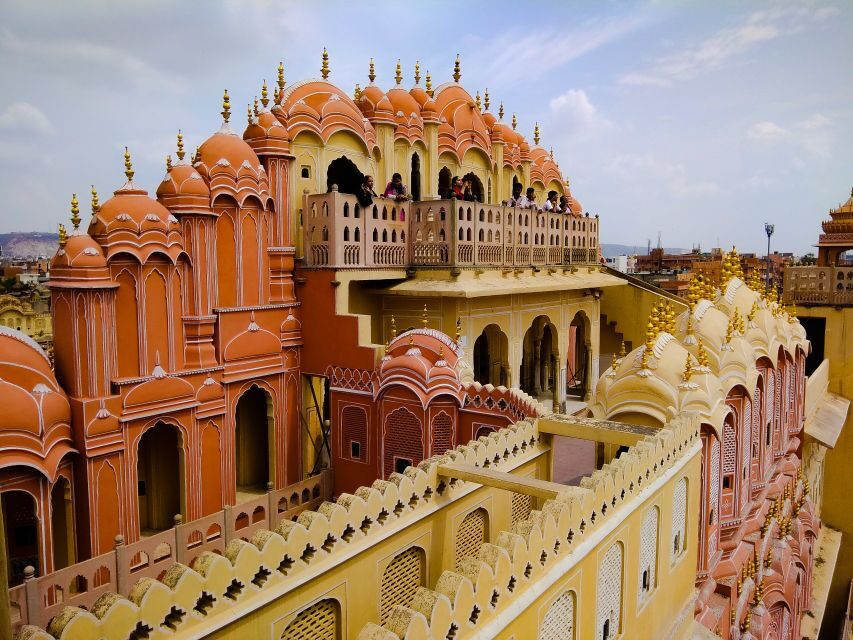
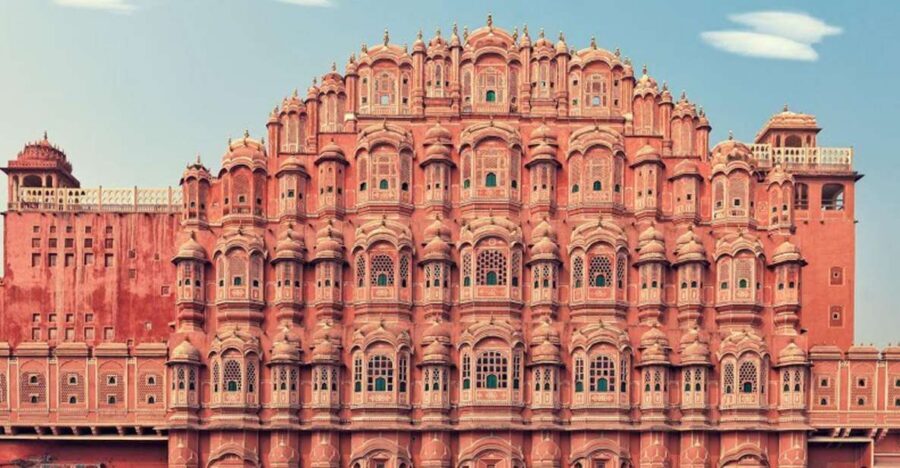
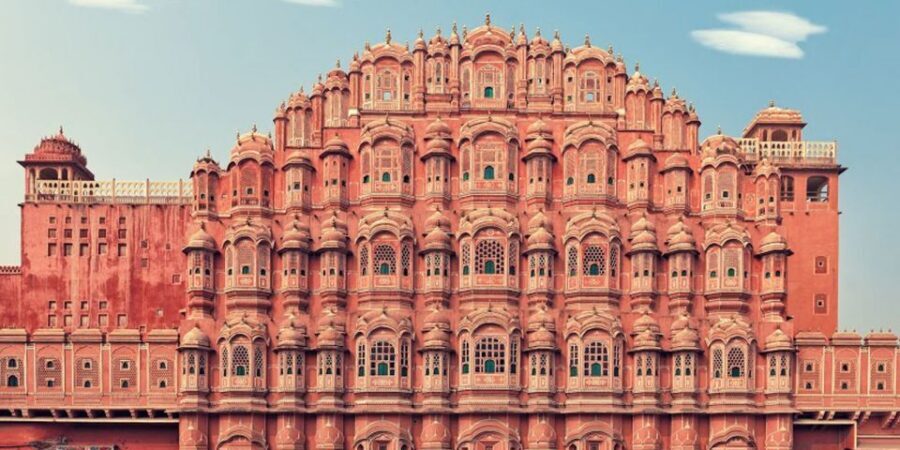
Hawa Mahal is the kind of place where people run for a photo and move on. But on a walking tour, you get time to understand what you’re looking at. You’ll be able to view it as you walk, and your guide should explain the architectural significance—especially the idea behind the facade and how the structure relates to comfort and daily life.
Even if you’re not going inside (and some stops are viewed from outside only), you can still get a lot out of this part. Look for how the building’s design creates repetition and rhythm, and think about how that kind of architecture would have worked for the people who lived nearby. Jaipur’s famous buildings often have a purpose beyond appearance, and this is a great example.
If you’re short on time and want one stop that changes the tone of your whole day, this is it. It’s also a good moment to hydrate and mentally switch modes from sightseeing to storytelling—because after this, the tour gets more about people and movement than about big monuments.
The sword shop and a 150-year-old working camera
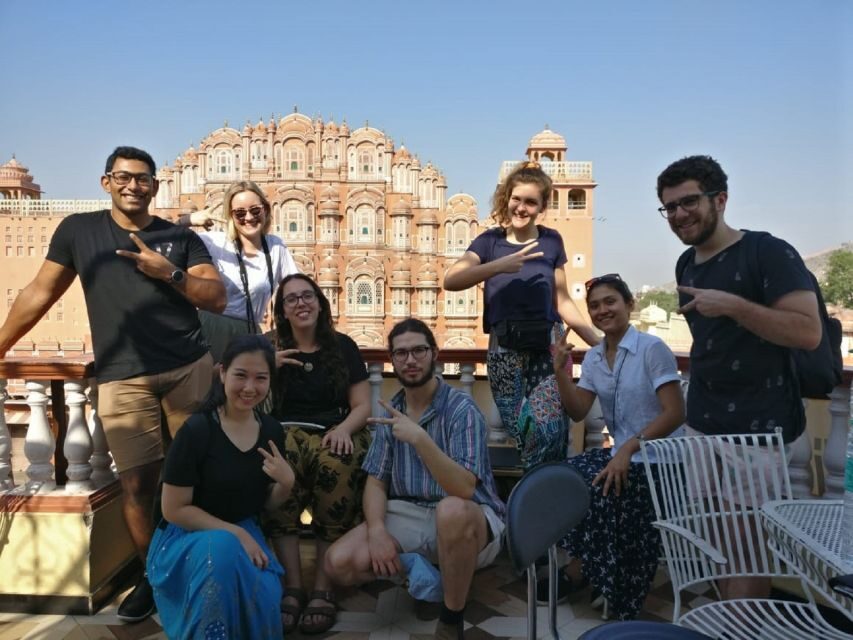
This is one of those stops that makes you feel like you stepped one layer deeper into Jaipur. A traditional sword shop isn’t just an object lesson; it’s a sign of how craft and trade persist in the old city. Seeing a maker’s workspace (and hearing the story behind it) helps you understand that Jaipur isn’t only museums and monuments.
Then there’s the highlight that will stick with you: a 150-year-old working camera. That detail matters. It turns the idea of heritage into something you can almost touch. The focus here isn’t on owning antiques; it’s on continuity—skills and tools that keep functioning even as the city changes around them.
If you like photography or history of technology, this stop can be extra satisfying. Even if you don’t, it’s a good reminder that “old” doesn’t always mean “gone.” It can mean still in use.
Walking paths once used by royal priests: reading the city’s layout
This part of the tour is about how Jaipur was organized. You’ll walk through historic paths once used by royal priests and pass by centuries-old buildings where priests once lived. That gives you a different mental map of the Pink City. Instead of thinking only in terms of monuments, you start noticing the logic of neighborhoods and the routes people likely took.
It also helps explain why you see temples, small religious spaces, and heritage buildings concentrated in certain areas. Religious life shaped movement, and movement shaped where communities built and stayed. When your guide ties the lanes to that story, the streets feel less random.
If you’re worried about comfort, this is where your shoe choice matters most. Old city walking can be uneven. Go with shoes that grip and allow some cushion, and keep water handy. Your guide may include local breaks—one recent outing even had masala tea mid-tour as a simple energy reset—so you’ll want to be ready for a short stop if it comes up.
You can also read our reviews of more tours and experiences in Jaipur

Sawai Man Singh Town Hall: when a landmark has a job
Sawai Man Singh Town Hall is the kind of structure that can look impressive without explaining itself. On this tour, it’s treated like more than a photo spot. Your guide should connect what you’re seeing to how the city functioned—how public architecture communicated power, administration, or social organization.
This stop is also a nice breather between more intense temple and UNESCO moments. It’s an anchor that helps you keep track of where you are in the city. After the “priest paths” segment, Town Hall gives you a sense of broader civic life, not only religious life.
Practical note: depending on the day and flow, you might view certain places from outside only. That’s normal on a walking route, and it still works if your guide points out what to look for. If you’re someone who gets frustrated without indoor access, set your expectation early and focus on observation and explanation instead.
Jantar Mantar (UNESCO) without the ticket surprise
Jantar Mantar is a UNESCO World Heritage Site, and this is where Jaipur’s intellectual side shows up in stone. Your guide should help you understand what the instruments are for and why this site matters. Even from a walking perspective, it’s a stop that changes how you think about the city.
One key cost consideration: entrance fees aren’t included. So budget for monument entry if required. It’s a common “gotcha,” and knowing it upfront keeps the tour value calculation honest. The tour itself is priced reasonably, but you may still need to add a separate entry fee for the sites on your route.
How to get the most out of Jantar Mantar during a short guided window: don’t rush. Listen first, then look. Let the explanation land before you start scanning details. If you try to read everything at once, the instruments can become visual clutter. A good guide helps you pick what matters and why.
Shiva and Krishna temples maintained by priests for generations
The tour ends this part of the story with a spiritual focus: you’ll visit a historic Shiva Temple and a Krishna Temple maintained by the eighth generation of a family of priests. That generational detail is what makes these stops feel real rather than staged.
What I like about this segment is the way it turns “temple visiting” into something specific. Instead of generic explanations, you get a sense of continuity—how a family maintains a place, how ritual life stays connected to daily practice, and how the temple isn’t only a sightseeing object.
If you’re respectful about sacred spaces, this is often the most meaningful part of the walk. Dress and behavior matter, and you’ll likely get guidance from your guide on what’s appropriate in the space you’re entering or passing through. Even if you’re not deeply religious, these moments can help you understand what people do here beyond tourism.
The ending at Golcha Cinema and what to do next
The tour finishes at Golcha Cinema. This is a smart ending for your practical day-plan. You’re placed back in a recognizable center area where it’s easier to grab a snack, continue exploring on foot, or arrange your next transport without feeling like you’re stranded at the far edge of the old city.
If you want to build on what you just learned, use the guide’s local tips immediately. Ask for one or two next stops that fit your interests: more temples, markets, or architecture. A good guide won’t just send you to the next famous thing—they’ll point you toward what matches the kind of Jaipur you want.
If the heat is still strong when you finish, keep the momentum flexible. You’ve already covered a lot of ground and meaning. Now you can slow down and choose your remaining time with more confidence.
Price and value: what $14 gets you, and what it doesn’t
At $14 per person for a 2-hour guided walking tour, the value is fairly strong—especially because you’re not just getting a walk. You’re getting a storyteller/guide with English and Hindi, plus local recommendations and access to hidden lanes and lesser-known places.
Here’s what you should count into your budget:
- Entrance fees are not included for monuments.
- A water bottle isn’t included, so bring your own or plan to buy one.
- Food and drinks aren’t included unless mentioned, though a mid-tour tea pause may happen depending on the guide’s flow.
So the real question is whether you want a guide’s interpretation. If you enjoy connecting dots—architecture, lanes, temples, and daily trade—this price makes it easy. If you already know all the theory and you just want a self-guided checklist, you might feel it’s more than you needed.
But if you want your time to feel organized and explanatory, $14 is the kind of cost that doesn’t feel like a financial leap. It feels like buying your way into understanding.
Who should book this tour (and who might want to rethink it)
This tour is a good fit if:
- You want the Pink City beyond the obvious photo stops.
- You like learning through walking—small streets, then big meaning.
- You want a guide who can explain architectural significance, UNESCO context, and temple life.
- You enjoy heritage that’s still working, like the sword shop and the 150-year-old camera.
It may be less ideal if:
- You hate walking moderate distances in warm weather.
- You need mostly indoor stops or full monument access with fees included.
- You’re the type who gets upset if a meeting point is adjusted on the ground—so double-check your exact meetup location.
Guide quality can also be a factor. In one case, a guide named Gajendra was praised for arriving on time and having strong English, along with a lot of Jaipur culture and history knowledge. In another case, a guide named Yash had meeting-time friction and the tour ran short, which made some people feel they didn’t get the expected value. That doesn’t mean your experience will be like that, but it is a reminder to stay alert: if timing matters a lot to you, confirm details and start on time.
Should you book the Jaipur 2-Hour Cultural Walking Tour?
I’d book it if you want Jaipur to feel like a place, not a checklist. The route mixes Hawa Mahal, UNESCO at Jantar Mantar, working heritage stops, and temples maintained by priests across generations. That combination is exactly what helps you understand why Jaipur looks the way it does.
I’d skip or approach cautiously if you’re not comfortable with moderate walking, or if you dislike paying separate entrance fees after booking. Also, do yourself a favor: confirm the meetup spot near Hawa Mahal so your first 10 minutes are smooth rather than stressful.
For the price, you’re buying a guide-driven route with a story focus. If that matches your travel style, this is one of the easiest ways to turn a couple of hours in Jaipur into a day you remember for reasons beyond photos.
FAQ
Where is the meeting point?
Meet your guide at Wind View Cafe in front of Hawa Mahal.
How long is the tour?
The tour is 2 hours and is a walking experience through old city areas.
What languages are available?
The live tour guide is available in English and Hindi.
What’s included in the price?
It includes a friendly storyteller/guide, local tips and recommendations, and access to hidden lanes and lesser-known places.
What isn’t included?
Hotel pickup and drop-off, a water bottle, entrance fees to monuments, and food and drinks (unless mentioned).
What should I bring?
Bring comfortable shoes, sunglasses, a sun hat, and water.