REVIEW · NEW DELHI
Half day Heritage Food Walk & Spice Market at Old Delhi – Premium Tour
Book on Viator →Operated by The Bike Tribe · Bookable on Viator
Old Delhi food hits fast. You start on snack mode, then history keeps pulling you forward. This premium half-day walk threads Old Delhi heritage with street tastings, spice-market sights, and a couple of key stopovers where the setting matters as much as what you eat.
Two things I like right away: the focus on chaats and street-food variety (not just one snack), and the way the route layers in real places you can picture later, from Gurudwara Sis Ganj Sahib to Khari Baoli. If you want context while you taste, you should fit right in.
One drawback to plan for: you need to be comfortable with crowds, tight lanes, and lots of food smells in the heat. You’ll also want to show up hungry, because the tour is built to keep you eating.
In This Review
- Key highlights you should care about
- Price and value: what $28 buys you in Old Delhi
- Starting at Connaught Place: how the meeting point sets your day up
- Food plan reality: chaats, desserts, beverages, and parathas (how it feels)
- Gurudwara Sis Ganj Sahib: a shrine you pass through with the right context
- Pasar Chandni Chowk: the half-moon square and the water-channel story
- Khari Baoli: Asia’s largest wholesale spice market in plain sight
- Naughara (Row of Nine Houses): why the name matters on foot
- What the guide experience adds (Joe’s impact)
- Timing and getting comfortable: wear smart, eat calm
- Route logistics: private-group format and public-transit friendly ending
- Who should book this Old Delhi heritage food walk
- Should you book? My practical take
- FAQ
- How much does the Half Day Heritage Food Walk & Spice Market cost?
- How long is the tour?
- What are the start and end points?
- What’s included in the price?
- Is hotel pickup and drop-off included?
- Is this a private tour?
Key highlights you should care about
- Chaat-first route: you’ll start with iconic handheld-style bites, plus the guide’s practical help on how to eat them
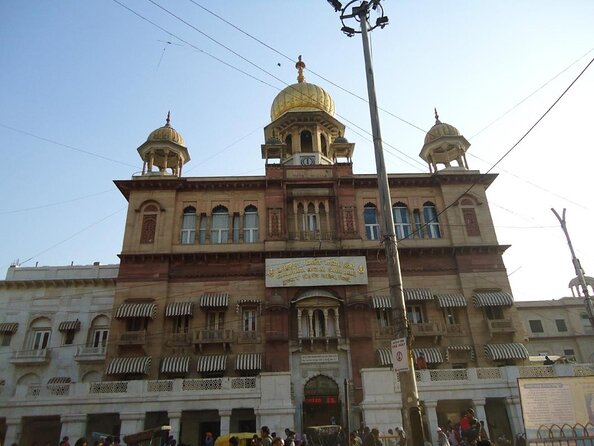
- Gurudwara Sis Ganj Sahib stop: a significant Sikh shrine located right in the Chandni Chowk area
- Khari Baoli spice market: Asia’s largest wholesale spice market, focused on real ingredients, not souvenirs
- Chandni Chowk structure and history: Pasar Chandni Chowk is tied to the old half-moon square and water-channel story
- Naughara (Row of Nine Houses): a small lane with an origin story that’s fun to learn on foot
- Private-group vibe: only your group participates, and the guide can keep your pace
Price and value: what $28 buys you in Old Delhi
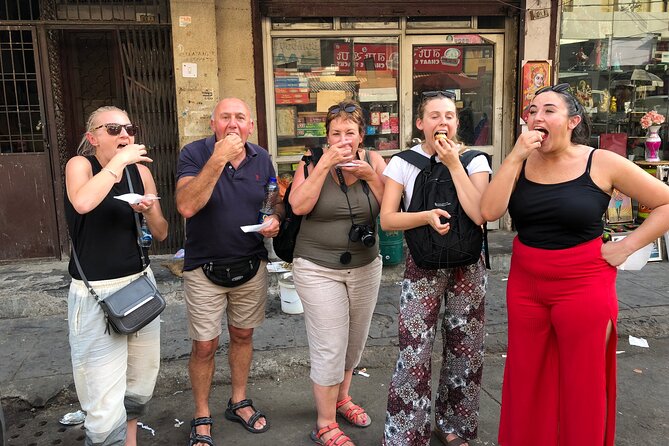
For $28, this tour is priced like a smart “starter day” for Old Delhi. You’re not paying just for walking. You’re paying for a food guide who matches snacks to the route and for included items that keep your day from turning into an add-on expense.
Here’s what’s explicitly included: coffee and/or tea, bottled water, snacks as part of a guided street-food program, all fees and taxes, and dinner. That matters because Old Delhi can be pricey if you’re guessing and buying everything one by one. With a set plan, you’ll spend less time negotiating menus in your head and more time eating and learning.
You should also know what is not included: transport like hotel pickup and drop-off. The start is at Connaught Place, and the finish is near Chandni Chowk Metro. If you’re arriving or leaving by taxi or metro, plan a simple route so the day feels relaxed instead of rushed.
You can also read our reviews of more tours and experiences in New Delhi.



Starting at Connaught Place: how the meeting point sets your day up
The tour begins at a familiar landmark: Starbucks coffee at A Block, Palika Parking, Radial Road Number 2, next to Hamilton House, Palika Bazar, Connaught Place. The choice is practical. It’s easy to find, especially if you’re using public transit or meeting a group in the central area.
The ending point is also practical: Chandni Chowk Metro Station. That’s a real advantage if you want to keep your day efficient. You don’t have to backtrack across the maze just to get transportation.
One thing to consider: because you’re starting in Connaught Place and ending in Old Delhi, make sure your return plan matches the finish location. If you’re heading to the airport or a hotel, your best option is usually to plan for Chandni Chowk as your exit.
Food plan reality: chaats, desserts, beverages, and parathas (how it feels)
Old Delhi is famous for food, but this tour is structured so you don’t just taste randomly. The idea is to walk into Chandni Chowk and build a chain of flavors, starting with chaats.
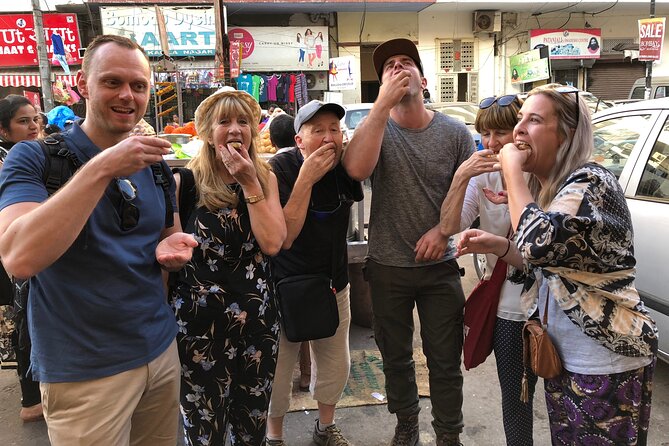
Chaats matter because they’re not one dish—they’re a style. The tour’s description leans into the classic “lick” concept of chaat (the word is tied to eating with your fingers). That’s exactly why the guide recommends using a spoon. It’s a small detail, but it changes the whole experience. You’ll be less stressed about how to hold food, and you can focus on texture and spice.
From there, the route is set up to include desserts, beverages, and parathas. In other words, you’re not only eating savory street snacks. You’ll likely get a rhythm: crunchy and tangy → something sweet → a warm or cooling drink → a more filling bite. That mix is why this tour can feel like a proper food day even when the time window is only a half day.
Also, bottled water and tea/coffee are included. That’s not a throw-in. It helps you pace tastings, especially in warmer conditions when you’re walking and eating back-to-back.
Gurudwara Sis Ganj Sahib: a shrine you pass through with the right context
Stop one is Gurudwara Sis Ganj Sahib in the heart of Chandni Chowk. This isn’t a roadside stop meant for quick photos. It marks the exact site connected to Guru Tegh Bahadur’s execution in 1675. Even if you only know a little Sikh history, the place gives the story weight.
What I like about starting here is the contrast. You’re in a marketplace area, with snack energy in the air, but the shrine pulls the day into a respectful pause. It’s a reminder that Old Delhi isn’t only food and commerce. It’s also places where major religious history played out.
The tour includes admission here, and you’re allotted about 40 minutes. That’s long enough for a calm look without turning it into a museum-style appointment. If you’re the type who likes meaning behind the scenes, this stop is one of the strongest parts of the route.
Pasar Chandni Chowk: the half-moon square and the water-channel story
Next comes Pasar Chandni Chowk, the original Chandni Chowk area described as a half-moon-shaped square. It’s tied to a story about moonlight reflecting in a pool and a shallow water channel that ran from the Yamuna river. Even if the city has changed a lot since those early layouts, the description helps you see the geometry of the place.
This is also where the tour’s walking makes sense. Chandni Chowk is layered. You’ll likely notice how lanes open and narrow, how sightlines shift, and how markets are designed to keep foot traffic moving. A food walk works best when the route connects the eating to the street layout.
The time here is long—about 3 hours—and the stop is free in terms of admission. That means most of your time in this area is about the food rhythm and street experience rather than entering paid sites. If you’re someone who gets impatient with long sightseeing-only blocks, this stop is built to keep your attention by pairing movement with tastings.



Khari Baoli: Asia’s largest wholesale spice market in plain sight
Then you hit Khari Baoli, a street known for wholesale grocery trading and for selling spices, nuts, herbs, and food products like rice and tea. The tour calls it Asia’s largest wholesale spice market, and the big idea is that you’re seeing ingredients at the source level.
This is one of those stops where a food tour becomes something more than a snack parade. When you look at the spice stacks and smell the mixes, you start to understand why the chaats taste like they do. You’re not just eating a flavor. You’re learning where flavors come from.
You’re allotted about 45 minutes, and admission is free. That’s a good amount of time because spice markets can be overwhelming fast. With a guide, you’ll be less likely to get stuck in the chaos or miss the interesting food-side details.
Practical tip: go slow with your senses. Spices hit hard—smell, color, and texture all at once. It’s part of the attraction, but it can also make you want to rush. Let the group pace set you up for good tasting later.
Naughara (Row of Nine Houses): why the name matters on foot
The final listed stop is Naughara, the Row of Nine Houses. The name is explained in two ways: it can mean nine homes (nau ghar), and there’s also a conflicting origin that links it to nine pots (nau ghara) of water kept for travelers. Either way, the point is the same: this lane has a story you can feel.
It’s a short stop, about 30 minutes, and admission is included. This is the kind of place where time spent quietly walking helps more than taking rapid photos. You’ll likely notice how narrow lanes create that Old Delhi “you can’t help but keep moving” feeling. The stop gives you a break from bigger market areas while still staying inside the real street web.
This is also where the day’s food experience can start to settle into memory. The last tastings and the end-of-walk mood line up with these smaller lanes, so the stories stick.
What the guide experience adds (Joe’s impact)
One reason people come back from this type of food tour happy is the guide. In this case, the guide’s role shows up clearly. One guide name you should know is Joe, and the descriptions emphasize how he brings stories, history, and fun into the snack plan.
That matters because Old Delhi can be confusing if you’re trying to navigate alone. A good guide does more than point at stalls. He helps you understand what you’re eating, where you are, and how the street fits together. If you’ve ever felt like you’re just tasting without learning anything, you’ll probably enjoy this format more.
You’ll also see practical support in how the group moves and even how to manage metro navigation at the end. That’s a quality-of-life win. You can stop thinking about routes and start thinking about food and photos.
Timing and getting comfortable: wear smart, eat calm
The tour duration is listed as 3 to 5 hours. That’s a short window, but it’s also enough time to get a real mix: chaats at the start, plus desserts, beverages, and parathas as the day progresses, and then the historical stops along the way.
Because you’ll be walking in crowded lanes, plan your body basics:
- Wear comfortable shoes that can handle uneven pavement.
- Think about water and heat. Bottled water is included, but your body still needs patience.
- If you’re sensitive to spice, don’t stay silent. The tour is a guided food plan, and you can adjust with your guide in the moment.
Also, since the plan includes eating items designed for fingers, the spoon recommendation is not a gimmick. It’s genuinely helpful if you’d rather avoid awkwardness. You can enjoy chaats without feeling like you’re “doing it wrong.”
Route logistics: private-group format and public-transit friendly ending
This is a private tour/activity, meaning only your group participates. That matters if you want a more personal pace and fewer delays from strangers. It also matters for questions. You can ask about spice levels, food history, or what you’re actually tasting without the tour guide trying to manage ten different conversations at once.
The tour is near public transportation, and the finish at Chandni Chowk Metro helps you leave easily. What you should not assume is hotel pickup. Transport isn’t included, but it can be arranged on prior notice. If you prefer not to think about it, contact in advance and line up your start and end movement.
And one more thing: it uses a mobile ticket. Bring it up on your phone and keep it handy at the meeting point.
Who should book this Old Delhi heritage food walk
This tour fits best if you:
- Want a focused way to eat in Old Delhi without turning your day into constant decision-making
- Like food plus history stops, not only one or the other
- Appreciate spice-market context and want to connect ingredients to the snacks
- Prefer a private, guide-led group experience with a clear start and finish
It’s also good for first-time Old Delhi visitors who want structure. If you’ve already eaten your way through the area and want a different kind of day—one that explains how the city’s food connects to its street layout and markets—this is still a solid option.
If you hate crowds or have trouble with lots of walking, be cautious. This is street-level and sensory-heavy by design.
Should you book? My practical take
Book it if you want a single, organized morning or afternoon that blends chaats, spice-market sights, and meaningful stops without you needing to map every lane. The included tea/coffee, bottled water, admission at key points, and dinner are real value boosters for $28.
Skip it or adjust expectations if you’re not comfortable in busy markets or you prefer a slower pace with fewer food servings. This tour is built around tasting repeatedly, not just sampling one or two items.
If you book, go in with one mindset: let the guide run the plan. The best part is that you’ll finish the day understanding what you ate and why it belongs to this part of Delhi.
FAQ
How much does the Half Day Heritage Food Walk & Spice Market cost?
The tour price is $28.
How long is the tour?
The duration is listed as about 3 to 5 hours.
What are the start and end points?
You start at Starbucks coffee in Connaught Place (A Block, Palika Parking, Radial Road Number 2). You end at Chandni Chowk Metro Station.
What’s included in the price?
Coffee and/or tea, bottled water, all fees and taxes, snacks (street-food style), a special food tour guide, and dinner are included.
Is hotel pickup and drop-off included?
No. Transport like hotel pickup and drop-off isn’t included, but it can be arranged on prior notice.
Is this a private tour?
Yes. It’s a private tour/activity, so only your group participates.