REVIEW · NEW DELHI
Golden Triangle tour with Khajuraho and Varanasi tour
Book on Viator →Operated by Ghum India Ghum · Bookable on Viator
Sunrise at the Taj, then temples and river rites. This is a rare combo: Golden Triangle + Khajuraho + Varanasi in about 10 days, with sunrise Taj Mahal and a Khajuraho temple day that people talk about for good reason. I like that it’s paced as a real route (Delhi to Jaipur to Agra, then onward), not just a checklist of stops. I also like the built-in rhythm: daily breakfast plus guided sightseeing days that help you avoid the guesswork. One thing to plan for: monument entry fees and some flight legs are not included, so the final cost usually rises after booking.
I also appreciate the basic comforts baked in. You get airport pickup and drop, private air-conditioned cab time during the route, and an English-speaking guide for the main sightseeing days in Delhi, Agra, Jaipur, Khajuraho, and Varanasi. It’s private (only your group), which makes it easier to move on your own pace when the schedule gets full.
In This Review
- Key things I’d watch for before you book
- Why this Golden Triangle + Khajuraho + Varanasi route feels different
- Day 1 arrival: getting oriented in Delhi without stress
- Delhi sightseeing on Day 2, then the long push to Jaipur
- Jaipur: Amer Fort and Jal Mahal in a full day
- Agra: UNESCO Agra Fort and the Mughal-city mood
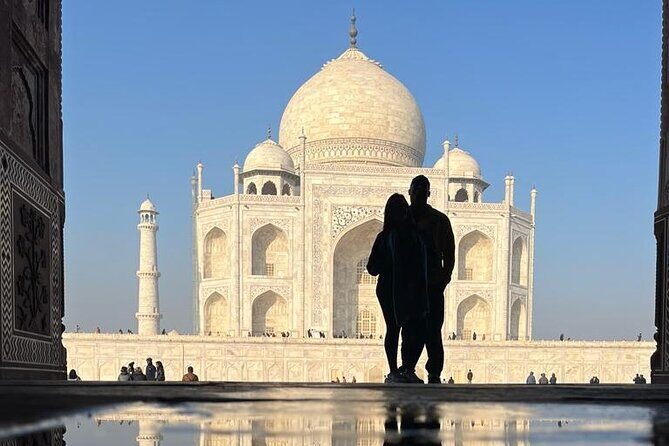
- Taj Mahal at sunrise: worth the early start
- Orchha stop: when the route adds a quieter, older-feeling detour
- Khajuraho: UNESCO temple groups and the famous carvings
- Flight to Varanasi: Annapurna Devi, Varanasi sightseeing, and river energy
- Sarnath and the optional subah-e-banaras sunrise boat
- Back to Delhi on Day 9: a rare breather before flying home
- Day 10: depart with monuments on your camera and your brain
- Price and value: what $933.34 covers, and what you should budget for
- Who this tour suits best
- Guides and service quality: the human touch shows up
- Should you book this Golden Triangle + Khajuraho + Varanasi tour?
- FAQ
- How long is the tour?
- Is pickup offered when I arrive in India?
- What meals are included?
- Are monument entry fees included?
- Are flights between Khajuraho and Varanasi included?
- Are flights from Varanasi back to Delhi included?
- Will I have an English-speaking guide?
- Do you offer vegetarian options?
- Is there a minimum group size?
- Can I cancel for a full refund?
Key things I’d watch for before you book
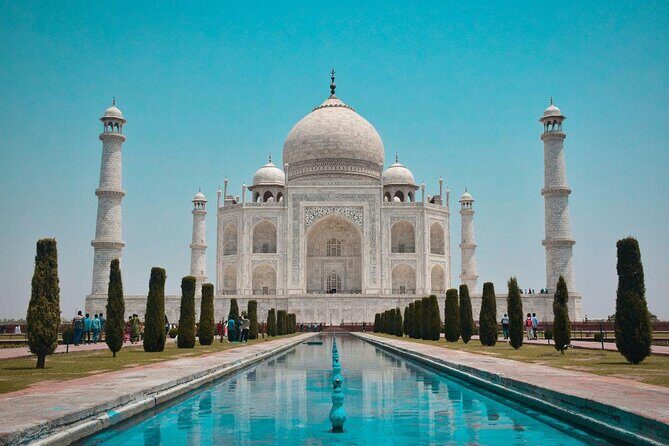
- Sunrise Taj Mahal timing: you start early, but that’s the whole point of the Taj experience
- Khajuraho’s UNESCO temple groups: Eastern and Western temple areas get proper attention
- Ganga Aarti on the Ganges: it’s included, and it’s a different kind of India than forts and palaces
- Private transport + expert guides on key days: fewer logistics headaches across multiple regions
- Costs that can add up: entry fees and the Khajuraho–Varanasi and Varanasi–Delhi flight costs are not included
Why this Golden Triangle + Khajuraho + Varanasi route feels different
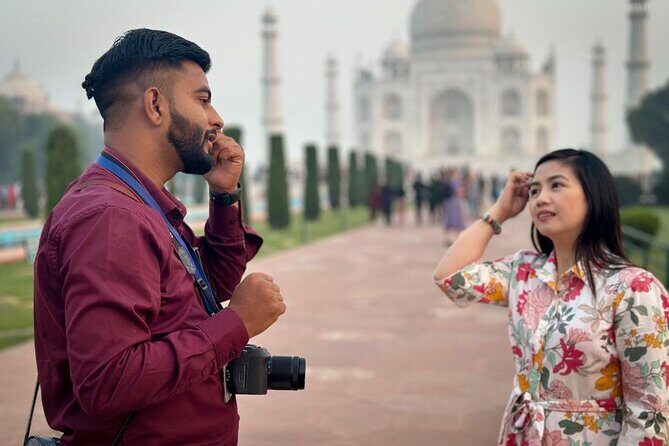
Most Golden Triangle trips stop at the big trio and call it a day. This one keeps going, adding Khajuraho’s temple carvings and then ending in Varanasi for the Ganges rituals. That extra leg turns your trip from history photos into something more sensory and human.
I also like the logic of the itinerary. You’re not just bouncing around randomly; you’re moving through regions in a way that makes sense for time and travel (including an included Agra-to-Jhansi AC train segment that lines up with the route toward Orchha). You can feel the intention: see the famous stuff, then add the places that slow you down.
The vibe is not a fancy-and-fast vacation. It’s a packed cultural route with long days, early starts, and tight connections between cities. If you like your travel to feel organized and structured, this works well.
You can also read our reviews of more tours and experiences in New Delhi.


Day 1 arrival: getting oriented in Delhi without stress
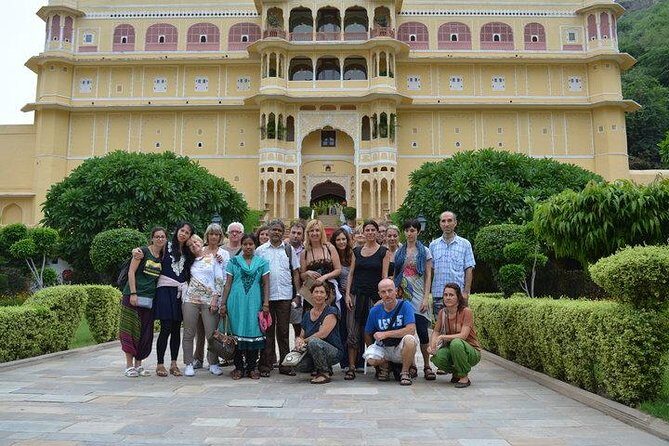
On arrival at Indira Gandhi International Airport, you’ll be met after immigration and welcomed before getting dropped at your pre-booked hotel. That kind of meet-and-greet matters because Delhi traffic can turn a simple arrival into a late-night headache.
Even though day one is straightforward, it sets expectations for the rest of the trip: there’s a plan, and someone is there to guide you through the first handoff.
Delhi sightseeing on Day 2, then the long push to Jaipur
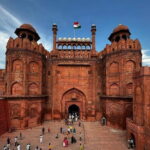
Day 2 is labeled as longer, so treat it like a real start-of-trip workout. You begin around 8am with a Delhi monuments program that includes Old Delhi sights such as Birla Temple, Raj Ghat, and Chandi Chowk. You’ll drive past Red Fort as part of the route, then continue on to Jaipur for an overnight.
What I like here is that you see multiple sides of Delhi in one morning: a formal temple stop, a memorial stop at Raj Ghat, and then the intensity of Chandi Chowk. You get a sense of how the city layers its meanings, not just its monuments.
The drawback is stamina. Chandi Chowk and Old Delhi lanes can feel like sensory overload, and day two runs early and long. Wear comfortable shoes and plan for crowds.
Jaipur: Amer Fort and Jal Mahal in a full day
After breakfast, you get a full day in Jaipur focused on two big highlights. First is Amer Fort, described as the most famous and most visited fort of Rajasthan and a strong example of Hindu architecture. Then you head to Jal Mahal, located in the heart of the city.
Amer Fort is the kind of stop that rewards paying attention. You’ll get the best experience when you take your time and notice how the fort’s design works with the landscape and light. Jal Mahal gives you a contrast shot: a different kind of Jaipur beauty that’s more scenic than monumental.
One practical note: this day is about highlights, so you won’t have a leisurely wander through every corner of the city. If you want lots of shopping time or deep museum time, plan to treat Jaipur here as “great sights, then move on.”
Agra: UNESCO Agra Fort and the Mughal-city mood
On day four, you check out and head to Agra. The sightseeing stop includes Agra Fort, also described as a UNESCO world heritage site and one of the most famous monuments in the area, plus time to settle into your hotel afterward.
I like that Agra here is not just Taj Mahal. It gives you context: Mughal power didn’t live only at one white building. Agra Fort helps you understand the bigger architecture story behind the city.
Like many parts of India’s major sites, you should budget time for entry lines and security checks. Also, remember that monument entry fees are not listed as included, even if some segments of the schedule mention tickets as free. In practice, you’ll likely pay at least some fees on arrival.
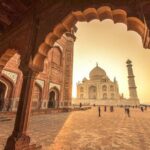

Taj Mahal at sunrise: worth the early start
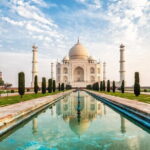
Day five is built around one moment: Taj Mahal at sunrise. The program calls it out as a must-do early experience, and it’s scheduled to let you arrive while the light is soft. It’s listed as one of the Seven Wonders of the World and includes background that it was built in 1653 by a Mughal emperor.
I love sunrise for one simple reason: the Taj looks different. The marble changes as the light shifts, and you don’t feel like you’re fighting the midday crowd energy.
This is also where you should plan your morning smart. Eat breakfast (included daily) before you head out, bring sun protection, and keep your camera ready but not glued to it. Sunrise is short, so the best strategy is to watch with your eyes first, then shoot.
Orchha stop: when the route adds a quieter, older-feeling detour
After Taj Mahal, your schedule shifts toward Orchha. On arrival, sightseeing includes Rajmahal with beautiful murals, plus stops at Laxmi Narayan Temple and Jahangir Mahal, built in the 17th century.
Orchha adds a different pace to the trip. Golden Triangle days can feel like a nonstop parade of famous names, but Orchha is more about mood and detail: murals, temple forms, and a sense that you’re seeing something less staged for the biggest tour routes.
There’s also a logistics clue in what’s included. Your package includes Agra to Jhansi AC train tickets, which fits the onward travel toward Orchha after Agra. That’s usually a smoother way to handle this stretch than relying only on roads.
Khajuraho: UNESCO temple groups and the famous carvings
Day six brings you to Khajuraho after breakfast. You’ll focus on the Eastern and Western group of temples, both listed as UNESCO world heritage sites. The highlights also specifically call out the famous Kamasutra temples of Khajuraho, known for their sculpted erotic themes.
I like this part of the trip because it’s a change in language and style. You’re moving from palaces and tombs into temple art, where the stories are carved into stone. If you enjoy symbolism and craftsmanship, this will feel like a rewarding cultural pivot.
The practical side: Khajuraho temple grounds often mean walking on uneven surfaces and spending time outdoors. Dress smart casual (as suggested) and bring something for sun and hydration.
Flight to Varanasi: Annapurna Devi, Varanasi sightseeing, and river energy
After breakfast on day seven, you check out and get dropped to the Khajuraho airport for a flight to Varanasi. On arrival, you’ll be greeted and taken for Varanasi sightseeing, including stops at Annapurna Devi and another Vishwa temple site listed in your program. The itinerary also promises a Ganga Aarti ceremony on the Ganges during your Varanasi days.
Important money note: the flight costs between Khajuraho and Varanasi are not included, even though the itinerary uses that flight. So you’ll want to budget that separately when you estimate your real total trip cost.
Varanasi is not a place that feels like museums. Even when you’re only moving between planned stops, you’ll sense how daily life and religion mix on the river edge. That makes it exciting, but it also means the senses can run hot and crowded.
Sarnath and the optional subah-e-banaras sunrise boat
Day eight focuses on Sarnath, plus an optional early-morning add-on. The plan mentions a sunrise boat trip called subah-e-banaras (Sunrise of Varanasi), which lets you watch sunrise and see historical ghats from the water. You can also enjoy a sense of the traditions through the boat experience.
I’d call this the most personal-feeling day option in the whole trip. Even if you skip the boat, your day is still geared toward early energy and meaningful sites around Varanasi.
Be realistic about the choice. Sunrise activities are great, but they’re also early. If you’re the type who needs sleep to function, choose your start time carefully. You can still enjoy Sarnath without the boat.
Back to Delhi on Day 9: a rare breather before flying home
Day nine is built around travel and recovery. You check out, get dropped to Varanasi airport, then on arrival in Delhi you’re picked up and dropped at your hotel. The rest of the day is free for relaxation, with an overnight in Delhi.
This free time is valuable. After days of moving, you’ll want a chance to decompress, do laundry if needed, and decide what last photos you still want. It’s also the buffer that helps if any earlier days run long.
Day 10: depart with monuments on your camera and your brain
On day ten, you check out after breakfast and get dropped to the Delhi international airport. The trip wraps up with the usual promise: you’re heading home with memories of India’s monuments and culture.
That last morning is not about rushing. It’s about leaving with your schedule back under control for a change.
Price and value: what $933.34 covers, and what you should budget for
At $933.34 per person for about 10 days, this can be good value if you want organization plus real guidance across multiple regions. What’s included is meaningful: nine nights of accommodation, daily lavish continental breakfast, a packed water bottle daily, airport pickup and drop, private air-conditioned cab time for sightseeing stretches, and professional English-speaking guides for Delhi, Agra, Jaipur, Khajuraho, and Varanasi on the listed day(s).
You’re also getting one included dinner, plus all parkings, tolls, inter-state taxes, driver allowance, and hotel taxes. That’s the kind of “small stuff” that can quietly inflate costs on budget trips.
Now the big “read this carefully” part. Entry fees to monuments and palaces are not included, and the flight costs for Khajuraho–Varanasi and Varanasi–Delhi are also not included. So your final price can be higher than the headline total once you add those. Also, anything not listed in inclusions counts as extra.
My practical take: if you’re comfortable budgeting entry fees and flights separately, this package looks like a solid middle-ground between DIY chaos and luxury-only travel.
Who this tour suits best
This tour fits you if you want a structured route and you like seeing several cultural styles in one trip. It works well for first-timers to India who prefer drivers and guides to handle the moving parts, and for couples or small groups who want a private setup.
It’s also a good match if you care about specific highlights: Taj Mahal at sunrise, Khajuraho temple art, and a Ganga Aarti ceremony on the Ganges.
If you hate early mornings, or you want long free time in each city, you might find the pace intense. This is built to move.
Guides and service quality: the human touch shows up
One reason this package earns strong feedback is that the guiding is specific and professional. In Varanasi, named guides like Pradesh and Niwass were singled out for excellence, and in Agra, Mr. Tarun Joshi and Rajesh were also praised for being professional.
That matters because you’re visiting places with complex meaning and lots of small rules. A good guide helps you move efficiently, understand what you’re seeing, and avoid wasting time.
Should you book this Golden Triangle + Khajuraho + Varanasi tour?
I’d book it if you want a trip that goes beyond the usual Golden Triangle script and finishes with Varanasi’s river rituals. The combination of sunrise Taj Mahal, UNESCO Khajuraho temple groups, and an included Ganga Aarti ceremony gives you three different kinds of “India moments” without needing to plan every handoff yourself.
I’d hesitate if you’re counting tightly on the headline price and you hate adding costs later. With monument entry fees and key flight legs not included, you need to budget those from the start. Also, expect long days and early starts, especially the Taj Mahal morning and the Delhi schedule.
If you can handle that, this tour offers a lot of cultural payoff for the money, with private transport and guides doing the heavy lifting.
FAQ
How long is the tour?
The tour is listed as 10 days (about 9 nights), covering Delhi, Jaipur, Agra, Orchha, Khajuraho, and Varanasi.
Is pickup offered when I arrive in India?
Yes. There is an airport pick-up included for the arrival day, and you’ll also have airport drop-offs on the travel days listed in the itinerary.
What meals are included?
Daily lavish continental breakfast is included. The package also includes one dinner, and it mentions a packed water bottle daily per person.
Are monument entry fees included?
No. Entry fees to monuments and palaces are not included.
Are flights between Khajuraho and Varanasi included?
No. The flight cost between Khajuraho and Varanasi is listed as not included. The itinerary includes that flight segment, so you’ll need to budget it separately.
Are flights from Varanasi back to Delhi included?
No. The Varanasi to Delhi flight cost is also listed as not included.
Will I have an English-speaking guide?
Yes. The package lists professional English-speaking tour guides for Delhi, Agra, Jaipur, Khajuraho, and Varanasi for the sightseeing days included.
Do you offer vegetarian options?
Yes. Vegetarian option is available, and you should advise requirements at booking.
Is there a minimum group size?
Yes. A minimum of 2 people per booking is required.
Can I cancel for a full refund?
You can cancel up to 24 hours in advance for a full refund. If you cancel less than 24 hours before the start time, the amount paid will not be refunded.