REVIEW · JAIPUR
Cyclin’Jaipur – Pink City Heritage walking Tour
Book on Viator →Operated by CyclinJaipur · Bookable on Viator
Jaipur rewards curiosity more than checklists. This walking tour threads you through royal sights and everyday bazaars in just 3 hours. You start at Hawa Mahal, then move into City Palace, a temple for Hindu prayer, and the vegetable and flower markets before ending in the craft lanes where artisans still make things by hand.
What I like most is how practical it feels: you’re not just seeing landmarks, you’re learning how Jaipur runs day to day. I also like the small group size (up to 8), which keeps the pace human and makes it easier to ask questions—especially since guides like Viru (Virendra), Raju, Sid, and Parveen have earned strong praise for keeping things clear and fun. One thing to consider: there’s a dress code and a steady walking pace for about half a day, so comfortable shoes matter, and no sleeveless or short pants.
In This Review
- Key things to know before you set off in Jaipur
- Why a Pink City walk beats doing Jaipur on auto-pilot
- Starting at Hawa Mahal, then walking into royal Jaipur at City Palace
- The temple stop: what to watch for during the Hindu prayer ceremony
- Vegetable and flower markets: where you see Jaipur’s everyday logic
- Craft lanes and artisans: marble carving, metal work, and more
- Snacks, tea, and the small comforts that keep the tour enjoyable
- Price and value: is $18.50 a fair deal for Jaipur?
- Group size, guides, and why you’ll feel “looked after”
- Who this tour fits best (and who should think twice)
- Practical tips so the route feels easy, not stressful
- Should you book this Jaipur Pink City Heritage walking tour?
- FAQ
- How long is the Cyclin’Jaipur Pink City Heritage walking tour?
- Where does the tour start?
- What time options are available?
- What is included in the price?
- Is hotel pickup and drop-off included?
- How big is the group?
- What should I wear?
- What if my plans change—can I cancel?
Key things to know before you set off in Jaipur
- Meet at Hawa Mahal: you begin right where Jaipur’s story is easiest to picture.
- A temple visit with prayer: you’ll have a chance to watch a Hindu prayer ceremony as part of the route.
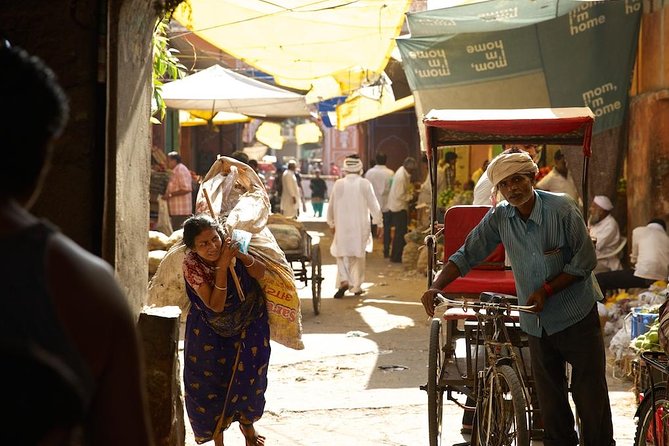
- Vegetable wholesale market + flower market: you’ll see goods moving and hear the rhythm of local life.
- Craft-focused final stretch: learn about traditional work in marble carving and metal crafts.
- Small group (max 8): it’s easier to navigate narrow lanes and keep the guide-to-you ratio friendly.
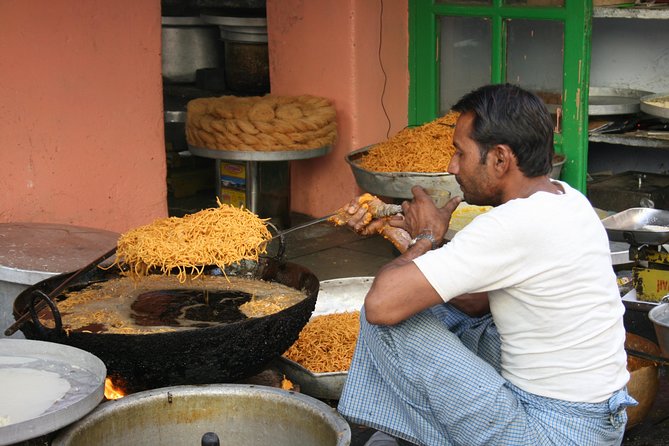
- Snacks and drinks included: water, snacks, plus coffee and/or tea keep you fueled for the walk.
Why a Pink City walk beats doing Jaipur on auto-pilot
Jaipur can feel like a blur if you only chase the biggest photo spots. This tour is built for the way the city actually feels: start with the iconic pink façade, then shift into daily movement—shops, prayers, and the workshops where people make objects you can name and understand.
I like that it’s designed for both first-timers and returning visitors. If it’s your first time, you get structure and context. If you’ve already seen the main sights, the market and craft sections are the kind of second layer that helps Jaipur click.
You also get morning or afternoon timing. That matters here, because markets and lanes feel different depending on the light and the crowds. Even if you’re not a “morning person,” that early start tends to make the city feel more real and less tour-shaped.
You can also read our reviews of more tours and experiences in Jaipur.



Starting at Hawa Mahal, then walking into royal Jaipur at City Palace
The tour begins with a meet-up at Hawa Mahal, where your guide sets the scene. From there, you walk into the City Palace complex and get a sense of Jaipur’s royal heritage without it turning into a museum lecture.
Here’s why I think this first segment works so well: it gives you an anchor. Hawa Mahal isn’t just a pretty façade—it’s tied to the way people lived, watched, and moved within the city’s historic power center. City Palace then gives you the broader royal frame, so later market streets and craft lanes don’t feel disconnected. They feel like the same city, just different gears.
Expect walking, not sprinting. The tour runs about 3 hours, so the pace stays manageable, but you’ll still be on your feet for the whole arc from the palace area into older lanes.
The temple stop: what to watch for during the Hindu prayer ceremony
One of the most memorable parts of this walk is the stop at a famous temple of Jaipur, where you can witness a Hindu prayer ceremony. This isn’t just “see a temple.” It’s timed to include a lived moment—chants, ritual movements, and the quiet focus people bring to worship.
If you’ve never watched a ceremony like this before, keep your expectations simple:
- Look with respect and stay aware of space around you.
- Don’t try to block anyone’s view.
- Watch patterns: the order of actions often tells you as much as any explanation.
This segment is also a reminder that Jaipur isn’t only a sightseeing city. It’s a living one. A good guide helps you read what you’re seeing—why the ceremony matters and what it symbolizes.
Vegetable and flower markets: where you see Jaipur’s everyday logic
After the temple, the route turns toward the markets. The highlight is a visit to the biggest vegetable wholesale market of Jaipur, followed by a flower market stop on the way.
This is where your eyes start doing extra work—in a good way. Wholesale markets aren’t designed for tourists. They’re designed for speed, freshness, and supply chains. That means you’ll notice:
- how produce is displayed and moved,
- the fast back-and-forth between sellers and buyers,
- and how color and scent shape the whole experience.
The flower market adds another layer. Flowers in markets aren’t just decoration. They connect to daily life and religious practice. Even if you don’t know the names of everything, the visuals and conversations make it easy to understand what’s happening.
I also like that your guide brings you through with context. Market walking is easy to do alone, but it’s easy to miss the meaning. A strong guide helps you notice what matters and explains what you’re seeing without turning it into a script.
Craft lanes and artisans: marble carving, metal work, and more
The final stretch heads toward the marble carver’s district, where you meet local artisans and hear about traditional methods. Based on what you’ll be shown, expect to encounter people working in areas like:
- sculptors,
- silversmiths,
- bangle makers,
- and metal workers.
This part is great because Jaipur crafts are not vague souvenirs here. You’re walking among the people who make the work. When the guide explains the process and the tools, the craft stops being a “nice thing” and starts becoming a real trade.
In particular, the workshop-style stops answer a question you might not even think to ask before arriving: how does something go from raw material to finished object? Even if you can’t picture every step, you’ll leave with a better sense of why the craftsmanship looks the way it does.



Snacks, tea, and the small comforts that keep the tour enjoyable
This tour includes bottled water and snacks, plus coffee and/or tea. On a 3-hour walk, that isn’t just a perk. It changes how you experience the whole day.
When you’re walking through markets, you’re exposed to heat, smells, and lots of stops. Having water ready keeps you from getting grumpy at the worst time. Tea also gives you a pause—time to regroup, ask questions, and watch how people interact around you.
If you like chai, this is the kind of route where tea feels like part of the rhythm, not a forced caffeine stop. It’s the kind of thing that makes the tour feel locally grounded.
Price and value: is $18.50 a fair deal for Jaipur?
At $18.50 per person for about 3 hours, this walk is positioned as an easy-value option. The biggest reason it feels worth it is that the tour mixes several things that would each take time on your own:
- getting the order of stops right (palace area → temple → markets → craft lanes),
- having a guide who can explain what you’re seeing,
- and keeping you moving efficiently through a small-group route.
Also, you’re not paying extra for refreshments. Water, snacks, and coffee and/or tea are included, which matters in a city where quick drinks and bites add up.
One more value point: the maximum group size is 8. That’s not a luxury detail. In older parts of Jaipur, smaller groups help you navigate without turning into a traffic jam of your own.
Group size, guides, and why you’ll feel “looked after”
This is a small tour—up to 8 travelers—and that shows in how guides can work with you. In the past, guides such as Viru (Virendra), Raju, Sid, Parveen, and Raju’s French-speaking ability have stood out for being attentive and professional.
What “attentive” means here is practical:
- you get explanations that actually help you understand what you’re seeing,
- you’re guided through busy areas with confidence,
- and you have someone keeping track of the group while you focus on the sights.
If you want a tour that feels calm instead of rushed, the small size is a big deal.
Who this tour fits best (and who should think twice)
This walking tour is a smart choice if:
- you’re new to Jaipur and want orientation fast,
- you want more than just monuments,
- you enjoy markets and crafts,
- and you like asking questions rather than just taking photos.
It’s also a solid fit if you’ve been to Jaipur before and want the day-to-day angle—market streets, workshop areas, and the temple moment.
Consider thinking twice if:
- walking for 3 hours at a moderate pace is hard for you,
- you prefer fully seated touring,
- or you’re not comfortable with a dress code (no short pants or sleeveless attire).
Practical tips so the route feels easy, not stressful
A few things will make your experience smoother right away:
Wear shoes you can walk in. You’ll be on uneven sidewalks and moving through active market lanes.
Plan your clothing. The tour asks for no short pants or sleeveless attire. Light long sleeves and breathable long pants usually work well in warm weather.
Bring a little patience for crowds. Even with a small group, markets and temple areas can be busy. The guide will handle movement, but you’ll still feel the city’s energy.
Choose your timing like a strategist. Morning and afternoon both work, but pick the option that matches your energy. Early hours often make the lanes feel calmer and more photographic.
Use the included refreshment advantage. Water and snacks are part of the plan. Don’t skip them early in the walk—save your energy for the temple and craft sections.
Should you book this Jaipur Pink City Heritage walking tour?
If you want a half-day taste of Jaipur that covers royal landmarks, a real prayer moment, and the craft-and-market pulse of the city, I think this is a very solid booking.
Book it if you enjoy seeing how locals shop, work, and worship—not just what buildings look like. The guide-led structure, small group size, and included tea/snacks make it low-risk and high-reward.
Skip it if you dislike walking, need constant seating breaks, or aren’t comfortable with the dress code. Otherwise, this is the kind of tour that helps Jaipur feel like a place you can understand quickly.
FAQ
How long is the Cyclin’Jaipur Pink City Heritage walking tour?
The tour runs for about 3 hours.
Where does the tour start?
You meet your local guide at Hawa Mahal.
What time options are available?
You can choose either a morning or an afternoon departure time.
What is included in the price?
Bottled water, snacks, coffee and/or tea, and a local guide are included.
Is hotel pickup and drop-off included?
No. Hotel pickup and drop-off are not included unless you select that option.
How big is the group?
The tour has a maximum of 8 travelers.
What should I wear?
You’ll need to avoid short pants and sleeveless attire.
What if my plans change—can I cancel?
You can cancel for a full refund if you cancel at least 24 hours before the experience start time.