REVIEW · UDAIPUR
From Udaipur: Authentic Village Safari Experience
Book on GetYourGuide →Operated by Udaipur Cab Tour · Bookable on GetYourGuide
Your first taste of rural Rajasthan comes fast.
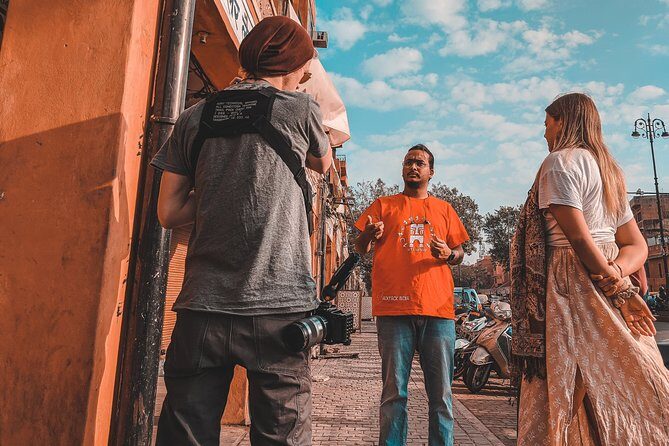
This Udaipur Village Safari takes you beyond the city’s palaces and lakes to small villages tucked around the Aravalli hills, where you’ll see everyday life up close—mud houses, artisans at work, and a guide who ties it all together with local stories (in my case, the standout guide was Yusef). What I like is that it’s not just a drive-by photo stop; it’s built around meeting people and doing small activities. A possible drawback: depending on the exact flow that day, some craft hands-on moments (like pottery or weaving) and even the tea stop can feel more flexible than you’d expect from the headline description.
Two things I really appreciate. First, the English-speaking local guide adds context so you understand what you’re looking at, not just where you’re standing. Second, you get that warm, human moment—chai in a village setting—plus chances for pottery/weaving-style crafts and a village walk. The second you leave the main roads, the tour shifts from sightseeing into real daily rhythm.
One consideration before you book: it’s a private tour with hotel pickup, but it’s still outdoors in the sun. Bring what you need and plan to keep your expectations realistic for a quick 3-hour format (some options like camel/bullock carts may be offered as an add-on, not automatically included).
In This Review
- Key moments at a glance
- Why this Udaipur village safari feels different from palace tours
- Pickup and countryside drive: what that morning setup really means
- Mud-house villages and artisan stops: pottery and weaving without the pressure
- Village walks and farming routines in the Aravalli hills
- Tea in a village home: the hospitality moment you should plan for
- Camel or bullock cart rides: fun option, check whether it’s included
- Arts & crafts market stop: a useful pause, not always a guarantee of hands-on
- Price and logistics: is $29 good value for this kind of day?
- What to bring for a sunny rural day (and what to skip)
- Who this Udaipur village safari suits best
- Final verdict: should you book this village safari?
- FAQ
- How long is the Udaipur village safari, and when is pickup?
- Is hotel pickup and drop-off included?
- Do I need to pay extra for a camel or bullock cart ride?
- Is tea or lunch included?
- What languages are available for the guide?
- Can I cancel for a full refund?
Key moments at a glance

- Aravalli hills countryside drive that quickly changes the feel from Udaipur
- Mud-house village visits where everyday life is the main attraction
- Hands-on craft time (pottery/weaving-style activities may vary by day)
- Tea/coffee with a local family in a village setting
- Camel or bullock cart ride option through rustic lanes
- Private AC car/jeep + local English guide, so you’re not stuck figuring things out
Why this Udaipur village safari feels different from palace tours

Udaipur can be stunning. But it can also feel like you’re watching Rajasthan from inside walls—palaces, museums, and viewpoints that look grand but don’t show daily life. This village safari is the counterweight.
Instead of focusing on grand architecture, you’re looking at the basics: how people live, what they make, how they farm, and what they do when the day starts and ends. The best part is that it’s not only about watching. The format encourages small participation—trying a craft technique, walking through a village, and sharing a simple cup of tea or coffee in a home-like setting.
Also, the rural setting gives you a calmer pace. Even when you’re moving from stop to stop, you’re still outside, with real people doing real work. That’s what makes this feel like culture, not a checklist.
You can also read our reviews of more tours and experiences in Udaipur


Pickup and countryside drive: what that morning setup really means

You’ll get hotel pickup in central Udaipur (the pickup window is listed from 8:30am to 11am), and you’ll travel by a private AC car/jeep with a driver. In practice, this is not an open-jeep “safari” style ride. It’s a normal vehicle, just comfortable and convenient.
Why this matters: if you’re short on time, a private car means you don’t lose half your day negotiating transport or waiting for shared vehicles. You can step out of your hotel, meet your guide, and get rolling toward the villages efficiently.
And the countryside approach is the first “wow.” As you head out of Udaipur and toward the Aravalli foothills, the scenery and sound change. It’s a quick mental switch from city rhythm to rural rhythm.
Mud-house villages and artisan stops: pottery and weaving without the pressure

This tour is built around village visits plus guided time with artisans. Depending on the day, you may spend time where crafts like pottery and weaving are taught or demonstrated, and you might get a chance to try your hand.
Here’s the practical truth: craft participation can be more active on some days than others. One key review experience I took seriously was a situation where the group enjoyed an artisan/workshop area but didn’t do pottery or weaving hands-on. That doesn’t mean the craft part is missing—just that you should go in with flexibility and a clear goal: ask your guide on the spot what you can try today.
What you’ll likely notice in these village-and-artisan settings:
- Work is often practical and repetitive, because it’s tied to real home and market needs.
- Tools and materials look simple, but the process takes patience.
- You’ll get a better story if you ask questions (how the material is sourced, how long it takes, what’s sold).
If you’re the type who enjoys looking closely and asking “why,” you’ll get a lot more out of these stops. If you only want a big hands-on guarantee, be ready to confirm expectations early.
Village walks and farming routines in the Aravalli hills
Beyond the artisan moments, the safari includes time for village walking and interaction with daily life. Even when the group schedule is tight, this part is where you start seeing patterns: how families organize chores, what’s done in the morning, and how the land shapes work.
The Aravalli region has a distinct feel—hills, dust-colored paths, and a slower pace that makes you pay attention. You’re not just looking at scenery; you’re watching how people move through their day.
A good guide turns this into something you can understand. In the best version of this tour, your guide connects the dots: what you’re seeing in the yard, how households structure activities, and why certain crafts or farming steps matter locally. In one highlight experience, Yusef stood out for the way he shared stories and answered questions.
Tip for getting more out of the walk: don’t treat it like a photo safari. Pause, watch what people are doing, and then ask the guide to translate what it means.
Tea in a village home: the hospitality moment you should plan for
The experience highlights tea/coffee with a local family, and that’s one of the most valuable cultural touches on the whole day. A shared cup of chai gives you an “at-home” feeling that palace tours just can’t replicate.
That said, one reviewer clarification made me think about how to set your own expectation. If tea in a true home setting is a top priority for you, ask your guide when you’re on the road what the chai stop will look like that day. Sometimes it’s described as with a local family, and sometimes it can feel more like a village hospitality stop depending on timing and flow.
What I still love about this segment:
- It breaks up the outdoor walking and makes the day feel personal.
- It gives you an easy, low-pressure conversation entry point.
- Even if it’s short, it tends to be warm and human.
If you want chai, bring your curiosity, not just your appetite. Ask simple questions—how the tea is made, what a typical day feels like, what people do in different seasons. Your guide will help you keep it respectful.




Camel or bullock cart rides: fun option, check whether it’s included
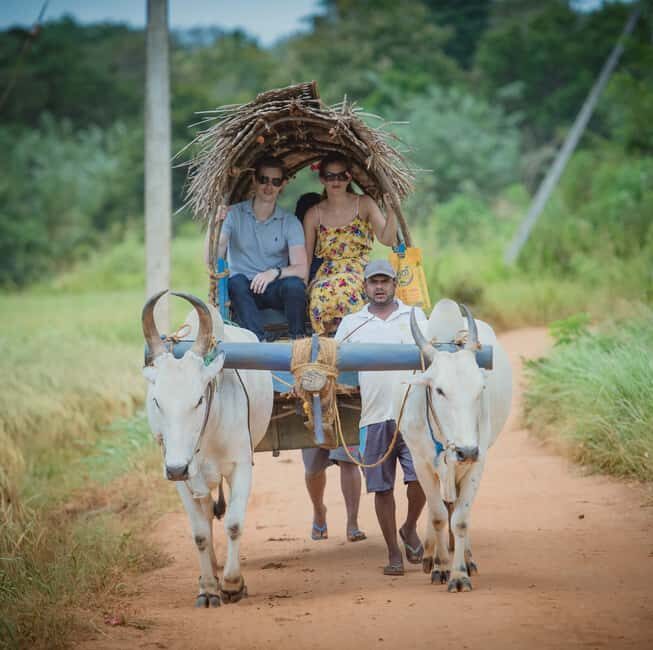
This tour offers a camel or bullock cart ride option as part of the rustic movement through village lanes. In theory, it sounds like a big signature moment—and it can be. The practical part is making sure you don’t get surprised about time or cost.
One review experience noted that a camel ride option was available but not automatically included in the basic portion for them (with an extra charge). So here’s my advice: confirm the ride details with your guide at the start. Ask:
- Is the camel/bullock cart ride included in your package?
- If not, what’s the cost?
- How long does it add to the day?
That way you can decide based on your schedule and comfort level, rather than trying to fit it in at the last minute.
If you do take the ride, go in prepared for slow, bumpy motion and a more “local lane” feel than a scenic theme-park version. The value isn’t only the animal ride—it’s the change in perspective.
Arts & crafts market stop: a useful pause, not always a guarantee of hands-on
Many village safari routes include a stop connected to crafts—often something like a cooperative or an arts-and-crafts market area. This can be a good place to see finished products, understand what sells, and learn how crafts connect to household income.
In one highlighted review, the group enjoyed an art coop center, but they didn’t actually try pottery/weaving/crafts there. That’s useful to know if your priority is hands-on practice.
How to handle it:
- Treat market time as a chance to observe and ask questions.
- If you want hands-on work, ask your guide to prioritize the practical station before you lose time.
- Buy only what you truly want. Craft pricing can be fair, but you’ll get the best deal by taking time and comparing what you like.
Even without a hands-on attempt, a craft stop can still be worth it if you use it to learn and to support makers directly.
Price and logistics: is $29 good value for this kind of day?
At $29 per person for a short rural outing, the value depends on what you personally want from a culture experience.
Here’s what you’re paying for:
- Private hotel pickup and drop-off in Udaipur
- A private AC car/jeep with driver (so you’re not stuck on local transport)
- An English-speaking local guide
- Village entry and cultural interaction fees
- Tea/coffee with a local family
- Optional added experiences like the camel/bullock cart ride (depending on what’s included that day)
For many visitors, the biggest value is the guide + local access. Without that, it’s hard to find real village interactions near Udaipur that feel respectful and well organized. The guide helps you navigate language and meaning, and the entry fees help ensure the community connection is not just casual sightseeing.
So yes, it’s a solid deal if your goals are:
- rural life beyond Udaipur’s center
- authentic conversation with locals
- artisan and village culture in a limited time window
It’s less ideal if you want a long, slow, guaranteed hands-on craft class with lots of tea time. This is designed to be efficient.
What to bring for a sunny rural day (and what to skip)
This tour is outdoors most of the time, so pack for sun and dust.
Bring:
- Sunglasses
- Sun hat (and/or a regular hat)
- Camera
- Cash (useful for optional activities or market purchases)
Skip:
- Alcohol and drugs (not allowed)
If you’re sensitive to heat, plan your clothing for comfort and cover. You don’t need heavy gear, but you do want to stay comfortable enough to walk and watch for a few hours.
Who this Udaipur village safari suits best
This is a great fit if you:
- want a break from palace-heavy Udaipur days
- enjoy meeting locals and hearing how life works outside the tourist center
- like craft-related cultural experiences, even if hands-on time varies
- prefer a private guide so you can ask questions and set your own pace
It’s also ideal for people who want a short rural “taste” rather than a multi-day trek.
Who might reconsider:
- If you need slow, long sitting time and guaranteed workshop participation, the 3-hour format may feel too quick.
- If you dislike animals or uneven paths, you may still enjoy the village walk, but you may prefer not to add a camel/bullock ride.
There’s also a note that it’s not suitable for people over 95 years, so plan accordingly for anyone in your group.
Final verdict: should you book this village safari?
If you want a quick, respectful look at rural Rajasthan near Udaipur, I’d book it. For my money, the combination of a private guide (Yusef-style story telling and Q&A), guided village access, and that chai moment makes this a high-satisfaction “swap” day.
Book it if your priority is connection and context, not just photos. Ask at the start how much is hands-on today and whether the camel/bullock cart ride is included or optional. That one question can save you disappointment.
Don’t book it if you’re expecting a guaranteed pottery-and-weaving workshop class plus a long sit-down tea at home, no matter what. This safari is designed to move and show you several parts of rural life in one compact outing.
FAQ
How long is the Udaipur village safari, and when is pickup?
The duration is listed as 3 hours. Hotel pickup is included in Udaipur, with pickup from 8:30am to 11am.
Is hotel pickup and drop-off included?
Yes. Hotel pickup and drop-off within Udaipur city is included.
Do I need to pay extra for a camel or bullock cart ride?
A camel or bullock cart ride is part of the experience highlights, and an option may be available for you. Costs can vary by what’s included on the day, so confirm with your guide.
Is tea or lunch included?
Tea/coffee with a local family is included. A full-day option includes traditional lunch.
What languages are available for the guide?
The tour offers live tour guidance in English, French, German, and Japanese.
Can I cancel for a full refund?
Yes. You can cancel up to 24 hours in advance for a full refund.
If you tell me your travel dates and whether camel/cart ride and hands-on crafts are must-dos, I can help you decide how to prioritize the day.