REVIEW · NEW DELHI
From Delhi: Jaipur Day Trip by Fast Train or Private Car
Book on GetYourGuide →Operated by Delight Tours · Bookable on GetYourGuide
Jaipur in one day feels almost unfair. You get the fast-paced highlights of the Pink City with a live guide, plus smooth morning-and-evening transfers from Delhi by fast train or private car. I especially like how the plan jumps between big set-piece sights like Amber Fort and quieter photo moments like the patterned stairways at Panna Meena Ka Kund. The one thing to consider: this is a long day, starting around 5 AM, so you’ll want real stamina and comfortable shoes.
If you pick the train option, the rhythm is simple: you’re moving by 6 AM, you arrive with time to start strong, and you’re back in Delhi late that night. With the car option, it’s more flexible but still starts early. I like that you get a live guide at each stop and that monument entry is included when you book the ticketed option, so you’re not stuck hunting for tickets on the ground. The main drawback is the sightseeing pace: it’s packed, so if you want slow museum-style wandering, this itinerary may feel like it’s asking for too much too fast.
In This Review
- Key things I’d plan around
- Delhi to Jaipur by fast train or private car: what this day trip really feels like
- The morning run: starting Jaipur before the day gets hot
- Amber Fort: the stop that makes Jaipur make sense
- Jal Mahal: that dreamy palace-from-the-water look
- Panna Meena Ka Kund: the patterned stair stop that’s easy to miss
- Hawa Mahal: the honeycomb façade you’ll recognize instantly
- City Palace: when Jaipur becomes more than landmarks
- Jantar Mantar: the science stop that surprises people
- Monkey Temple: a quick change of pace in the older city
- Lunch break: plan for real food timing, not a restaurant fantasy
- Shopping stops and what you can control
- Who the guides and drivers make this tour worth it
- Train vs car: which option fits your personality?
- Price and value: is $36 per person actually a bargain?
- Tips to get the most out of a packed itinerary
- Should you book this Delhi to Jaipur day trip?
- FAQ
- What is the duration of the Delhi to Jaipur day trip?
- What time is pickup in Delhi for the train option?
- When does the train arrive in Jaipur, and when do you return to Delhi?
- What time does the car option pick you up and arrive in Jaipur?
- Which sights are included during the day?
- Is lunch included?
- Are monument entry tickets included?
- Do I need tickets if the tour is skipping the ticket line?
- What languages are available for the live guide?
- Is the tour wheelchair accessible, and is it suitable during pregnancy?
Key things I’d plan around
- 5 AM pickup starts early so you can actually see Amber Fort before crowds stack up
- Live guide at every stop means you’re not just looking at buildings, you’re getting the story
- Photo-friendly stops include Jal Mahal views and the patterned steps of Panna Meena Ka Kund
- Big-name Jaipur sights in one circuit: Hawa Mahal, City Palace, Jantar Mantar, plus Monkey Temple
- Train vs car changes the vibe: train is efficient; car can feel more relaxed once you’re on the road
Delhi to Jaipur by fast train or private car: what this day trip really feels like

A Delhi-to-Jaipur day trip is for people who like structure. You show up at dawn, get transported, see the icons, and return without the hassle of planning trains, guides, and tickets. The timing here is designed for a one-day hit: a very early start, a midday lunch break, and a late return to Delhi.
You can choose two ways to get there. The train option picks you up at 5:00 AM from your Delhi hotel, heads to New Delhi Station, and puts you on a train leaving at 6:00 AM. You’ll arrive in Jaipur at 10:50 AM and connect with your guide right outside your coach, which keeps the transition from station to sightseeing from turning into a time-wasting scramble.
The car option is a similar early start—5:00 or 6:00 AM pickup—and you arrive around 10:30 AM. The drive is long, but it’s also the simplest way to keep things controlled, especially if you’re not thrilled about train logistics. Either way, you’re paying for time—and in India, time is usually the most expensive thing to waste.
You can also read our reviews of more private tours in New Delhi



The morning run: starting Jaipur before the day gets hot

Your day begins with one key question: can you handle an early wake-up? The tour is built around 5 AM hotel pickup, whether you’re going by train or car. I like that because it means your Jaipur time isn’t eaten up by late arrivals or midday delays.
If you’re doing the train option, you also get a clean handoff: meet your guide in front of your train coach in Jaipur. That sounds small, but it matters. It cuts down the usual chaos of finding the right person in a busy station.
What to do with those first hours when you arrive: keep your expectations practical. Jaipur is gorgeous, but the weather can change fast. Bring comfortable shoes and sunscreen, and plan to move. The tour isn’t trying to turn you into a couch sitter; it’s trying to get you from sight to sight with the fewest headaches possible.
Amber Fort: the stop that makes Jaipur make sense
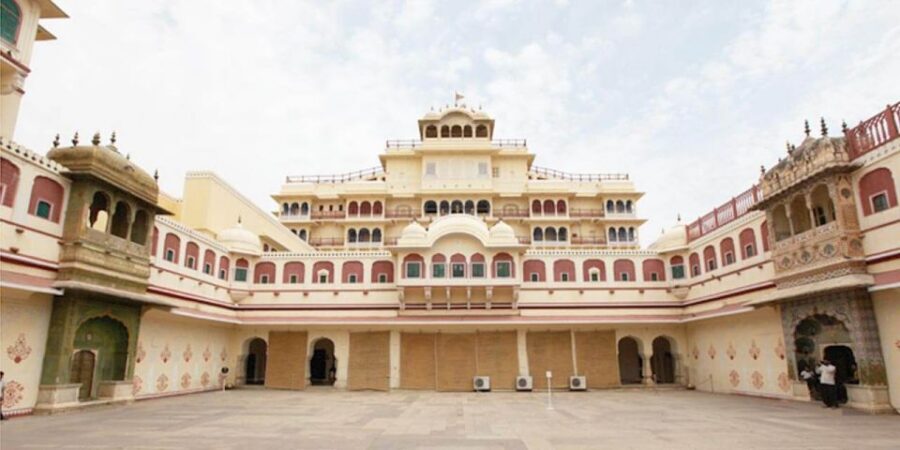
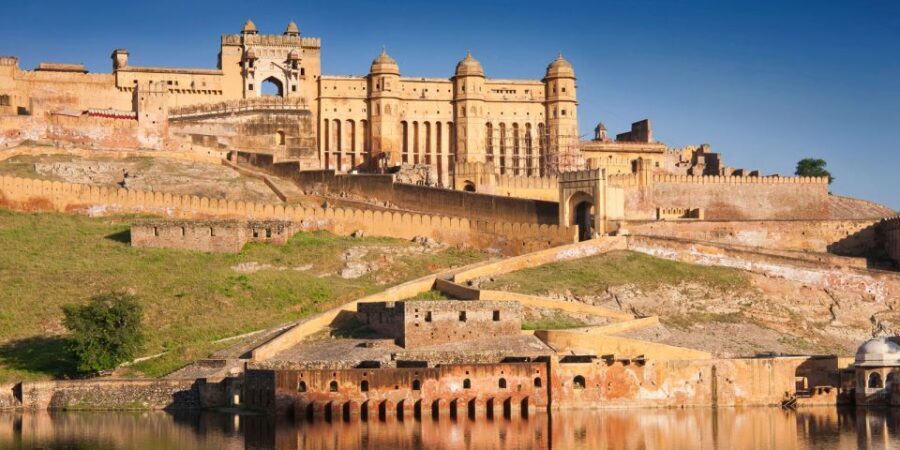
Amber Fort is the kind of place that instantly turns architecture into drama. You’re dealing with a layered fortress world—courtyards, ramparts, and a whole lot of geometry—so a guide really helps. This tour’s guide leads you through it rather than leaving you to wander and guess what you’re looking at.
I love Amber Fort for two reasons. First, it’s not just a pretty backdrop; it’s a working lesson in how power was displayed in Rajasthan. Second, the light plays well here. Even with a fast itinerary, you can find angles that make the fort look different from one minute to the next.
Practical note: Amber Fort involves walking and stairs, so your shoes matter. The tour’s pace may feel brisk, but the payoff is that you’re getting the emotional “wow” moment early enough to still enjoy the rest of the city afterward.
Jal Mahal: that dreamy palace-from-the-water look
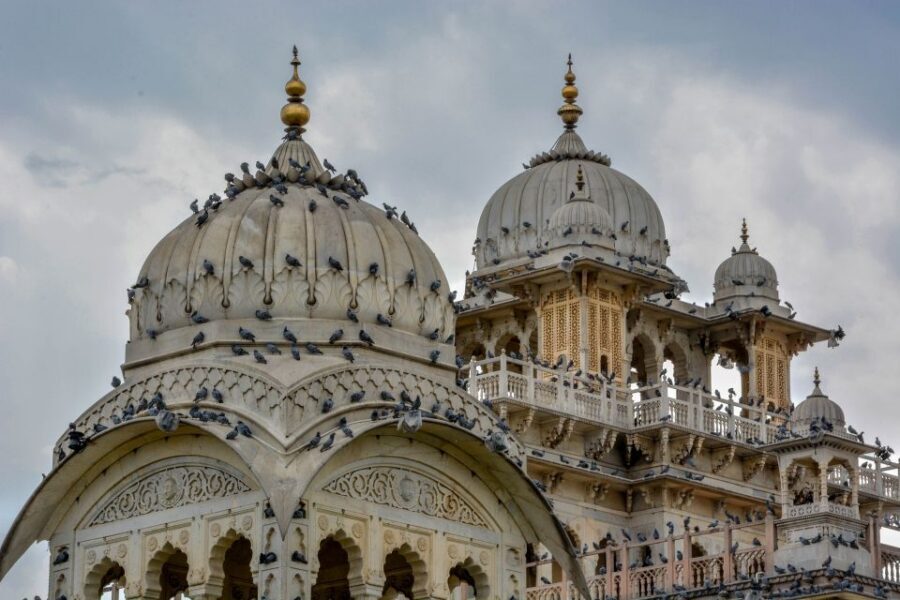
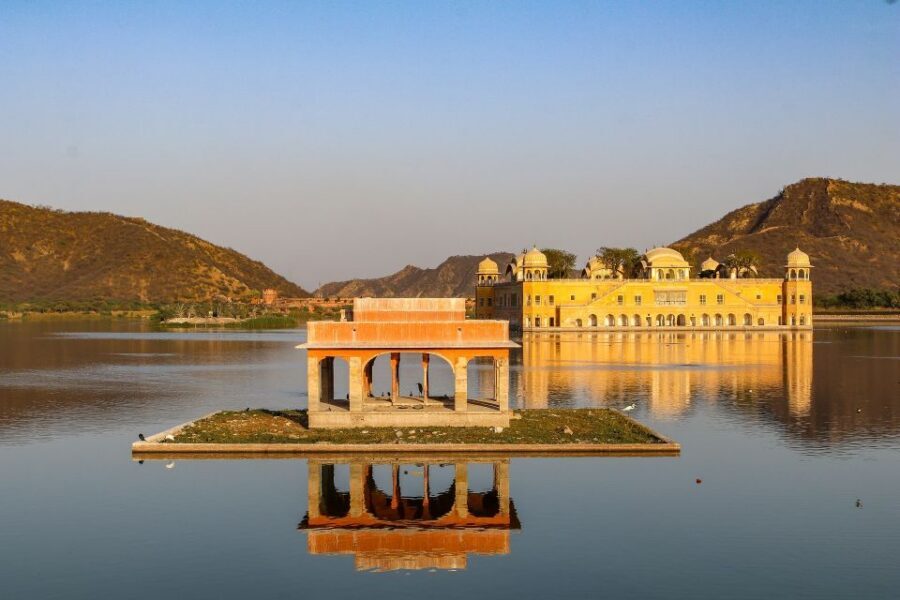
Jal Mahal (the Water Palace) is one of those places where people take photos and then wonder why it looks better in real life. The setting helps. From the outside, it’s a visual pause in the day—a more serene moment compared with the fort and its stone intensity.
In a day trip, you don’t get hours to linger, but you do get the main payoff: the look and the atmosphere. If you care about photography, this is a good place to slow down for a minute and let the colors settle. Ask your guide what time of day best suits the views you’re after, because light matters a lot for Jal Mahal’s appearance.
Panna Meena Ka Kund: the patterned stair stop that’s easy to miss
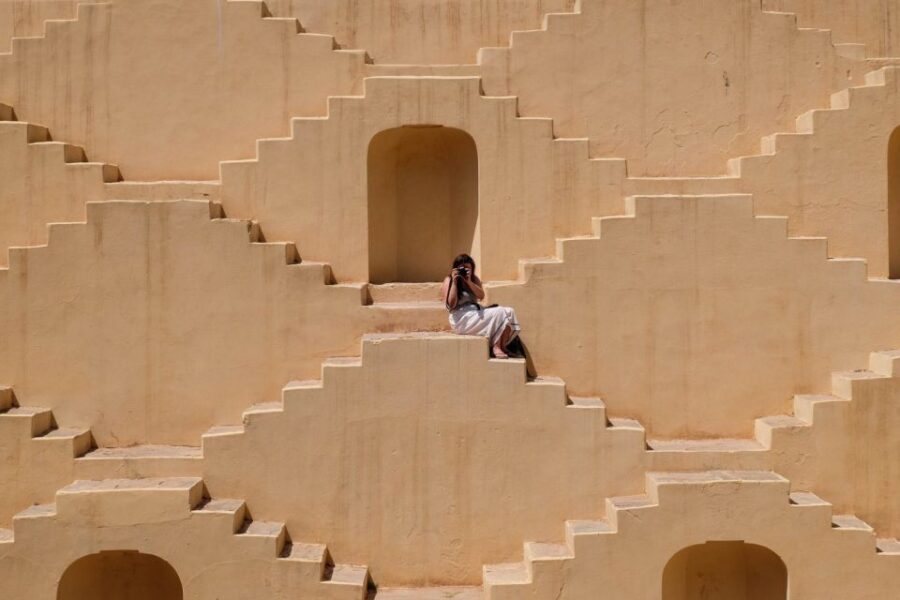
If your itinerary includes Panna Meena Ka Kund, treat it as more than a quick photo pit stop. The patterned stairways at this stepwell are visually striking, and they’re also a reminder that Jaipur wasn’t built only for palaces. It was built for practical life too—water systems shaped by design.
I like this stop because it’s a break from the usual “palace parade.” You get a different texture: stone steps, repeating patterns, and a layout that makes you look twice. Bring your phone or camera, because this is the sort of scene where a good angle makes the whole structure pop.
You can also read our reviews of more tours and experiences in New Delhi






Hawa Mahal: the honeycomb façade you’ll recognize instantly
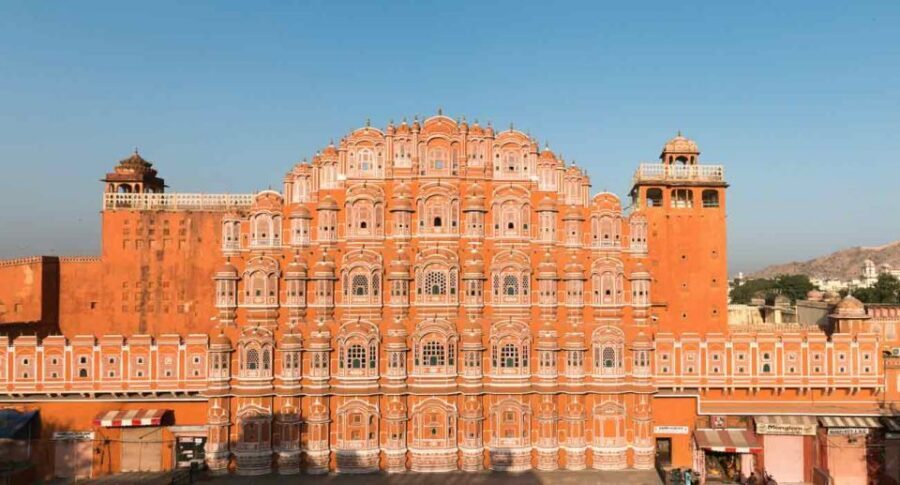
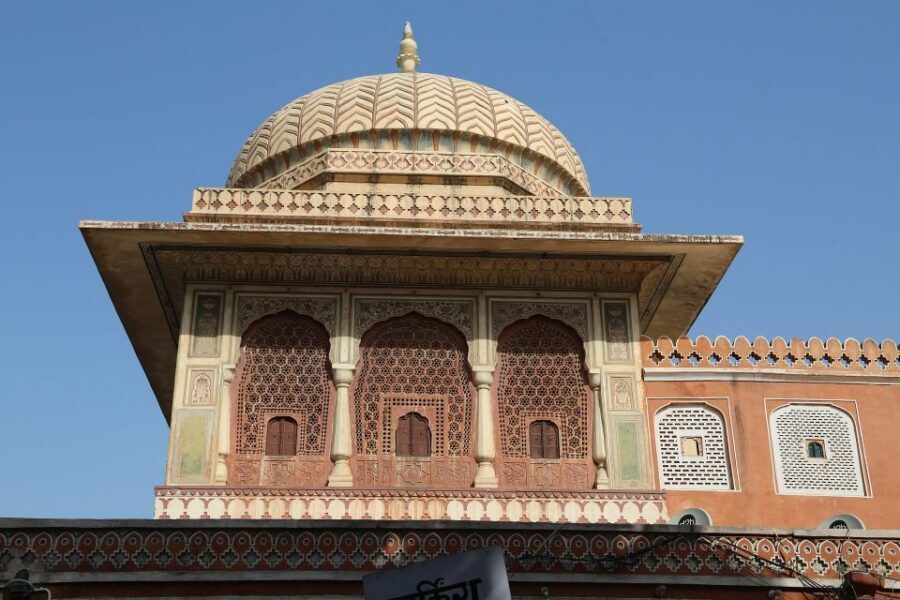
Hawa Mahal is Jaipur’s face. Even if you’re not an architecture nerd, you’ve seen this façade in postcards and travel photos. What I enjoy here is how a live guide turns it from a single photo into a place with purpose.
The façade is basically a visual pattern machine. Your guide can point out what you’re really looking at—how it fits into the city’s design logic—so you don’t just stare at the building from one angle and call it done.
A practical tip: be ready for crowds and quick pacing. This tour’s strength is that it hits the iconic stops. Its weakness (the only one, really) is that you won’t have hours to linger. For a one-day schedule, though, Hawa Mahal is non-negotiable.
City Palace: when Jaipur becomes more than landmarks
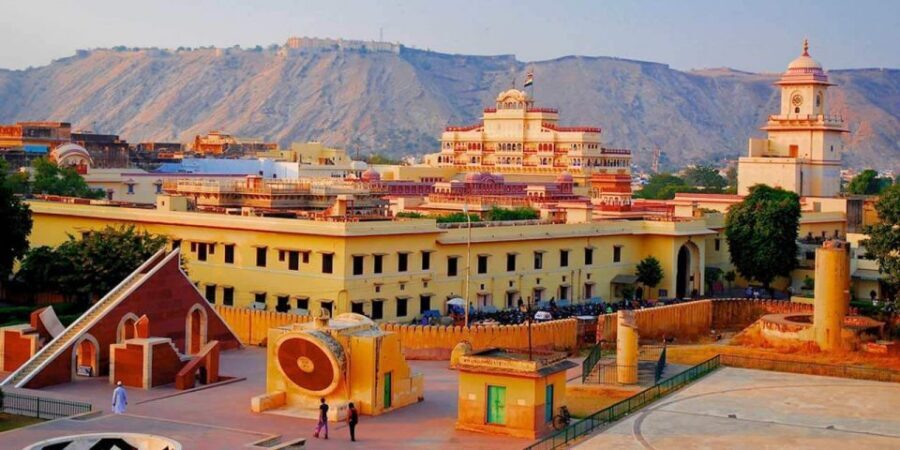
City Palace is the transition from postcard Jaipur to lived-in Jaipur. The architecture and layout feel more connected to the city’s ongoing identity than the strictly fortress or purely theatrical sights.
I like City Palace because it gives you context. By the time you reach it, Amber Fort and Hawa Mahal have already set your visual baseline. City Palace then helps you understand the logic of the wider complex—how the different parts of Jaipur relate to each other.
Don’t rush it if you can help it. Even with a packed itinerary, one extra minute inside a courtyard or around key viewpoints can change how you remember the day.
Jantar Mantar: the science stop that surprises people
Jantar Mantar is where Jaipur shifts tone again. It’s not just beauty; it’s measurement, astronomy, and the kind of design that makes you pause and think. If you’ve never visited, you’ll probably expect a monument. You’ll get a working system.
One theme from the guides on this trip is that they explain what you’re seeing in a way that clicks. In particular, I’ve heard repeat praise for astronomy-minded guides—people who made visitors feel like the instruments weren’t random stone objects. If your guide is someone like Rajesh Singh (often highlighted in the feedback) or similar science-focused hosts, lean in. Ask how the instruments work and what to look for.
And yes, you’ll want photos. But treat the photos as the memory hook. The real value is understanding what you’re photographing.
Monkey Temple: a quick change of pace in the older city
After the science of Jantar Mantar, Monkey Temple adds motion to the route. It’s a different kind of stop—lively, local-feeling, and visually different from the monumental architecture.
It’s also a reminder that Jaipur isn’t just designed for visitors. This is a place where everyday presence shows up, and that changes the feel of the day.
Lunch break: plan for real food timing, not a restaurant fantasy
Meals aren’t included. That said, the day is structured around a lunch break in the middle, and many guides build in helpful food stops. I found this matters because you’re on the move from 5 AM, and skipping a decent meal would be a mistake.
If you’re picky about food, tell your guide your preferences early. You’ll usually be able to find a suitable local spot rather than being forced into something convenient but unappealing.
Shopping stops and what you can control
Some days include time around local artisan shops. This can mean carpet-related stops and other retail zones that come with the usual sales energy. The good news: it’s not mandatory to buy anything, and you can browse quickly if you want souvenirs or avoid it entirely by keeping your pace steady.
If you want zero pressure, give your guide a clear signal at the start: you’re here for monuments, not shopping. The best guides adjust without making it awkward.
Who the guides and drivers make this tour worth it
This trip is only as good as the people driving it. The guide is what turns a list of sights into a coherent day, and the driver is what keeps the logistics calm.
In feedback, guides like Yogi, Kumar, Virendar, Sid, Mohammad, Kapil, Arif, Arbab, and Rajesh Singh show up again and again for being friendly, adjusting pace, and helping with photos. I especially like the pattern: many guides don’t just explain facts; they help you capture the moment. If you care about photography, this is a big deal. A guide who knows where to stand and when to move you a few steps can be the difference between a mediocre set of pictures and a strong memory set.
Drivers—names like Ali, Neeraj, Pooran, Hemant, Vishnu, Akash, Brij, and others—are praised for punctuality and smooth rides. That matters because you’ll spend long hours in a vehicle. A comfortable, safe drive can make the return trip feel less like punishment.
There’s also one helpful note: one person specifically advised asking for an elephant stop if it interests you. The key word is ask—don’t assume it’s guaranteed. If it’s important, mention it early when you meet your guide.
Train vs car: which option fits your personality?
Here’s how to decide.
Choose the train option if you want efficient timing and a clear schedule. You avoid long road stretches during the hottest hours, and you still get a full day of sightseeing once you arrive.
Choose the private car option if you value flexibility. If you’re nervous about train timing, want a calmer door-to-door feel, or have mobility needs that make stair-heavy transfers harder (note: the tour says it’s wheelchair accessible, but you’ll still be moving), the car option can feel simpler.
Either way, remember the real tradeoff: it’s a long day no matter what. The value is that it packs Jaipur’s biggest hits into one shot.
Price and value: is $36 per person actually a bargain?
At $36 per person, this isn’t priced like a luxury day. It’s priced like a practical shortcut. What you’re really buying is coordination: pickup and return transfers, transportation between Delhi and Jaipur (train or car), and a live guide for each stop.
Included items are what make it feel reasonable: mineral water bottles, all tolls/parking/taxes, and (when you book the ticketed option) monument entry tickets at the places on the route. Also, you get help with skipping the ticket line, which can save time and reduce stress at busy monuments.
Your main extra costs are predictable: meals and personal expenses. If you budget for lunch and water or snacks beyond what’s included, the spending stays under control.
Tips to get the most out of a packed itinerary
A one-day Jaipur schedule works best when you travel with the right mindset.
- Wear shoes you trust. You’ll walk at multiple sites.
- Carry sunscreen even if it looks cloudy. Morning sun can still bite.
- Keep your phone charged for stairwell and façade photo stops.
- Ask your guide what to prioritize if you’re short on energy.
- Use the guide for photo angles. Many guides are actively helpful here.
If you’re the type who wants to read every sign and watch every demonstration, this may feel too tight. But if you want the icons, plus a guide who can explain them without making it boring, this works well.
Should you book this Delhi to Jaipur day trip?
Book it if you want a high-ROI day: Amber Fort, Jal Mahal, Hawa Mahal, City Palace, Jantar Mantar, and Monkey Temple, all handled with pickup, transport, and a live guide. The price is especially attractive when entry tickets are included and when you value time saved by guided logistics.
Skip it (or reconsider timing) if you hate early mornings, dislike packed schedules, or you’re looking for a slow, independent tour. Also note it isn’t suitable for pregnant women.
FAQ
What is the duration of the Delhi to Jaipur day trip?
The experience runs about 8 hours, as listed for a one-day trip.
What time is pickup in Delhi for the train option?
Pickup is at 5:00 AM from your hotel in Delhi, then you’re dropped at New Delhi Station. The train leaves Delhi at 6:00 AM.
When does the train arrive in Jaipur, and when do you return to Delhi?
The train arrives in Jaipur at 10:50 AM. You’re dropped at Jaipur Railway Station by 5:30 PM, the train leaves at 5:50 PM, and it arrives back in Delhi at 10:50 PM.
What time does the car option pick you up and arrive in Jaipur?
The car option includes pickup at 5:00 AM or 6:00 AM from your Delhi hotel, with arrival in Jaipur at about 10:30 AM. The drive back starts around 4:00 PM and you return to Delhi around 8:00 to 9:00 PM.
Which sights are included during the day?
The route includes Amber Fort, Jal Mahal, Hawa Mahal, City Palace, Jantar Mantar, and Monkey Temple.
Is lunch included?
No. Meals and drinks are not included.
Are monument entry tickets included?
Monument entry tickets are included if you booked the option that includes tickets.
Do I need tickets if the tour is skipping the ticket line?
The tour notes skip the ticket line, and monument entry is included when you select the ticketed option. You’ll still want to follow your guide’s instructions on the day.
What languages are available for the live guide?
English, French, German, Russian, Spanish, and Italian.
Is the tour wheelchair accessible, and is it suitable during pregnancy?
It is listed as wheelchair accessible. It is not suitable for pregnant women.