REVIEW · NEW DELHI
From Delhi: 2-Day Private Agra Trip w/ Taj Mahal & Agra Fort
Book on GetYourGuide →Operated by Radhika Holidays · Bookable on GetYourGuide
Agra hits different when you beat the crowds. This 2-day private Agra trip is built around the big payoff: a very early visit to the Taj Mahal plus Mughal sights at a calm pace, without the stress of public buses or crowded shared shuttles.
I especially like the comfort and control of your private air-conditioned car with chauffeur, door-to-door pickup, and a guide who can explain what you’re seeing (in multiple languages). You’ll also get a smooth rhythm: check in, see key forts and gardens, then head out at sunrise for the Taj Mahal.
One drawback to plan around: the Taj Mahal closes every Friday, and the schedule is tightly timed because you’re squeezing major monuments into two days.
In This Review
- Key things to know before you go
- Private Delhi-to-Agra logistics that actually feel relaxing
- The two-day itinerary: what the timing feels like
- Sunrise at the Taj Mahal, plus one rule you can’t ignore
- How Agra Fort connects to the Taj Mahal story
- Itimad-ud-Daulah: the “prequel” to the big masterpieces
- Mehtab Bagh: the Taj Mahal viewpoint that adds breathing room
- Guide energy matters more than you think
- Hotel with breakfast, and what you should budget for meals
- Price and value: does $42 per person make sense?
- Who this trip suits best (and who should rethink it)
- Practical tips to make your two days smoother
- Should you book the 2-Day Private Agra Trip?
- FAQ
- How long is the Delhi to Agra trip?
- What monuments are included?
- Is hotel accommodation included?
- Are tickets included?
- Do I need to wait in line for the Taj Mahal?
- What time do we go to Taj Mahal?
- Is Taj Mahal open on Fridays?
- What language is the guide available in?
Key things to know before you go
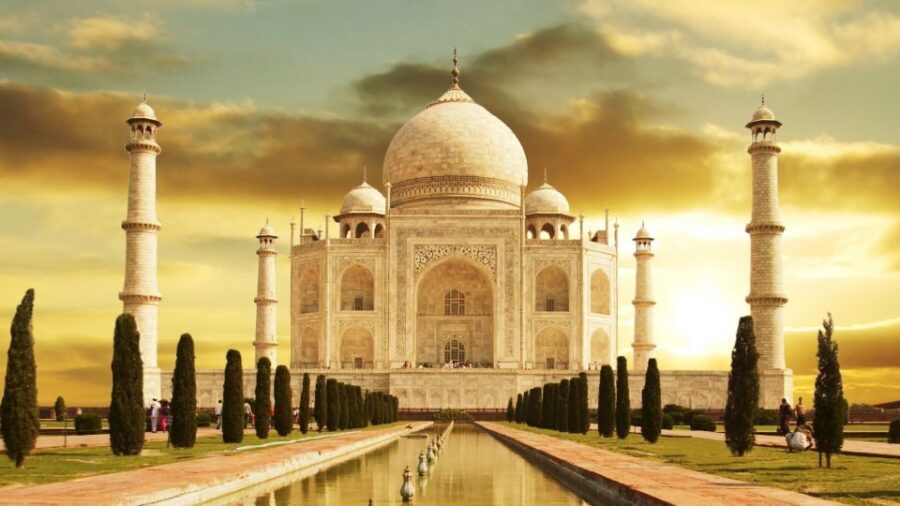
- Sunrise Taj Mahal: you start early so you can enjoy the marble more calmly and photograph it in better light
- Private driver + hotel stay: no “where do we meet?” confusion, plus an overnight in Agra
- Agra Fort plus the lesser-known stops: you don’t just do the postcard stuff—you’ll also see monuments tied to Mughal power and family history
- Live guide in your language: English, Russian, French, Japanese, German, Italian, and Spanish are supported
- Separate-entrance skip-the-line: helps you spend more time inside the sites and less time stuck at entrances
- Tight timing: two days is efficient, so come ready for an active itinerary
Private Delhi-to-Agra logistics that actually feel relaxing
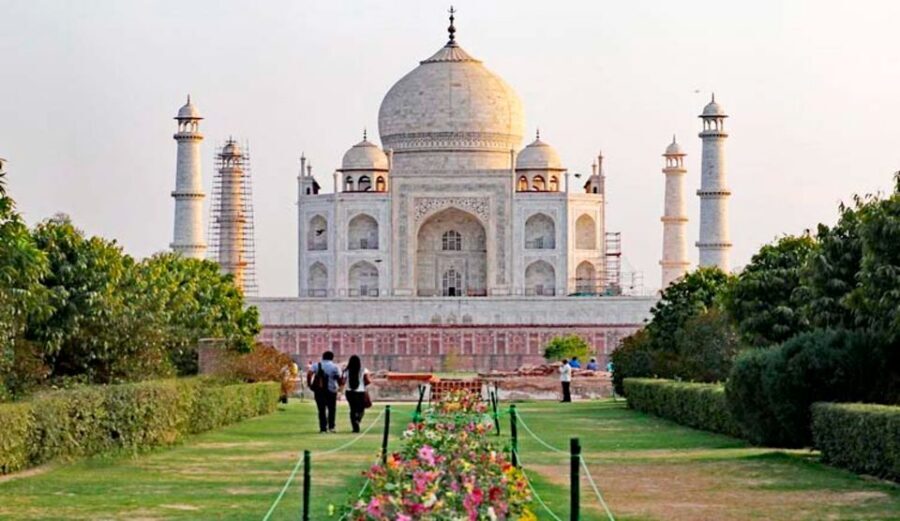
The main reason to pick this trip is simple: you get a private car and a chauffeur for the Delhi–Agra drive and the return. That means you can focus on the trip instead of decoding bus routes, juggling metro connections, or trying to time your way through chaos.
You also get hotel pickup and drop-off in Delhi, which is a big deal when you’re tired from a day of travel. Your driver handles the road-work and traffic reality, while you just show up when you’re told and keep moving.
The tour also works well if you’re the type who likes structure. In two days, you’ll see multiple sites across Agra—Taj Mahal, Agra Fort, and additional monuments tied to the same Mughal world—without having to coordinate guides, tickets, and transport separately.
You can also read our reviews of more private tours in New Delhi



The two-day itinerary: what the timing feels like
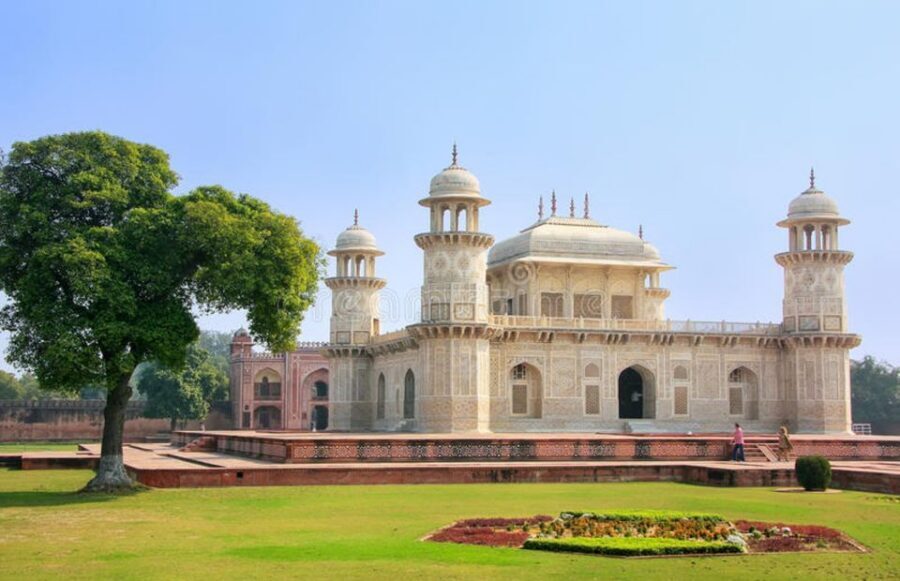
Day 1 typically starts with pickup from Delhi, then a drive to Agra and hotel check-in. After you settle in, you tour Agra’s Mughal sites—most notably Agra Fort, plus other key stops such as Tomb of Itimad-ud-Daulah and Mehtab Bagh depending on the day’s flow.
Day 2 is the sprint day, in the best way. You start early morning for a sunrise Taj Mahal visit, then you head back to Delhi after the big sights.
Because the trip is designed around the Taj Mahal visit time, the schedule tends to feel “tight.” That’s not a problem if you’re ready for early mornings and quick transitions. If you prefer leisurely pacing and long sit-down breaks at every site, you may find two days feels fast.
Sunrise at the Taj Mahal, plus one rule you can’t ignore
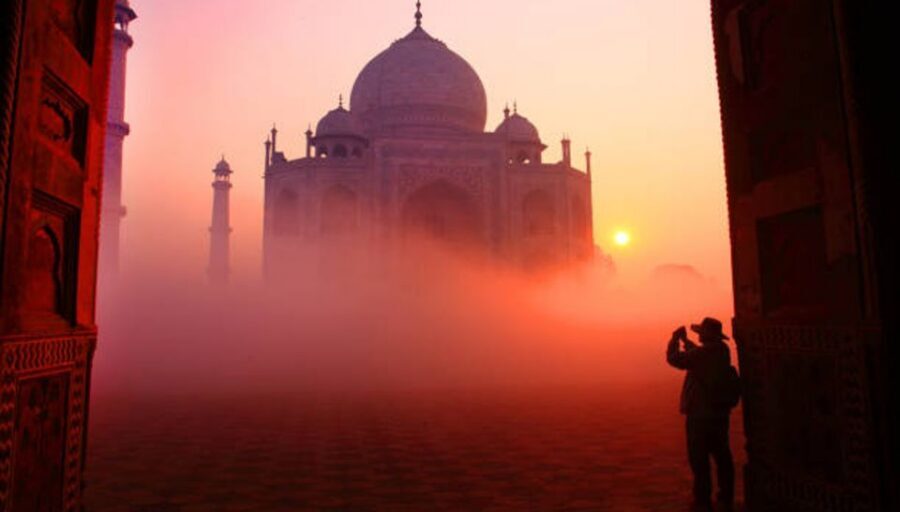
Let’s talk about the Taj Mahal first, because that’s why most people do the trip. This is a white-marble mausoleum built in the 17th century (ordered by Shah Jahan in memory of his wife) and widely treated as one of the greatest monuments in the world.
What makes this plan smarter is the timing. A sunrise visit usually means softer light on the marble and a calmer atmosphere than later in the day. Add in a separate entrance skip-the-line, and you’re less likely to lose the best part of your morning to waiting.
There’s also one non-negotiable planning detail: Taj Mahal is closed every Friday. If your travel dates land on Friday, you’ll want to confirm what the alternative plan looks like so your trip doesn’t turn into a last-minute scramble.
Practical tip: come with comfortable shoes. Marble looks elegant, but the inside walkways and surrounding areas still cover plenty of ground before you even catch your best photo angles.
How Agra Fort connects to the Taj Mahal story
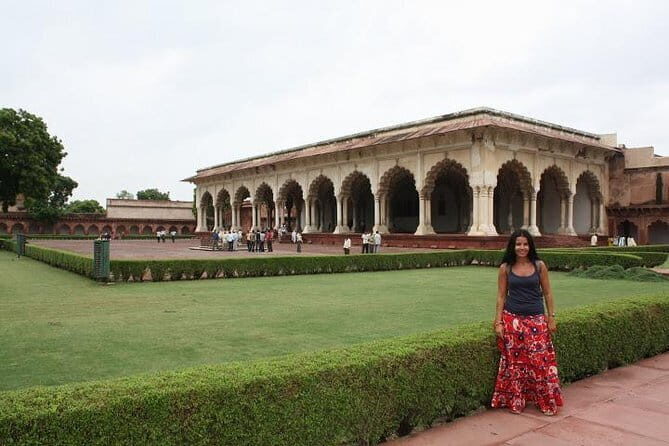
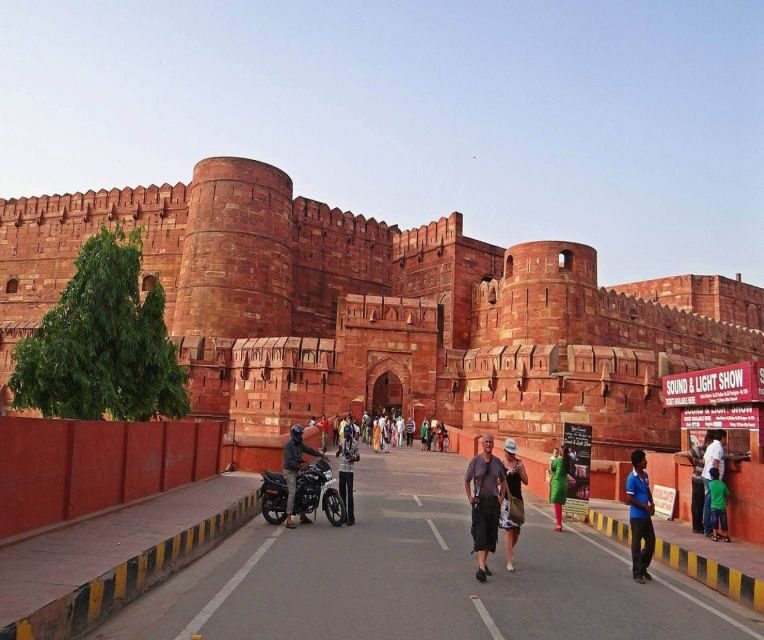
If the Taj Mahal is love turned into stone, Agra Fort is power. It was the Mughal emperors’ main residence in Agra until 1638, when the capital shifted to Delhi. That time window matters: you’re not just looking at a fortress, you’re standing in a place tied to the Mughal court’s day-to-day authority.
Agra Fort is about 2.5 km northwest of the Taj Mahal. That distance is useful to understand while you’re there, because it highlights how the Taj Mahal fits into a larger city layout rather than existing as a lone monument in a vacuum.
This is also the site where a good guide can change the whole experience. In real-world examples from this route, guides like Asif have focused on architecture and building techniques, answering questions in a way that makes the fort’s design feel less like random stone and more like intentional engineering.
Itimad-ud-Daulah: the “prequel” to the big masterpieces
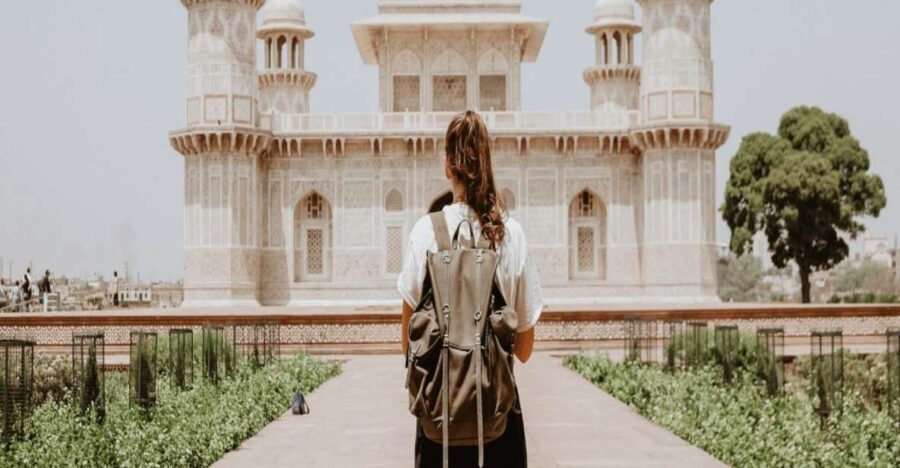
One of the best parts of this kind of trip is getting more than one Mughal landmark, especially when the itinerary includes Tomb of Itimad-ud-Daulah.
This mausoleum connects to the same family networks as the Taj Mahal story. It’s associated with Itimad-ud-Daulah, who served Akbar and was linked to Nur Jehan’s family line. After Nur Jehan’s marriage to Jahangir in 1611, Itimad-ud-Daulah became Vazir (prime minister), and he held the title that translates roughly to The Lord treasurer.
Why I like this stop: it gives you a more “build-up” feeling. The Taj Mahal is the headline. Itimad-ud-Daulah helps you understand how the style and symbolism got refined before Shah Jahan’s grand statement.
If you enjoy details—inscriptions, design logic, and the way Mughal patrons used monuments to signal status—this is the kind of stop that rewards you even if you’re not a full-time architecture nerd.
You can also read our reviews of more tours and experiences in New Delhi






Mehtab Bagh: the Taj Mahal viewpoint that adds breathing room
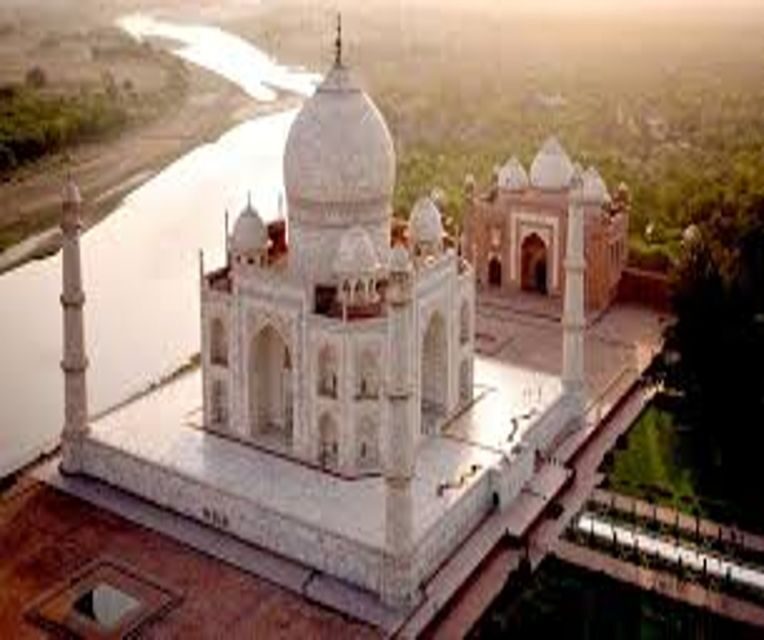
Mehtab Bagh is included as a stop that helps you see the Taj Mahal from a different angle. It’s especially valuable if you want more variety in your photos and a moment to reset between major sites.
This viewpoint also helps you understand the Taj Mahal in context—how it sits within a broader landscape and river-adjacent setting (even if you’re mostly walking in gardens and courtyards).
Guides can help here by steering you toward good sight lines and the right time window. In earlier experiences on this route, people have mentioned that guides took extra care with photo moments—so it’s worth asking your guide where they’d stand for your shots.
Guide energy matters more than you think
A guided tour isn’t just facts. It’s pacing, interpretation, and the ability to answer your questions without turning your day into a scavenger hunt.
This tour comes with a live professional tour guide in your language, and the language list is wide: English, Russian, French, Japanese, German, Italian, and Spanish.
In examples tied to this trip, guides such as Shubam have been described as friendly and humorous with lots of experience. Others like Iqrar have combined strong knowledge with a fun approach. You may also meet guides such as Vijay Kumar Kushwah, who has helped visitors who weren’t fully comfortable with English by explaining history clearly, and even assisted when a hotel payment issue came up.
That kind of problem-solving isn’t guaranteed—but it does reflect the value of having a guide who treats the tour like a service, not just a script.
Hotel with breakfast, and what you should budget for meals
The tour includes an overnight hotel in Agra, and breakfast is included if that option is selected. That’s a practical win because breakfast is one less thing you have to figure out the morning of your sunrise Taj Mahal.
Meals beyond that are not included. Lunch and dinner are on you, so plan a little buffer in your budget.
If you’re the type who hates decision fatigue, eat somewhere close to your hotel on Day 1. You’ll be tired after the drive, and you’ll want a low-effort start for Day 2.
Price and value: does $42 per person make sense?
At $42 per person for a two-day private trip, this is priced like a budget-friendly way to do Agra without DIY headaches.
Here’s what you’re typically getting for that money:
- Private air-conditioned car with chauffeur
- Pickup and drop-off in Delhi
- Hotel with breakfast (when the breakfast option is selected)
- Professional guide
- Taj Mahal, Agra Fort, and other monument tickets (when the ticket option is selected)
- Water and wipes
- Fuel, tolls, parking, and state taxes
The big value is avoiding the “add-on tax” that happens when you plan the trip yourself: separate transport, separate ticketing, separate guide booking, and the inevitable waiting time that eats your day. Two days is short, so bundling everything tends to pay off.
The only “gotcha” is that ticket and breakfast inclusion can depend on the option you choose. If you want a true all-in experience, double-check those selections before you go.
Who this trip suits best (and who should rethink it)
This fits best if you want:
- A private car and minimal stress
- A sunrise Taj Mahal plan
- A guide who can explain the meaning behind the monuments
- A compact two-day itinerary that still hits more than one site
It may not fit if:
- You’re sensitive to early mornings and a busy schedule
- You’re traveling on a Friday (Taj Mahal closure is a key issue)
- You’re pregnant (the trip is marked as not suitable for pregnant women)
Also note the rules: pets aren’t allowed, and you’ll want a passport or ID card with you.
Practical tips to make your two days smoother
First, plan for comfort. Even with a private car, you’ll spend time walking and moving between sites. Wear supportive shoes, bring water, and keep your daypack small so you don’t fight your bag while you’re taking in views.
Second, ask your guide for photo timing. A sunrise plan gives great light, but it’s still easy to miss your best angles if you’re wandering without a plan. In multiple examples tied to this route, guides have helped visitors with photo moments.
Third, keep your expectations realistic. This is a “see the highlights” trip. You’ll get plenty of meaning from commentary, but you won’t have weeks of slow wandering. If you want maximum quiet time inside each monument, consider adding an extra night—or booking a longer itinerary.
Should you book the 2-Day Private Agra Trip?
I’d book this if you want Agra without the logistics headache, and you especially care about catching the Taj Mahal at sunrise with a guide and a separate-entrance flow. The private transport plus a planned hotel stay makes the whole thing feel manageable, even when the itinerary is busy.
I’d pause if your dates fall on Friday, because the Taj Mahal closure can disrupt the core highlight. And if early mornings feel like punishment, you might want to consider a different timing or a longer trip so you can slow down.
If you’re traveling with a strong preference for comfort, clear guidance, and efficient use of time, this is a solid value way to experience Agra’s biggest monuments.
FAQ
How long is the Delhi to Agra trip?
It’s a 2-day private trip, designed for visiting multiple Agra monuments and returning to Delhi.
What monuments are included?
The tour includes visits to Taj Mahal, Agra Fort, Tomb of Itimad-ud-Daulah, and Mehtab Bagh.
Is hotel accommodation included?
A hotel with breakfast is included if you select the breakfast option.
Are tickets included?
All monument tickets are included if the ticket option is selected.
Do I need to wait in line for the Taj Mahal?
You’ll use a separate entrance for skip-the-line access.
What time do we go to Taj Mahal?
The schedule includes an early morning start for a sunrise Taj Mahal visit.
Is Taj Mahal open on Fridays?
No. Taj Mahal is closed every Friday.
What language is the guide available in?
The live guide can be available in English, Russian, French, Japanese, German, Italian, and Spanish.