REVIEW · NEW DELHI
From Delhi: 2-Day Golden Triangle Trip to Agra and Jaipur
Book on GetYourGuide →Operated by ITS Holidays · Bookable on GetYourGuide
Agra’s icons hit hard, even on a tight schedule. This private 2-day Golden Triangle route is interesting because you swap big-ticket sights back-to-back—Taj Mahal and Agra Fort on day one, then Jaipur’s Amer Fort, City Palace, Hawa Mahal, and Jantar Mantar on day two. I especially like the private setup (your guide can pace the day to your group) and the included overnight in Jaipur so you’re not sleepwalking through history. The one drawback: it’s a lot of driving for two days, so if you hate long road time, you’ll feel it.
What makes this plan work is the structure: air-conditioned car, bottled water, hotel/airport pickup and drop-off, and a professional guide. Plus, you’ll get skip-the-ticket-line entry for the sights included on the route, which saves time when crowds are thick. Your guide can speak English, German, French, Russian, or Spanish, so explanations don’t get lost in translation.
Your “shape” for the trip is simple: Delhi → Agra for the big hits → Jaipur for the night (hotel included if you choose that option) → Jaipur for the forts and royal sights → drive back to Delhi. It’s classic India-first, not slow travel, but it’s also one of the smarter ways to see a lot without planning yourself into exhaustion.
In This Review
- Key things I’d plan around before you go
- How This Golden Triangle Sprint Runs From Delhi
- Day 1: Taj Mahal Timing and Agra Fort After the Drive
- What I’d watch for at Agra Fort
- Arriving in Jaipur: Why the One-Night Hotel Option Helps
- Day 2: Amer Fort, Hawa Mahal, City Palace, and Jantar Mantar
- Amer Fort: the big fort stop
- Hawa Mahal: the famous facade stop
- City Palace: where royal rooms become visual cues
- Jantar Mantar: the surprise science stop
- The Car Ride Reality: Comfort, Pace, and Photo Timing
- How to make the driving days feel shorter
- Price and Value: What $107 Covers (and Why It Can Be Worth It)
- Pickup Zones and Getting Ready Without Hassle
- Who This Tour Fits Best (and Who Might Want a Different Option)
- Should You Book the Delhi–Agra–Jaipur 2-Day Tour?
- FAQ
- What’s included in this 2-day trip?
- Are monument entrance fees included?
- Is this a private tour or a group tour?
- What languages are available for the live guide?
- Where does pickup happen?
- What’s the cancellation and payment flexibility?
Key things I’d plan around before you go
- Private guide with multiple language options (so you can actually understand what you’re looking at)
- Skip-the-ticket-line for included monuments (helpful when lines eat your day)
- Overnight Jaipur included (optional option), not just a day-trip rush
- Big sights in a tight loop: Taj Mahal, Agra Fort, Amer Fort, Hawa Mahal, City Palace, Jantar Mantar
- Long drive legs (Delhi–Agra–Jaipur–Delhi), so comfort matters
How This Golden Triangle Sprint Runs From Delhi
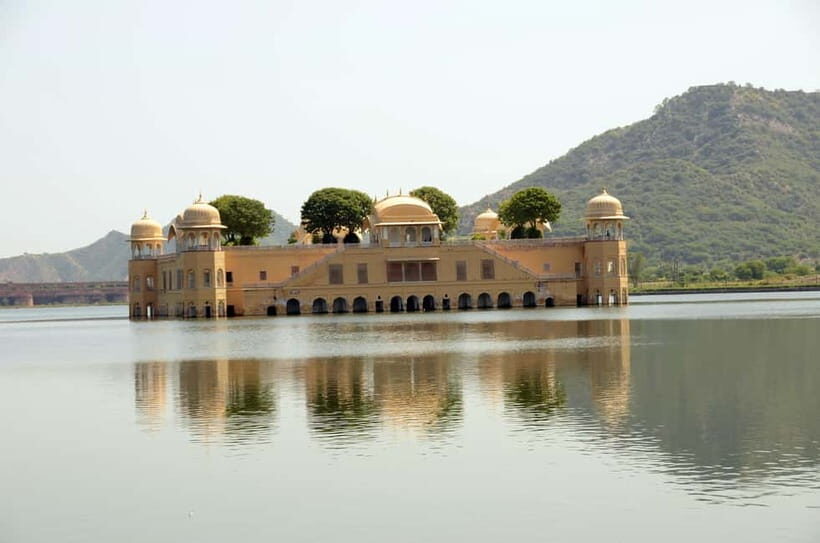
This is a true “fast and organized” Golden Triangle: you cover Agra and Jaipur in two days with a private driver and a guide. There’s no bus shuffle. No shared pace. Just you and your group, plus someone who knows the best way to get your bearings quickly.
The tour is built around car transfers that keep things efficient. The reviews on this route also line up with what you can expect in real time: roughly four hours from Delhi to Agra, about four hours from Agra to Jaipur, and then around four hours back toward Delhi. That’s not a scare tactic—it’s just the truth. If you’re the kind of traveler who wants everything to be “worth it,” you’ll probably find this schedule does deliver.
A practical note: monument entry fees are not included. That means your budget needs a bit of extra cash (or card access) for tickets once you arrive. The tour handles the structure and guide time; you handle the entrance costs.
You can also read our reviews of more tours and experiences in New Delhi



Day 1: Taj Mahal Timing and Agra Fort After the Drive
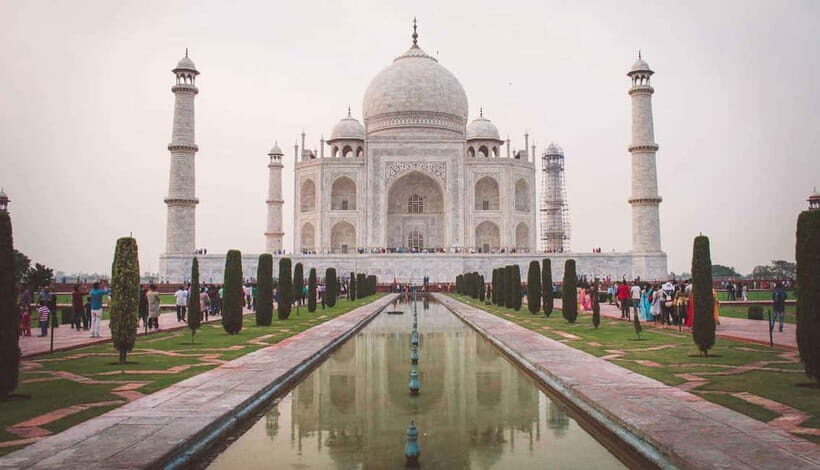
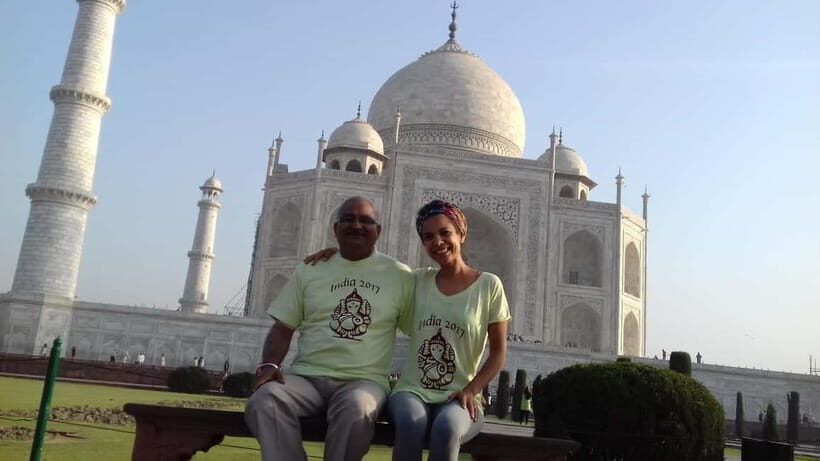
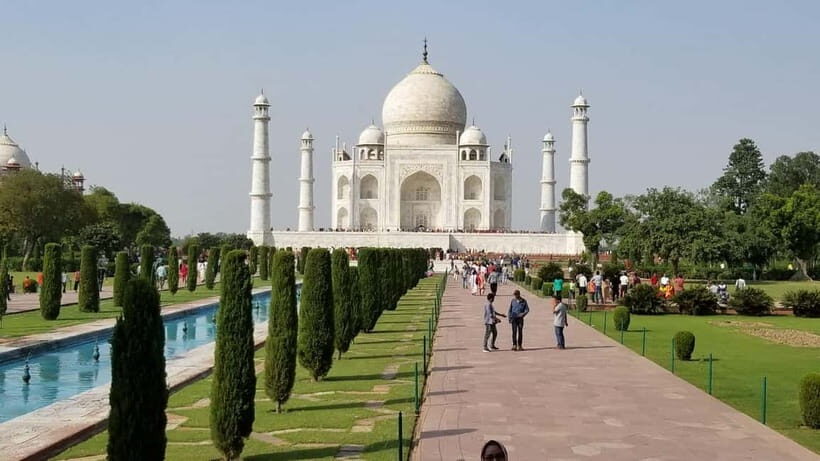
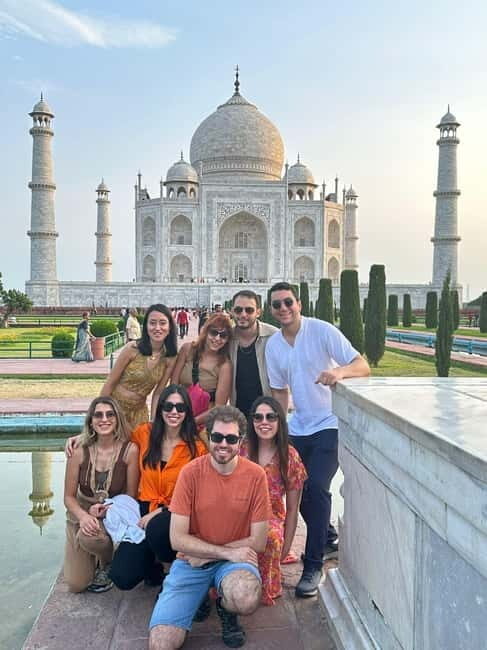
Day one starts with Agra and its headline act: the Taj Mahal. This is one of those places where photos are nice, but the real impact is scale and detail. You’ll want to pace yourself. Don’t rush your first look. Let your eyes adjust. Then look for the stone patterns and the way the complex frames the main view.
The Taj is also where a guide earns their fee. If your Taj Mahal guide is Kashif (one name that pops up in guide notes), you’ll likely get solid context and help with photo timing. Even if you’re not a “history person,” you’ll appreciate knowing what you’re seeing and what to look for as the light changes.
After Taj Mahal, you head to the Agra Fort, another UNESCO site and a major change of mood from the Taj. The Taj is about grace and symmetry; Agra Fort feels more like power and practicality—fortifications, walls, and the sense of how an empire protected itself. If your Agra guide is Ashish Dass (also mentioned in guide feedback), you can expect a lot of explanation that helps you understand why the fort looks the way it does, and why it mattered.
The trade-off on day one is heat and stamina. You’re doing big outdoor stops right after the Delhi-to-Agra drive. Plan to wear comfortable clothes, bring a towel, and expect you’ll sweat. The good news? Bottled water is included, and a guide helps keep you moving efficiently so you’re not wasting energy stuck in slow logistics.
What I’d watch for at Agra Fort
- Shade and walking distances: forts aren’t “one-room museums.” You’ll walk.
- Time for photos without burnout: take fewer photos, but better ones.
- Ask about layout: a quick explanation turns the fort from walls into a story.
Arriving in Jaipur: Why the One-Night Hotel Option Helps
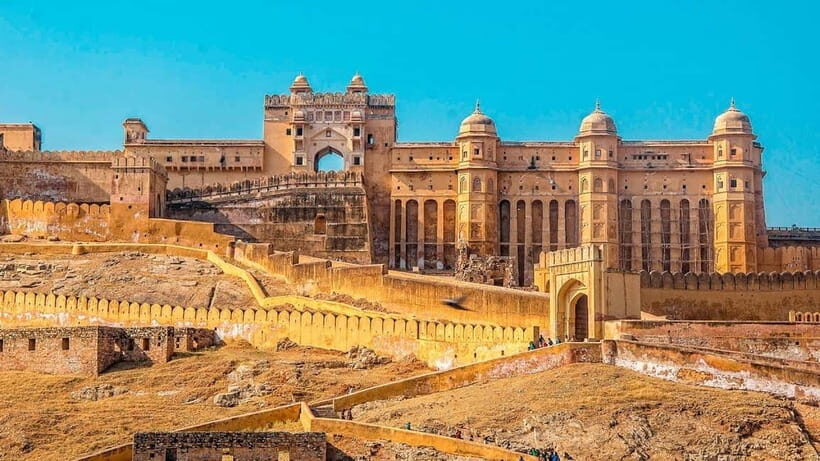
Once you’re done with Agra, you drive to Jaipur and check into your hotel for the night (if you choose the option that includes accommodation). This part matters more than it sounds. Skipping the overnight would turn Jaipur into a two-stop sprint—and Jaipur deserves more than that.
The city gets a nickname for a reason, and you’ll feel it the moment you’re there: Jaipur has a distinct visual identity, and it’s built around landmarks that look different depending on where you stand. You’re also more likely to enjoy the evening and morning if you’re not trying to return to Delhi immediately.
In terms of included perks, you’ll get breakfast at the hotel. That’s helpful because it keeps day two from starting with a scavenger hunt for food. You’ll want to eat something solid before heading to forts and viewpoints.
Day 2: Amer Fort, Hawa Mahal, City Palace, and Jantar Mantar
Day two is the Jaipur highlight sweep. You’ll see a mix of royal power, street-level iconic architecture, and scientific/astronomical design—all in one day.






Amer Fort: the big fort stop
The day typically starts with Amer Fort. This is where Jaipur turns from “pretty buildings” into a place that feels like you’ve stepped into a fortified world. Expect a good chunk of walking, and expect the fort to feel like multiple layers of space rather than a single highlight photo.
A guide can be especially valuable here because Amer Fort has meaning in its layout. If your guide in Jaipur is Rhagu (another name that shows up in tour feedback), you’ll likely get clear explanations and a broader picture of India—not just facts, but how to connect what you see to how people lived.
Hawa Mahal: the famous facade stop
Then you move to Hawa Mahal, often called the “Palace of Winds.” It’s famous for its exterior look—lots of windows, lots of repetition. If you’re expecting a grand interior like a palace museum, you might be surprised. The real star is the facade and how it sits in the city.
City Palace: where royal rooms become visual cues
Next is the City Palace. This is less about one iconic angle and more about how the complex reads as a royal compound. You’ll get a sense of power and administration, and the layout helps explain why this was not just a residence but a hub.
Jantar Mantar: the surprise science stop
Finally, Jantar Mantar. This is the one that can catch people off guard—in a good way. It’s tied to astronomy and instruments designed to measure things in the sky. Even if you don’t remember the details, seeing the instruments in real scale makes the “science” aspect feel tangible, not abstract.
For me, the best way to enjoy Jantar Mantar is to let your guide point out what each structure is for. Otherwise it can read like random stone shapes. With a bit of context, it turns into a real “aha” stop.
The Car Ride Reality: Comfort, Pace, and Photo Timing

Let’s be honest: this tour is built on car time. You’re doing long road legs, and that affects how you feel. The upside is that you avoid the hassle of navigating between sites. The downside is that you’ll be sitting a lot.
One practical tip based on what people mention in feedback: if comfort is a priority, consider upgrading the car. A review notes upgrading to an SUV for an extra $100, and the main benefit described was a safer, more comfortable drive. That’s the kind of choice that can make the difference between feeling tired and feeling okay after each leg.
Also, remember the tour includes air-conditioned vehicle and bottled water, which helps. Still, plan for the human stuff: bring your own water if you like, use sunscreen, and wear layers. Delhi-area mornings can be pleasant and then you hit different temperatures by midday.
How to make the driving days feel shorter
- Download offline maps for peace of mind, even if you’re not driving.
- Keep one “snack kit” ready. The tour doesn’t list meals during the day.
- Use your phone camera sparingly so you’re not constantly stopping yourself mentally.
Price and Value: What $107 Covers (and Why It Can Be Worth It)
At $107 per person for a 2-day private Golden Triangle, the value comes from what you’re not doing yourself: you’re not arranging transfers, not lining up guides at each stop, and not negotiating entry-time chaos. You’re paying for a system.
Here’s what’s included:
- Private air-conditioned vehicle
- Professional guide
- Bottled water
- Hotel/airport pickup and drop-off
- One night accommodation in Jaipur if you pick the option that includes it
- Breakfast at the hotel
- Skip the ticket line for the included sights
Not included:
- Monument fees
- Meals and drinks (beyond what’s stated)
So the math isn’t just “$107 is cheap or expensive.” It’s whether you want to spend your time coordinating transport, tickets, and pacing—or let a team handle it. In this part of India, that kind of organization usually saves stress, and stress is a real travel cost.
Also, because it’s private, your guide can adjust. That matters in places where weather, crowding, and walking speed can change the day quickly. With a private group, you’re not stuck with a slow mover or forced to rush with someone else’s pace.
Pickup Zones and Getting Ready Without Hassle
The pickup is included from your hotel in Delhi, Noida, or Gurugram. That’s useful because it removes the need to find a central meeting point when you’re tired from travel, traffic, or work.
Bring:
- Passport or ID card
- Towel
- Comfortable clothes
And note what you can’t bring/do:
- No smoking
- No drones
- No chewing gum
Those rules are normal for many Indian sites, but it’s worth reminding yourself so you’re not stuck before you get in.
Languages you can expect from the guide: English, German, French, Russian, Spanish. If you’re traveling with someone who struggles with English, this is a serious advantage.
Who This Tour Fits Best (and Who Might Want a Different Option)
This tour is best if you want:
- A private plan with a guide you can actually talk to
- The big Golden Triangle sights in two days without self-planning
- A comfortable way to handle transfers between Agra and Jaipur
- You’re okay with long car legs and walking at fort and palace stops
It may not be a great match if:
- You’re pregnant (it’s listed as not suitable)
- You’re under 120 cm (not suitable below 3 ft 9 in)
- You hate road time and want a slower pace with fewer transfers
If you’re traveling with kids, you’ll want to think about energy and walking distances. Even if the route is “guided,” you still have to physically move through forts and complexes.
Should You Book the Delhi–Agra–Jaipur 2-Day Tour?
If you want a clean, organized way to see Agra and Jaipur fast, I think this is a strong booking choice. The combination of private transfers, a professional guide, and skip-the-line helps you use your limited time well. The overnight hotel option is also a smart feature because it gives you a proper start to Jaipur instead of turning the second day into a rushed dash.
Book it if:
- You like structure and want to maximize sightseeing
- You’re comfortable with a lot of driving
- You want a guide explanation for places like Taj Mahal and Jantar Mantar
Skip it if:
- You’re traveling on a tight budget for monument fees and don’t want additional costs
- You’re very sensitive to long road legs or heavy walking
If you do book, one tip that pays off: plan to dress for heat, bring the towel you’re asked to bring, and don’t overpack your day with extra stops on the fly. Let the tour do its job.
FAQ
What’s included in this 2-day trip?
It includes an air-conditioned private vehicle, bottled water, pickup and drop-off from your hotel/airport in Delhi area (Delhi, Noida, Gurugram), a professional guide, and skip-the-ticket-line entry. If you choose the option with accommodation, you also get one night in a Jaipur hotel and breakfast in the hotel.
Are monument entrance fees included?
No. Monument fees are not included.
Is this a private tour or a group tour?
It’s a private group tour.
What languages are available for the live guide?
The guide is available in English, German, French, Russian, and Spanish.
Where does pickup happen?
Pickup is included from hotels in Delhi, Noida, and Gurugram.
What’s the cancellation and payment flexibility?
You can cancel up to 24 hours in advance for a full refund. There’s also a reserve now & pay later option, so you can book without paying immediately.