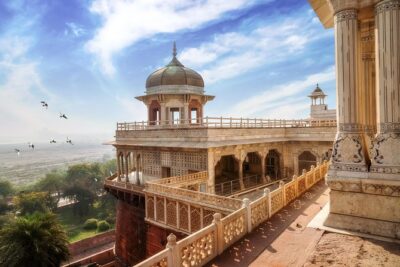
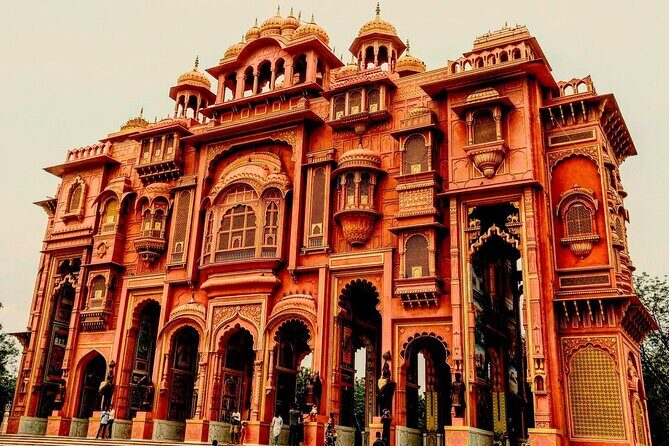
Delhi has layers, and this route links them fast. You’ll see how South Delhi holds onto the past while making room for new art—starting in Mehrauli Archaeological Park and ending in Sunder Nursery. It’s a compact day that uses a small group and an air-conditioned car so you spend less time stuck in traffic and more time actually looking.
What I like most is the blend of archaeology + street art, not just one type of sightseeing. I also like the way the tour builds in a real pause—coffee and a break in art-and-culture spaces, plus time to browse what local creatives make.
One drawback to factor in: the schedule can include optional stops tied to specific local partners, and those can change depending on what’s operating. So if a particular recycled-products charity stop is important to you, it’s smart to ask before you go.
In This Review
- Key things I’d prioritize on this tour
- A smart South Delhi loop: old monuments, public art, and garden peace
- Mehrauli Archaeological Park: 100+ monuments from the 12th century
- What you’ll enjoy here
- What to watch out for
- Lodhi Art District: India’s first open-air public art space
- A practical way to enjoy it
- The one thing to consider
- The art-and-culture alley break and coffee stop
- A note on “recycled souvenir” stops
- Sunder Nursery: Mughal-era gardens as your city reset
- What makes this ending work
- What to watch out for
- The pace, the car, and the small-group format (why 5 hours feels right)
- Who this pace suits best
- Price and value: what $36 buys in a 5-hour guided loop
- Practical tips before you go (so your day stays easy)
- Should you book this Delhi street art and heritage parks tour?
- FAQ
- What’s included in the tour?
- Where does the tour take place?
- How long is the tour?
- What’s the group size?
- Is the tour guided, and what language is it in?
- Do I get pickup from my hotel?
- Can children join?
- Is the tour wheelchair accessible?
- What should I bring and wear?
- What’s the cancellation and payment flexibility?
- Does the tour include the Jugaad to Karm Marg recycled-products stop?
Key things I’d prioritize on this tour

- Mehrauli Archaeological Park: a guided walk through a major 12th-century archaeological area with 100+ historic monuments
- Lodhi Art District murals: a structured way to see India’s first open-air public art space without wandering blindly
- Sunder Nursery calm: Mughal-era monuments and gardens that actually feel like a reset from the city
- Coffee in a hidden alley of culture: a small, intentional stop that connects street art to everyday life
- Small-group pace (max 12): enough attention from your guide while still seeing multiple neighborhoods in one day
A smart South Delhi loop: old monuments, public art, and garden peace

This tour works because it’s designed like a story with three chapters. You start in a large archaeological zone, shift to modern street art in a dedicated creative district, then finish in a heritage garden where the noise drops away. In a city where time can disappear in traffic, that sequence keeps your day moving while still letting you slow down and look.
You’ll get an air-conditioned car for the transfers, and you’ll do walking for the stops where it matters. That means you can focus on the art, the monuments, and the atmosphere rather than fighting the logistics. The group stays small—up to 12 people—so your English-language guide can respond if you ask follow-up questions about what you’re seeing.
One more detail I appreciate: you’re not only consuming sights. The tour is framed around supporting local artists and eco-friendly cafés, and it’s listed as carbon neutral, operated by a B Corp certified company using travel as a force for good. Even if you’re not trying to be a “green tourist,” it adds a layer of meaning to what can otherwise feel like a checklist day.
You can also read our reviews of more historical tours in New Delhi



Mehrauli Archaeological Park: 100+ monuments from the 12th century
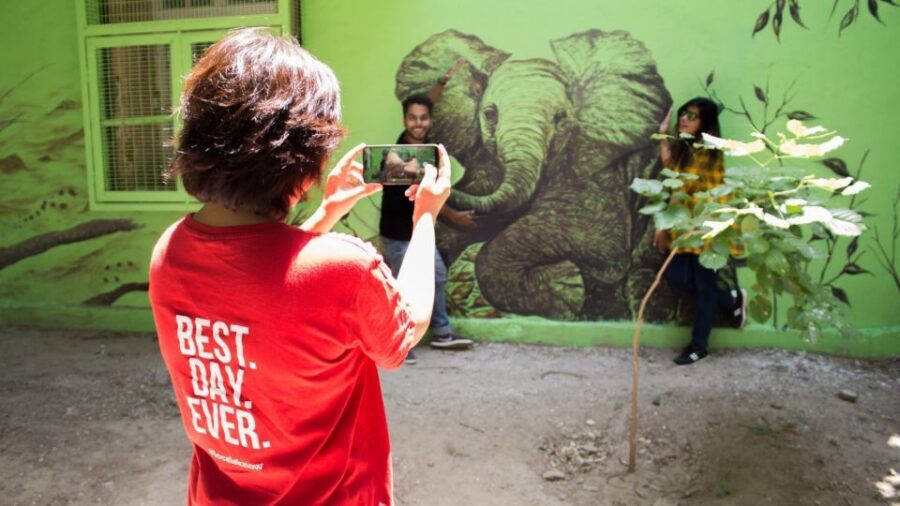
Mehrauli Archaeological Park is the kind of place that rewards a guide. On paper, it’s big and historic. In practice, it’s easy to get turned around unless someone helps you understand what you’re looking at and why it’s significant.
You’ll visit this archaeological park with a guided tour, and you’ll be looking at 100+ historic monuments dating back to the 12th century. That matters because you’re not getting a single “photo moment.” Instead, you’re getting a sense of how a place like this grows over time—how older layers sit next to later ones, and how Delhi’s long timeline can exist in one walking area.
What you’ll enjoy here
- The chance to see a serious stretch of heritage without feeling rushed
- A guided structure that makes the place easier to understand
- A strong start to the day before you shift into modern street art
What to watch out for
You should wear comfortable shoes. This stop is a guided park visit with walking involved, and the rest of the tour includes additional strolling. If your feet are sensitive, plan accordingly.
Lodhi Art District: India’s first open-air public art space
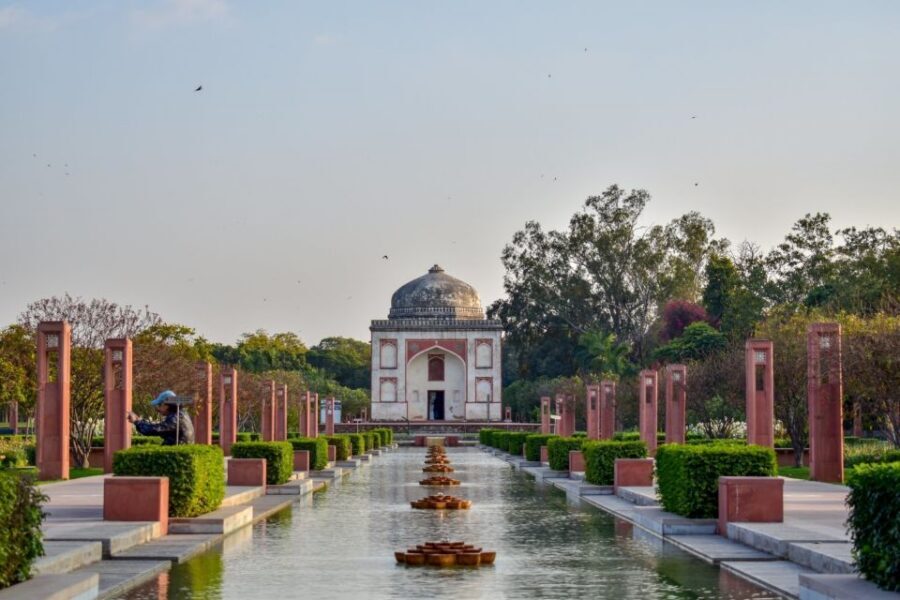
After the archaeological park, the energy changes. Lodhi Art District is about visibility—street murals, walls, and public creativity in a space designed for art to be seen by passersby.
This stop is described as India’s first open-air public art space, and your guide takes you through it with a guided visit. That’s helpful because street art can be fun to look at, but it’s also easy to miss context. With a guide, you’re more likely to notice recurring themes, styles, and the way the neighborhood uses art as a language.
If you’re into photography, this is where you’ll feel like you’re getting beyond generic city snapshots. And even if you’re not chasing pictures, it’s a lively shift in mood after the monument-focused morning.






A practical way to enjoy it
Plan to slow down at intersections and along the main mural stretches rather than treating it like a quick walk-through. With a small group, your pace is more flexible, and you can spend extra time on the pieces that catch your eye.
The one thing to consider
Street art districts can vary in how much there is to see on any given day. You still get the guided route, but the exact wall-by-wall experience depends on what’s currently on display.
The art-and-culture alley break and coffee stop
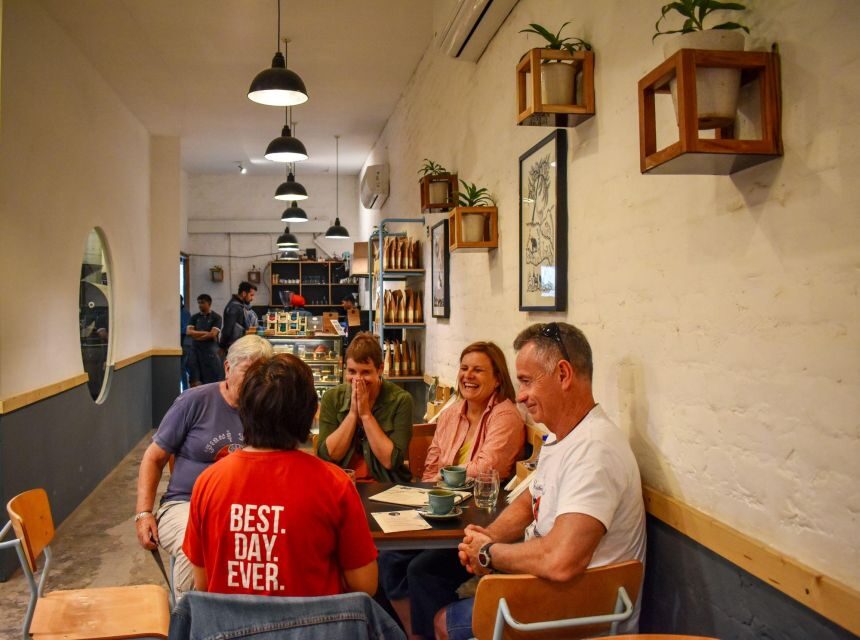
Between the big destination stops, the tour includes a tucked-away alley filled with art and everyday culture—plus a break that centers on coffee.
You’ll have time to sip coffee in a hidden alley setting tied to art and culture. This isn’t just a caffeine pause. It connects what you’ve been looking at (art on walls) to how people live around it (small spaces, cafés, and local creative energy). That connection is often what makes a short tour feel more memorable.
There’s also a sustainability-focused café stop built into the plan. And in at least one version of the experience, there’s been an emphasis on recycled-product shopping tied to an art colony area where people can buy locally made items.
A note on “recycled souvenir” stops
One published itinerary detail can change. A guide previously explained that a stop described as Jugaad to Karm Marg for recycled products wasn’t operating after Corona times, and the provider adjusted the tour accordingly. If that recycled-product stop is on your must-do list, ask the operator ahead of time whether it’s currently part of the route.
Sunder Nursery: Mughal-era gardens as your city reset

Ending in Sunder Nursery is a smart move. You go from public art walls and archaeological monuments into a heritage park designed for atmosphere—where gardens and Mughal-era monuments do the heavy lifting.
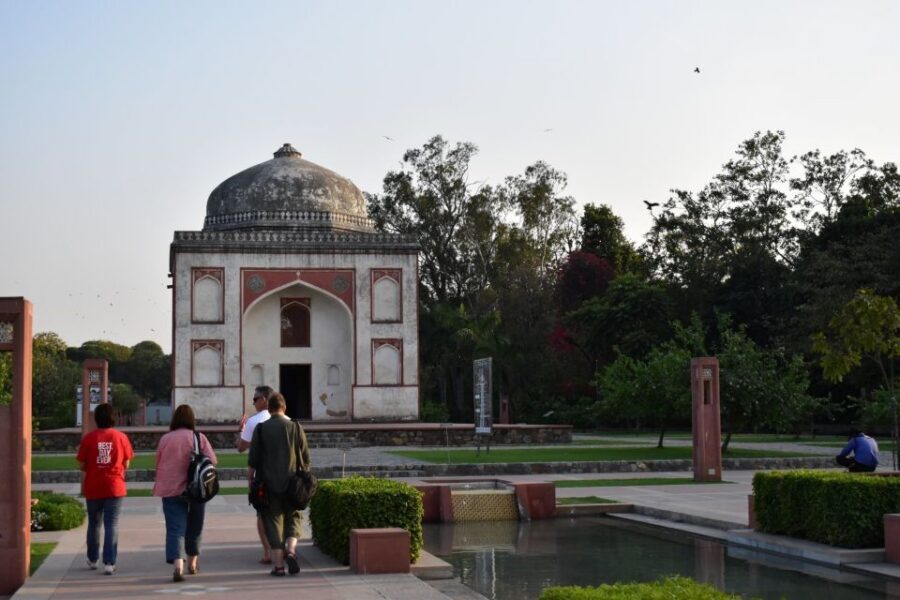
You’ll arrive at Sunder Nursery for a guided tour. This stop is described as a peaceful heritage park with Mughal-era monuments and lush gardens, and it’s the perfect escape from city buzz. In plain terms: it’s where your brain stops scanning and starts breathing.
What makes this ending work
- It gives your legs a different kind of walking—slower, scenic, more restorative
- It shifts from “urban surfaces” to “heritage garden space”
- It’s a strong contrast after Lodhi Art District
A past highlight also described it as newly refurbished botanical garden territory, which helps explain why people often leave this section feeling refreshed rather than tired. The size of the green spaces also helps: you don’t feel like you’re just rushing through a small patch of greenery.
What to watch out for
Sunder Nursery is still a walking-based park visit. If you’ve got knee issues or plan to spend time standing around for photos, wear shoes with good grip and support.
The pace, the car, and the small-group format (why 5 hours feels right)
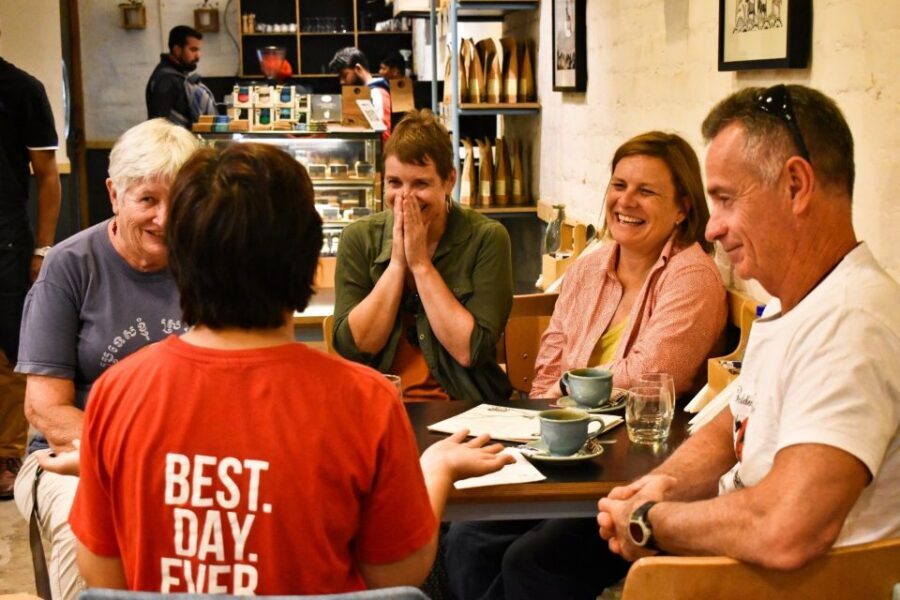
A 5-hour tour is long enough to connect the dots, and short enough to stay sharp. The route uses an air-conditioned car for transfers, which matters in Delhi. You’ll also get a pick-up from a centrally located hotel in Delhi (New Delhi).
The tour is designed around a balance of driving and walking. One reason this works for many people is that you’re not spending the whole day either stuck in traffic or doing nonstop sightseeing on foot. Instead, you get active time at each destination and then comfortable travel between them.
Your group size is capped at 12 people. That small limit shows up in how the guide can manage the route and answer questions without the tour feeling like a conveyor belt.
Who this pace suits best
- If you want more than one style of Delhi in a single outing
- If you like structure but still want time to look closely
- If you’d rather do a guided route than self-navigate across multiple neighborhoods
Price and value: what $36 buys in a 5-hour guided loop
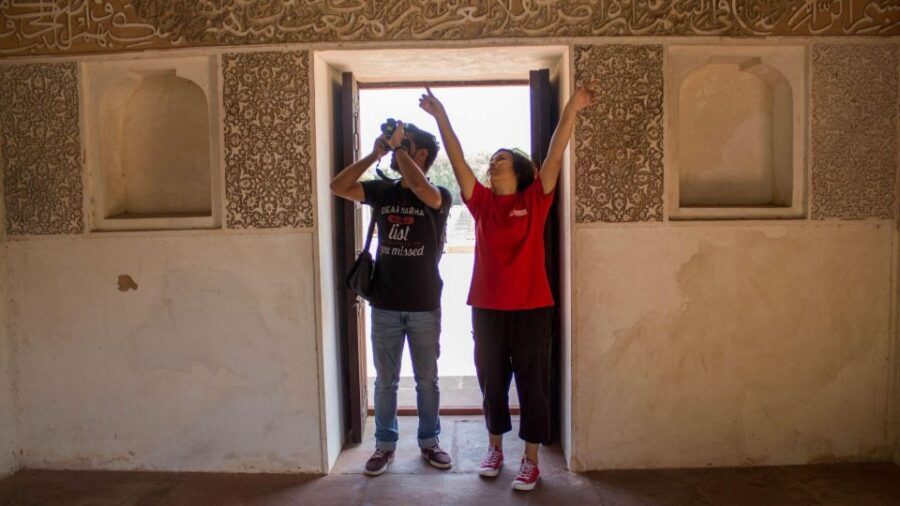
At $36 per person for 5 hours, the value comes from what’s included in the experience—not just the sightseeing.
You’re paying for:
- Guided visits at multiple sites: archaeology, open-air art, and heritage gardens
- Transport by air-conditioned car between stops
- English live tour guiding
- A coffee/café break built into the route
When you combine those elements, the price starts to make sense as “one paid day of planning” rather than “three separate tickets and route-building exercises.” If you’re traveling with limited time in Delhi, this kind of guided loop can save you mental effort and help you see more with less stress.
The only value caveat: if you’re specifically chasing a particular recycled-products charity stop (like the Jugaad to Karm Marg detail mentioned earlier), itinerary adjustments can affect what you get. It’s not a dealbreaker for most people, but it’s worth asking upfront if that’s a core goal.
Practical tips before you go (so your day stays easy)
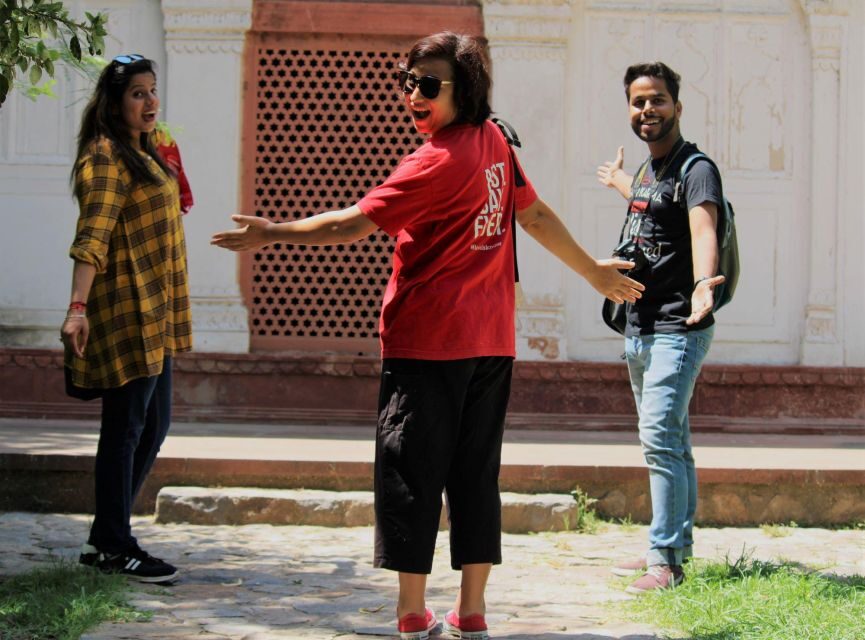
A few practical points will make a real difference:
- Wear comfortable shoes. You’ll be walking at each major stop.
- Dress modestly. This is explicitly mentioned, and it’ll help you feel comfortable in more formal heritage spaces.
- Keep your expectations realistic for a 5-hour tour: you’re seeing three major areas plus a café/alley break, not doing a week’s worth of archaeology reading.
Also, because the tour is carbon neutral and run by a B Corp certified company, it’s a good fit if you like your travel to align with sustainability and local impact themes. You’re supporting local artists and eco-friendly cafés as part of the structure of the day.
Should you book this Delhi street art and heritage parks tour?
I’d book it if you want a South Delhi day that blends history you can walk through, modern creativity in public spaces, and a garden finish that isn’t exhausting. The small group format, the guided pacing, and the café break make it feel like more than just hopping between landmarks.
I’d think twice if:
- You need a very specific optional recycled-products stop to be included, since parts of the route can change depending on what’s operating.
- You’re hoping for zero walking. This tour includes guided park and district walking, and shoes are non-negotiable.
If you’re the kind of person who likes your city time to include both old stone and fresh paint—and you appreciate a thoughtful coffee break—this is a solid, good-value choice.
FAQ
What’s included in the tour?
The tour includes guided visits at Mehrauli Archaeological Park, Lodhi Art District, and Sunder Nursery, plus a coffee/café break in an art-and-culture alley area, with transport by air-conditioned car.
Where does the tour take place?
The tour takes place in South Delhi, India, starting from New Delhi for pickup and returning you back to New Delhi.
How long is the tour?
The duration is 5 hours.
What’s the group size?
The tour runs as a small group with a maximum of 12 people.
Is the tour guided, and what language is it in?
Yes. You’ll have a live tour guide in English.
Do I get pickup from my hotel?
Yes. Pickup is included from a centrally located hotel in Delhi. You should wait in the hotel lobby about 5 minutes before the scheduled pickup time.
Can children join?
Yes. Children ages 6 to 11 inclusive are permitted on this tour at the listed rate.
Is the tour wheelchair accessible?
Yes, the tour is listed as wheelchair accessible.
What should I bring and wear?
Wear comfortable shoes and dress modestly.
What’s the cancellation and payment flexibility?
You can cancel up to 24 hours in advance for a full refund. You can also reserve now and pay later, with pay nothing today.
Does the tour include the Jugaad to Karm Marg recycled-products stop?
Some versions described a stop related to Jugaad to Karm Marg for recycled products, but it has been noted that it wasn’t operating after Corona times. Ask the operator whether it’s currently included.