REVIEW · JAIPUR
Cooking class & meal (Indian Food) with local family in Jaipur.
Book on Viator →Operated by Sunshine India Tours · Bookable on Viator
A Jaipur home cooking class feels personal in the best way. You learn North Indian vegetarian favorites right where a family actually cooks, and you eat what you make at the end. Expect small-group attention, spice-focused instruction, and real conversation over chai and meals.
What I like most is the warm, human side of the experience. In particular, I love how a host like Suman welcomes you into the kitchen, and how that comes with friendly chat that can stretch beyond food, even to the grandfather’s stories.
One thing to consider: pickup is on request for select hotels. If your hotel isn’t in the pickup area, you’ll start at the meeting point at Smart N Shiny in Vaishali Nagar, so plan to arrive on time.
In This Review
- Key highlights you should know
- A Jaipur kitchen lesson that starts with chai and ends with real food
- Getting to the meeting point or getting picked up
- Welcome in a local home: chai first, then the kitchen work
- Cooking dal and curries: the real spice lesson
- Aloo gobi and the joy of hands-on prep
- Chapattis and chai: practical skills you can repeat at home
- Eating together: dine on your creations, unlimited meal style
- What recipes you get (and how to use them)
- Group size and personal attention: why max 10 makes a difference
- Price and value: what $23 really buys you
- Who this class is best for
- Practical tips before you go
- Should you book this Jaipur cooking class?
- FAQ
- How long is the Jaipur cooking class?
- Is pickup from hotels available?
- What dishes will I learn to cook?
- What size is the group?
- Will I eat the meal after cooking?
- What is the cancellation policy?
Key highlights you should know
- Small group size (max 10) means you get hands-on help, not a spectator seat.
- Learn curries and spice technique in a real home kitchen, not a demo studio.
- Masala chai + chapattis are part of the practical cooking flow, not just a side show.
- Eat what you cook with a family-style meal at the end.
- Meet the household rhythm through conversation about traditions, weddings, Gods, and daily life.
- Recipes included, so you can repeat dal and aloo gobi after you get home.
A Jaipur kitchen lesson that starts with chai and ends with real food
This cooking class in Jaipur is built around one simple idea: you’re not just learning recipes, you’re joining a family meal. You show up, get welcomed, cook, and then sit down to enjoy the results together. It’s the kind of activity that tends to feel more like a shared afternoon than a formal tour.
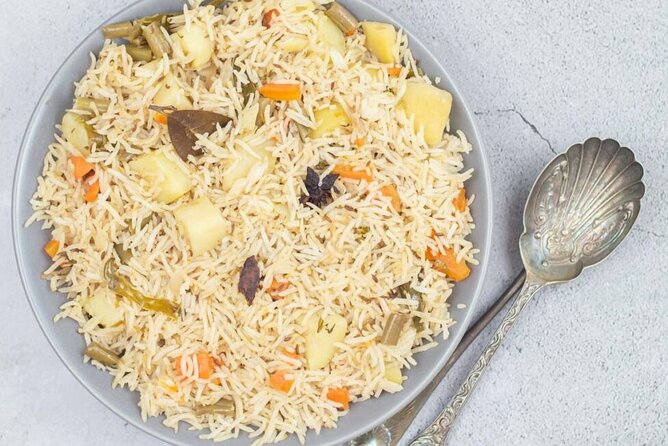
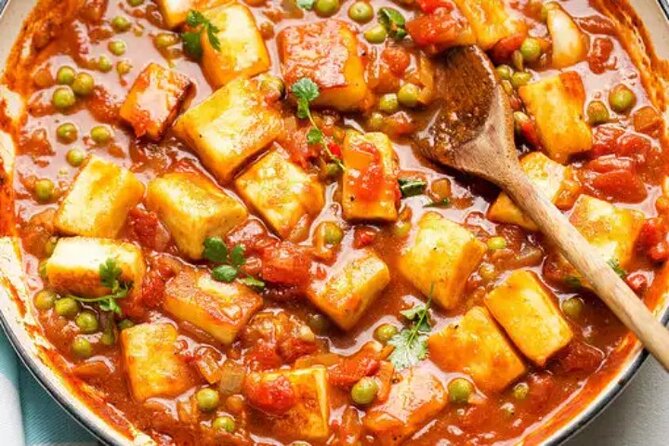
The course centers on North Indian comfort food, especially vegetarian dishes. You’ll work with staples like dal and potatoes in aloo gobi, plus you’ll make other curries and sides that fit a typical home menu. It’s a great match if you want practical skills and the confidence to cook Indian food later, not just a one-time tasting.
Because it’s a small group (up to 10), you’re more likely to get specific help with what’s happening in your pan. That matters in Indian cooking, where heat, spice timing, and consistency can change the final result fast.
You can also read our reviews of more food & drink experiences in Jaipur



Getting to the meeting point or getting picked up
You have two ways to start. There’s a set meeting point at Smart N Shiny near Vaishali Nagar in Jaipur, and pickup is offered on request from select hotels. A mobile ticket is used for entry, and you should receive confirmation at booking.
Why this matters: if you’re relying on pickup, you’ll want to confirm your pickup details early. If pickup isn’t available for your accommodation, you’ll need to get yourself to Smart N Shiny on Vaishali Nagar, which is described as near public transportation. Either way, give yourself a little buffer time so you arrive relaxed and ready to cook.
Welcome in a local home: chai first, then the kitchen work
The experience usually kicks off with a friendly welcome and the first ritual of the day: masala chai. Based on the style described in the reviews, you’ll get welcomed by the household, settle in, and start with conversation that helps you understand the family’s life and culture. People have mentioned being greeted warmly by the host family, including Suman, with more relaxed chat that can include family members like the grandfather.
From your perspective, this sets the tone. You’re not rushed into measuring spices in silence. You’re eased into the household flow, which makes the cooking instruction feel more personal and less like a class you’re trying to “get through.”
Then the kitchen work begins. Expect interactive coaching from the household chefs, with an emphasis on how spices are used in everyday cooking. That’s one of the most useful parts of the class—learning the method behind the flavor, not just copying a list.
Cooking dal and curries: the real spice lesson
A big focus is on classic North Indian curries—vegetarian dal and multiple curry dishes. You’ll learn to make several items during the session, and the flow is designed so you aren’t just watching. You’ll be cooking along, rolling up your sleeves, and getting guidance while your food is actually on the heat.
The class also aims to teach the spice logic. You’ll hear about the “secrets” of Indian spices as taught directly by household chefs. Even if you already know a few Indian spice names, this kind of instruction helps you understand how spices interact with heat and ingredients. That makes your later cooking more reliable.
One practical tip: don’t be afraid to ask questions while something is simmering. In a home kitchen, timing shifts depending on the pan and the stove, so asking early helps you avoid overcooking or under-reducing your curries.
Also, note that the menu emphasizes vegetarian North Indian comfort food. If you’re expecting seafood or meat-focused dishes, this may not match what you’re looking for.
Aloo gobi and the joy of hands-on prep
Potatoes show up in the form of aloo gobi, a North Indian favorite that balances tender potato with cabbage and spiced seasoning. In a home cooking class setting, you typically get guided steps for prepping, seasoning, and cooking until the texture feels right.
Why aloo gobi is such a great learning dish: it teaches you how to build flavor without relying on a single sauce base. You’ll get practice handling spices and vegetables in a way that can translate to other Indian vegetarian dishes later.
You’ll also likely get a feel for how Indian households manage batch cooking. Curries and sides aren’t treated as separate “projects.” They’re part of one meal rhythm, which is exactly what makes the final dinner feel coherent.
You can also read our reviews of more tours and experiences in Jaipur





Chapattis and chai: practical skills you can repeat at home
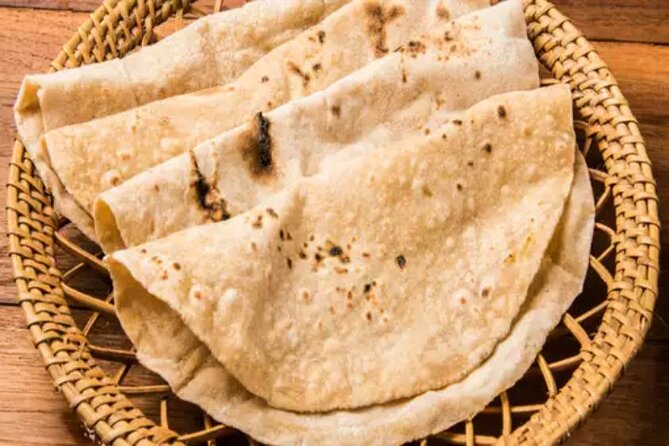
Rolling chapattis is often where people feel both challenged and proud. You’ll learn how to roll chapattis as part of the session. The point isn’t perfection on the first try—it’s learning how dough should feel and how to shape it without panicking.
And yes, the day includes chai. This isn’t only about tasting; it fits into the practical cooking flow. Making masala chai teaches you about spice-to-liquid balance and the idea that Indian drinks are built on technique, not just ingredients.
If you’re a foodie who wants kitchen confidence, this combination is a smart one: curries teach flavor building, while chapattis teach everyday execution you’ll use again.
Eating together: dine on your creations, unlimited meal style
The payoff comes at the end: you get to dine on your creations. Reviews describe enjoying the meal with the family after cooking, and the experience is described as an unlimited delicious meal with your host. That’s more than a perk. It’s part of the learning design.
Why that’s valuable: you taste your food while it’s still aligned with what you cooked earlier. Then you can connect instruction to real results. If your dal tasted too thick or your curry needed more balance, you’ll understand what you did and how it changed the outcome.
It’s also a social moment. Since this is a local home setting, the conversation often continues beyond cooking. You may talk about traditions, weddings, Gods, and day-to-day routines—how a joint family system works, and what daily life can look like in Jaipur.
What recipes you get (and how to use them)

The class includes getting recipes. That can be genuinely useful if you want to recreate the dishes later without relying on guesswork. Indian cooking often depends on feel—consistency, timing, and heat level—so a written recipe helps you remember the steps the next time you cook.
Practical approach I recommend: cook one dish first from the recipe—like dal or aloo gobi—and don’t try to reproduce the entire meal on your first attempt. Once you understand how the spice blend and the simmer time behave, you’ll be able to scale up.
Also, use the recipe as a guide, not a prison. If your stove runs hotter or your pan evaporates faster, you’ll need small adjustments. Learning in a home kitchen helps because you’re not just reading; you’re seeing what changes when heat changes.
Group size and personal attention: why max 10 makes a difference
With up to 10 travelers, you’re more likely to get real feedback while you’re cooking. That matters for tasks like chapattis and multi-step curries, where one small misstep can snowball quickly.
Personal attention also helps if you have spice sensitivity or preferences. While the class details focus on classic dishes like dal and aloo gobi, you can still ask what to adjust—like spice level—while cooking happens. In a small group, your questions get answered instead of being swallowed by a crowd.
Price and value: what $23 really buys you
At about $23 for roughly 2 hours, this class is priced to feel accessible. The value isn’t just the cooking lesson. You’re also getting:
- a meal based on what you cook
- chai and typical home hospitality
- recipes
- small-group instruction in a local home setting
- optional pickup from select hotels
In many places, you’d pay far more for a restaurant meal plus a basic food “experience.” Here, you’re paying for hands-on cooking and the chance to see how a household builds a full North Indian vegetarian meal. That’s why the pricing tends to feel fair, especially if you like food with cultural context.
Who this class is best for
This experience is a strong fit if:
- you want a hands-on cooking class instead of a lecture
- you’re into North Indian vegetarian food like dal, aloo gobi, curries, and chapattis
- you like learning through conversation with local hosts
- you want recipes you can actually use later
It may not be the best fit if you only want a quick tasting, or if you’re looking for non-vegetarian or non-North-Indian specialties. The focus is clear: Indian home cooking in Jaipur, with a curriculum built around classic vegetarian dishes.
Practical tips before you go
A home cooking class is simple, but it helps to arrive ready.
- Come hungry. The meal is described as unlimited, and you’ll likely finish satisfied.
- Expect active cooking. You’ll roll chapattis and work on curries, so comfortable clothes help.
- Ask questions while you cook. Heat timing and texture matter, and small answers make a big difference.
- Plan for the start time. If you’re not guaranteed pickup, plan on using the Smart N Shiny meeting point area.
Also, bring an open attitude. Part of the value is the conversation about traditions, weddings, Gods, and daily life. If you approach it like a cozy meal with instruction, you’ll get more out of it.
Should you book this Jaipur cooking class?
If you want an experience that goes beyond tasting and actually teaches you how to cook dal, aloo gobi, chai, and chapattis, I think this is worth booking. The small group size, the home setting, and the chance to eat what you cook make it feel like a complete package for the price.
Book it if you enjoy vegetarian North Indian flavors and you’re excited about learning from a household chef. Skip it if your priority is variety beyond vegetarian North Indian classics or if you need guaranteed pickup without checking your hotel’s pickup eligibility.
FAQ
How long is the Jaipur cooking class?
It lasts about 2 hours.
Is pickup from hotels available?
Yes, pickup is offered from select hotels on request. If pickup isn’t arranged, you’ll meet at Smart N Shiny in Vaishali Nagar.
What dishes will I learn to cook?
You’ll learn North Indian vegetarian dishes such as dal and aloo gobi, plus you’ll make curries, chai, and roll chapattis.
What size is the group?
The group has a maximum of 10 travelers.
Will I eat the meal after cooking?
Yes. You dine on what you cook at the end of the lesson, and the meal is described as unlimited.
What is the cancellation policy?
Free cancellation is available. You can cancel up to 24 hours in advance for a full refund. If you cancel less than 24 hours before the start time, the amount paid is not refunded.