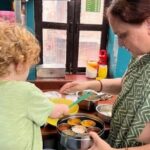
Chai and pakora cooking classes in Jodhpur feel like a warm invitation, not a staged show. You learn two chai styles and make mixed pakora step by step, then you eat what you cook, family-kitchen style. I love the focus on real technique and spices you can copy later, and I also like that the portion of tasting comes with plenty of food (people consistently report it is more than enough). One thing to consider: this runs in the late afternoon, so if you get restless waiting around in a busy area, plan a little patience.
This class is set up as a hands-on, kitchen-to-plate experience. The schedule keeps things moving in about an hour, and it ends right back at the meeting point, so it fits neatly into an evening in the Blue City. The small-group size (up to 15) also matters here, because it makes it easier to ask questions when batter, frying oil, or spice balance is the difference between good and great.
You’ll start at the cooking class location at Khichiyon ka nohra, Bagar Chowk, behind Aradhana English Academy School, near Gulab Sagar. Expect a home-style pace, and expect to smell spices the whole time—cardamom, ginger, and chili notes drifting through the kitchen as you work.
In This Review
- Key things that make this class worth your time
- Why a Jodhpur home-style chai and pakora lesson works
- What you learn: chai flavors and pakora you can name
- Chai: two versions, then a guided tasting
- Pakora: mixed vegetable frying, with technique you can repeat
- The meeting point near Gulab Sagar: how to stay unbothered
- Inside the class: what happens during the hour
- Step 1: getting your chai basics in place
- Step 2: prepping pakora ingredients and seasoning batter
- Step 3: frying and tasting what you made
- Price and value: why $11.32 makes sense here
- Group size and energy: small class, big comfort
- Food and flavor: what you should expect to taste
- Who this chai and pakora class fits best
- Practical tips so your hour goes smoothly
- Should you book this chai and pakora class in Jodhpur?
- FAQ
- Where is the cooking class meeting point?
- What time does the class start?
- How long does the chai and pakora cooking class last?
- What will I learn during the class?
- Do I get to eat what I cook?
- What is the group size limit?
- Do I receive a ticket electronically?
- How soon will I get confirmation after booking?
- What happens if the weather is poor?
Key things that make this class worth your time
- Two chai varieties, taught clearly, so you can recreate the flavor at home
- Mixed vegetable pakora, with guided batter seasoning and frying know-how
- Home-visit feel, where you’re eating in the same space you’re cooking
- Small group size (max 15), which keeps the experience personal
- Extra tasting variety can happen, with past classes including more pakora and chai types than the core lesson
Why a Jodhpur home-style chai and pakora lesson works
Food classes can go one of two ways. Some feel like a “watch and clap” demo. This one is built for the other option: you get hands-on time with doughy, batter-heavy, spice-forward cooking.
That’s the big value. Masala chai and pakora are simple on paper, but the flavor is all in the details—how you warm the spices, how you balance sweetness, and how you get the batter to cling without turning greasy. A guided class helps you learn the logic, not just the steps.
I also like that the experience has a social, family-kitchen vibe. You’re not stuck in a classroom atmosphere. You’re in a real kitchen environment, which makes the whole thing feel like part of Jodhpur life rather than a tourist performance.
You can also read our reviews of more tours and experiences in Jodhpur.



What you learn: chai flavors and pakora you can name
The lesson is organized around two different chai versions and two different pakora styles. In other words, you’re not repeating one recipe eight times. You’ll learn distinct variations so you understand how ingredient choices shift the final taste.
Chai: two versions, then a guided tasting
You’ll learn two chai varieties. People have also reported tasting multiple chai types during their session (like three types of chai). That’s a good sign, because it means you’ll get more than one flavor angle—spice-forward, warmer spice notes, and the classic tea-milk balance that makes chai feel like comfort food.
Practical takeaway for you: you’ll come away with the idea that chai isn’t just tea with milk. It’s a spice method. Once you learn the rhythm of warming and blending, you can adjust it for your own kitchen.
Pakora: mixed vegetable frying, with technique you can repeat
You’ll learn mixed pakora—vegetables (and sometimes bread alternatives, depending on how the class is arranged) coated in seasoned batter and deep fried. The structure is usually centered on two kinds of pakora you make and taste.
Past experiences have mentioned tasting more than the baseline, including sessions with five pakora varieties. Either way, the key is that you’re not only eating. You’re working with batter texture, coating thickness, and frying cues.
Practical takeaway for you: once you understand when the batter is ready and what the coating should look like, pakora becomes one of those dishes you can pull off at home without stress.
The meeting point near Gulab Sagar: how to stay unbothered
Your start point is specific: Khichiyon ka nohra, Bagar Chowk, behind Aradhana English Academy School, near Gulab Sagar, Jodhpur (Rajasthan 342001). Start time is 5:30 pm, and the class ends back at the same meeting point.
A couple of practical notes so you don’t waste time:
- Give yourself a buffer to find the area, since this part of Jodhpur is active and streets can be a bit confusing in late afternoon.
- If you’re using a map app, switch to walking directions early. You’ll get a better sense of which lanes lead toward the academy and the nearby chowk.
This matters because the class itself is about 59 minutes. When a session is under an hour, every minute counts.



Inside the class: what happens during the hour
The format is straightforward: arrive, cook, learn, taste. But what makes it valuable is how quickly the class teaches by doing.
Step 1: getting your chai basics in place
You’ll work on two chai varieties. Expect the kitchen to guide you through the spice setup and the method that turns plain tea into masala chai. You’ll be learning the approach rather than just copying a measurement.
You’re also tasting along the way. That’s important, because chai is sensitive—small changes in heat and spice timing shift the flavor.
Step 2: prepping pakora ingredients and seasoning batter
Then the focus moves to pakora—vegetable mixes coated in seasoned batter. You’ll learn how to season the batter so the flavor is inside the coating, not just on the outside.
This is where the class earns its keep. Many home cooks can follow a recipe, but fewer know how to get the batter texture right for frying. If the batter is too thick, the pakora is heavy. Too thin, and it slides off.
Step 3: frying and tasting what you made
After cooking, you try a piece of what you cooked—vegetable coated in seasoned batter and deep fried. The tasting part is the payoff. It’s also where you can compare the chai styles and pakora variations so the learning sticks.
Based on real past experiences, you may find you get more chai and pakora than you expected, which is a great problem to have. The goal is to leave satisfied, not nibbling a single sample.
Price and value: why $11.32 makes sense here
At $11.32 per person, this is one of those prices that feels almost too good for what you get—especially because it is a home-style cooking experience, not just a single-course meal.
Here’s how I judge value in a class like this:
- You get instruction for multiple dishes (two chai types and pakora variations).
- You get hands-on cooking time, not just watching.
- You get tasting of what you cook.
- You experience a real kitchen atmosphere rather than a separate restaurant dining setup.
Also, the duration is about 59 minutes. For a late-afternoon class, that’s a smart length. You’re not losing an entire evening, and you can still plan dinner afterward if you want.
Group size and energy: small class, big comfort
The class maxes at 15 travelers. That number is small enough that the kitchen doesn’t feel chaotic. It also helps you get answers quickly when you have questions about batter, spices, or timing.
The vibe from past sessions is consistently friendly and warm—less formal, more conversation. People highlight the family-kitchen feeling and the relaxed chat that happens while cooking.
If you like learning in a social way—rather than strictly following a worksheet—this format suits you.
Food and flavor: what you should expect to taste
Chai and pakora are comfort foods, but the experience adds variety through the different versions you make and try. You can expect:
- Chai with different spice balances across the two varieties (and possibly more tasting options)
- Pakora with distinct vegetable mixes and consistent batter technique
- A spicy, savory aroma that follows you out of the kitchen, in a good way
One practical thing: pakora is fried. Even when it is freshly cooked and crisp, it’s not light. If you’re planning a big dinner immediately after, you might want to keep it simple.
Who this chai and pakora class fits best
This class is ideal if you want food skills, not just a meal. It’s especially good for:
- Food lovers who like to understand the method
- Travelers who enjoy home-style, family-kitchen atmospheres
- People who want a short activity with high value during a busy Jodhpur visit
It may be less ideal if:
- You’re hard to please in hands-on settings and prefer strict schedules with zero waiting
- You need a totally quiet experience (this is social cooking, not a silent workshop)
Practical tips so your hour goes smoothly
A few small moves can make the session easier:
- Arrive a few minutes early so you’re not rushing when you find the meeting point near Aradhana English Academy School.
- Wear clothes that can handle kitchen smells. You’ll be close to spices and hot oil.
- Come hungry. Even with the short duration, the tasting portion can be substantial.
- If you’re sensitive to spice, ask about spice levels before frying. You’ll learn the method, but you can also learn how to adjust it.
Should you book this chai and pakora class in Jodhpur?
If you want an authentic, hands-on food experience that doesn’t eat your whole evening, I think this is a strong choice. The biggest reason is simple: you learn multiple chai and pakora variations, cook in a home-style kitchen, and taste what you make—without the tourist-demo feel.
Book it if:
- You like learning spice logic and cooking technique
- You want a short, satisfying activity starting at 5:30 pm
- You’re looking for value around $11.32 that includes instruction plus plenty of food
Skip it if:
- You don’t enjoy cooking with your hands
- You want a long, full-meal restaurant experience rather than a focused cooking session
FAQ
Where is the cooking class meeting point?
The class meets at Khichiyon ka nohra, Bagar Chowk, behind Aradhana English academy school, Gulab Sagar, Jodhpur, Rajasthan 342001, India.
What time does the class start?
The start time is 5:30 pm.
How long does the chai and pakora cooking class last?
The duration is about 59 minutes.
What will I learn during the class?
You will learn two different varieties of masala chai and two different kinds of vegetable mix pakora.
Do I get to eat what I cook?
Yes. After you cook, you can taste what you make.
What is the group size limit?
The class has a maximum of 15 travelers.
Do I receive a ticket electronically?
Yes. It includes a mobile ticket.
How soon will I get confirmation after booking?
You’ll receive confirmation within 48 hours of booking, subject to availability.
What happens if the weather is poor?
This experience requires good weather. If it’s canceled due to poor weather, you’ll be offered a different date or a full refund. You can cancel for free up to 24 hours in advance for a full refund.