REVIEW · AGRA
Agra City Cultural Walk
Book on Viator →Operated by Walks By Arif · Bookable on Viator
Old Agra looks different before the crowds.
This early-morning cultural walk takes you into the old-city lanes when the city is actually getting started, not winding down. You’ll be picked up from your hotel and carried into the old area by a battery-powered eco-friendly rickshaw, then you’ll switch to walking and follow a guide’s stories through everyday streets, religion, and local life.
I especially like two things. First, the guidance from Arif (Walks By Arif) comes through as clear, practical, and full of detail, including how the city’s buildings and spaces have developed over time. Second, the pace leaves room for real morning moments, like slipping toward an early street breakfast when it fits the flow of the walk.
One thing to consider: this is a walking-focused tour in active religious areas, and you’ll need moderate fitness plus the right clothing (knees and shoulders covered for mosque and temple visits).
In This Review
- Key points to know before you go
- Why Old Agra at Dawn Feels Different
- Getting There: Battery Rickshaw Pickup and Realistic Timing
- Stop 1: Agra Fort Railway Station Stories That Put the City in Context
- Stop 2: Shri Mankameshwar Mandir and the Morning Rhythm of Faith
- Stop 3: Jama Masjid for Architecture, Etiquette, and Everyday Learning
- The Walk Between Stops: Lanes, Markets, and Mughal-to-British Clues
- What You Really Get for the $100 Price
- Who This Tour Suits Best in Agra
- Dress Code and Etiquette: Small Rules That Save Your Morning
- Should You Book the Agra City Cultural Walk?
- FAQ
- How long is the Agra City Cultural Walk?
- What is the pickup like?
- Is this tour private or shared?
- What stops are included?
- Are admission tickets included?
- What is included in the price besides the guide?
- What should I wear?
- Do I need a certain fitness level?
- What happens if the weather is bad or I need to cancel?
Key points to know before you go
- Battery-powered eco rickshaw pickup to get you into the old city quickly
- Early morning timing for a calmer, more human view of Agra
- Stops built around real places: Agra Fort Railway Station, Shri Mankameshwar Mandir, and Jama Masjid
- Arif’s English + storytelling style keeps things understandable, not just dates and names
- Private format so it’s only your group during the walk
- Bottled water included for the morning hours
Why Old Agra at Dawn Feels Different
Agra can look very dramatic during the day, but dawn has a quieter truth to it. You see how people move when shops are opening, when prayers are part of the street rhythm, and when daily life drives the scene—not sightseeing buses.
This walk is designed for that timing. You’re not starting with a single monument and calling it a day; you’re starting with the old city as a living place, and letting the guide explain what you’re seeing as you move.
You can also read our reviews of more walking tours in Agra



Getting There: Battery Rickshaw Pickup and Realistic Timing
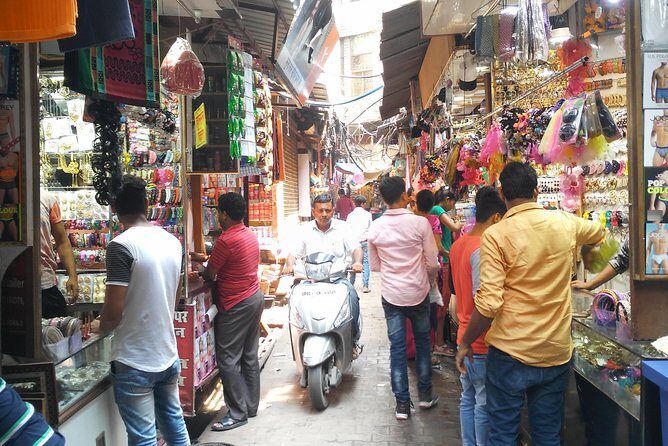
You’ll start early, with hotel pickup and drop-off included. From the hotel, you’re taken into the old city area in a battery-powered eco-friendly rickshaw, which is a helpful match for this kind of walking tour. It cuts down the “too much transit, not enough street time” problem.
The whole tour runs about 2 hours 30 minutes to 3 hours. That matters because it’s long enough for real context in the lanes, but short enough that you won’t feel stuck in one neighborhood all day. It’s also a good slot if you’re in Agra for a quick stop between bigger sights.
Stop 1: Agra Fort Railway Station Stories That Put the City in Context
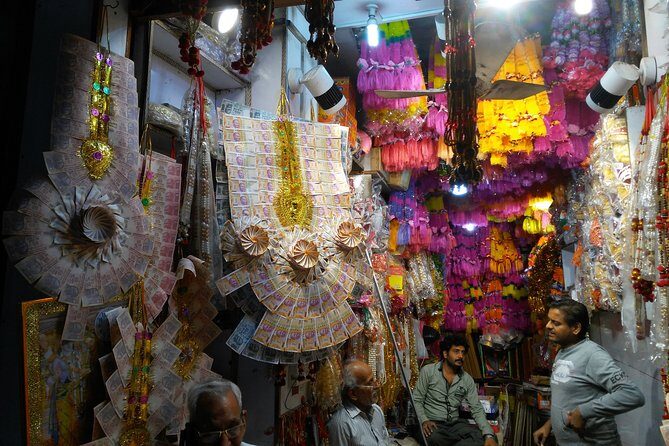
The first stop is at Agra Fort Railway Station, with a short 10-minute history and stories session. Admission for this stop is included, which is a small but smart detail—one less thing to figure out while you’re meeting the day’s schedule.
A railway station is a great choice for understanding a city. It’s a place where movement, commerce, and the city’s changing priorities all show up quickly. Even in a brief stop, you should walk away with a sense of how Agra functions as more than a postcard location.
What to expect: a quick orientation with story-based explanations tied to the surrounding city environment.
Potential drawback: if you’re only chasing famous monuments, a station stop may feel like a surprising opening.
Stop 2: Shri Mankameshwar Mandir and the Morning Rhythm of Faith
Next you’ll visit Shri Mankameshwar Mandir for about 10 minutes. The tour lists admission here as free, so you’re not paying extra to step into this spiritual setting.
A temple visit works well in a morning walk because faith in India isn’t just something you see—it’s something you witness in behavior, timing, and attention. This stop is short, but it helps you understand the religious layer of the old city, not just its buildings.
What to expect: a focused history-and-stories moment tied to the temple setting.
How to handle it: keep your clothing respectful and your camera use calm. Temples and mosques aren’t photo backdrops; they’re places with rules that local worshippers follow every day.
Stop 3: Jama Masjid for Architecture, Etiquette, and Everyday Learning
The final listed stop is Jama Masjid, with only 5 minutes allocated for history and stories, and admission listed as free.
Even with a short time window, Jama Masjid is the kind of site where a few correct explanations change how you read the place. You’ll be listening for how architecture supports worship, and how the old city’s lanes shape access, movement, and daily interaction around the mosque.
Dress code matters here: the tour asks you to cover your knees and shoulders for temple and mosque visits. If you show up in lightweight summer gear that leaves too much exposed, you’ll spend your morning scrambling to fix it—or skipping the experience.
You can also read our reviews of more city tours in Agra






The Walk Between Stops: Lanes, Markets, and Mughal-to-British Clues
The best part of this tour is often the connecting walk. Between the named stops, you’re moving through the old-city fabric—street-level life, small storefronts, and the way older areas get shaped as new eras arrive.
From the way this tour is described, the guide’s job is to connect what you see to what happened: Agra as a powerful city in the Mughal period, then later the effects of British rule, and how those shifts show up in buildings and street patterns. You shouldn’t expect a museum-like route with long indoor lectures. Instead, it’s more like an outdoor lesson, timed to your feet and your senses.
If you like your travel with a little humor and quick context, this format fits. One of the strong points people highlight is that the guide keeps the story flowing while still answering questions in real time.
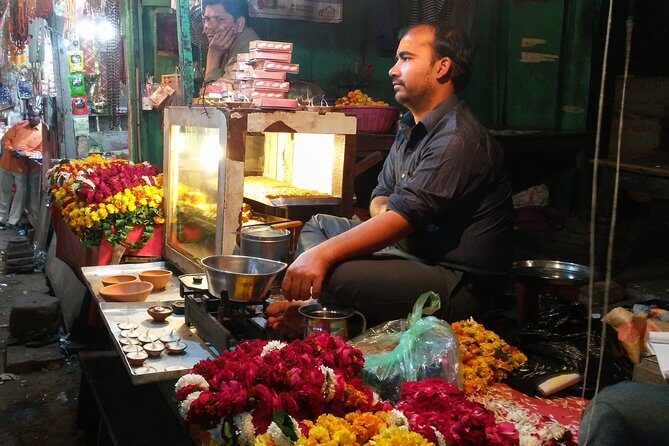
You may also notice the guide naturally guiding you toward everyday touches—like an early street breakfast stop that’s part of the morning atmosphere. That’s not the type of thing you’d easily plan on your own, especially if you don’t know the side streets well.
What You Really Get for the $100 Price
At $100 per person, this isn’t a “cheap add-on,” but it also isn’t charging luxury-money for luxury time. For that cost, you get a professional guide, hotel pickup and drop-off, bottled water, and entry coverage where it’s listed (notably the Agra Fort Railway Station admission). You also get a mobile ticket, plus group discounts if you’re booking with others.
The value angle here is the mix of time and access. Three hours is long enough to build understanding through multiple stops, but short enough to keep it practical. And the early schedule helps you see the old city as lived-in space rather than just a parade route.
When the price feels worth it: if you want a local guide to explain what you’re seeing and you’re staying in Agra long enough to benefit from an early start.
When you might question it: if you mainly want headline monuments and don’t care much about everyday city design, street life, or religious context.
Who This Tour Suits Best in Agra
This walk is ideal if you want the old city as a story, not a checklist. It’s also a smart fit if you’re the type of traveler who asks questions and likes explanations that connect architecture to life.
It tends to work especially well for:
- First-time visitors to Agra who want grounding fast
- People who enjoy markets and street scenes more than major-ticket attractions
- Couples and small groups who prefer a private format instead of a big group crush
The tour notes moderate physical fitness as the requirement. That doesn’t mean it’s extreme, but you should be comfortable walking on uneven lanes and standing for short periods in active areas.
Dress Code and Etiquette: Small Rules That Save Your Morning
The dress code is very clear: cover your knees and shoulders, because you’ll visit a mosque and a temple. Plan your outfit like you mean it. If you pack a light scarf or shawl, it can solve a lot of problems quickly.
Respect works both ways. Keep your pace steady in religious spaces, lower the volume of your voice, and treat pauses as part of the visit instead of interruptions. If you’re unsure about camera use, follow the guide’s lead.
One more practical note: this is an early start. Bring a bit of patience for morning heat and movement. The advantage is that you’ll often have a calmer experience than you’d get later.
Should You Book the Agra City Cultural Walk?
I think you should book it if you want a guide-led, early-morning look at old Agra that explains the city beyond famous landmarks. The route is compact but meaningful, and the pace is built for understanding street life, religion, and how different eras shaped the city.
Skip it only if your trip is so packed that you can’t handle an early start, or if you’d rather spend those few hours at a single major monument instead of walking through everyday lanes.
If you can make the time and you enjoy learning while you move, this is a strong way to get your bearings in Agra fast, with Arif providing the kind of clear context that makes the streets feel readable.
FAQ
How long is the Agra City Cultural Walk?
The tour lasts about 2 hours 30 minutes to 3 hours.
What is the pickup like?
Hotel pickup and drop-off are included. You’re taken into the old city area by a battery-powered eco-friendly rickshaw before you start walking.
Is this tour private or shared?
It’s private. Only your group participates.
What stops are included?
The walk includes stops at Agra Fort Railway Station, Shri Mankameshwar Mandir, and Jama Masjid.
Are admission tickets included?
Admission is included for Agra Fort Railway Station. Admission for Shri Mankameshwar Mandir and Jama Masjid is listed as free.
What is included in the price besides the guide?
The price includes hotel pickup and drop-off and bottled water.
What should I wear?
Wear clothes that cover your knees and shoulders, since the route includes a mosque and a temple.
Do I need a certain fitness level?
You should have a moderate physical fitness level because it’s a walking-focused tour.
What happens if the weather is bad or I need to cancel?
The experience requires good weather. If it’s canceled due to poor weather, you’ll be offered a different date or a full refund. You can cancel for a full refund up to 24 hours in advance of the start time.