REVIEW · NEW DELHI
15-Day Private Rajasthan Heritage Tour– Safari, Desert, Taj Mahal
Book on Viator →Operated by Taj Mirror Tours · Bookable on Viator
A trip like this keeps your days from turning into chaos. This 15-day private Rajasthan heritage route strings together Delhi’s Mughal icons, Shekhawati haveli art, desert dunes with camels, a Ranthambhore wildlife safari, and ends with sunrise Taj Mahal timing that makes the whole journey feel focused. I like that you’re not “renting a car and figuring it out” because you get a uniformed chauffeur and a multilingual local guide, with drivers such as Anil Sharma or Neeraj known for patience and careful help with luggage. I also like the comfort factor: an air-conditioned car for long drives, plus 5-star hotels with breakfast when you choose that option.
One thing to plan for: monument and safari fees are extra (about USD 200 per person), and a couple of sights can shift by the day of the week—Taj Mahal is closed on Fridays, and Lotus Temple is closed on Mondays with an alternate stop.
In This Review
- Key Things I’d Prioritize on This Route
- How This Tour Feels on the Ground: Private Comfort, Big-Route Structure
- Delhi’s Start: Humayun’s Tomb, Akshardham, and Old Delhi Lunch Energy
- Mandawa’s Haveli Art: The Shekhawati Region’s Painted Walls
- Bikaner Forts, Museums, and the Karni Mata Rat Temple Detour
- Jaisalmer and the Thar: Golden Forts, Haveli Screens, and Sam Dunes
- Jodhpur: Mehrangarh Views, Stepwells at Sunrise, and Marwar Market Time
- Ranakpur to Udaipur: Jain Temple Carvings and a Lakeside City You’ll Actually Slow Down For
- Udaipur’s Palaces and Lakes: City Palace, Pichola Boat Time, and Monsoon Palace Views
- Chittorgarh’s Big Fort Day and Pushkar’s Spiritual Shift
- Pushkar: Brahma Temple, Ghats, Vegetarian Meals, and the Camel Field
- Jaipur Meets Ranthambhore: UNESCO Astronomy, Palace Pink, and Wildlife Timing
- Ranthambhore Safari Morning and the Fort Inside the Park
- Agra Finish: Taj Mahal Sunrise, Agra Fort, and the “Baby Taj” Serenity
- Should You Book This 15-Day Delhi–Rajasthan–Agra Tour?
- FAQ
- How long is the tour, and where does it go?
- What does the tour cost, and are any fees extra?
- Is this a private tour?
- What’s included in the price?
- Is the Taj Mahal included, and what if I travel on a Friday?
- What happens if Lotus Temple is closed when I’m in Delhi?
- Do I need to bring a photo ID?
- Is there an optional overnight desert stay near Jaisalmer?
- What is the cancellation policy?
Key Things I’d Prioritize on This Route
- Sunrise Taj Mahal plus a classic Agra trio afterward (Agra Fort and Itmad-ud-Daula).
- Sam Sand Dunes camel ride and an optional overnight Swiss-tent desert camp (limited availability).
- Ranthambhore early safari day built around peak wildlife hours, not random timing.
- Shekhawati haveli murals and stepwells in Mandawa for the “real Rajasthan” details beyond big forts.
- Udaipur by water with City Palace viewpoints and lakeside time on Lake Pichola.
- Private chauffeur + multilingual guide so you’re not stuck translating, bargaining, or missing ticket timing.
How This Tour Feels on the Ground: Private Comfort, Big-Route Structure

This isn’t the kind of trip where you bounce between cities with sketchy logistics. It’s a private road journey, so your days run on a schedule, not on luck. You start in New Delhi, then work your way through Rajasthan’s heritage belt—Mandawa, Bikaner, Jaisalmer, Jodhpur, Ranakpur, Udaipur, Chittorgarh, Pushkar, Jaipur—before the nature stop at Ranthambhore and the Mughal finale in Agra, with the drive back toward Delhi on day 15.
Where the value really shows up is the “human stuff.” You get a uniformed chauffeur and a live guide who speaks multiple foreign languages. That matters on a route like this where you’re hopping between forts, temples, and art sites that can feel like random walls unless someone explains what you’re actually seeing. And the route is dense but not sloppy: it mixes monumental sights with smaller, local-interest stops such as havelis, stepwells, and gardens—so you’re not only checking boxes.
Just remember: this is a schedule built around major stops, so if you hate early mornings or long drive days, you’ll want to be honest about your pace before booking.
You can also read our reviews of more private tours in New Delhi


Delhi’s Start: Humayun’s Tomb, Akshardham, and Old Delhi Lunch Energy
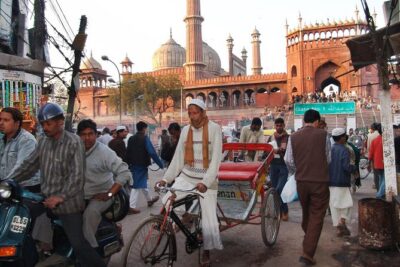
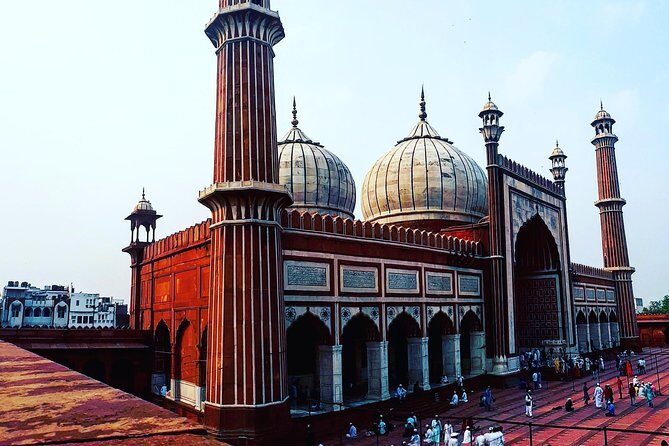
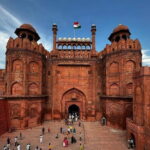
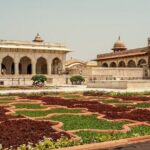
You begin in Delhi with a gentle landing. After arrival, the driver gets you to your hotel, and then you ease into the Mughal-era atmosphere with Humayun’s Tomb in UNESCO territory. It’s a perfect first “wow” stop because it’s grand, symmetrical, and calm—more soothing than frantic.
Then you get a modern counterpoint with Swaminarayan Akshardham. It’s a large, ornate complex that focuses on Hindu culture and architecture, and it can be a helpful break from purely Mughal visuals.
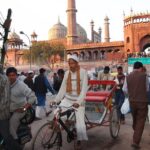
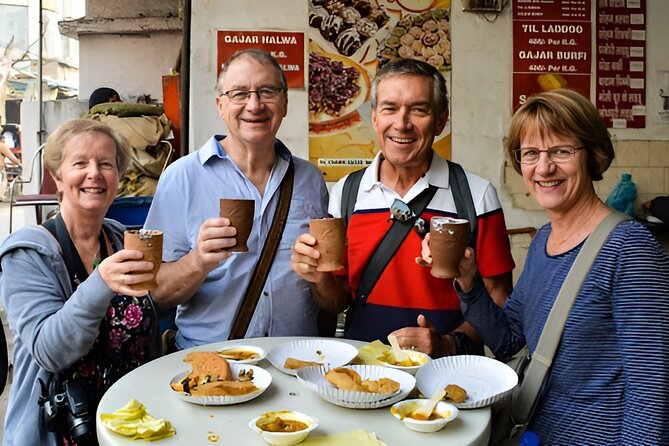
Later, the second Delhi day is a “mix and match” day: Qutub Minar for height and early Islamic-era architecture, India Gate for colonial-era memorial design, and the Lotus Temple for a clean, white Bahá’í House of Worship. The route also keeps you grounded with Chandni Chowk lunch, which is where you’ll feel Delhi’s food scene in a very practical way—think naan, curries, biryani, chaat, and dal makhani.
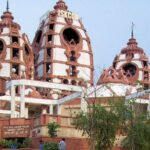
Two small notes you’ll appreciate: the Lotus Temple is closed on Mondays, and in that case you’ll be taken to Iskcon Temple or Shri KalkaJi Temple instead.
Mandawa’s Haveli Art: The Shekhawati Region’s Painted Walls
Mandawa is where Rajasthan stops feeling like postcards and starts feeling personal. This route spends real time here, starting with the “open art gallery” vibe of the Shekhawati region—havelis covered in murals that mix local myth with outside influences.
You tour major painted homes such as Tarkeshwar Goenka Haveli and Murmuria Haveli, plus Gulab Raj Ladia Haveli, where the fresco work is among the best preserved in town. Even if you’re not an art-obsessed person, these stops work because your guide can explain what the images are trying to say—family status, travel-era imagination, and how Rajasthan absorbed new ideas.
This day also includes a slower, older Rajasthan feature: Harlalka Well, a stepwell near the havelis. Stepwells are easy to overlook on big-route trips, but here it helps you understand how desert towns handled water and daily life.
If you want a trip that feels like you’re learning, Mandawa is one of the best places to do it.
Bikaner Forts, Museums, and the Karni Mata Rat Temple Detour
Bikaner is strong on “royal power meets desert reality.” Your time starts with Junagarh Fort, known for its scale and for housing history inside the fort complex. You also get museum time at Prachina Museum, plus Lalgarh Palace and Museum, which blends Indo-Saracenic styles and gives you a clear sense of how the city’s rulers wanted to appear.
This is also where the route gets fun with detours. You visit Karni Mata Temple in Deshnoke, famous for the sacred rats that freely roam the area. It’s not everyone’s favorite stop, but it’s memorable and it tells you something about local belief systems that you won’t get from a standard “fort-only” itinerary.
Then you add Bhandasar Jain Temple, with an inner sanctum that includes gold leaf paintings and delicate decorations. It’s a good counterbalance to the fort-and-royal theme and gives you a calmer spiritual tone.
One practical point: the day mixes driving, fort interiors, and temple entries—so bring comfortable shoes and plan for shoe removal where required.
Jaisalmer and the Thar: Golden Forts, Haveli Screens, and Sam Dunes
Jaisalmer is built on yellow sandstone, and the route makes sure you see it from inside and outside. You begin with Jaisalmer Fort, then go deeper into royal life at the Jaisalmer Fort Palace Museum. For many people, this is the moment when Rajasthan stops being “cities on a map” and starts becoming a single living place.
The haveli sequence here is excellent. You visit Patwon Ki Haveli, Salim Singh-ki Haveli, and Nathmal Ji Ki Haveli, each with its own architectural personality—jharokhas, carved sandstone screens, and mirror-studded interiors. Even if you only remember one thing, remember this: these havelis aren’t just pretty. They show how wealthy merchants and royals displayed status in a desert economy.
Then comes the desert payoff: Sam Sand Dunes. You ride camels over the dunes as the sun drops, and there’s also a cultural performance element with Kalbelia dancers. If you want the big night-sky feeling, there’s an optional overnight desert camp at Sam Sand Dunes in a Swiss tent. Keep in mind: tent availability is limited and depends on confirmation.
This is the part of the trip that can feel most like Rajasthan fantasy—so if you’re going to spend time “on memory,” spend it here.
You can also read our reviews of more historical tours in New Delhi






Jodhpur: Mehrangarh Views, Stepwells at Sunrise, and Marwar Market Time
Jodhpur earns its nickname with two things: the fort and the city below it. The route’s biggest anchor is Mehrangarh Fort, a massive stronghold that makes sense of why this region had so much power. Near the fort, you also visit Jaswant Thada, often called the Taj Mahal of Marwar for its elegant marble design and delicate lattice work.
But what I like is that you don’t just do the big names. You add Rao Jodha Desert Rock Park at sunrise, which helps you see conservation through a local lens. Then you stop at Toorji Ka Jhalra, a restored stepwell built by a queen consort, cool and carved, acting like a social hub.
In the afternoon, you get time in town: Sardar Market near the Clock Tower for spices, tie-dye fabrics, and handcrafted goods. It’s also where food becomes part of sightseeing. Try local specialties like makhaniya lassi if it’s offered.
And then there’s Mandore Garden, which holds royal cenotaphs built in a temple style and gives you a more reflective Marwar mood before you head toward Ranakpur.
Ranakpur to Udaipur: Jain Temple Carvings and a Lakeside City You’ll Actually Slow Down For
Ranakpur shifts the atmosphere. You drive through the Aravalli hills and arrive with time to relax or take a short walk near the village. The standout is Ranakpur Jain Temple, known for detailed marble work and a serene feeling inside the complex. You also visit Surya Narayan Temple, then make a few stops in the Sadri area where smaller temples cluster together.
You also get MUCHHALA MAHAVIR JAIN TEMPLE, described as a more hidden setting with a rare iconographic feature—a moustache on the depiction of Mahavir. That kind of detail is exactly why guided time matters: you notice things you’d miss alone.
Then you shift to Udaipur, the “City of Lakes” vibe with real payoff. You check into a lakeside heritage hotel and get the romance factor in a practical way: after dinner, you’re already in the setting, not traveling again to find it.
Udaipur’s Palaces and Lakes: City Palace, Pichola Boat Time, and Monsoon Palace Views
Udaipur can become overwhelming if you try to do it all fast. This route spreads it out with an efficient mix of palace views, temples, gardens, and lake time.
Start with City Palace of Udaipur. Then you visit Jagdish Temple, a major Vishnu temple with intricate pillars and sculpted spires. Nearby, Sahelion Ki Bari is a garden designed for the queen and her attendants, with marble pavilions, fountains, lotus pools, and open lawns.
The best “sit and feel it” portion is Lake Pichola. The route includes time for the lake and an option for Jagmandir by boat. Even if you skip Jagmandir entry, the lake setting is the point. After that, there’s Bagore Ki Haveli Museum, plus options around Fateh Sagar Lake and Sajjangarh Monsoon Palace, which gives wide views over Udaipur’s lakes and countryside.
This day is also where your timing matters. When you’re doing multiple forts and temples across Rajasthan, Udaipur is the day that lets you exhale. Plan for slower walking and a little patience with stairs and museum rooms.
Chittorgarh’s Big Fort Day and Pushkar’s Spiritual Shift
Chittorgarh is the kind of fort that turns your brain on. The route includes Chittorgarh Fort (UNESCO), then explores sections like Rana Kumbha Palace and Padmini’s Palace beside the lotus pool. Even when legends are disputed, the site still works because the ruins and layout make the stories feel grounded.
You also climb into history with Vijay Stambh, which has 157 steps if you choose to climb for better views, and then Kirti Stambh for Jain carvings and symbols. You end the fort circuit with calmer religious stops such as Meera Temple and Kalika Mata Temple, plus the Gaumukh Reservoir, a sacred tank fed by a natural spring.
Then you transition to Pushkar with a drive in the evening. You’ll land in the spiritual rhythm of the town and wake up for temples and lake rituals.
Pushkar: Brahma Temple, Ghats, Vegetarian Meals, and the Camel Field
Pushkar is all about daily practice and pilgrimage energy. The route starts with Brahma Temple and then Pushkar Lake, surrounded by 52 ghats where pilgrims perform rituals and take holy dips. You also visit Shree Savitri Mata Mandir, accessible by cable car or short trek, giving panoramic views over the valley.
You add temple variety with Varaha Temple and Old Rangji Temple, which blends different architectural influences and makes Pushkar feel like a crossroads of styles. A key detail here is food: lunch is described as a vegetarian feast prepared without onion or garlic due to the town’s spiritual significance.
Then you get a cultural look at the local economy of the town with the camel trade fair field. Even if you’re not traveling during the festival season, it’s still a strong way to understand Pushkar’s identity. If your dates line up, note that the Pushkar Camel Fair runs every year from October 30 to November 5.
After Pushkar, you head toward Jaipur.
Jaipur Meets Ranthambhore: UNESCO Astronomy, Palace Pink, and Wildlife Timing
Jaipur is the classic “get oriented fast” city on this route. You visit Jantar Mantar (UNESCO), with the large stone sundial and other astronomical instruments. Then you see Hawa Mahal, the Palace of Wind with 953 jharokhas, built so royal women could observe street life while staying unseen.
You also get fort viewpoints at Nahargarh Fort and Jaigarh Fort, including Jaivana, described as the world’s largest cannon on wheels. Jal Mahal is included as an exterior stop, especially photogenic at sunset due to reflections on Man Sagar Lake.
Once Jaipur is done, you drive toward Ranthambhore. This is a day where the schedule shifts from heritage monuments to nature logistics—arrive, relax, and get ready for the early-morning safari day.
Ranthambhore Safari Morning and the Fort Inside the Park
Day 14 is where the trip’s “safari promise” turns into real time. You go on an early morning wildlife safari through Ranthambhore National Park, one of India’s premier tiger reserves. The route positions this for the wildlife window, and the safari duration listed is about 3.5 hours.
You also include Ranthambhore Fort, described as a UNESCO site set amid the forests, with panoramic views and temples inside. That’s important because a safari day can feel like waiting. Here, you add a tangible heritage payoff that makes the day feel complete even on quieter wildlife hours.
Remember: safari fees aren’t included in the tour price estimate, so you’ll want to budget that extra cost.
Agra Finish: Taj Mahal Sunrise, Agra Fort, and the “Baby Taj” Serenity
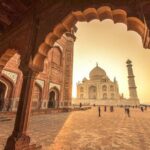
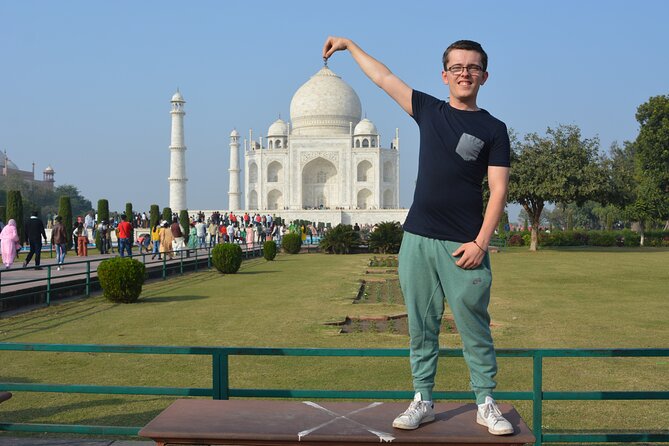
Agra is planned for maximum impact, starting with sunrise at the Taj Mahal. The route emphasizes the marble changing hues during sunrise, and it’s timed so you’re not just arriving when the crowds are fully awake. You’ll also want patience for early starts because this is a morning-focused day.
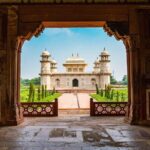
After the Taj, you visit Agra Fort and then Itmad-ud-Daula, often nicknamed the Baby Taj due to its refined design style. Itmad-ud-Daula is a quieter choice that helps you slow down after the Taj’s sheer size and attention.
Then lunch is included, and you head back toward Delhi.
Should You Book This 15-Day Delhi–Rajasthan–Agra Tour?
I’d book it if you want a private, well-run route that mixes major monuments with real regional details—havelis in Mandawa, stepwells in Jodhpur, Jain temples in Ranakpur, and two iconic wildlife-and-desert moments (Ranthambhore and Sam Dunes). The value comes from the structure: AC car, private chauffeur, and a live guide in foreign languages, which makes the schedule easier and the sights more meaningful.
I wouldn’t book it if you’re chasing a totally flexible trip with lots of free time between stops. This is a full itinerary with long drive days, and you’ll also need to plan around extra monument and safari fees and sight closures (Taj Mahal on Fridays, Lotus Temple on Mondays).
If you’re okay with that trade-off, this is a solid way to see a wide chunk of Northern India without turning your vacation into transport research.
FAQ
How long is the tour, and where does it go?
The tour is about 15 days. It starts in New Delhi, travels through Rajasthan (Mandawa, Bikaner, Jaisalmer, Jodhpur, Udaipur, Chittorgarh, Pushkar, Jaipur), includes Ranthambhore, and ends in Agra with a drive back toward Delhi on the last day.
What does the tour cost, and are any fees extra?
The price is $1,013.00 per person. Monument and safari fees are not included and are listed as approximately USD 200 per person.
Is this a private tour?
Yes. It is private, and only your group participates.
What’s included in the price?
The package includes a private uniformed chauffeur, a live tour guide with various foreign languages, sightseeing by private air-conditioned car/tempo traveler, pick up and drop in Delhi (airport/railway station/desired locations), parking fees, tolls, taxes, allowances, fuel, and interstate taxes. It also includes 5-star hotel accommodation with breakfast if you choose that option.
Is the Taj Mahal included, and what if I travel on a Friday?
Yes, the itinerary includes sunrise at the Taj Mahal. However, Taj Mahal remains closed on Fridays.
What happens if Lotus Temple is closed when I’m in Delhi?
Lotus Temple remains closed on Monday. In that case, you’ll be taken to Iskcon Temple or Shri KalkaJi Temple.
Do I need to bring a photo ID?
Yes. You should bring a valid photo ID to check at the monument.
Is there an optional overnight desert stay near Jaisalmer?
Yes. There’s an optional overnight in a Jaisalmer desert camp at Sam Sand Dunes, in a Swiss tent. Tent availability is limited and subject to confirmation.
What is the cancellation policy?
You can cancel for free up to 24 hours in advance of the experience start time for a full refund. If you cancel less than 24 hours before the start time, the amount paid is not refunded.