REVIEW · NEW DELHI
10 Day Private Luxury Golden Triangle with Khajuraho and Varanasi
Book on Viator →Operated by Golden Triangle Tours India · Bookable on Viator
Delhi to Varanasi in one smooth loop. This private luxury Golden Triangle route adds Khajuraho and Varanasi so you get big-picture North India without feeling sprinted through. I like that you travel with a private, air-conditioned vehicle and local guides at each stop, which helps you read what you’re looking at instead of just snapping photos. You also start strong with hotel or airport pickup, plus bottled water during the drive days.
My favorite parts are the sunrise Taj Mahal visit and the way the tour balances monuments with real-life religion and street scenes. The Taj day is set up to get you into the Taj Mahal experience early, and then you keep going with other UNESCO sights in Agra. One consideration: the Khajuraho to Varanasi leg is a long haul (about 7 hours by road), so it helps to bring water, snacks you can carry, and a comfortable attitude toward “car time.” Agents like Gopal and drivers such as Surendra or Himmett have been specifically called out for keeping things orderly and making you feel safe.
In This Review
- Key highlights you’ll feel right away
- Price and what your money buys on this 10-day private route
- Day 1 and Day 2 in Delhi: Gurudwara Bangla Sahib, Mughal scale, and Old Delhi momentum
- Jaipur: Amer Palace tour, City Palace, and the “don’t skip this” temple variety
- Day trips that connect the dots: Chand Baori and Fatehpur Sikri before Agra
- Sunrise Taj Mahal plus Agra’s UNESCO trio
- Khajuraho temples: where stone carvings make you slow down
- The long road to Varanasi: Ganga Aarti after temples and travel time
- Hotels, guides, and the private-vehicle rhythm that reduces stress
- Tickets, meals, and tips: where you need to plan ahead
- Who this tour fits best (and who might want a different pace)
- Should you book it?
- FAQ
- What’s included in this 10-day private tour?
- Are monument entrance tickets included?
- Do I get a hotel for the full trip?
- What vehicle will I travel in?
- How long is the drive from Khajuraho to Varanasi?
- What about pickup and drop-off at the end?
- Is breakfast included every day?
- Is this tour private or shared?
- Is cancellation free?
- Do I need to pay for meals?
Key highlights you’ll feel right away
- Private guides in every city so you understand the why behind Qutb Minar, Humayun’s Tomb, and the Chandela temples at Khajuraho.
- Battery bus to Taj Mahal parking cuts down walking right before the sunrise experience.
- Old Delhi + new Delhi mix in a smart flow: Gurudwara Bangla Sahib, Jama Masjid, and then Chandni Chowk.
- Khajuraho’s temple carvings with context, not just a quick temple walk.
- Ganga Aarti from a good viewing setup, timed for the evening ritual on the ghats.
- Driver-led pacing across UNESCO-heavy days, with hotel check-ins built in so you’re not constantly hunting logistics.
Price and what your money buys on this 10-day private route
The cost is about $623.07 per person for roughly 10 days in this private format. On paper, that can look “budget-y” for “luxury,” but the value comes from what’s included: 9 nights accommodation (when you book the hotel option), a private air-conditioned vehicle with driver, hotel/airport pickup and drop-off, and all sightseeing with private local guides.
Also, small add-ons matter in India. You get bottled mineral water during journeys, and on the Taj Mahal day you get a battery bus ride to and from the Taj Mahal parking area. Those are the kinds of details that reduce friction when you’re moving between major sites.
What’s not included is equally important. Monument entrance tickets and meals are on you, and there are also tips and personal expenses. If you plan for that upfront, this tour feels like a smooth, guided route that does the hard work for you: transportation, timing, and interpretation.
You can also read our reviews of more private tours in New Delhi

Day 1 and Day 2 in Delhi: Gurudwara Bangla Sahib, Mughal scale, and Old Delhi momentum
Delhi has a talent for feeling layered. This tour leans into that by stacking religious calm, Ottoman-ish (well, Mughal-era) architecture, and then Old Delhi’s market energy.
You start with Gurudwara Bangla Sahib, a Sikh gurdwara known for its story of healing during epidemics, tied to water from the tank. It’s a good first stop because it slows you down. You get to see a different side of faith in motion—more daily ritual than tourist performance—and it sets a grounded tone for the rest of Delhi.
Then you pivot to major landmarks:
- Qutb Minar (a UNESCO World Heritage site). It’s a tall, tiered tower built in the late 1100s by Qutb-ud-din Aibak, and the size does the talking even before you read the details. The ticket here is not included, so plan for that cost.
- Lotus Temple, famous for its flower-like design and for being open to everyone regardless of religion. This is one of those places where the design and the calm feel like they belong together.
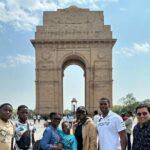
- India Gate, a war memorial near Rajpath that also functions as a picnic pause. It’s short, but it’s useful: it puts you in the center of the city’s big public space culture.
Old Delhi comes next with:
- Jama Masjid, one of the largest mosques in India, built between 1650 and 1656 by Shah Jahan. This stop is free-entry in the tour plan, and it’s a classic “stop and look up” moment.
- Agrasen Ki Baoli, a protected stepwell with a long, narrow underground-feel. These stepwells are cooler than you expect and they give Delhi a different vibe than the usual forts and temples.
You also include:
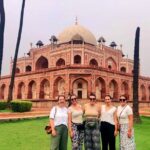
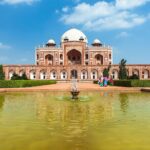
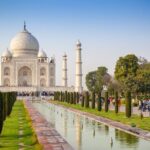
- Humayun’s Tomb, another Mughal landmark (ticket not included). It’s often treated as a “pre-Taj” comparison point, and you’ll notice why once you see the symmetry and garden layout.
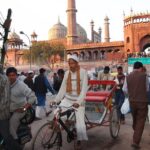
And finally, you finish the Delhi day with Chandni Chowk, a deep Old Delhi shopping area known for spices, dried fruit, silver jewelry, and sari fabrics. It’s not a museum. It’s a working market. Expect crowds, narrow lanes, and plenty of sensory overload—in a good way. If you like to people-watch and snack your way through a neighborhood, this is where you do it.
Jaipur: Amer Palace tour, City Palace, and the “don’t skip this” temple variety

Jaipur gives you variety in a single city—palaces, astronomical instruments, and temples that feel like they belong to living neighborhoods.
You start with a quieter temple duo:
- Monkey Temple (Galtaji) at a location also called the Abode of Monkeys. It has sacred pools, and it’s lively in a way that feels more local than staged.
- Birla Mandir, made with white marble and known for its latticework. It’s dedicated to Vishnu, and it’s one of those stops where the details reward slow looking.
Once you check in, the next day is where Jaipur becomes “classic Rajasthan”:
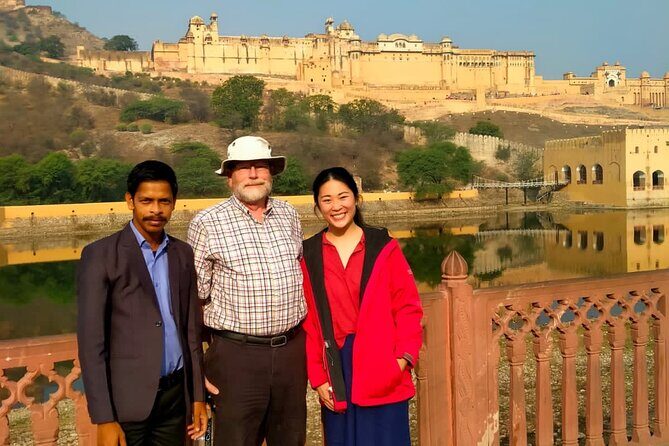
- Amber Palace in Amer. You get a guided tour through palaces, squares, and monuments (ticket not included). This is where you understand why Jaipur’s royal era is so visual—everything is set up for impact.
- Jal Mahal, the water palace in Man Sagar Lake. You only get about half an hour in the plan, but that’s enough time to appreciate the illusion of a palace rising out of the water.
- Jantar Mantar, a UNESCO site built in 1734 with astronomical instruments. Even if you’re not a science person, the sheer thought that these are built as tools for the sky helps you see Jaipur beyond crafts and fort walls.
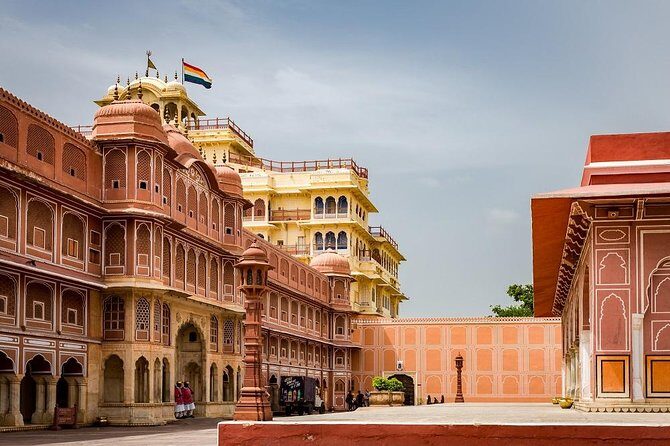
- City Palace for about an hour. This is the administrative and ceremonial seat of the Maharaja of Jaipur, so it’s political as well as pretty (ticket not included).
- Hawa Mahal, the Palace of Winds. It’s a five-storey façade that looks like a beehive of windows. The outside is the show here, and the red-pink sandstone matters.
To cap it, you stop at Albert Hall Museum briefly (ticket not included). It’s short, but it helps you connect the dots between Rajasthan’s royal aesthetics and modern museum framing.
Practical note: Jaipur mornings and afternoons can both be warm. Wear comfortable shoes, because even “short” stops often turn into extra walking around gates, courtyards, and viewpoints.
Day trips that connect the dots: Chand Baori and Fatehpur Sikri before Agra
The day that moves you toward Agra includes two of the most interesting “pause stops” on the route.
First is Chand Baori, a huge stepwell stretching about 30 meters into the ground. It’s in Abhaneri and it’s one of those places where photos don’t fully explain the depth and geometry. The ticket is not included, so budget for it.
Then you go to Fatehpur Sikri, Akbar’s “City of Victory,” once the capital of the Mughal Empire. The plan lists this as free admission, and the site still feels like a planned world—courtyards, chambers, and historical layers you can walk through with a guide.
You then arrive in Agra and check in, with the rest of the day left free for you. This is a smart move. After a long day of sites, you’ll want a little breathing room—tea, a walk, or simply time to adjust to Agra’s pace.
Sunrise Taj Mahal plus Agra’s UNESCO trio
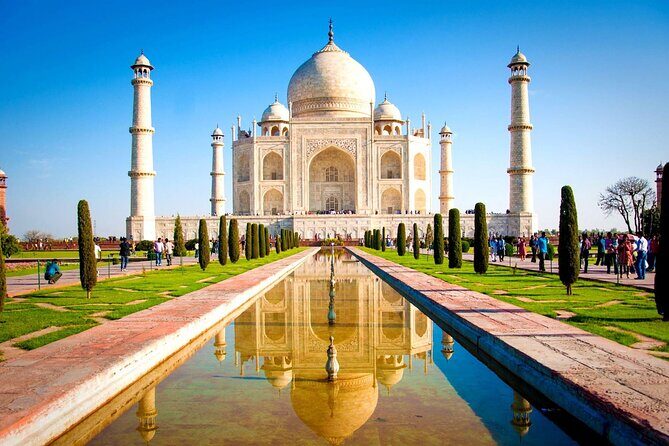
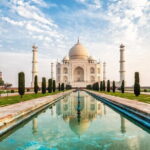
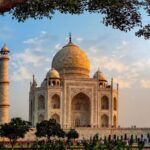
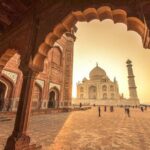
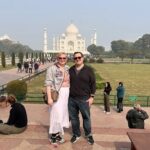
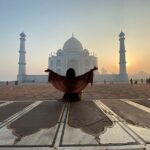
If you want a “wow” that feels earned, this Taj plan does it. You’re set for sunrise Taj Mahal, with a guided visit inside estimated at about two hours. The Taj Mahal ticket is not included, but the tour includes a battery bus to and from the Taj Mahal parking area, which keeps you from losing energy before the main event.
Why sunrise works for most people: the light is softer, and the experience can feel more timeless than mid-day crowd energy. Just be ready for cool-to-mild mornings and keep a layer handy.
After that, you move through:
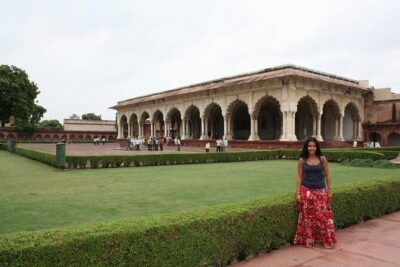
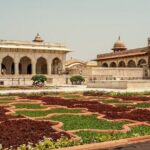
- Agra Fort, a UNESCO site where you can see the palaces, balconies, and gardens tied to Mughal rule (ticket not included).
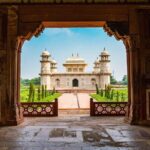
- Itmad-ud-Daula, also called Baby Taj, a mausoleum with gardens and outbuildings. It’s shorter in time, but it’s a great palate cleanser after the big Taj focus.
This sequence is good value because it avoids the common “Taj and done” problem. You’re still in Agra, so you use the day to see the broader Mughal story told through architecture.
You can also read our reviews of more tours and experiences in New Delhi



Khajuraho temples: where stone carvings make you slow down
Khajuraho is the switch from Mughal grandeur to Chandela-era temple art. The plan has you travel to Khajuraho after the Agra section and check in, then do temple time over the next day(s).
On the main temple day, you get:
- Lakshmana Temple, built in the 10th century by King Yashovarman. The main idol details are part of the appeal, and the sculpture style makes it feel like the temple is narrating.
- Kandariya Mahadev Temple, an 11th-century highlight by Vidyadhara. The carvings around the entrance are a major draw, and your guide’s context matters here—without it, you might just see decoration. With context, you start seeing symbolism and era-specific style choices.
- Khajuraho Temples in general for additional time. This gives you flexibility to match what you like: repeating motifs, different temple heights, and the feel of sandstone surfaces in changing light.
The tour plan lists these as free-entry. Either way, plan for walking and for the fact that temple photography can be time-consuming when you’re trying to line up views.
The long road to Varanasi: Ganga Aarti after temples and travel time
On the Khajuraho-to-Varanasi day, you’re looking at a road trip of about 400 km and around 7 hours. That’s the one “make peace with it” segment in the tour. You’ll arrive, check in, and then do the most important Varanasi activity after you’ve had time to settle.
The next day is where Varanasi becomes real:
- Kashi Vishwanath Temple, a riverside Shiva landmark with a gold-plated spire and a sacred well. This is free-entry in the plan.
- Sarnath, the Buddhist pilgrimage site where the Buddha first preached after enlightenment. You’ll explore ancient ruins of monasteries, and the timing around noon in the plan gives you a break from early-morning intensity.
- Ganges River walk, a one-hour walk along the ghats. This is one of those moments where you just watch the river life and realize Varanasi isn’t a stage—it’s a system.
- Ganga Aarti, the evening ceremony on the ghats. The plan says you’ll have the best view from your seat. This is a major emotional payoff for many people, because it’s structured ritual, moving smoke, chanting, and the sense that this is the rhythm of the city.
If you’re noise-sensitive, choose your pacing. If you’re curious and grounded, Varanasi rewards you fast.
Hotels, guides, and the private-vehicle rhythm that reduces stress
This is where private tours shine. You’re not competing with strangers for timing. You move in your own schedule with a driver and private local guide for sightseeing.
Vehicle details also matter:
- 4-seater sedan for groups of 1 or 2
- 6-seater wagon for groups of 3 or 4
- 10-seater minivan for groups of 5 to 10
You also get daily hotel breakfast (9 breakfasts listed) when you choose the hotel option. That sounds simple, but it’s a real value lever: you’re not hunting breakfast places between packed UNESCO days.
Accommodation is generally twin-sharing. If you book as 3 people, rooms default to triple-sharing, and if you want 2 rooms instead, there’s an extra charge. So if you care about room comfort and privacy, mention that before you lock it in.
One more practical win: pickup and drop-off are included. Starting and ending with smooth logistics lowers the stress factor, especially on a route like this where you’re crossing multiple regions.
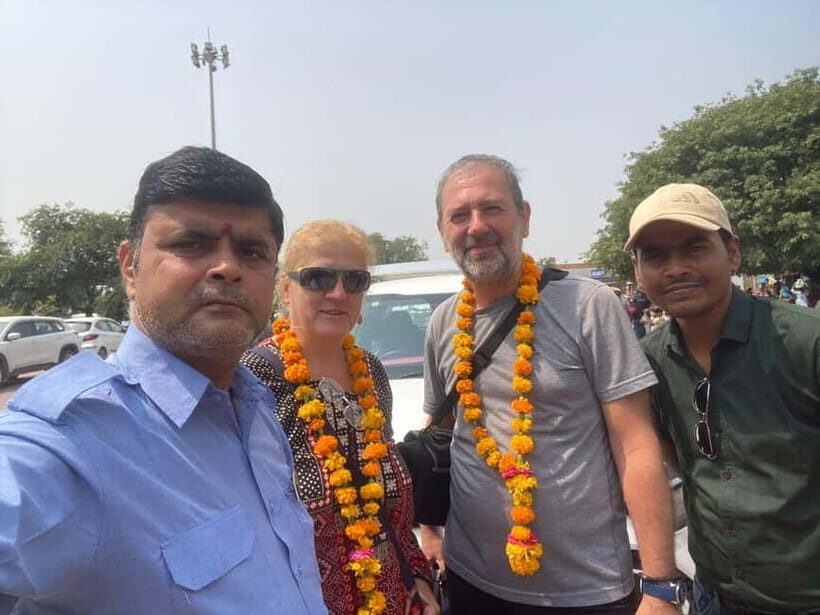
And yes, organization can make or break a trip. Names like Gopal and drivers like Surendra, Ajay, Man Singh, Deepak, and Himmett show up in feedback for staying on top of needs and keeping things safe. That’s exactly what you want from a private operator on a tight UNESCO route.
Tickets, meals, and tips: where you need to plan ahead
This tour includes a lot of sightseeing, but monument entrance tickets are not included across many stops. Some sights are listed as free in the plan, while others explicitly say ticket not included. The easiest approach: budget for entrance fees for the ticketed sites so you don’t hit surprise checkout lines.
Meals aren’t included either. That’s not unusual, but it means you should plan for lunch and dinner each day outside your breakfast. The upside: it gives you freedom to eat local—street snacks on Chandni Chowk days, or a calmer sit-down meal when you need a reset.
Tips aren’t included, and driver and guide tipping is listed as personal expense. If you want to keep it simple, set aside a small daily amount in local currency for end-of-day appreciation.
Who this tour fits best (and who might want a different pace)
This is a strong fit if you:
- Want first-time North India coverage without losing the thread
- Like guided context for UNESCO sites instead of wandering alone
- Prefer the comfort of a private car and hotel check-ins built into the route
- Enjoy a mix of big monuments and lived-in spiritual places like Varanasi
It might feel less ideal if you:
- Hate long drives (that Khajuraho to Varanasi day is about 7 hours)
- Want a fully self-guided trip with zero ticket planning
- Need every meal included to stay comfortable budget-wise
If you’re the kind of traveler who likes adding one extra experience, you might ask the operator about extras. In feedback, agent Gopal has suggested a Jhalana Leopard Safari in Jaipur, and the safari has been arranged alongside similar Golden Triangle timing. Not part of the core temple/palace flow, but worth asking about if wildlife is your thing.
Should you book it?
Book this tour if you want a guided, private way to connect Delhi, Agra, Jaipur, Khajuraho, and Varanasi—and you want someone to handle the timing, transport, and explanations. The included private local guides, hotel base (with the hotel option), water during journeys, and the battery bus detail make it feel thoughtfully put together.
Don’t book it if you’re trying to keep the trip strictly low-cost, because entrance tickets and meals sit outside the package. Also, be honest about the road time to Varanasi.
If you’re okay budgeting for tickets and leaning into the drive days, this is the kind of route that gives you both the icons and the lived-in moments that make North India memorable.
FAQ
What’s included in this 10-day private tour?
You get private air-conditioned transport with a driver, hotel or airport pickup and drop-off, all sightseeing with private local guides, daily hotel breakfast (if you choose the hotel option), a battery bus ride to and from Taj Mahal parking, bottled mineral water during journeys, and personal care/attention. It’s also a private tour, so only your group participates.
Are monument entrance tickets included?
No. Monument entrance tickets are listed as not included. Some stops are marked as free in the plan, but others are explicitly not included, including several major UNESCO sites.
Do I get a hotel for the full trip?
You get 9 nights accommodation if you book the option that includes hotels. Rooming is generally twin-sharing, with triple-sharing as the default for 3 people unless you pay extra for 2 rooms.
What vehicle will I travel in?
For groups of 1–2, it’s a 4-seater sedan. For groups of 3–4, it’s a 6-seater wagon. For groups of 5–10, it’s a 10-seater minivan.
How long is the drive from Khajuraho to Varanasi?
The plan states it’s about 400 km and takes around 7 hours.
What about pickup and drop-off at the end?
Pickup is offered, and you get drop-off at any desired location in Varanasi after breakfast on the final day.
Is breakfast included every day?
Breakfast is included for 9 days as long as you choose the hotel option that includes breakfasts.
Is this tour private or shared?
Private. Only your group participates.
Is cancellation free?
Yes, free cancellation is offered. You can cancel up to 24 hours in advance for a full refund, but within 24 hours the amount paid is not refunded.
Do I need to pay for meals?
Yes. Meals are listed as not included, so you’ll cover lunch and dinner separately each day.