REVIEW · NEW DELHI
The Chef @ 11:30 am (4 Main Dishes + 3 Breads)
Book on Viator →Operated by Saffron Palate · Bookable on Viator
A great meal starts with spices. In this class at Saffron Palate in Hauz Khas, you’ll cook Indian favorites in a real home-style setup, then sit down and eat what you made. You’re not just watching—you’re learning the steps, the why behind the flavors, and the little technique tweaks that separate average from excellent.
I especially like the way the session is built around 4 main dishes + 3 breads, so your skills don’t stop at one curry. I also like that the menu can be adjusted for different needs, and you leave with recipes to repeat at home. One consideration: spices/spice boxes are not included, so if you want the full pantry setup, expect an extra spend.
In This Review
- Key Highlights That Matter
- Saffron Palate and Hauz Khas: finding the place without stress
- The 11:30 am start and how the 3-hour flow stays fun
- Your hands-on menu: learning 4 mains and 3 breads the right way
- The spice education: what you’ll be able to reproduce later
- Dietary needs in real life: vegan, vegetarian, and gluten free
- What happens at the end: lunch that feels like part of the lesson
- Price and value at $60 per person
- Practical logistics: what to expect when you arrive
- Who this class is for (and who might not love it)
- Should you book Chef @ 11:30 am at Saffron Palate?
- FAQ
- How long is the cooking class?
- What time does the Chef @ 11:30 am class start?
- How much does it cost, and what’s included?
- What dishes and breads will I cook?
- Can the menu be adjusted for dietary restrictions?
- Will I receive recipes to take home?
- What’s the meeting point?
- Is the booking refundable if plans change?
Key Highlights That Matter
- Small group size (max 8) means you get real attention, not a quick once-over.
- Hands-on cooking plus bread practice is the core of the experience.
- Spice-first instruction helps you understand flavor building, not just follow steps.
- Menu can be tailored for vegetarian, vegan, and gluten-free needs if you ask ahead.
- You eat your own meal together at the end, with time to chat.
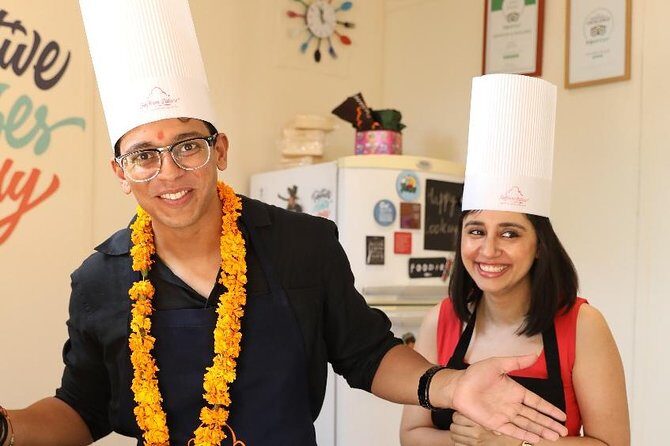
- Neha leads the class and keeps the tone warm, relaxed, and practical.
Saffron Palate and Hauz Khas: finding the place without stress
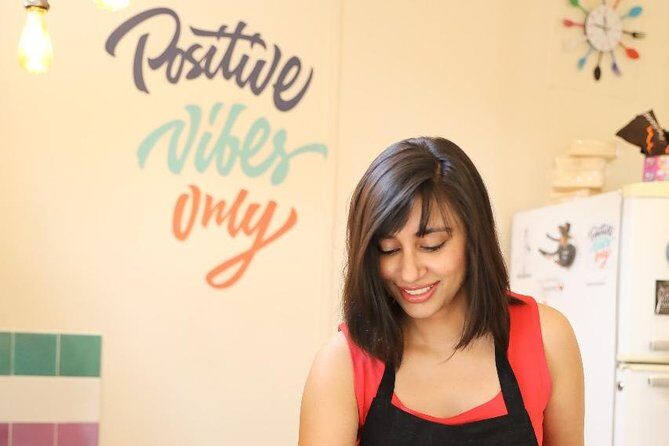
This class happens at Saffron Palate, on the first floor at R 21 in Padmini Enclave, near Chor Minar in Hauz Khas. The neighborhood is a good choice for a break from the big-city rush because Hauz Khas feels local rather than tourist-only, and the cooking setup is comfortable and home-like.
One detail I think you’ll appreciate: the studio setup is described as custom-built, so you’re not trying to cook on a cluttered or cramped counter. And yes, there’s a friendly dog named Zoey, which adds a casual, lived-in feeling while you’re waiting for your station to start.
Practical tip: if you’re using navigation, set your destination exactly to the address above and arrive a few minutes early so you can settle in before the cooking starts.
You can also read our reviews of more tours and experiences in New Delhi.



The 11:30 am start and how the 3-hour flow stays fun
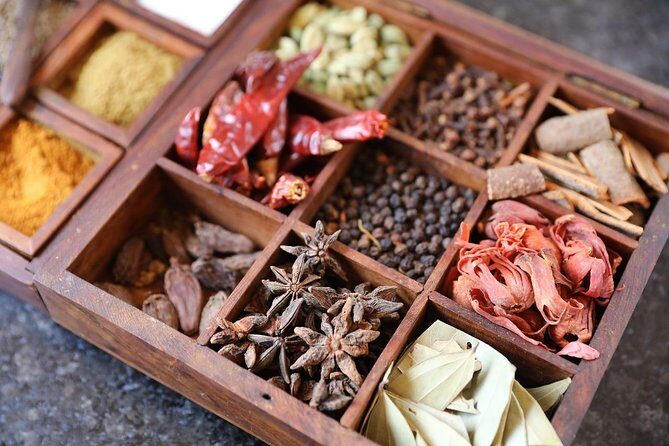
This session runs about 3 hours, starting at 11:30 am and ending back at the meeting point. You’ll get beverages and bottled water during the class (plus coffee or tea), and you’ll also have a meal at the end based on the time slot.
What makes the timing work is the pacing: cooking classes often fail when they’re too fast or too slow. Here, the format keeps you moving through prep and cooking steps, then brings everyone together for the final sit-down meal. With a maximum of 8 travelers, you’re likely to get more direct help as questions come up.
Also, since it’s hands-on, expect some time spent learning techniques while ingredients are coming together—especially for the breads, where small adjustments matter.
Your hands-on menu: learning 4 mains and 3 breads the right way
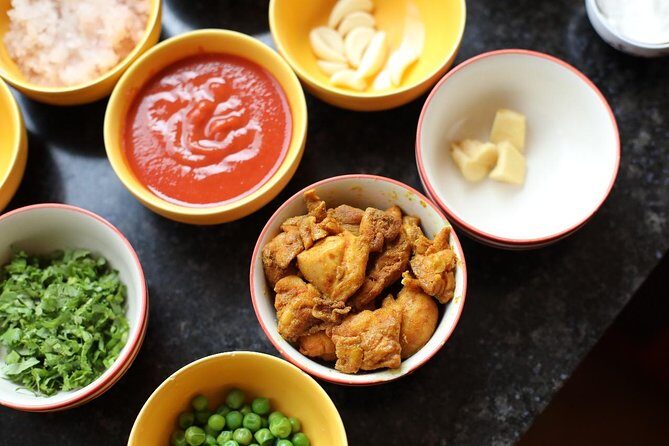
The class centers on preparing 4 main dishes and 3 breads, and the overall theme is learning classic Indian comfort food techniques plus the “spice logic” that makes them work.
You’ll see familiar favorites on the menu. Butter chicken is specifically mentioned, along with biryani rice, and there’s also a focus on naan breads (with variety among the bread options). Even when the exact bread line-up changes with dietary needs, you’re still being trained in the core bread-making skills: dough handling, heat control, and timing.
Here’s the big value for you: you’re not just tasting. You’re learning repeatable patterns.
For example:
- When you understand how spices are used as a base (not added at random), you can adjust heat and flavor later at home.
- When bread techniques are explained step-by-step, you’ll know what “good” dough should feel like and what to change if it’s not working.
If you’ve ever cooked an Indian dish at home and felt stuck, this structure is designed to fix that gap.
The spice education: what you’ll be able to reproduce later
The class places a strong emphasis on spices and technique, with instruction aimed at helping you build Indian flavor from the foundation up. You’ll get recipes, and you’ll also learn the reasons behind common moves—like how spices behave when heated, and how different flavors should balance in a finished dish.
The teaching tone matters here. Neha is repeatedly described as warm, welcoming, and supportive, with clear instruction and patient guidance while you cook. The best part is that the “spice lessons” aren’t abstract. You’re learning them while you’re making food, then eating the result together.
One practical benefit: you’ll likely come away with a mental checklist for Indian cooking. Even if you don’t memorize every spice amount, you’ll know what role each flavor plays and how to correct a dish if it turns out too flat, too spicy, or under-seasoned.
And if you’re the kind of cook who likes to shop once and cook often, you might choose to buy the included-on-site spice items or spice boxes (these are available for purchase, but not included).
Dietary needs in real life: vegan, vegetarian, and gluten free
This is one of the clearest strengths of the experience: the menu can be tailored for vegetarian, vegan, and gluten-free needs if you let the provider know in advance. That matters, because “diet-friendly” classes can sometimes mean you get a token substitute. Here, the goal is to adapt the menu so you still cook and eat your own creations.
One gluten-free detail that stands out from the experience notes: there’s an example of Neha helping make a gluten-free option for bread or a bread-like item (a guest mentioned a gluten-free pancake). That’s a useful sign that adaptations aren’t just a side salad and a promise.
How to set yourself up for success:
- Tell them your needs clearly when booking.
- If you have multiple needs (like gluten-free plus vegetarian), be specific.
- Ask what’s realistic for the bread portion, since breads can be the trickiest part to adapt.
Also, because recipes are provided, you’ll have a home-friendly way to repeat the adapted versions.



What happens at the end: lunch that feels like part of the lesson

You’ll eat after cooking, and the meal is part of why this class lands so well. The format brings you together to enjoy what you made, rather than sending you home with a bag of food and a shrug.
Beverages are included—bottled water and coffee or tea—and you’ll have lunch (or dinner, depending on the time booked, but for the 11:30 slot you should expect lunch). This is also where cultural talk fits naturally. You’re not sitting through a lecture. You’re chatting while plates land on the table.
In the stories shared during the class, people often connect spice choices and dish origins back to everyday Indian home cooking. Some guests specifically mention conversation beyond recipes—life in India, cooking choices, and the meaning behind different spices—so the meal turns into a more personal cultural moment.
Price and value at $60 per person
At $60, you’re paying for more than a meal. You’re paying for:
- A hands-on teaching experience that covers multiple dishes and multiple breads
- Included drinks and a full meal (not a snack)
- Recipe materials for repeating the food later
- A small group format (max 8), which generally means better attention while you cook
If you’ve ever taken a cooking class where you mostly chop and watch, this one is priced like a true instruction-and-practice session. Even the extra cost of spices/spice boxes, if you buy them, feels optional rather than required.
Private sessions can also be booked, which might be worth exploring if you’re traveling as a group and want a more customized lesson. But if you’re doing this as a couple, solo traveler, or small group, the shared class format also makes the experience social without becoming chaotic.
Practical logistics: what to expect when you arrive
You’ll use a mobile ticket, and you should plan to arrive on time for the 11:30 start. The meeting point is clearly defined, but Hauz Khas streets can be a little tricky to navigate if you arrive late or without coordinates.
The class also notes:
- Service animals are allowed.
- It’s near public transportation, which helps if you don’t want to rely on a private car.
- It requires good weather, so if conditions are poor you’ll be offered a different date or a full refund.
If you’re combining this with other Delhi plans, treat it as a real anchor activity. Cooking takes focus, and you’ll have a better time if you’re not rushing to your next reservation the second you finish.
Who this class is for (and who might not love it)
You’ll likely love this if you:
- Want an Indian cooking class in New Delhi that’s hands-on from start to finish
- Care about spices and want practical guidance, not just recipes
- Prefer small-group learning where you can ask questions while cooking
- Have dietary needs and want real adjustments (vegetarian, vegan, gluten-free)
It’s also a strong choice if you enjoy conversational cultural moments. The class isn’t only about food technique; it’s also about explaining the origins or reasoning behind dishes and spices in a friendly way.
You might look elsewhere if you:
- Don’t want to cook at all and would rather do a tasting tour
- Are short on time and can’t commit to about 3 hours of active participation
- Prefer to eat out at a restaurant rather than in a home-style kitchen setting
Should you book Chef @ 11:30 am at Saffron Palate?
If you want a Delhi experience that’s both practical and genuinely memorable, I’d book it. This is the kind of class where you don’t just leave full—you leave with skills you can use again. The combination of spice instruction, multiple dishes, and bread practice, plus recipes and a sit-down meal, is a strong value package for $60.
Before you click confirm, do two simple things:
- Share any dietary constraints clearly so the menu can be tailored properly.
- Plan to arrive a few minutes early so you start cooking without stress.
If you want one cooking class that gives you real take-home confidence, this is a solid pick.
FAQ
How long is the cooking class?
The experience runs for about 3 hours.
What time does the Chef @ 11:30 am class start?
It starts at 11:30 am.
How much does it cost, and what’s included?
It costs $60.00 per person. Beverages, bottled water, coffee and/or tea, and a lunch meal (or dinner based on the time booked) are included.
What dishes and breads will I cook?
The class includes 4 main dishes and 3 types of bread.
Can the menu be adjusted for dietary restrictions?
Yes. The menu can be customized for vegan, vegetarian, and gluten free needs if you share your preferences at booking.
Will I receive recipes to take home?
Yes. Recipes are provided.
What’s the meeting point?
The start location is Saffron Palate, R 21, first floor, near Chor Minar, Block R, Padmini Enclave, Hauz Khas, Delhi 110016, India.
Is the booking refundable if plans change?
Yes, free cancellation is available up to 24 hours before the start time for a full refund.