REVIEW · NEW DELHI
The Best 2 Day Delhi Tour
Book on Viator →Operated by Joyful Holidays · Bookable on Viator
Delhi clicks into focus fast.
This 2-day Delhi tour is interesting because it strings together Old Delhi street life, major Mughal-era sites, and today’s best-known temples in one tidy loop. I like how you get both Old Delhi history and New Delhi landmarks without having to plan every turn. I also like the practical setup: hotel/airport pickup and drop-off plus an air-conditioned vehicle that saves you during traffic. One thing to consider is that monument entry fees are not included for several stops, so you’ll budget for that on the day.
The best part is how the experience feels guided, not rushed. You’re picked up from Delhi, Gurugram, or Noida, and a local guide handles the story and the flow while the driver keeps the moving parts under control. If you care about getting the most out of two days, this format helps you get your bearings fast.
You’ll get a mix of spiritual sites across faiths, plus photo stops for the big New Delhi government icons. It’s ideal if you want iconic highlights and meaningful moments, not if you’re looking for long museum-style wandering or deep, slow pacing.
In This Review
- Quick hits you’ll actually care about
- Price and what you truly get for $159
- Day 1: From Jama Masjid to Qutub Minar in one big story
- Jama Masjid and the Chandni Chowk rickshaw ride
- Red Fort from outside: what you get instead of full entry
- Raj Ghat then Humayun’s Tomb: from reflection to garden tombs
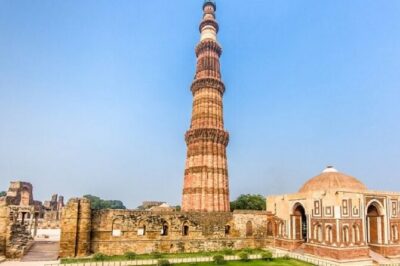
- Qutub Minar: the minaret that anchors the whole heritage day
- Day 2: Temple-hopping across faiths in New Delhi
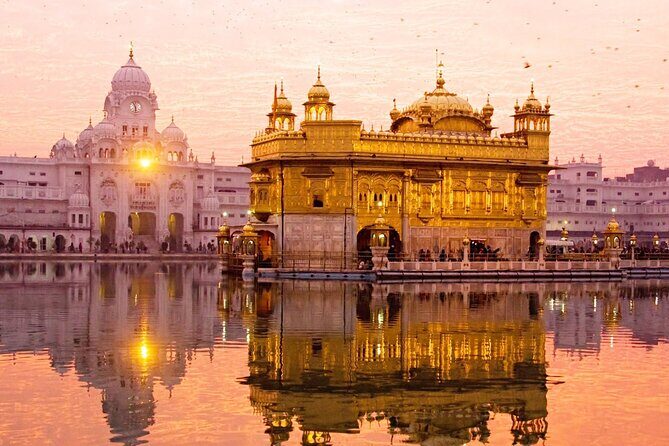
- Gurudwara Bangla Sahib: calm inside a working Sikh shrine
- India Gate, Rashtrapati Bhavan, and Parliament House: big sights, quick stops
- Swaminarayan Akshardham and the Lotus Temple: spectacle plus calm
- Who this tour fits best (and who should choose something else)
- Should you book this two-day Delhi tour?
- FAQ
- What’s included in the price?
- What’s not included?
- Is pickup available from my hotel?
- How long is the tour?
- Is this tour private?
- What key places do we visit?
Quick hits you’ll actually care about
- Old Delhi by rickshaw near Chandni Chowk for that market energy right at the start
- Jama Masjid and Shah Jahan’s Mughal legacy as the anchor for your Old Delhi walkabout
- Raj Ghat then two UNESCO-grade tombs: Humayun’s Tomb and Qutub Minar
- Sikh, Hindu, and Bahá’í worship stops in one smooth, logical arc
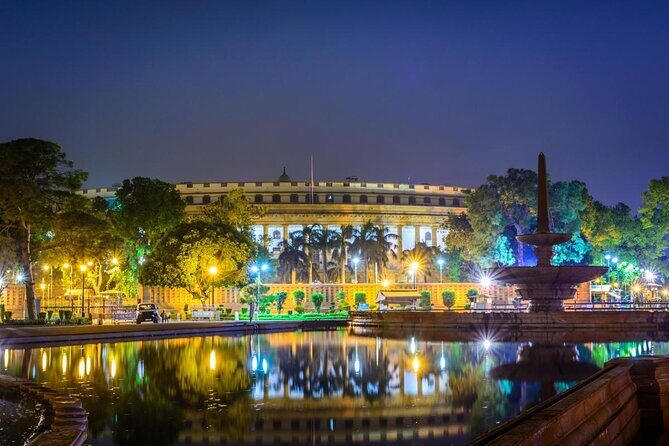
- Modern Delhi photo stops for India Gate, Rashtrapati Bhavan, and Parliament House
- AC vehicle + bottled water so your day stays doable even when the city heats up
Price and what you truly get for $159
At $159 per person for about two days, the value comes from what’s bundled—not just the sightseeing. You’re paying for government-approved guide time, an air-conditioned vehicle, bottled water, and hotel/airport pickup and drop-off, which are the biggest time-savers in Delhi. This also matters because Delhi is not a place where you want to “wing it” when you only have a short window.
Also, this is set up as a private tour/activity, meaning it’s your group only. That usually translates into better timing and fewer compromises than a big public group that moves at the slowest pace.
One more value note: the tour can include hotel accommodation in 3-, 4-, or 5-star categories if you choose that option. So if you’re building a full quick-trip package, you might save effort by letting the tour handle more of the logistics.
The main cost surprise to plan for is the monuments fees: $30 per person, and additional site admissions may be excluded depending on the stop. The tour keeps most practical stuff included, then asks you to budget for paid entrances at a few key monuments.
You can also read our reviews of more tours and experiences in New Delhi


Day 1: From Jama Masjid to Qutub Minar in one big story
Day 1 is built like a walk from spiritual Old Delhi into the grand Mughal-and-medieval scale of Delhi’s heritage zone. You start with pickup around 9:00 AM (or your given time), then the guide leads the transition from market streets to iconic monuments.
You’ll also notice the tour doesn’t try to squeeze in everything at once. It mixes in short, focused visits—often about 30 minutes for the city hits—then longer time blocks at major World Heritage sites like Humayun’s Tomb and Qutub Minar. That pacing helps you leave with memories you can name, not just photos you can scroll past.
Transportation-wise, expect the driver to handle the jumps between neighborhoods. And yes, you’re in an AC vehicle, so you’re not cooking your way across town before the next stop.
Jama Masjid and the Chandni Chowk rickshaw ride
Jama Masjid is the kind of place that makes Delhi feel physical. It’s the congregational Friday Mosque commissioned by Shah Jahan, so you get a direct line to Mughal Islamic architecture while standing in the center of Old Delhi’s religious rhythm.
From there, the tour shifts from monument scale to street scale with a rickshaw ride in Chandni Chowk. This is one of Delhi’s oldest markets and its main thoroughfare—meaning it’s busy, crowded, and full of small details. The rickshaw angle is smart because it keeps you moving without making you fight for every step in heavy traffic.
Two practical tips if you want this part to feel great, not exhausting:
- Wear shoes you can stand in. Old Delhi isn’t a place for delicate soles.
- Be ready for an active sensory environment—sounds, smells, and fast-moving pedestrians are part of the point.
If you care about photos, this segment gives you plenty. You’ll catch both the grand atmosphere near Jama Masjid and the dense street energy around the market.
Red Fort from outside: what you get instead of full entry
You won’t go inside the Red Fort on this tour. Instead, you get a drive-by look from outside for photo stops, with a key reason given: a large portion of the complex is used by the Indian Army, so you mainly view it externally.
For some travelers, this is the only drawback of Day 1. You’re missing the full immersion you’d get from time inside the fort area.
But for others, the outside viewpoint actually makes sense for a short itinerary. You still get the iconic Red Fort moment—just without burning your limited time on entrance logistics and slower internal exploring. Think of it as a “see it, remember it, move on” approach.
If Red Fort interior access is a must for you, you might need a longer, more specific heritage-focused day. For everyone else, the outside photo stop fits the tour’s overall goal: two days, maximum highlights, minimal planning.
Raj Ghat then Humayun’s Tomb: from reflection to garden tombs
Next comes Raj Ghat, a black marble memorial square on the Yamuna River banks marking the spot where Mahatma Gandhi was cremated after his assassination. This stop is free, and it’s the kind of pause that changes the mood after the energy of Old Delhi.
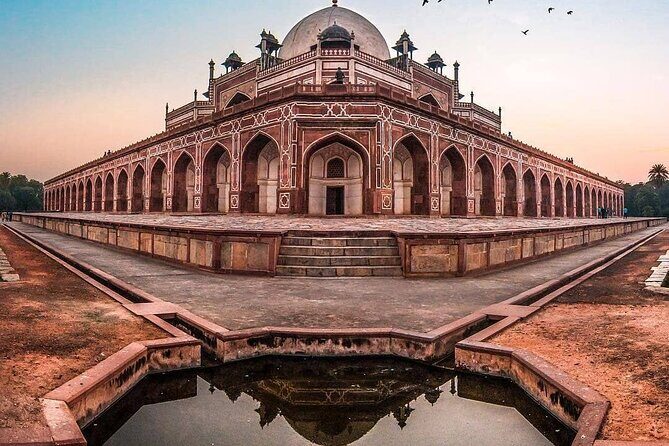
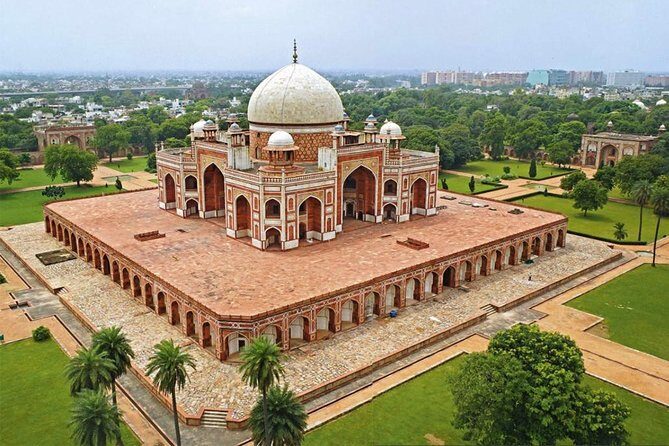
From there, you head to Humayun’s Tomb, a World Heritage site and the final resting place of the second Mughal Emperor Humayun. The big value here is how it represents an early, influential garden-tomb style on the subcontinent. It’s not just “a grave complex”—it’s an architectural idea you can actually see and understand while walking through the layout.
One consideration: the entrance for Humayun’s Tomb is not included. So even if everything else runs smoothly, you’ll want to have the monument budget ready.




Qutub Minar: the minaret that anchors the whole heritage day
Finishing with Qutub Minar makes Day 1 feel anchored. This is another World Heritage site, and the tall conical minaret is tied to historic builders—constructed in 1192 by Qutab-ud-din Aibak and later completed by Iltutmish.
What I like about ending here is that it pulls the entire day into a clear visual “big moment.” After mosques, forts-from-outside, and tomb gardens, Qutub Minar gives you a single, strong landmark you can point to and say: this is the Delhi skyline heritage everyone means when they talk about medieval Delhi.
As with Humayun’s Tomb, Qutub Minar’s entrance is not included, so you should expect to pay at the monument level. The upside is that this is one of those places where your time is well spent—one long look can turn into several shorter discoveries.
Day 2: Temple-hopping across faiths in New Delhi
Day 2 is about spiritual and cultural landmarks in New Delhi. You check out after breakfast, and then your driver and guide pick you up to start the day.
This day has a nice rhythm: a major Sikh shrine first, then iconic government architecture as photo stops, and finally two major temple/faith sites in the afternoon. The flow is practical because it clusters sites by neighborhood and keeps you from zig-zagging across the city endlessly.
Also, this is one of those tours where personal flexibility can matter. In the setup, the guide is there to adjust to weather and your preferences, which can be handy if you want to slow down for photos or add a side mission while you’re already in the right area.
Gurudwara Bangla Sahib: calm inside a working Sikh shrine
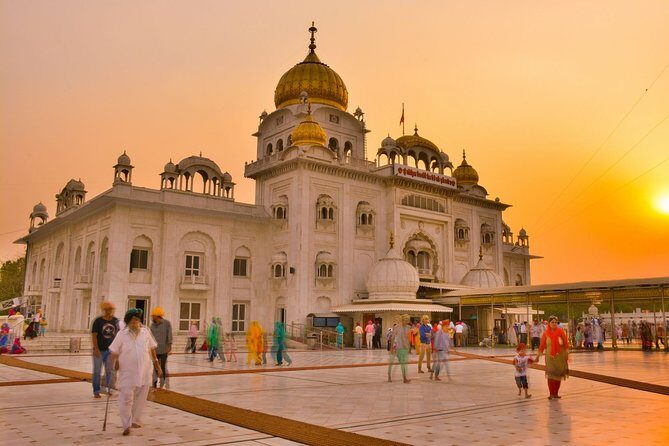
Gurudwara Bangla Sahib is a Sikh temple in the heart of Delhi and one of the most important sacred Sikh shrines, drawing thousands of worshippers and tourists. The tour includes about an hour here, and it’s free.
What makes this stop meaningful is that it’s not staged like a museum. It’s a living place of worship. Even if you don’t know much about Sikh practice, you’ll feel the difference the moment you step in.
For visitors, this is often a highlight because it balances the more famous Mughal architecture from Day 1 with a distinctly different kind of spiritual space. It also gives you a break from “statue-and-stones sightseeing” and lets you experience a place where faith is active.
India Gate, Rashtrapati Bhavan, and Parliament House: big sights, quick stops
After that, the tour pivots to modern Delhi’s government icons. You’ll pause for India Gate photo time—the 140-foot-high arch-like war memorial—then you’ll drive past and take photos around Rashtrapati Bhavan, the Presidential Palace.
The route also includes the Parliament House area. It’s described as designed by British architect Edwin Lutyens and Herbert Baker, with architecture that became part of New Delhi’s identity.
Here’s the deal: these are not long-history walking stops. They’re photo stops and drive-bys, which is perfect for a two-day overview. If your dream trip is “read every plaque and take every internal tour,” you may feel slightly unsatisfied. But if you want to know what the landmarks are and what they look like from the public areas you can access, this works well.
Swaminarayan Akshardham and the Lotus Temple: spectacle plus calm
In the afternoon you’ll visit Swaminarayan Akshardham, a major cultural and spiritual complex designed to showcase Indian traditions. The key detail is that it has paid admission here, so it’s one of the monuments where you’ll want to have your budget ready.
This stop is big on visual scale and symbolism, and it’s also a good example of how Delhi can feel like multiple countries in one city. One moment you’re thinking in Mughal-era stone geometry; the next you’re looking at a modern expression of spirituality and culture.
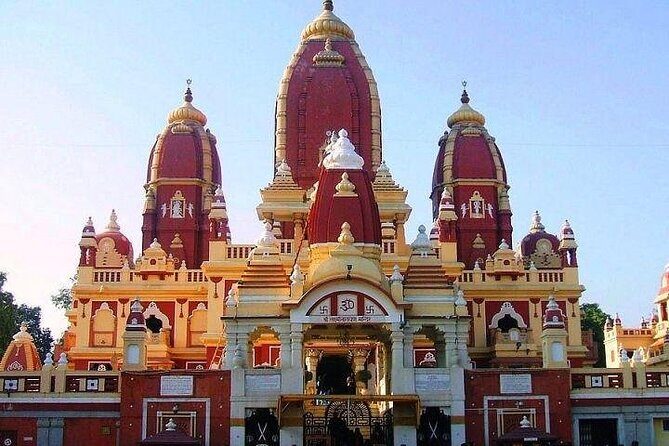
Then comes Lotus Temple, a Bahá’í House of Worship dedicated to the oneness of humanity and religion. It’s free, and the structure’s lotus shape makes it instantly recognizable.
This contrast is why this pairing works: Akshardham gives you “grand and energetic,” while Lotus Temple offers a quieter, open-feeling space for reflection. Even if you’re not religious, it’s a nice reset at the end of a packed two days.
Who this tour fits best (and who should choose something else)
This tour is a strong match if you:
- want two days that cover the most famous parts of Delhi without doing planning math
- like a mix of spiritual sites and World Heritage monuments
- prefer having an AC driver and a guide to handle timing and explanations
- want photo opportunities at major New Delhi icons without committing to a full architecture tour
It’s less ideal if you:
- care about deep, inside access to every major monument, especially Red Fort
- dislike paying separate entrance fees at key stops
- want slow walking time for markets and memorials without a schedule
If your top priority is getting exactly the maximum number of sites and landmarks, this style works. If your priority is one site done slowly and in detail, you might be better with a longer, single-theme trip.
Should you book this two-day Delhi tour?
Yes, you should consider booking if you want a smart, high-coverage Delhi starter pack with real guidance. The biggest strengths are the setup—pickup, AC transport, and a local guide—and the way the days balance Old Delhi, Mughal heritage, reflective memorial space, and major temples.
Just go in with two expectations: you’ll pay entrance fees for some monuments, and a few headline sights are included as photo moments rather than full interior visits. If you’re okay with that, you’ll come away with a clear picture of Delhi’s history and its spiritual life, not just a pile of photos.
If you tell me your travel month, hotel area, and whether you care more about Mughal architecture or temples, I can suggest which day’s sites to prioritize for your interests.
FAQ
What’s included in the price?
The tour includes breakfast, an air-conditioned vehicle, hotel/airport pickup and drop-off, packaged drinking water, and a government-approved professional tour guide. Hotel accommodation in 3-, 4-, or 5-star options can also be included if you choose that option.
What’s not included?
Monuments fees are not included, at $30.00 per person. Anything not mentioned in the inclusions isn’t included either.
Is pickup available from my hotel?
Yes. Pickup is offered from your preferred location in Delhi, Gurugram, or Noida.
How long is the tour?
It runs for about 2 days.
Is this tour private?
Yes. It’s described as private, so only your group participates.
What key places do we visit?
You’ll see Jama Masjid and Chandni Chowk with a Rickshaw ride, view Red Fort from outside, visit Raj Ghat, Humayun’s Tomb, and Qutub Minar. Day 2 focuses on Gurudwara Bangla Sahib, photo stops at India Gate, Rashtrapati Bhavan, and Parliament House, plus Swaminarayan Akshardham and Lotus Temple.