REVIEW · JAIPUR
Take in the Beauty of an Early Morning with Fresh Flowers
Book on Viator →Operated by The Ultimate Urban Adventures · Bookable on Viator
Jaipur wakes up in color.
I love how early this tour starts: Hawa Mahal looks best in clear morning light, with less traffic and fewer people. I also love the sensory overload at the markets, where fresh flower aromas drift across the street as vendors set up for the day.
The main thing to consider is that it’s an early, on-your-feet experience in a real market. If you’re not into walking or you’re sensitive to morning dust and crowds, plan your pace and wear comfortable shoes.
In This Review
- Key Highlights You Should Know
- Why Hawa Mahal at Dawn Is the Best Choice
- Walking Into the Oldest Flower Market: Smell, Color, Motion
- Kale Hanumanji Ka Mandir: A Human-Scale Pause
- Govind Devji Temple: When the Morning Gets Calmer
- Chai and Street Snacks: The Included Reset Button
- What You’ll Actually Do for 90 Minutes
- Guides That Make It Feel Personal: Harshit and Monty
- Price and Value: Is $35 a Fair Deal?
- Who Should Book This Jaipur Flower Market Morning
- Should You Book This Flower Market Tour or Skip It?
- FAQ
- What is the tour duration?
- Where does the tour start and end?
- How much does it cost?
- What’s included in the price?
- Do I need to bring a printed ticket?
- How large is the group?
- Is private transportation included?
- What about weather?
- What can I expect to see besides the flower market?
Key Highlights You Should Know
- First-light photos at Hawa Mahal without the usual congestion
- Oldest wholesale flower market feel with farmers and vendors lining the streets
- Temple stop at Govind Devji with time to see the site in the morning calm
- Masala chai included at a local tea shop to reset your energy
- Small group size (max 15) so you’re not stuck in a conga line
Why Hawa Mahal at Dawn Is the Best Choice
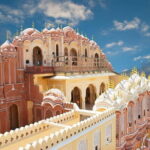
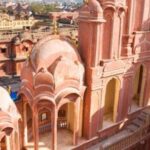
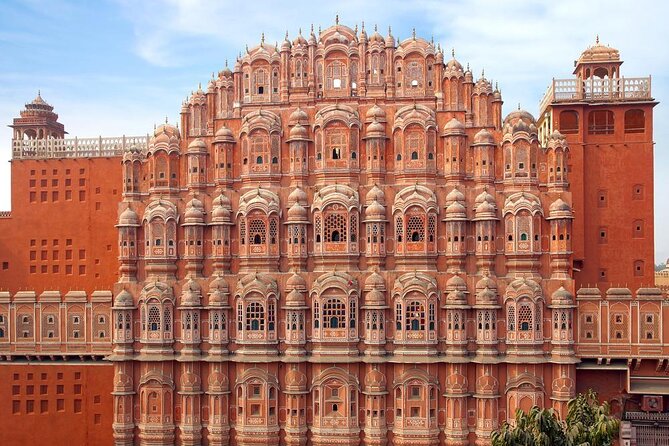
Starting at Hawa Mahal (Palace of Winds) is a smart move for two reasons: light and crowd control. The tour begins in the morning, when the building’s red-and-pink sandstone glow looks crisp instead of hazy. And since the city is still waking up, you usually get a calmer feel around this famous landmark.
You also get an easy win for your photos. Morning is when shadows sit right, and you’re less likely to fight for a clean shot. There’s even a nice built-in break: this stop is about 15 minutes, long enough to get your bearings and capture the facade, short enough that you don’t feel like you’re waiting around.
Practical note: Hawa Mahal is a giant photo magnet, even before sunrise. If you have a camera with interchangeable lenses, keep your gear simple. You’ll be moving on soon, and the real “wow” comes further down the street.
You can also read our reviews of more tours and experiences in Jaipur


Walking Into the Oldest Flower Market: Smell, Color, Motion

From Hawa Mahal, you walk toward the oldest wholesale flower market of Jaipur. Along the way, you pass heritage buildings, temples, and gates. It’s not a museum-style route. It’s the city in motion, which is exactly why the market feels alive instead of staged.
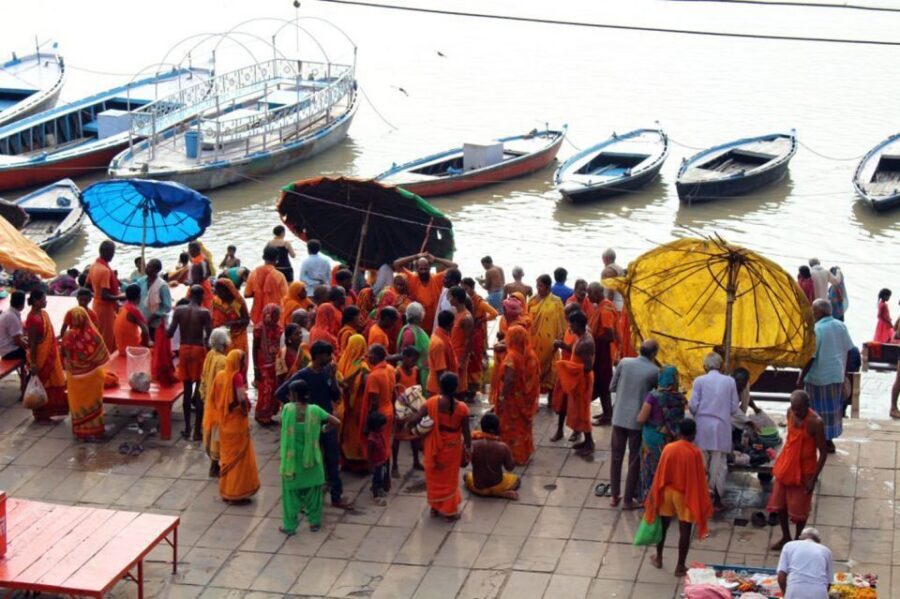
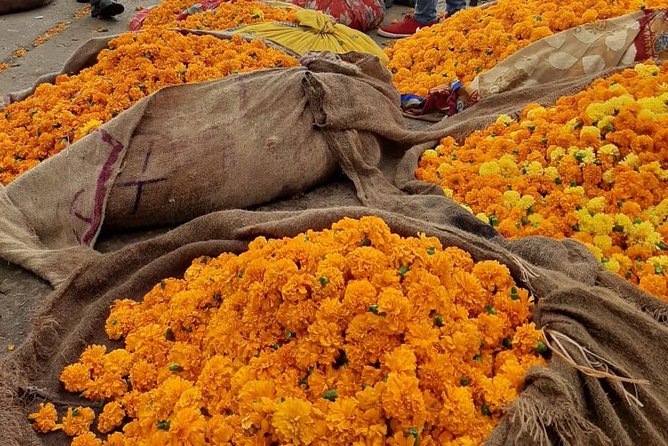
Then the air changes. One moment you’re looking at stonework and carved details; the next, you’re hit by the scent of fresh petals. This part is the heart of the experience: vendors and farmers set up early, selling everything from loose petals to bouquets and flower necklaces. The colors aren’t just pretty; they’re the kind of bright that makes your photos look like you used editing presets.
What I like about this market segment is how hands-on it feels, even though you’re just walking through. You’ll see rows of prepared garlands, people working fast but carefully, and the practical side of flower trading—like how quickly arrangements are made for the day ahead.
Also, this isn’t only flowers. The route can include a neighboring vegetable market stretch, which adds variety and gives you a fuller picture of morning life. So if you’re into street scenes—signboards, textures, and people doing their daily work—this segment delivers.
One drawback: it’s a working market. That means movement can be tight in places. You’ll want to keep your shoulders relaxed, avoid stopping in the narrowest spots, and let the flow carry you.
Kale Hanumanji Ka Mandir: A Human-Scale Pause
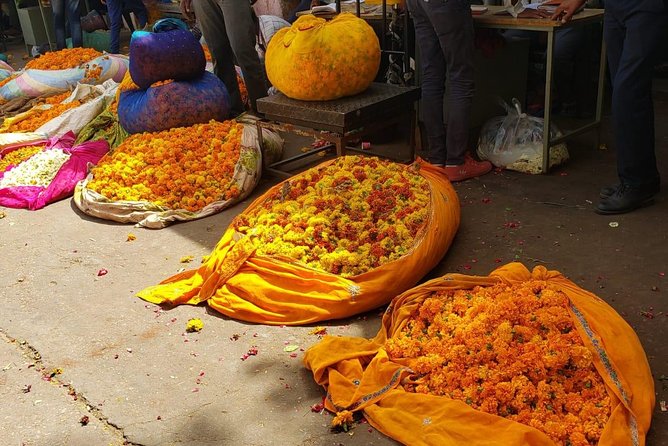
On the way to the main market, there’s a stop at Kale Hanumanji Ka Mandir. This is a short, meaningful breather between the landmark photos and the busiest part of the market walk.
It matters because it adds rhythm to the morning. Instead of rushing straight from Hawa Mahal into a wall of color, you get a more human, local-feeling moment—temple energy, people coming and going, and a change in atmosphere. This also helps if your morning camera brain is already going full speed. Your eyes get a place to rest.
And this stop connects the market world with Jaipur’s devotional side. Even if you’re not religious yourself, you’ll likely appreciate how the morning economy and morning faith overlap in the same streets.
Govind Devji Temple: When the Morning Gets Calmer
After the market, you head to Govind Devji Temple. This stop is about 25 minutes, with admission included. It’s a good length: long enough to notice details and settle into the space, short enough that you still feel the market’s energy on your way out.
Morning at a temple can feel different from the market. The pace slows, voices drop, and you start paying attention to small things—what people wear, how they move, and how the setting frames the day. One of the best “bonus” moments here is that you might catch temple singing, depending on timing.
If you’re a photographer or video person, temples are also easier on your patience than crowded streets. You can frame shots more deliberately. Just remember: you’re in a working religious place. Keep your behavior quiet and respectful.
Chai and Street Snacks: The Included Reset Button
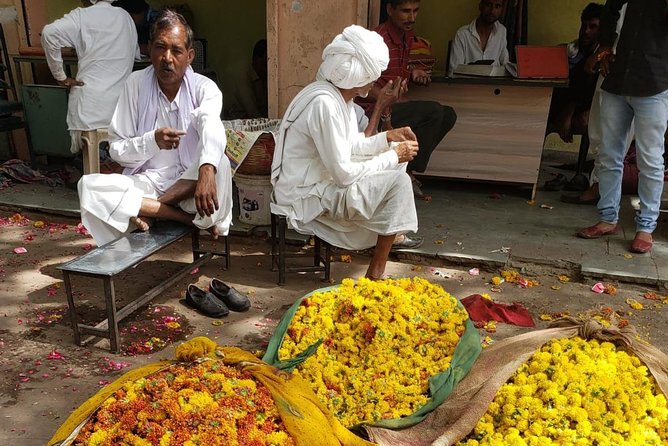
This tour includes masala chai at a local tea shop, plus the chance to nibble on street snacks if your guide takes you to a good spot. Several guides have been praised for steering people to the tastiest chai stall and pairing it with Rajasthan-flavored snacks.
That tea stop is more than a drink. It’s your strategy break. After walking through bright petals and fast-moving stalls, warm chai helps you cool down—literally and mentally. It also gives you time to slow the pace, ask questions, and regroup before the final stretch.
If you’re traveling with any food sensitivity, you should still be cautious, like you would anywhere in the city. But the tea component is a real value-add because it’s included, not an afterthought.





What You’ll Actually Do for 90 Minutes
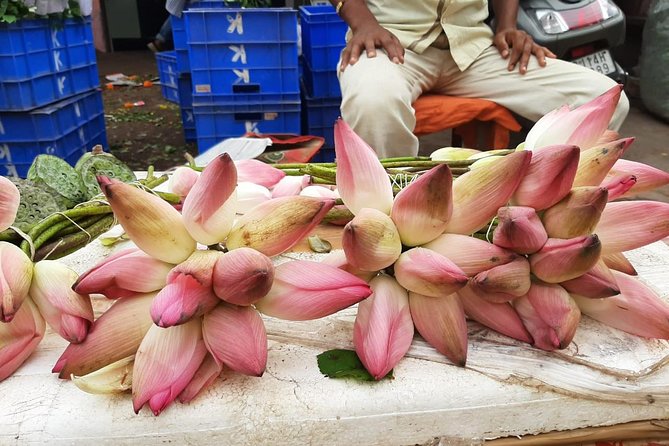
The whole experience is about 1 hour 30 minutes and is designed as a walking route. That sounds simple, but it’s a smart format. You get the highlights without committing to a half-day.
Here’s the practical rhythm:
- You start at Hawa Mahal and get your early landmark photos
- You walk through heritage streets toward the oldest flower market
- You spend the most time where the sensory impact is strongest
- You finish at Govind Devji Temple with a calmer atmosphere
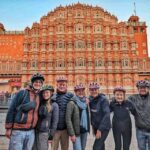
Because the group is capped at 15 people, it tends to feel more manageable than big sightseeing herds. You’re not constantly waiting for someone to catch up, and your guide can answer questions without shouting over the crowd.
Comfort tip: dress for mornings that can feel cool at first, then warm. And bring shoes you can walk in for real market sidewalks—some sections can be uneven.
Guides That Make It Feel Personal: Harshit and Monty
A big part of the success of this kind of tour is the guide, and this one seems to deliver. I’ve seen names like Harshit and Monty come up repeatedly. The common theme: friendly handling, clear explanations, and tips on where to eat and what to notice.
When a guide knows the flow of the market and the story behind the landmarks, you don’t just see flowers—you understand what you’re looking at. That turns photos from simple snapshots into memories with context.
If you’re traveling solo, that support also matters. A good guide makes the whole walk feel easier—especially in active market areas where you may not want to wander on your own.
Price and Value: Is $35 a Fair Deal?
At $35 per person for about 90 minutes, you’re paying for three things you can’t replicate easily on your own:
- the timed early start at Hawa Mahal (better light, less traffic)
- guided navigation through a working market setup
- included chai that actually saves money and time
You’re not paying for private car transport here—private transportation isn’t included. That’s a fair trade if you’re comfortable meeting at the start point near Hawa Mahal and walking the route.
Value-wise, the chai inclusion is the easy win. The real value is the experience design: markets move fast. Without someone showing you what’s worth focusing on, you might miss the best moments.
Who Should Book This Jaipur Flower Market Morning
This is a great fit if you want:
- authentic early-morning street life in Jaipur
- market photography (flowers, garlands, stalls, devotional scenes)
- a short, easy walking tour that starts with a famous landmark and ends at a temple
It’s also a solid pick if you’re visiting Jaipur for the first time and want one memorable morning that gives you a sense of local rhythm. And if you’re the type who likes seeing how daily work happens—not just the big monuments—this tour will likely click.
If you hate early starts, hate walking, or need lots of time at each stop, you might find the schedule a bit tight. But if you’re flexible and ready for a sensory morning, it’s a strong choice.
Should You Book This Flower Market Tour or Skip It?
I’d book it if you can handle a morning walk and you want Jaipur at its most alive. The combination of Hawa Mahal photo time, the oldest flower market atmosphere, and a temple finish makes this more than a one-trick tour.
I’d consider skipping if you’re expecting a slow, sit-down sightseeing day or you don’t want to deal with a working market environment. Also, because this experience needs good weather, if forecasts look rough, you may want a plan B.
If you want a short, high-impact Jaipur morning with included chai and a small-group feel, this one is worth your time.
FAQ
What is the tour duration?
The tour runs for about 1 hour 30 minutes.
Where does the tour start and end?
It starts at Hawa Mahal Rd (near J.D.A. Market) and ends at Kala hanuman ji mandir Amer Rd, near Jal Mahal.
How much does it cost?
The price is $35.00 per person.
What’s included in the price?
All fees and taxes are included, and masala chai (Indian tea) at a local tea shop is included. Govind Devji Temple admission is included too.
Do I need to bring a printed ticket?
No. The tour uses a mobile ticket.
How large is the group?
The maximum group size is 15 travelers.
Is private transportation included?
No, private transportation is not included.
What about weather?
This experience requires good weather. If it’s canceled due to poor weather, you’ll be offered a different date or a full refund.
What can I expect to see besides the flower market?
Besides the flower market, the walk includes heritage streets with temples and gates, and the route also connects to Govind Devji Temple. A vegetable market area may be part of the morning route.