REVIEW · JAISALMER
All-Day Desert Safari with Cultural Program
Book on GetYourGuide →Operated by Wonbin safari · Bookable on GetYourGuide
Desert dusk plus culture, in one long day. This all-day Thar Desert Cultural Safari mixes adrenaline (a Jeep dune run) with hands-on storytelling at Kuldhara Village, the famous abandoned settlement people still talk about. I like how the day is built around real desert rhythms: walking ruins in daylight, then shifting to camp life with camel and sunset.
My other favorite part is the camp program: the Tika & Aarti welcome and a full folk performance with men and women in colorful traditional outfits and singing that goes back generations. One thing to consider: the schedule is packed and structured, so if you want slow, quiet desert time, the moving pieces (Jeep, walk, camel, sunset, show, dinner) can feel a bit “go-go-go.”
In This Review
- Key things that make this safari worth your time
- Rajasthan, 11:30 start: how the day actually flows
- Jeep dune-bashing energy: what the Thar drive feels like
- Kuldhara Village heritage walk: ruins with a story behind them
- Lunch under shade, then the transfer to camp
- Camel ride and the sunset window you’ll plan around
- Tika & Aarti, folk dances, and music at the camp
- Dinner, regional food, and the pure veg buffet
- Music and discotheque: the camp vibe after the show
- Group size, languages, and who’s running your day
- Price and value: is $38 really enough?
- Practical tips that help your safari go smoother
- Who should book this desert cultural safari?
- Should you book it? A quick decision guide
- FAQ
- What time does the desert safari start and when does it end?
- How do I get picked up?
- How long is the heritage walk at Kuldhara?
- Is lunch included, and where is it served?
- How long is the camel ride?
- When do you watch the sunset?
- What kind of cultural program is included?
- Is dinner included, and is it vegetarian?
- What languages are available for the host or greeter?
- What documents do I need to bring?
Key things that make this safari worth your time
- Jeep Safari through the Thar Desert with dune-bashing style driving, not just a drive-by
- Kuldhara heritage walk (about 30 minutes) tied to the village’s overnight abandonment story
- Camel ride (about 1 hour) plus a dedicated sunset/photo window over the sand dunes
- Traditional welcome at camp with refreshing drinks, snacks, Tika & Aarti, then a full folk program
- Pure veg Rajasthani buffet dinner after the cultural performances
- Small group size (max 10), which usually keeps the experience feeling more personal
Rajasthan, 11:30 start: how the day actually flows
This tour runs as a true one-day loop from Jaisalmer, starting around 11:30 am. Pickup is handled by Jeep, either from a scheduled point or sometimes from your hostel, so you’re not responsible for getting yourself out to the dunes.
Expect a steady progression: desert driving, a heritage stop at Kuldhara, then lunch and camp activities that build toward sunset and the evening show. The day ends with return to Jaisalmer around 10:30 pm, so you’re back the same night rather than sleeping in the desert.
You can also read our reviews of more tours and experiences in Jaisalmer
Jeep dune-bashing energy: what the Thar drive feels like
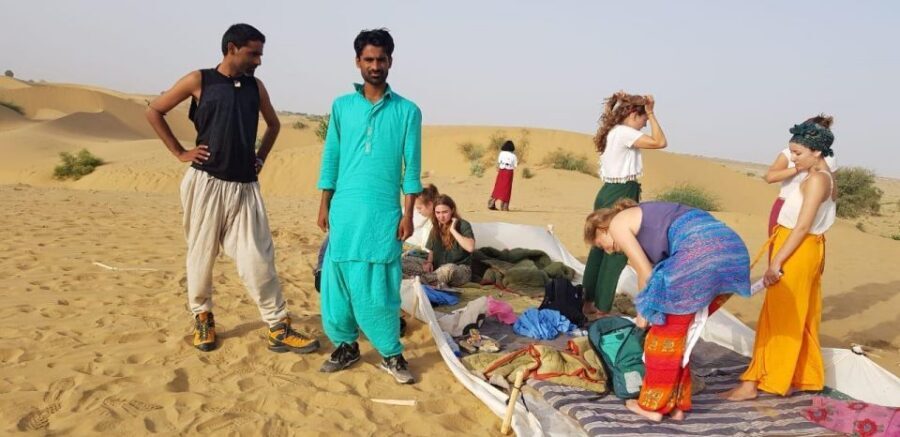
The core of the adventure is the Jeep safari through the Rajasthani Thar Desert. This isn’t a slow scenic bus ride. You’ll be in a guided vehicle designed for dune terrain, and the included dune-bashing style transport means you’ll get that real desert “bounce” and traction feel.
The value here is not just the ride itself, but what it buys you: time. By using Jeep transport, the tour compresses the distance between Jaisalmer, Kuldhara, and the camp area into a single day. If you’re short on days and want maximum desert time, this format makes sense.
One practical note: because this is an active ride, you’ll want comfortable clothes you don’t mind getting dust on, plus shoes that work for walking at the heritage stop.
Kuldhara Village heritage walk: ruins with a story behind them
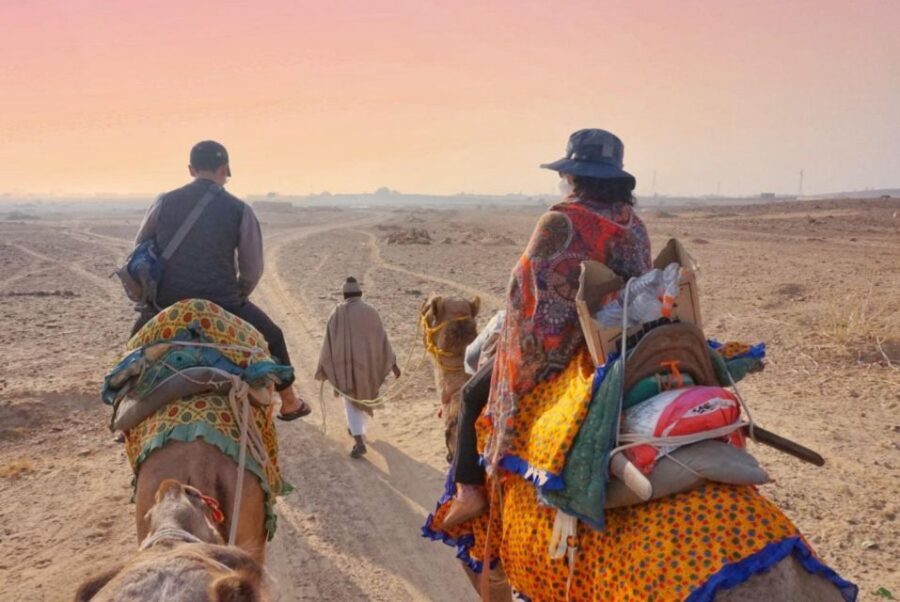
Kuldhara is the cultural anchor of the day. You’ll enter the area and do a heritage walk for about 30 minutes, with the stop framed around the village’s legend of being abandoned overnight by local residents to escape oppression by a cruel minister.
What I like about Kuldhara on this itinerary is the pacing. You’re not rushing through it at high speed like a checklist photo stop. The walk is short enough to stay energetic, but long enough to let you actually look at what’s left—door openings, ruin outlines, and the sense that people once lived here in a desert setting.
This is also where the tour’s local-guide element matters. The best moments tend to be the ones where your guide connects the physical ruins to human choices—why people left, what desert life requires, and how heritage survives even when the original village is gone.
Lunch under shade, then the transfer to camp
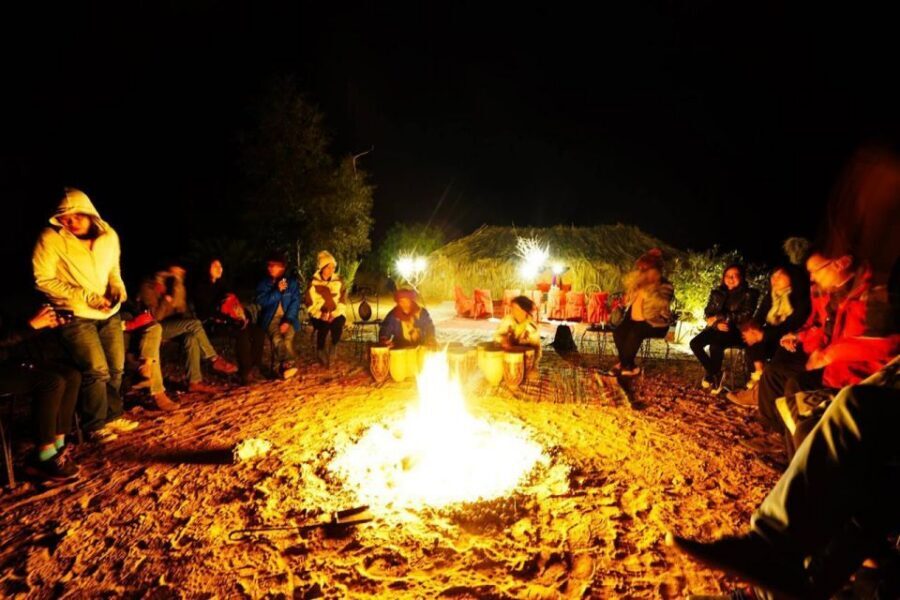
After Kuldhara, the tour moves into desert lunch time—about 2 hours of food and downtime under shade from the sun. You’ll get a break from walking and driving, and that matters on a day like this.
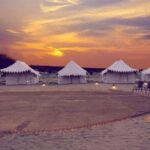
Then comes the move to camp. The transfer from Kuldhara to the camping area takes around 40 minutes, and you’ll arrive at a state-of-the-art camping setup where the team can handle your questions and help you get organized for the next segment.
This transition is where the tour quietly adds comfort. Desert days can go either way—either you’re stuck sweating with no rhythm, or you get planned breaks. This one gives you that rhythm: heritage walk → lunch shade → movement to camp.
Camel ride and the sunset window you’ll plan around
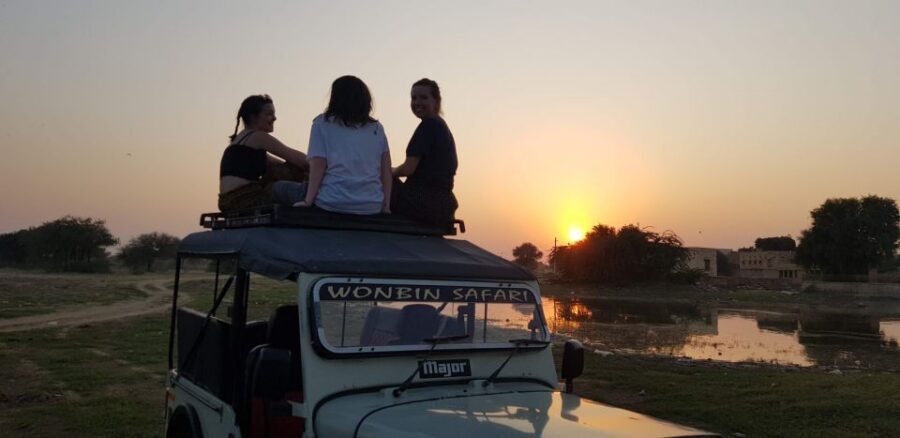
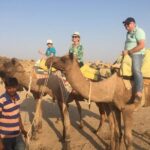
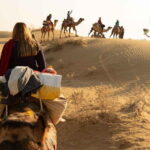
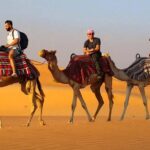
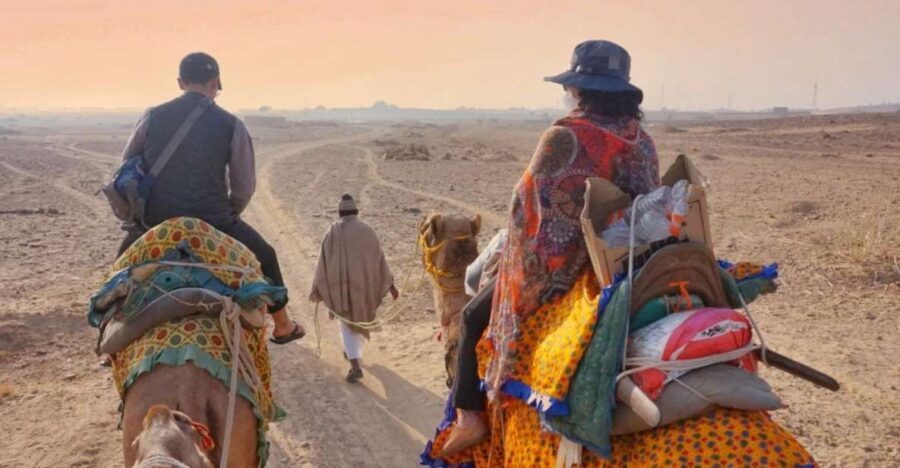
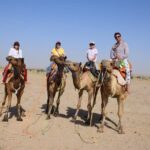
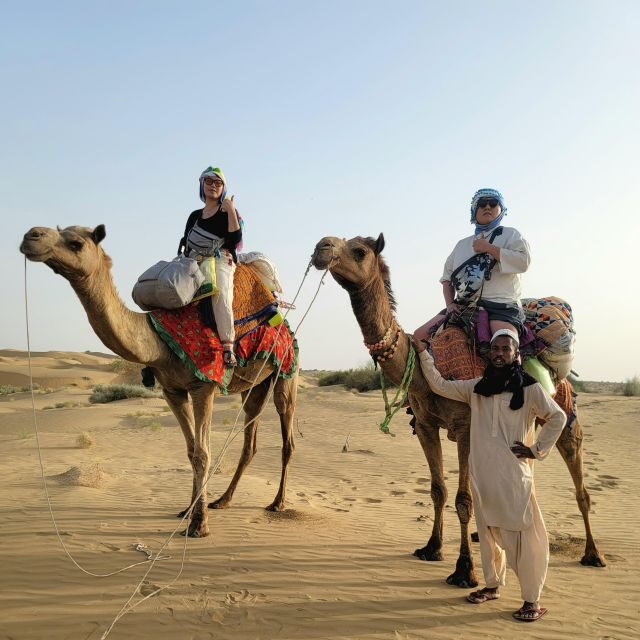
The camel ride is scheduled for about 1 hour, and it’s timed to make the desert feel dramatic rather than just scenic. The idea is simple: you ride out, then you have a dedicated stretch for photo stops and sunset over the sand dunes.
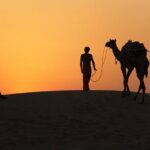
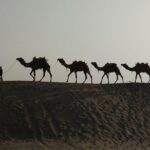
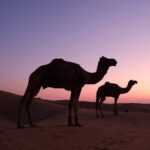
That sunset segment is listed as about 2 hours, which is great because it gives you time for the light to change. You’re not stuck with a single five-minute golden moment. You’ll also get scenic views on the way, so even if sunset is partly hazy (it happens), you still have visual variety.
Practical tip: plan to bring your camera/phone power strategy. You’ll be photographing in bright light and then moving into evening conditions, so you don’t want a dead battery when the best color shows up.
You can also read our reviews of more tours and experiences in Jaisalmer

Tika & Aarti, folk dances, and music at the camp
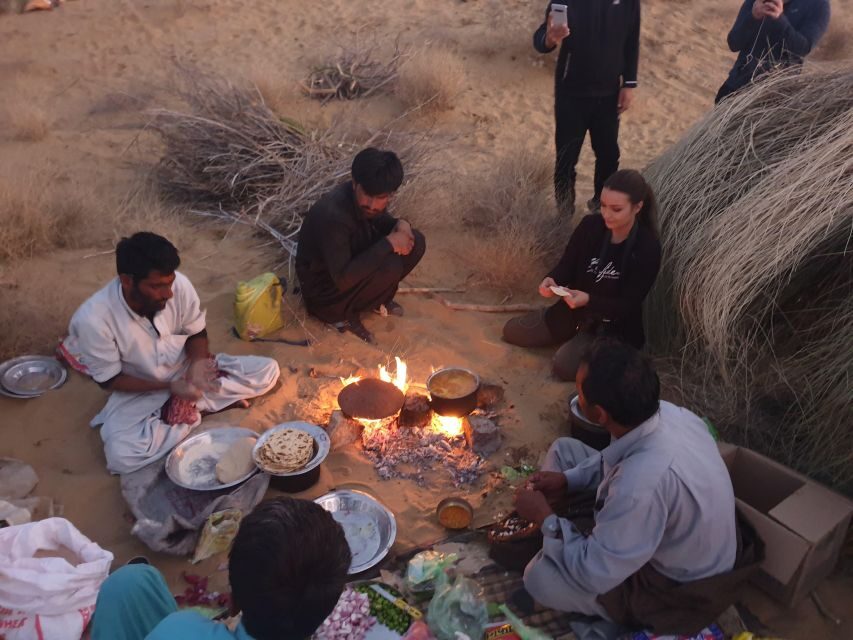
When you arrive at camp, you’ll get a traditional Tika & Aarti welcome along with refreshing drinks and tasty snacks. From there, the main cultural event starts: a performance that includes folk dances and traditional singing, featuring both men and women in colorful clothing.
The program style is built around older folk traditions: you’ll see gypsy-style and folk dances and hear singing songs that date back generations. It’s the kind of show that works best when you don’t overthink it. Watch the costumes, follow the mood, and let the music carry you.
A detail I find helpful: the performances are structured and time-based, and your evening includes both the show and then more camp entertainment afterward. One rider praised the professionalism and the energy of the team, including a guide named Talab, who was described as welcoming and lively—exactly the kind of person who helps a group enjoy the program rather than just watch it.
Dinner, regional food, and the pure veg buffet
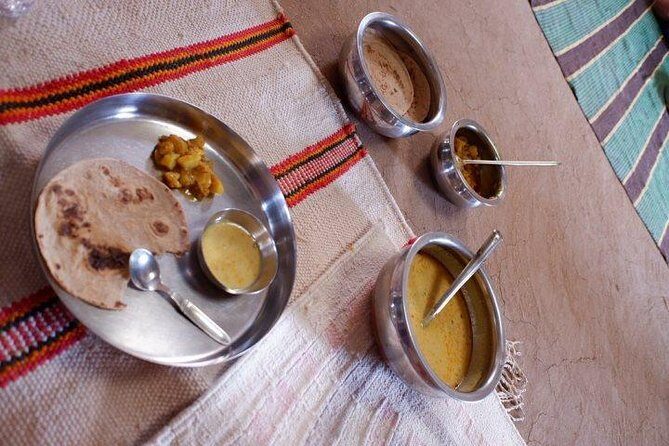
Food is included in two places: lunch earlier in the desert day, and then dinner at camp. Dinner is listed as a Rajasthani buffet offering pure veg and about 2 hours in the camp evening block.
You’ll also see the phrase regional food used, which is your hint that this isn’t just basic buffet fare. It’s designed to taste like the region you came to visit, with a spread that fits what the camp is set up to serve.
If you have allergies or dietary restrictions, tell the team ahead of time. The tour information explicitly says they can work with you if you share restrictions.
Music and discotheque: the camp vibe after the show
After the dance and singing program, the included entertainment continues with music and a discotheque. That’s not every desert safari offering, and it changes the mood from cultural evening to social night.
This matters if you’re traveling solo or with friends and you want more than sitting quietly. It also helps explain why the group size is small: with a cap of 10 participants, the camp atmosphere can still feel friendly and not like a mass event.
Also worth noting: one rider mentioned celebrating New Year’s Eve in the desert camp and described it as memorable, which suggests the camp can feel festive when dates line up.
Group size, languages, and who’s running your day
This safari runs as a small group, limited to 10 participants. That’s a sweet spot for desert travel because it usually reduces time lost herding people and makes it easier to ask questions.
The guide/host support is available in English, Hindi, and Korean. That language support matters more than it sounds. Even if you know a little, having clear explanations at Kuldhara and during the camel/sunset timing helps you get more out of the day.
In the reviews, guides named Mahboob Ali and Shadam Khan were highlighted for warm gestures and strong guidance. While you can’t count on the exact person, it’s a sign the operator cares about guide interaction—not just logistics.
Price and value: is $38 really enough?
At $38 per person for an all-day package, the value is surprisingly strong—if you care about the full set of experiences rather than picking and choosing.
Here’s what your money covers:
- Jeep transport from Jaisalmer (hotel pickup available)
- Dune-bashing/Jeep safari
- Heritage walk to Kuldhara
- Lunch under shade
- Camel ride
- Sunset over the dunes plus scenic/photo time
- Tika & Aarti welcome
- Cultural program (dance and singing)
- Music and discotheque
- Rajasthani pure veg buffet dinner
- Same-day return to Jaisalmer around 10:30 pm
What this price may not buy you: total freedom. You’re on a schedule, you’re following a group, and you don’t linger endlessly in one place. But for many people, that’s exactly the deal—one day, lots of desert highlights, and you’re not spending extra time arranging transport or activities yourself.
Practical tips that help your safari go smoother
Bring a passport or ID card (a copy is accepted). Desert tours are strict about identification, and having the right document prevents last-minute hassle.
Wear for movement. You’ll do a walk at Kuldhara (about 30 minutes) and spend extended time on the vehicle and camel ride. Choose closed-toe shoes or sturdy sandals that handle dust and uneven ground.
Plan for sitting through multiple segments. The itinerary includes long evening time blocks for the cultural program and dinner, then extra music. So bring a mindset for a full day rather than expecting a short outing.
If you’re hungry for flexibility, you can also ask about your pickup point. The tour includes Jeep pickup from scheduled destinations or hostels, and one rider noted railway station pickup was possible in their case. So it’s worth checking what they can do for your exact location in Jaisalmer.
Who should book this desert cultural safari?
This tour fits best if you want a classic desert day with both adrenaline and culture:
- You’re visiting Jaisalmer for a short time and want one organized day to cover Kuldhara plus dunes
- You enjoy guided context, not just photos
- You’re fine with a full schedule and a lively camp evening, including music/discotheque
- You eat vegetarian and want a pure veg buffet dinner included
It may not be the best fit if you’re looking for silence, long stretches of free time, or a fully unstructured experience. And it’s clearly listed as not suitable for pregnant women.
Should you book it? A quick decision guide
Book this safari if you’re aiming for a single-day Thar experience that hits the big points: Jeep dunes, Kuldhara heritage walk, camel ride, and an evening folk cultural program with food included. For the money, the package is doing a lot of work for you—transport, activities, and meals—so you don’t have to piece together the day.
Skip it or look at other options if you hate fixed schedules or you really need a relaxed, slow pace. This one is designed for movement and performance, not quiet drifting.
If you do book, you’ll get the best value by going in ready to participate—watch the dancing, enjoy the timing around sunset, and treat the camel ride as part of the story, not just another photo stop.
FAQ
What time does the desert safari start and when does it end?
The safari starts at 11:30 am and returns to Jaisalmer around 10:30 pm the same day.
How do I get picked up?
You’ll get Jeep pickup from Jaisalmer, either from a scheduled destination or from your hostel (hotel pickup is available too).
How long is the heritage walk at Kuldhara?
The Kuldhara Village walk is about 30 minutes.
Is lunch included, and where is it served?
Yes. You get lunch under the shade of the trees during the desert portion of the day.
How long is the camel ride?
The camel ride is about 1 hour.
When do you watch the sunset?
There’s a photo stop and sunset segment over the dunes, listed as about 2 hours, along with scenic views on the way.
What kind of cultural program is included?
You’ll attend a camp cultural program with folk dances and traditional singing, followed by dinner. The welcome includes Tika & Aarti.
Is dinner included, and is it vegetarian?
Yes. Dinner is a Rajasthani buffet with pure veg food.
What languages are available for the host or greeter?
The host or greeter is available in English, Hindi, and Korean.
What documents do I need to bring?
Bring a passport or ID card. A copy is accepted. Also let them know about any food allergies or dietary restrictions so they can accommodate you.