REVIEW · RISHIKESH
Rishikesh: White-Water Rafting Trip for All Levels
Book on GetYourGuide →Operated by INBOUND ADVENTURE TOURS · Bookable on GetYourGuide
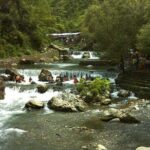
White-water rafting in Rishikesh moves fast. You get a real dose of adrenaline on rapids, plus the chance to float past temples and ashrams, with trip lengths that fit your comfort level. Some of the best reassurance I see here is the attention to safety skills on the water, including a boat captain named Abli and a safety kayak expert named Kuli, with an emphasis on following protocols.
What I like most is the way the activity scales: a short, family-friendly run with easy Class I and II rapids, then longer stretches with Class III+ and even one Grade IV section for advanced rafters. You’ll also get fun-water extras like body surfing, and on the harder routes, the option of cliff jumping when conditions and your level allow.
One consideration: you must be able to swim, and the longer or more intense options come with higher fitness and health limits. If that’s not you, it can be a hard no—so check the age and medical restrictions against the specific trip you’re aiming for.
In This Review
- Key things to notice before you pick your Rishikesh rafting route
- First, choose your rafting “difficulty lane” in Rishikesh
- Phool Chatti to NIM Beach (6 km, 45 minutes to 1 hour)
- Brahmpuri to Ramjhula (9 km, Class I–II, about 1 to 2 hours in practice)
- Shivpuri to NIM Beach (16 km, 2 to 3 hours, Class III+)
- Marine Drive to NIM Beach (24 km, 3 to 4 hours, multiple Class III rapids)
- Kaudiyala to NIM Beach (34 km, 5 to 6 hours, advanced, includes Grade IV rapid The Wall)
- What you’ll actually do on the river: rapids, swimming breaks, and body surfing
- Rapid grading, in human terms
- Why the safety kayak detail matters
- The meeting point and how the day flows from Brahmpuri
- Seeing Rishikesh while you raft: temples, ashrams, and iconic bridges
- Cost and value: why this price is a big deal (and what you still need to pay attention to)
- What’s included
- What’s not included
- What to bring (and why)
- Who this rafting trip fits best, and who should skip it
- Good fit
- Not suitable (based on the provided rules)
- The realistic decision: should you book this Rishikesh rafting trip?
- FAQ
- FAQ
- What’s the duration of the rafting options in Rishikesh?
- Where do you meet for the rafting trip?
- Is transportation included?
- Are towels and food included?
- Do I need to be able to swim?
- What rapids and difficulty levels are included on the different routes?
Key things to notice before you pick your Rishikesh rafting route
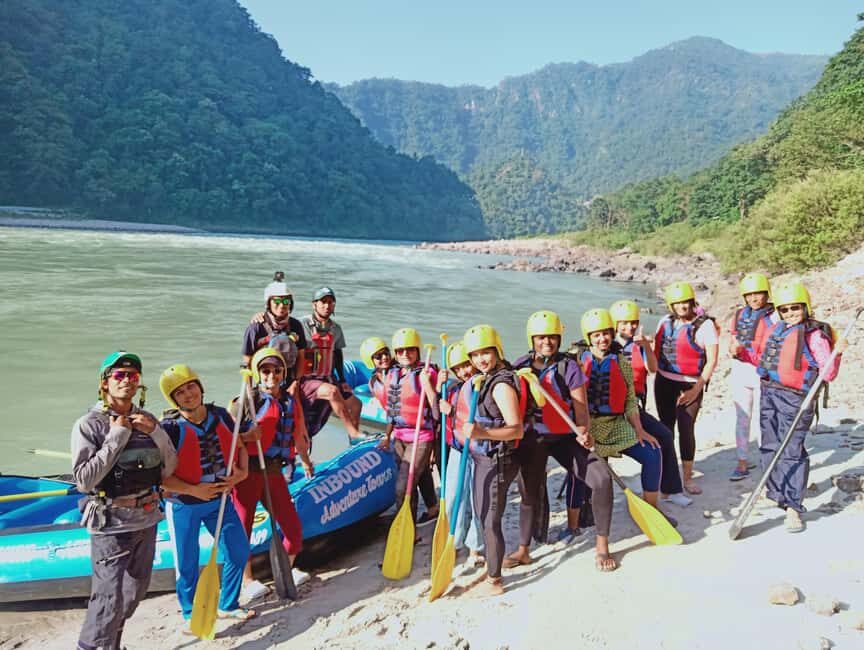
- Five stretch options from a short 6 km run to a 34 km advanced day near Rishikesh
- Beginner-to-advanced grading from Class I–II up to a Grade IV rapid called The Wall
- Body surfing is part of the plan on several routes, not just a rumor on the internet
- Boat captain and safety kayak coverage is central to how the day runs
- You raft past local landmarks like temples, ashrams, and bridges including Ram and Laxman Jhula
- Longer options mean more physical work (including strength and endurance expectations)
First, choose your rafting “difficulty lane” in Rishikesh
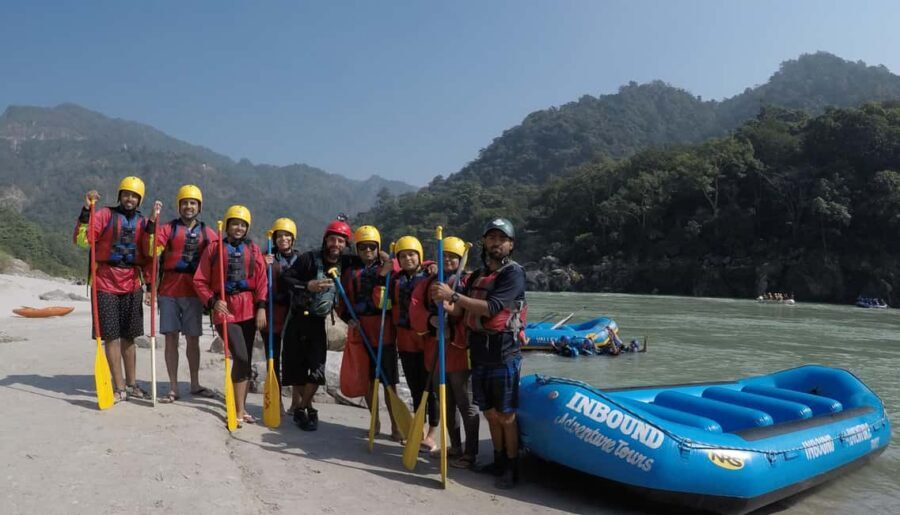
Rishikesh white-water rafting is one of those rare activities where your trip can be as gentle or as wild as your nerves and fitness allow. The operator offers five different rafting stretches, and that matters more than most people expect. In practical terms, you’re not just buying the same ride with a longer or shorter time tag. You’re choosing different river sections, different rapid grades, and different water experiences like swimming, body surfing, and even cliff jumping on the tougher routes.
Here’s the full menu, from easiest to hardest:
You can also read our reviews of more tours and experiences in Rishikesh.
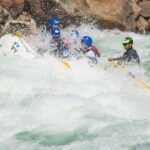
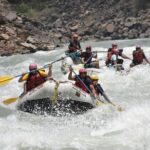
Phool Chatti to NIM Beach (6 km, 45 minutes to 1 hour)
This is the short intro run. You raft a 6 km stretch through easy Class I and II rapids like Club House, Cash Flow, Jail No Bail, and Double Trouble. It’s designed for beginners and families with children, but there’s a catch to check carefully: the short option lists a minimum age of 8, while the general suitability rules also say children under 12 are not suitable. If you’re booking for kids, verify the exact age requirement for the specific option before you commit.
What makes it appealing: you can taste rafting without a half-day commitment. The drawback is that you’ll feel the fun faster, but you won’t get the long “workout + adventure” day you get on the 24 km and 34 km runs.
Brahmpuri to Ramjhula (9 km, Class I–II, about 1 to 2 hours in practice)
If you want a bit more time on the river than the 6 km run, this is the middle-easy option. You meet at the office, then head to the start of the rafting section. Along the way you’ll pass Class I and II rapids including Jail No Bail, Double Trouble, and Hill Turn.
This route has a strong “see Rishikesh while rafting” angle: you pass temples, ashrams, and the well-known bridges Ram and Laxman Jhula. And yes, if you want, you can jump off and swim or try body surfing during the journey (only if the conditions and safety team approve).
Trade-off: you’ll still be in easy rapid territory, so if you want bigger hits, you’ll feel limited compared with the Class III+ options.
Shivpuri to NIM Beach (16 km, 2 to 3 hours, Class III+)
Now you start spending real time on the river. This option is designed for people with experience and fitness, and the rapid grades jump to Class III and above. You’ll be on the water for roughly 2–3 hours, passing ashrams and ghats, and you get chances to try body surfing and cliff jumping (again, only when the safety team says it’s appropriate).
One smart detail here: this stretch is run with a safety kayak supporting potential rescue. That can make a huge difference psychologically. When the plan is active safety support, you’re freer to enjoy the water rather than constantly guessing what happens if things go wrong.
Drawback: you need to meet the experience and fitness requirements, and you’re working at longer duration. This is not a “just jump in and float” trip.
Marine Drive to NIM Beach (24 km, 3 to 4 hours, multiple Class III rapids)
If you want the longer thrill without going full advanced, this is a very common sweet spot. The route runs about 3–4 hours over 24 km, and you’ll power through multiple Class III rapids including Black Money, Three Blind Mice, Cross Fire, Body Surfing Rapid, Camel’s Back, and Return to Sender.
This one also includes a long body surfing section, which is great if that’s the part you’re most excited about. For many people, body surfing is where rafting stops being just movement and turns into actual play time.
Consideration: because you’re rafting longer, fatigue becomes real. You’ll want to be comfortable in the water and ready for a more demanding day.

Kaudiyala to NIM Beach (34 km, 5 to 6 hours, advanced, includes Grade IV rapid The Wall)
This is for serious rafters, with high physical fitness and strong ability to handle the river. The trip runs 5–6 hours across 34 km, and it’s the only stretch in this set that includes a Grade IV rapid called The Wall. You’ll also pass many Class II and III rapids on the way.
The good news: if you’re advanced and motivated, this is the one that delivers the longest, highest-energy run near Rishikesh in this program. The not-so-fun news: it’s physically demanding and aimed at people with the skills to match.
Practical reality: if you’re on the fence, you’ll almost always have a better time choosing the Marine Drive route and saving the Grade IV experience for another trip when you’re fully prepared.
What you’ll actually do on the river: rapids, swimming breaks, and body surfing
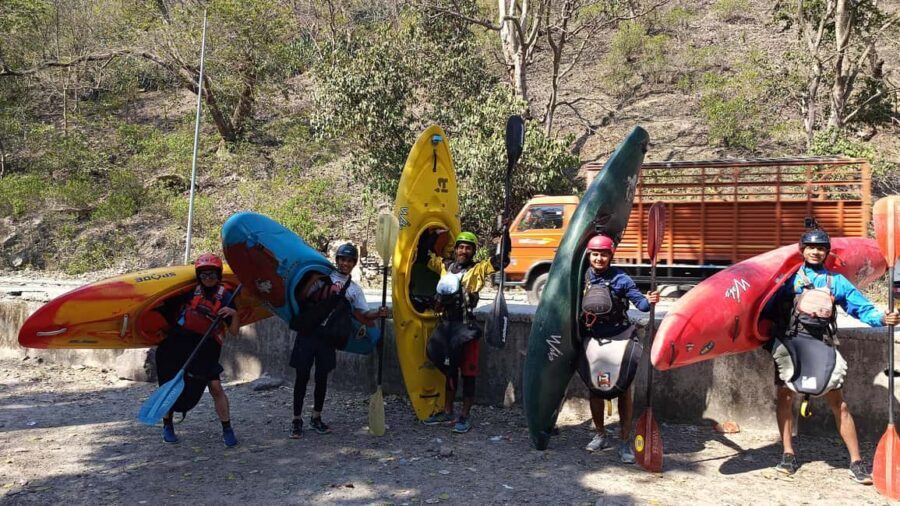
Rafting feels simple until you’re on the water. The raft team positions you, you brace for impact, then the river does what it does: it pulls, bumps, and sometimes throws surprises at you.
Across the options, you’ll typically have moments where the pace shifts. That’s when you get the chance to enjoy more than just rapids. On several routes, the plan includes opportunities for water play—either jumping in to swim or trying body surfing when conditions allow. The harder routes also add cliff jumping, which is the kind of decision you won’t make bravely for the sake of it. You’ll make it only if you can follow the safety instructions and you’re confident in your ability.
Rapid grading, in human terms
- Class I–II: enough action to feel exciting, not enough to overwhelm you.
- Class III and III+: more force and more decision-making from the crew; you’ll feel the difference fast.
- Class IV: serious river energy. This is where you want advanced comfort with white-water dynamics.
Why the safety kayak detail matters
One of the standout points from the experience feedback is the strong safety orientation, especially around safety kayak support. In one account, the team was praised for following safety protocol and staying consistent with kayak coverage. That’s not just “nice.” It’s the difference between feeling watched and feeling cared for.
It also helps that the raft trip runs with a safety team and equipment included. So you’re not guessing what’s standard. You’re showing up and letting professionals run the operation.
The meeting point and how the day flows from Brahmpuri
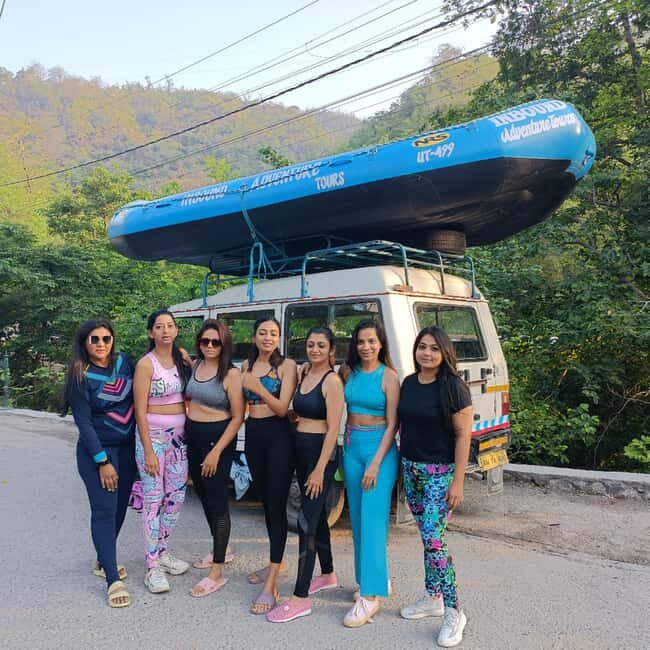
You’ll meet at the operator’s office in Brahmpuri near Neelkanth bridge. The address listed is on NH 58, at Hotel Aloha Road Tapovan Aamkhala, opposite the Tapovan power sub station, in Rishikesh (Tehri Garhwal), Uttarakhand.
From there, you can expect the structure to be consistent across rafting options:
1) You meet at the office and connect with the team
2) You get transportation to the river section start point (transport is included)
3) You raft back down the river stretch
4) Along the way, you pass the named rapids and take part in optional water-play moments when allowed
The length varies by option, but the rhythm stays the same. Short runs feel like a fast hit. Longer runs feel like a full block of river time with multiple moments of intensity spaced out.
Seeing Rishikesh while you raft: temples, ashrams, and iconic bridges
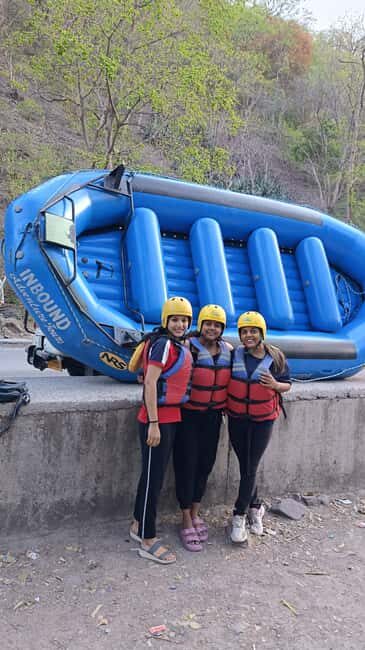
This rafting program isn’t only about water violence. It also gives you a moving viewpoint on the region.
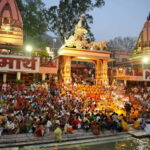
On the Brahmpuri to Ramjhula option, you pass temples and ashrams, along with the Ram and Laxman Jhula bridges. That gives you a “between-rapids” mental reset. Even when you’re bracing for the next bump, you’re also soaking in local scenery that feels connected to Rishikesh culture rather than just a generic river corridor.
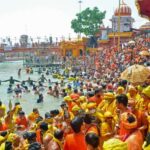
On the Shivpuri to NIM Beach option, you’ll pass through ashrams and ghats. Ghats are one of those things you tend to see from the shore or from walking paths—here, you see them from the river itself, which changes the scale and your sense of place.
You won’t get a lecture tour—this isn’t marketed as a guided sightseeing day—but those passes add a human layer to the adrenaline.
Cost and value: why this price is a big deal (and what you still need to pay attention to)
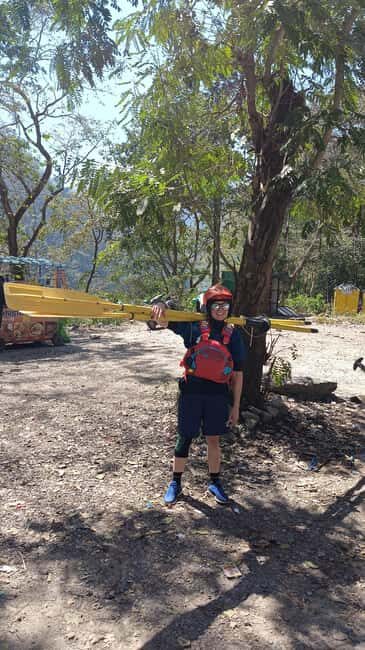
The listed price is $7 per person, with trip durations ranging from 1 to 6 hours depending on the chosen option. That is unusually low for white-water rafting, so I focus on value in a practical way:
What’s included
You get:
- Transportation for the rafting trip
- Safety team and equipment
- The white-water rafting itself
So you’re not paying extra for core safety gear or getting stuck organizing your own vehicle to the river.
What’s not included
You’ll need to plan for:
- Towel
- Food and drinks
That matters. If you’re rafting for 3–6 hours, you can’t assume you’ll find food right after. Bring a towel and have a snack/water plan before you go (the right time and place will depend on your schedule).
What to bring (and why)
Bring:
- A change of clothes
- Biodegradable sunscreen
- Cash
The cash detail is a clue that you may want flexibility for small purchases onsite. And the biodegradable sunscreen matters if you care about leaving the river environment as you found it—also, it tends to work better with people who prefer safer products around water.
Who this rafting trip fits best, and who should skip it
This is where I’d be extra careful, because the river doesn’t care how excited you are.
Good fit
- People who want English instruction from an English-speaking instructor
- Anyone comfortable choosing the right difficulty lane (beginner, intermediate, advanced)
- Swimmers who want optional water play like body surfing
The operator also lists small group availability, which usually means you spend less time waiting around and more time actually doing the activity.
Not suitable (based on the provided rules)
You should not plan on this rafting if you have:
- Pregnancy
- Heart problems
- Respiratory issues
- Epilepsy
- Recent surgeries
- Wheelchair users
- People over 60 years
- Children under 12 years
And again, you must be able to swim.
One more important note: the shorter family-friendly option says children must be at least 8 years old, which seems to conflict with the general under-12 rule. Treat this as a “check first” situation. If your group includes kids, confirm the exact age requirement for the option you want.
The realistic decision: should you book this Rishikesh rafting trip?
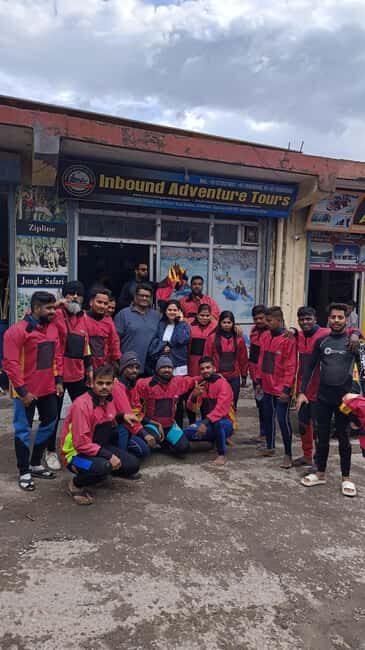
If your goal is value plus real river time, I think this option is worth serious consideration. The big win is the range of routes—so you can match your ambition to your body and still feel like you got your money’s worth. I also like the safety-first approach highlighted by the team roles, including a safety kayak expert like Kuli and captain Abli.
I’d skip or rethink it if you don’t meet the swimming requirement, you’re dealing with a listed medical condition, or you’re looking for a gentle “stand on the shore and watch the fun” experience. Rafting is action, and the longer routes demand real endurance.
If you’re ready to pick the correct stretch and show up prepared, this is one of those Rishikesh activities that delivers both excitement and local flavor without overcomplicating your day.
FAQ
FAQ
What’s the duration of the rafting options in Rishikesh?
The options range from 1 to 6 hours depending on the stretch you choose, from the shorter Phool Chatti to NIM Beach run to the longer Kaudiyala to NIM Beach advanced route.
Where do you meet for the rafting trip?
The meeting point is the operator’s office in Brahmpuri near Neelkanth bridge, on NH 58 near Hotel Aloha Road Tapovan Aamkhala, opposite the Tapovan power sub station in Rishikesh (Tehri Garhwal), Uttarakhand.
Is transportation included?
Yes. Transportation for the white-water rafting trip is included.
Are towels and food included?
No. Towel, food, and drinks are not included.
Do I need to be able to swim?
Yes. You must be able to swim to take part.
What rapids and difficulty levels are included on the different routes?
The easiest Phool Chatti to NIM Beach option includes Class I and II rapids such as Club House, Cash Flow, Jail No Bail, and Double Trouble. Marine Drive to NIM Beach includes multiple Class III rapids like Black Money, Three Blind Mice, Cross Fire, Body Surfing Rapid, Camel’s Back, and Return to Sender. The advanced Kaudiyala to NIM Beach option includes a Grade IV rapid called The Wall, plus many Class II and III rapids.