REVIEW · NEW DELHI
Private Golden Triangle Tour Delhi Agra Jaipur ( Top Rated )
Book on Viator →Operated by AR INDIA TOUR · Bookable on Viator
Golden Triangle tours can feel rushed, but this one has structure. You cover Delhi, Agra, and Jaipur in three days, with key sights paced to reduce the usual logistics headache. The big draw is the sunrise Taj Mahal visit, when the monument looks its best and the day gets off to a dramatic start.
What I like most is the door-to-door air-conditioned vehicle transfers for the whole run, so you’re not constantly re-planning rides between cities and neighborhoods. I also like that your route includes a private guide who ties sights together with context, so stops like Qutub Minar and Agra Fort don’t feel like random photo stops.
One thing to consider: monument admission tickets are not included for several of the major sights (including the Taj Mahal and Agra Fort). If you want a smooth budget, you’ll need to plan for those entrances on top of the $148 per person price.
In This Review
- Key things that make this tour work
- Why the Golden Triangle feels easier here
- Price and what you’re really paying for ($148 per person)
- Day 1: Qutub Minar, Lotus Temple, and Old Delhi spices
- Jama Masjid and the New Delhi skyline
- Day 2: Taj Mahal sunrise, Agra Fort, and the Baby Taj
- Morning energy matters more than you think
- Day 3: Jaipur stepwell views, Jal Mahal, and City Palace
- Jantar Mantar and Hawa Mahal in one sweep
- Guides and drivers: the small details you’ll notice
- What to watch for so the 3 days feel smooth
- Should you book this private Golden Triangle tour?
Key things that make this tour work
- Sunrise Taj Mahal with a private guided tour inside
- Air-conditioned door-to-door transfers across all three cities
- UNESCO stops like Qutub Minar and Jantar Mantar built into the route
- A personal guide with humor and great photo instincts (I’ve seen this show up again and again with guides like Kevin, Azeem, and Maahi)
- Delhi spice market time at Khari Baoli, plus major New Delhi landmarks in the same day
Why the Golden Triangle feels easier here
The Golden Triangle route is famous for good reason. It’s also famous for being hard to plan well if you’re doing it on your own: you’re dealing with city-to-city travel, ticket lines, and the question of who actually knows what you’re looking at.
This tour handles the hard parts for you. You’re in a private setup with your own group, and the schedule is built around efficient sightseeing blocks. That matters because Delhi traffic can punish sloppy timing, and sunrise plans become a mess if your transportation and guide aren’t already lined up.
The most value shows up in how the days are designed. Instead of one huge “catch everything” day, you get a more sensible flow:
- Delhi hits big landmarks and local texture in one go
- Agra focuses tightly on Taj Mahal sunrise and two major Mughal-era sites
- Jaipur delivers major viewpoints and UNESCO “science of the sky” at Jantar Mantar
You can also read our reviews of more private tours in New Delhi


Price and what you’re really paying for ($148 per person)
At $148 per person, this tour isn’t trying to be a luxury-only package. It’s positioned as a practical, top-rated way to do the Golden Triangle without building it from scratch.
Here’s where the cost starts to make sense:
- You’re getting private transfers with parking fees included, which usually adds up fast in big cities.
- The tour duration is about 3 days, which is long enough to do sunrise at the Taj Mahal and still spend real time in Jaipur.
- You also get a personal guide who helps turn the “what am I looking at?” question into something you can actually understand on the spot.
Now the part you should budget for: admission tickets are not included for many of the main monuments. Some stops are free (like Lotus Temple and Khari Baoli), but others like the Taj Mahal and Agra Fort aren’t. So the $148 price is best viewed as covering the guided experience and transport, with entrance fees as the extra line item.
If you choose the hotel option, you also get breakfast on the 2nd and 3rd day. That’s a real convenience on a tight schedule because it reduces one more thing you’d otherwise have to sort out.
Day 1: Qutub Minar, Lotus Temple, and Old Delhi spices
Day 1 is a smart way to start. You begin with the kind of landmarks that set the tone for Delhi’s layers—then you transition into Old Delhi’s sensory scene.
Qutub Minar (UNESCO) is the first stop, and it’s not a small thing. It’s a 73-metre tall, five-storey minaret built in 1193 by Qutub-ud-din Aibak. The route even leans into the design story: its brick minaret design is thought to be based on an earlier minaret style. If you’re the type who likes why a place looks the way it does, this stop is worth your attention.
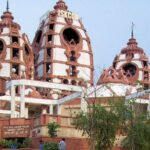
Next up is Lotus Temple, built in 1986. It’s known for its flower-like shape and for being open to everyone regardless of religion, plus it’s won architectural awards. It’s a good palate cleanser after the older, more fortress-like vibe of Qutub Minar.
Then comes the Old Delhi feel: Khari Baoli, one of Asia’s oldest and largest spice markets. Even with a short visit, this stop gives you something you can’t replicate in a museum—color, smell, and the working rhythm of a spice bazaar.
A nice extra detail: in the way this tour is run, you may also get a stop that focuses on spices and cooking ingredients. In prior experiences with the guides, that local shopping moment has been a standout, especially for people who want to take a little taste of India home.
Jama Masjid and the New Delhi skyline
After the Old Delhi spices, the route shifts to New Delhi’s monumental landmarks.
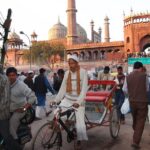
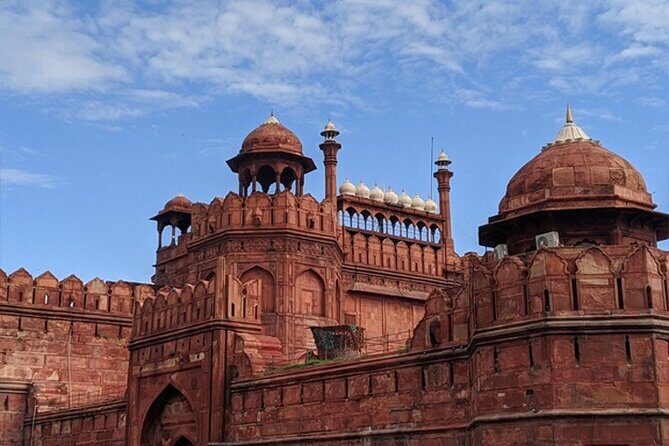
Jama Masjid is commissioned by Emperor Shah Jahan in 1656, and it’s built for scale: grand courtyard, major architecture, and a long-standing role as a landmark. The schedule keeps this stop relatively short, so you’ll want to use that time intentionally—look outward first, then focus on details.
Then you move to the iconic government and memorial zone:
- India Gate, a 42-metre war memorial designed by Sir Edwin Lutyens
- Parliament House, with its circular design and central dome
- Rashtrapati Bhavan, the President’s official residence, with a mix of Indian and Western influences
This isn’t about “marathoning” everything. It’s about seeing Delhi’s identity in a compact, guided format before you leave for Agra.
Day 2: Taj Mahal sunrise, Agra Fort, and the Baby Taj
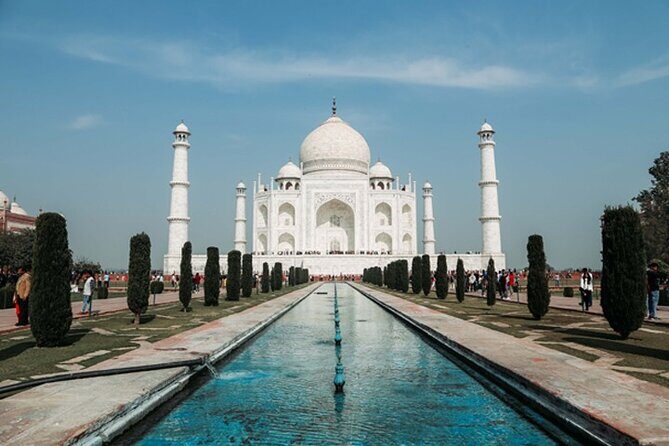
This is the day most people save the tour for, and it’s built around a single goal: Taj Mahal at sunrise.
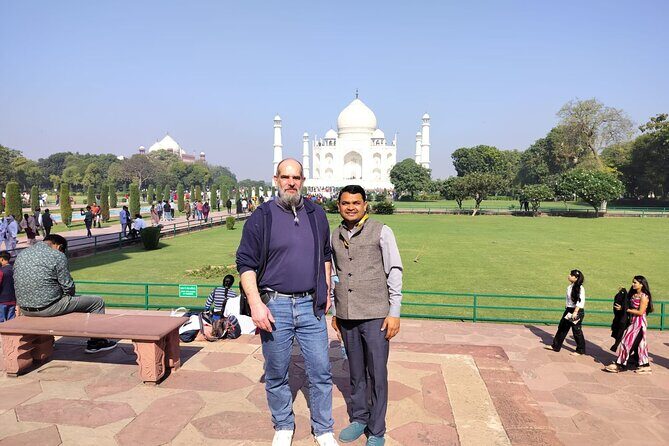
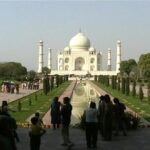
The schedule goes beyond the exterior photo moment. You get a private guided visit inside the monument after sunrise. That turns the experience into something you can read—architecture, craftsmanship, and what you’re actually seeing beyond the postcard view. And yes, sunrise matters here. It changes the look of the marble and keeps the day from being one long grind.
After Taj, the tour stays in Agra’s Mughal lane.
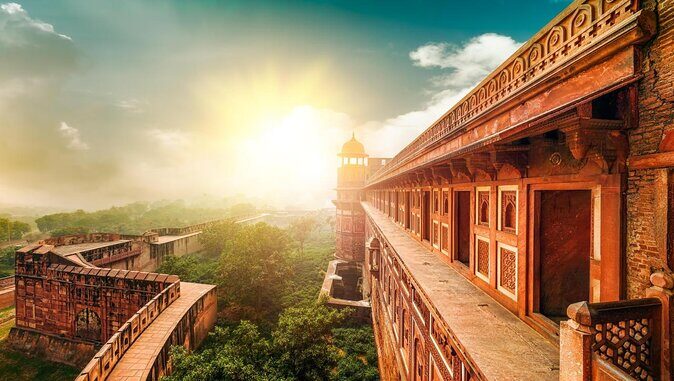
Agra Fort is next. It’s a major historical complex with palaces, balconies, and gardens, and your guide focuses on how the site connects to the power and life of the empire. This stop is not just scenery; it’s how you understand Agra as more than one monument.
Then you get Itmad-ud-Daula (Baby Taj). It’s described as a “jewel box” style mausoleum and a precursor to the Taj Mahal. The name “Baby Taj” is common, but the more useful takeaway is that it’s often a more intimate way to appreciate Mughal design before you circle back to the scale of the main Taj.





Morning energy matters more than you think
If you’re picturing a relaxed early start, you’ll want to adjust your expectations. Sunrise days usually mean you’re moving before most people are awake. In one shared early-start experience, a pickup at 2 AM was mentioned for a related early-run day. Point being: you don’t have to love mornings, but you do need to plan for them.
Day 3: Jaipur stepwell views, Jal Mahal, and City Palace
Jaipur arrives with a different pace. Instead of one big “single monument” day, you get a sequence of places that show the city’s planning, water ideas, and royal storytelling.
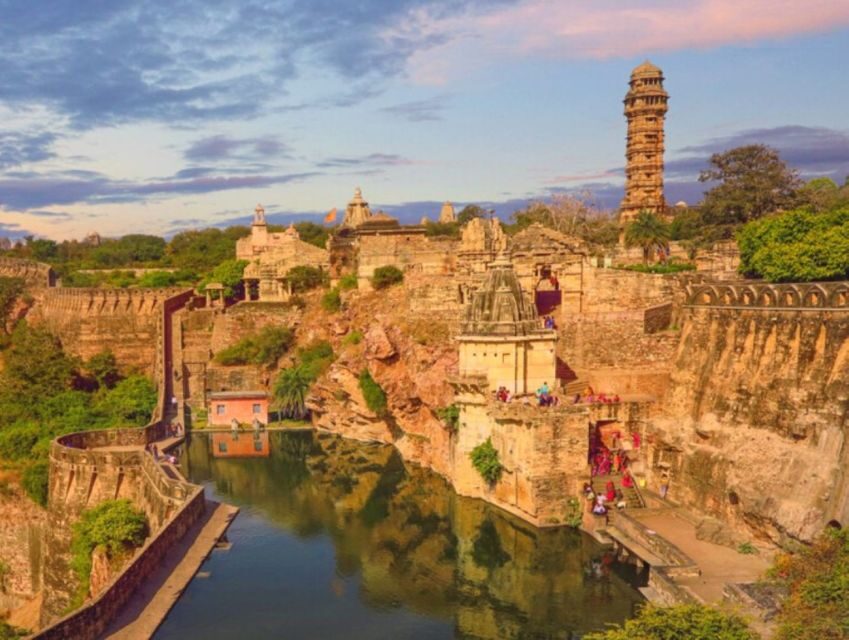
You start with Panna Meena ka Kund, a step well. It’s a shorter stop, but it’s a good example of how Jaipur built water solutions into the landscape. Then you head to a view that looks like it shouldn’t work on paper: Jal Mahal, a palace that appears to sit on the waters of Man Sagar Lake. It’s set up as a scenic descent toward the viewpoint, and it’s an easy place to slow down and take photos without feeling like you’re repeating the same shots from the Taj.
From there, the big royal site comes next: City Palace. You get about an hour-long visit through the Maharaja’s former administrative and ceremonial seat. This is where you can connect Jaipur’s political power to the architecture you’re seeing outside.
Jantar Mantar and Hawa Mahal in one sweep
Then the tour hits two “look up” favorites, including one UNESCO site.
Jantar Mantar (UNESCO) is a collection of astronomical instruments built in 1734. The idea here is that the city didn’t just build monuments for decoration. It also built tools for measuring the sky.
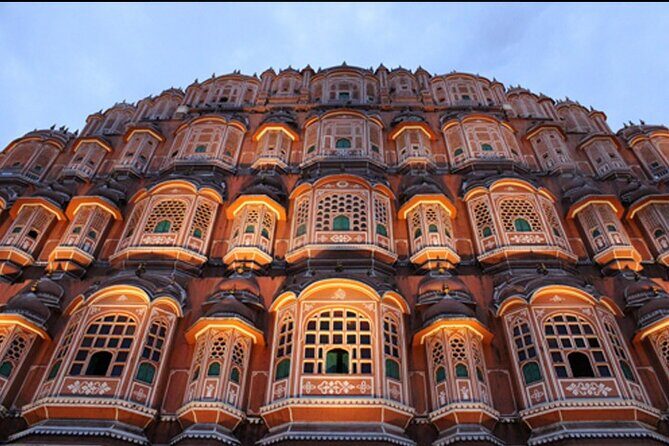
Finally: Hawa Mahal, the Palace of Breeze. It’s famous for the many-window facade, and the route places it near Tripolia Bazaar and the City Palace area so you can connect it with the broader Old Jaipur streetscape.
If you like taking architecture photos that don’t look like straight-on textbook angles, Jaipur is a good place for it. The city’s shapes and surfaces give you a lot of angles quickly.
Guides and drivers: the small details you’ll notice
This is a private tour, so the biggest “human variable” is your guide and driver.
In the way guides are described, the standout pattern is approachability. People often mention guides who blend history with humor, which keeps the story from turning into a lecture. Kevin and Azeem are highlighted in particular for making the Taj Mahal and Agra Fort feel both understandable and fun, and Maahi is mentioned for being warm and highly informative during the Taj Mahal visit.
Photography also shows up as a real benefit. Multiple guides are described as good at capturing moments, which matters if you’re traveling with a partner, your family, or just want photos that don’t depend on strangers.
Then there’s the driver piece. A good driver doesn’t just get you there. They help keep the schedule realistic, especially in Delhi where timing can go sideways if transport isn’t organized.
In your case, the tour includes door-to-door transfers and a private setup, so you’re less likely to lose time walking between places or re-arranging rides.
What to watch for so the 3 days feel smooth
The itinerary is packed, but it’s also built with breaks in mind, like a shorter 15-minute viewing at Rashtrapati Bhavan or a focused set of Jaipur stops. Still, there are a few practical realities you should plan around.
Entrance tickets aren’t included for several major monuments. Qutub Minar, Jama Masjid, Taj Mahal, Agra Fort, Itmad-ud-Daula, City Palace, Jantar Mantar, and Hawa Mahal list admission as not included. Some other stops are free. Your budget will be tighter if you assume everything is included.
Sunrise means an early start. You’re specifically promised sunrise at the Taj Mahal, and that naturally affects wake-up time and energy. If you’re the type who plans nothing the night before, fix that habit for this trip.
Breakfast depends on the hotel option. If you select hotel accommodation, you get breakfast on the 2nd and 3rd day. If you don’t select that option, the breakfast inclusion may not apply the same way—so check what you’re choosing.
The schedule is private, not slow. This is a good thing if you want efficiency. It’s also why you should avoid over-planning extra stops on your own. If you want free time, you’ll likely need to build it into what you do after the tour ends each day.
Should you book this private Golden Triangle tour?
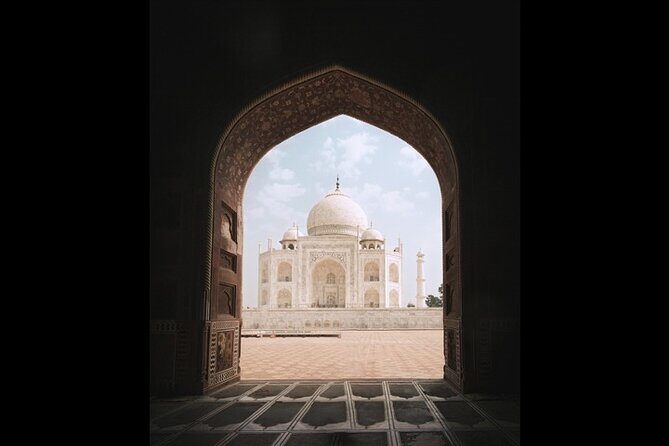
I’d book it if you want the Golden Triangle route with less planning stress and more guidance. The sunrise Taj Mahal focus, the private guide format, and the air-conditioned door-to-door transfers make it a strong match for first-timers and anyone who hates coordinating transport between Delhi, Agra, and Jaipur.
I’d think twice if you’re on a super tight budget and you don’t want to add entrance fees for major monuments. The tour price is clear, but several of the most famous sites still require ticket costs on top. It’s also less ideal if you’re trying to travel at a slow, relaxed pace, because the days are designed to hit the big highlights efficiently.
Bottom line: if your priority is seeing the big three—Delhi, Agra, and Jaipur—with a guide who can explain what you’re looking at (and help you take home better photos), this is a solid, top-rated way to do it.