REVIEW · NEW DELHI
Private 6-Night Golden Triangle and Nepal Tour from Delhi
Book on Viator →Operated by Pacific Classic Tours India · Bookable on Viator
Seeing two countries on one clock.
This private tour is interesting because you don’t just “hit” monuments—you move from Mughal-era Delhi to sunrise Taj Mahal to Jaipur’s forts, then fly to Kathmandu for Buddhist and Hindu landmarks in the Kathmandu Valley. I like that the tour is private (so you avoid that big-group shuffle) and that it keeps you in premium hotels with breakfast each morning.
The biggest plus for me is how much ground it covers without feeling chaotic: private, air-conditioned transport does the heavy lifting between stops, and you get a human guide to make sense of the architecture and symbolism. The only real drawback is the pace—this is a fast plan with early starts (Taj and Nagarkot are sunrise moments) and long drives, so you’ll want decent stamina and flexible expectations.
In This Review
- Key things that make this tour worth a look
- Delhi to Agra to Jaipur, Then Kathmandu: The Real Value of a 7-Day Private Mix
- Morning Delhi: Humayun’s Tomb, Qutub Minar, Lotus Temple, and India Gate
- Humayun’s Tomb
- Qutub Minar
- Lotus Temple (closed on Mondays)
- India Gate and the Rashtrapati Bhavan area
- Drive to Agra
- Taj Mahal Sunrise + Agra Fort: The Two-Part Agra Day That Makes People Believe
- Taj Mahal at sunrise (weather-dependent)
- Agra Fort
- Battery bus/golf cart return ride
- On to Jaipur
- Jaipur in Full Color: Amber Palace, City Palace, and Jantar Mantar
- Amber Palace
- Jal Mahal photo stop
- Hawa Mahal (quick photo stop)
- City Palace of Jaipur
- Jantar Mantar observatory
- Evening flexibility
- Return drive back to Delhi
- Delhi to Kathmandu: Fly, Then Unwind in Thamel
- Kathmandu Valley’s Sacred Circuit: Boudhanath, Pashupatinath, Swayambhunath, and Durbar Square
- Boudhanath Stupa
- Pashupatinath Temple
- Swayambhunath
- Kathmandu Durbar Square
- Patan and Bhaktapur Durbar Squares, Then Nagarkot for Mountain Views
- Patan Durbar Square
- Bhaktapur Durbar Square
- Drive to Nagarkot
- Nagarkot View Tower Sunrise: When Visibility Is Everything
- Price and logistics: Is $1,220 a fair deal?
- Who this tour suits best (and who should think twice)
- Quick tips to keep this trip smooth in India and Nepal
- Should you book the Private 6-Night Golden Triangle and Nepal Tour from Delhi?
- FAQ
- FAQ
- Are the Delhi to Kathmandu flights included?
- What parts of the trip include hotel stays?
- Does the tour include meals?
- Is Taj Mahal sunrise part of the experience?
- Can I visit the Lotus Temple?
- What about entrances and guides?
- What are the key visibility concerns?
- What visa rules should I plan for?
- Is the tour private?
Key things that make this tour worth a look
- Private, on-the-ground transport in a comfortable air-conditioned vehicle between Delhi, Agra, Jaipur, and back toward Kathmandu
- Sunrise highlights: Taj Mahal sunrise and a Nagarkot View Tower sunrise (weather can affect visibility)
- Guides plus included entrances so you’re not hunting tickets while you’re trying to enjoy the sights
- UNESCO stops across both countries: Humayun’s Tomb, Qutub Minar, Taj Mahal, and Kathmandu Valley Durbar Squares plus major stupa/temples
- Practical extras like unlimited bottled water and a battery bus/golf cart return from Taj Mahal parking
- A trusted service feel from guides and drivers who were praised by name in past experiences, including Mahesh, Ashok, Bishnu, Bittu, Manoj, and KK Sharma
Delhi to Agra to Jaipur, Then Kathmandu: The Real Value of a 7-Day Private Mix
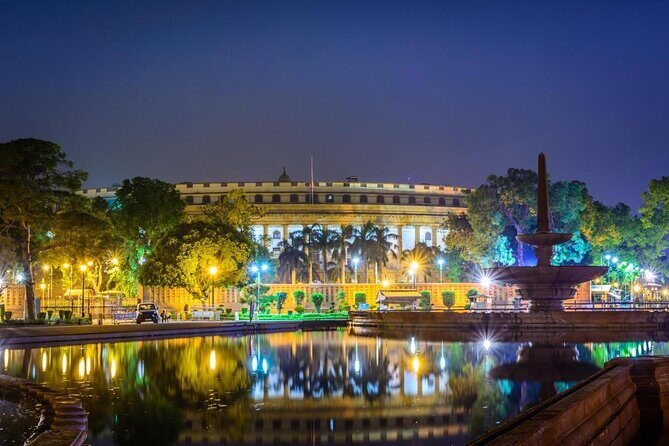
If you’re short on time but still want the “great hits,” this trip works because it stitches together two travel moods: North Indian sightseeing and Nepalese temple wandering. One day you’re standing in front of Mughal stonework and an immense victory tower; the next you’re in Kathmandu Valley, looking at sacred sites that feel older than most ideas of time.
Here’s what I’d call the value math. Your core costs are covered—6 hotel nights with breakfast, most sight entrance fees, private guides, and private vehicle transport for the ground portion. You also get that small-but-smart comfort layer: unlimited bottled water, and the battery bus/golf cart return ride from Taj Mahal parking. Those details matter when you’re doing lots of walking and you don’t want to turn “a nice day” into “a water-bottle negotiation.”
Then there’s the one big “yes-but” in the pricing: the Delhi–Kathmandu flights are extra. You’re still getting a smooth, managed land route on both sides, but you’ll want to handle that one connection yourself (or with your own booking). If you time flights well, it’s a dream. If you don’t, it can feel stressful because the itinerary is tight.
You can also read our reviews of more private tours in New Delhi

Morning Delhi: Humayun’s Tomb, Qutub Minar, Lotus Temple, and India Gate
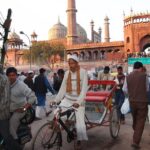
Day 1 is all about getting your bearings fast. You start with pickup from your Delhi-area location around 9:00 am, then you roll into classic Delhi with a mix of Mughal grandeur and later imperial style.
Humayun’s Tomb
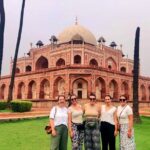
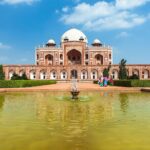
This is where you begin to understand the Mughal idea of monument-as-memory. Humayun’s Tomb is UNESCO-listed, and it sets the tone for what you’ll see later in Agra. Expect gardens, symmetrical layouts, and that sense of scale that photographs never fully capture.
Tip: Wear something comfortable for walking. You’ll do plenty of “stop, look up, rotate 30 degrees, look again” across this trip.
Qutub Minar
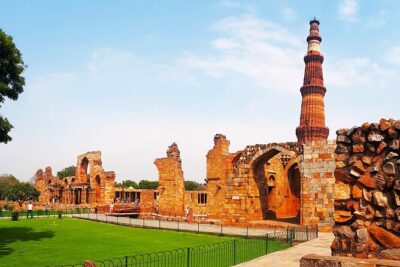
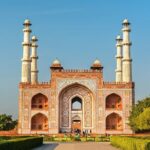
Then comes Qutub Minar, another UNESCO highlight. It’s a soaring minaret/victory tower that makes it obvious why this part of Delhi is so important. You’ll see how old power wanted to make itself visible from far away.
Lotus Temple (closed on Mondays)
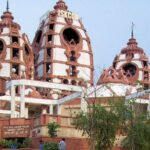
The Lotus Temple is shaped like a lotus flower and is free to enter, but there’s one practical catch: it’s closed on Monday. If your dates put you on a Monday, I’d confirm the plan with your operator so you’re not left wondering what happens to that time block.
You can also read our reviews of more evening experiences in New Delhi

India Gate and the Rashtrapati Bhavan area
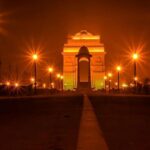
You also get a look at India Gate and the grand government architecture around it. The India Gate stop is short, but it helps anchor the city’s modern identity after the Mughal sites.
Drive to Agra
By the end of the day, you’re heading to Agra via an express highway ride of about three hours, with check-in after arrival. This pacing is helpful: you won’t just see Delhi; you’ll transition before you get too tired of traffic.
Taj Mahal Sunrise + Agra Fort: The Two-Part Agra Day That Makes People Believe
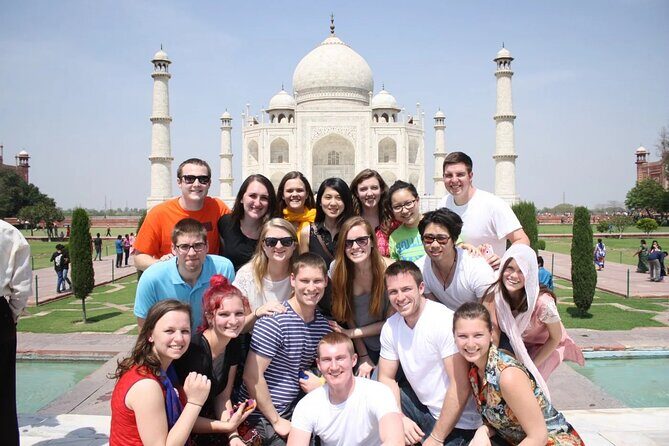
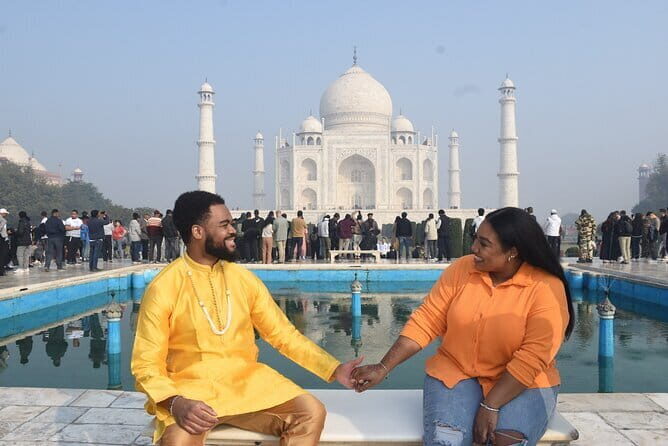
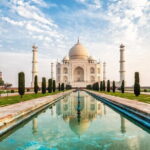
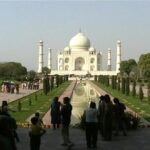
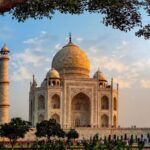
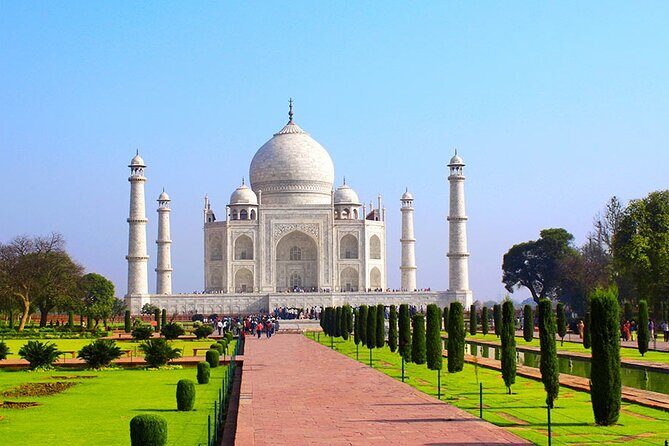
Agra’s Day 2 is built around the moment most people dream about: Taj Mahal sunrise. This visit is included and is widely considered the emotional peak of the Golden Triangle circuit.
Taj Mahal at sunrise (weather-dependent)
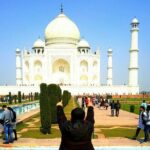
You’re going early, and that’s the point. Morning light changes the mood of the marble and the way shadows sit on the façade. The tour also flags a real-world constraint: sunrise visits are subject to clear weather conditions. If skies are cloudy, don’t panic—your guide can still help you get the best angles, but understand the visibility depends on the day.
Agra Fort
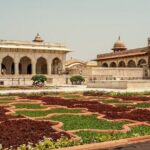
After breakfast, you move to Agra Fort. This is where you get a different lens on the same region—more fortifications, courtyards, and power structures. It pairs well with Taj Mahal because it shows how the world of rulers looked from the inside, not just as a pretty landmark from the outside.
Battery bus/golf cart return ride
One small detail I genuinely appreciate in a busy sightseeing schedule: the tour includes a battery bus/golf cart return ride from Taj Mahal parking. When you’re short on energy, that’s the kind of “hidden logistics win” that keeps the day enjoyable instead of exhausting.
On to Jaipur
Then you drive to Jaipur (about five hours) and check into your hotel. This is a long ride, but it’s also how you avoid wasting daylight.
Jaipur in Full Color: Amber Palace, City Palace, and Jantar Mantar
Jaipur Day 3 is a classic “palace and fort” day, with stops that each give you a different angle on Rajput architecture.
Amber Palace
You start with Amber Palace, the honey-hued fort rising from the rocky hillside. It’s a must-stop, and it’s the kind of place where details matter: patterns, arches, and how the complex is arranged to impress.
The tour data also notes a possible extra: a jeep ride at Amber Palace is applicable for 5+ travelers at about $3 per person (not included). If your party size fits, ask ahead so you’re not surprised by the option.
Jal Mahal photo stop
You then do a photo stop at Jal Mahal, the Water Palace. This isn’t a long visit—think quick photos and a moment of “okay, that’s cool” against the water setting.
Hawa Mahal (quick photo stop)
Next is Hawa Mahal, the Palace of Winds. It’s dramatic from the outside, but the stop is brief, so keep your camera ready and don’t plan to linger.
City Palace of Jaipur
You spend more time at City Palace, home to the royal family complex, with courtyards and buildings across eras. This is where the trip slows down enough to feel like more than a checklist.
Jantar Mantar observatory
Finally, Jantar Mantar. It’s UNESCO-listed and built as an astronomical observatory. The geometric structures look like sculptures, but they connect to how people measured the sky long before modern tech. It’s a great mental reset after forts and palaces.
Evening flexibility
You also get free time for shopping. If you want souvenirs, this is the moment—don’t wait for the next day.
Return drive back to Delhi
Later, you travel back to Delhi and check into your hotel. That return drive is part of the “whirlwind” nature of the trip. It’s efficient, but you’ll want a good night’s sleep so the next flight day doesn’t feel rough.
Delhi to Kathmandu: Fly, Then Unwind in Thamel
Day 4 is where the itinerary switches countries. After breakfast, you transfer to Delhi airport for your flight to Kathmandu (the flight is not included in the tour price). When you land in Kathmandu, you’re met by a representative and transferred to your hotel.
Then comes a very smart, human-sized buffer: Thamel. You get time to rest or explore on your own, and Thamel is where you’ll find international restaurants, souvenir shops, hiking stores, and street food. It’s not a “tourist trap” by default—it’s just the easiest place to reset after a flight.
My practical advice: Use this window for logistics. Confirm your schedule, check weather if you’re chasing mountain views later, and eat something you know you’ll enjoy.
Kathmandu Valley’s Sacred Circuit: Boudhanath, Pashupatinath, Swayambhunath, and Durbar Square
Kathmandu Day 5 is a temple-and-stupa day that shows how Nepal’s spiritual landscape overlaps Hindu and Buddhist traditions.
Boudhanath Stupa
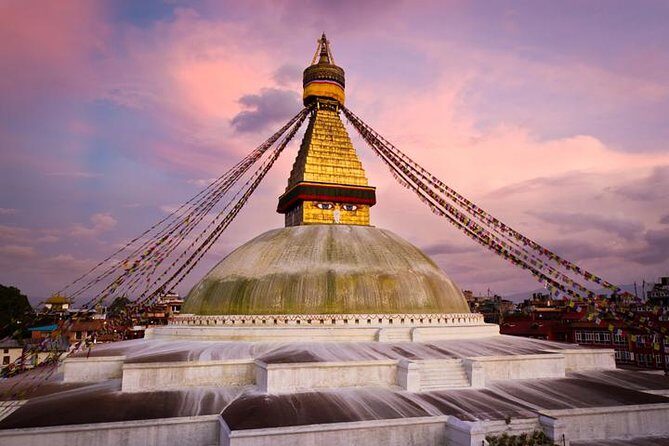
You begin at Boudhanath Stupa, UNESCO-listed and described as the largest stupa outside Tibet. It’s a strong visual anchor for Buddhist practice and a place where you’ll notice how people move around sacred spaces with calm routines.
Pashupatinath Temple
Then Pashupatinath Temple, a UNESCO site dedicated to Lord Shiva. The tour highlights the iconic golden roof and silver door details. This stop gives you a different feel from Boudhanath—more Hindu ceremonial gravity.
Swayambhunath
Next is Swayambhunath Temple, on a hill. From here you get views out across the Kathmandu Valley, which helps you understand the geography behind the sacred sites.
Kathmandu Durbar Square
You finish at Kathmandu Durbar Square, another UNESCO complex of palaces, courtyards, and temples such as Hanuman Dhoka Palace and the Kumari Ghar (Abode of the Living Goddess). This place is a good reminder that these sites aren’t just “old buildings”—they’re part of lived cultural identity.
Patan and Bhaktapur Durbar Squares, Then Nagarkot for Mountain Views
Day 6 moves deeper into the Kathmandu Valley and then changes the mood again with mountain scenery.
Patan Durbar Square
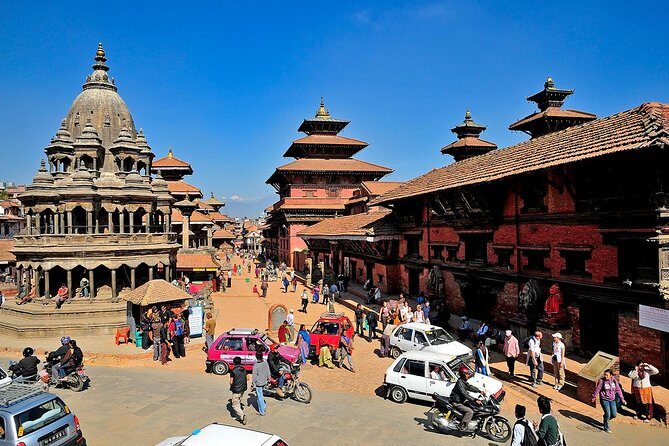
Patan Durbar Square is known for Buddhist monuments and Hindu temples with fine bronze gateways and carved details. It’s a more intricate, craftsmanship-forward kind of sightseeing.
Bhaktapur Durbar Square
Then you go to Bhaktapur Durbar Square, at 1,401m above sea level. It’s the plaza in front of the old royal palace. This is a great stop if you like architecture that feels tightly packed and highly detailed.
Drive to Nagarkot
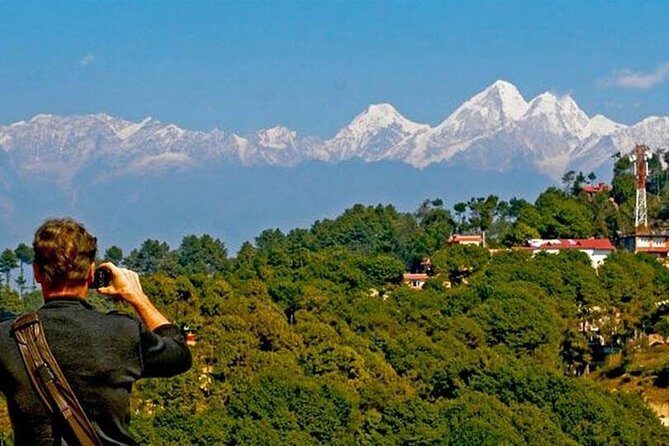
Later, the tour drives about one hour to Nagarkot, a viewpoint known for Himalayan panoramas, including Mount Everest to the northeast (when conditions allow). Expect sunsets and the kind of calm you can’t get inside city streets.
Weather note: Mountain views depend on visibility. It’s normal for clouds to steal the show sometimes—so come with curiosity, not entitlement.
Nagarkot View Tower Sunrise: When Visibility Is Everything
Day 7 starts with Nagarkot View Tower sunrise. The tour’s description is very specific: you can see eight ranges in view—Annapurna, Manaslu, Ganesh Himal, Langtang, Jugal, Rolwaling, Everest, and Numbur.
That said, you already know the score: timing matters. The mountains are there, but the air clarity and cloud cover decide how much you actually recognize. If you’re the type who hates leaving viewpoints early, this is still worth it—because you’re not just chasing a photo; you’re getting a real sense of scale.
Then your tour ends back in Kathmandu (based on the trip structure), so you’ll have time to adjust before your next move.
Price and logistics: Is $1,220 a fair deal?
At $1,220 per person for roughly 7 days and 6 hotel nights, this tour can be good value if you want guided sightseeing without the stress of arranging everything. Here’s what you’re effectively paying for:
- Hotels + breakfasts for six mornings (twin sharing)
- Professional private guides and entrance fees for the sights listed in the plan
- Private air-conditioned vehicle transport on the ground
- Unlimited bottled water
- Battery bus/golf cart return from Taj Mahal parking
- One included dinner at the hotel in Nagarkot
The biggest extra cost to budget for is obvious: the Delhi–Kathmandu flights are not included. Also note the optional add-on: the Amber Palace jeep ride only applies in certain group-size situations and costs extra.
If you’re traveling solo and hate group tours, the private format can feel worth it fast. If you’re trying to keep costs ultra-low, you might find cheaper ways to do the Golden Triangle—but then you’d be trading away convenience and included guides.
Who this tour suits best (and who should think twice)
This tour is a strong match if:
- you want a guided, high-structure route across Delhi, Agra, Jaipur, and Kathmandu
- you like the idea of sunrise visits without doing the planning yourself
- you’re okay with a fast pace and long drives between cities
It may be less ideal if:
- you hate early mornings. Taj sunrise and Nagarkot sunrise are the heart of this plan
- you get stressed by tight scheduling and weather-dependent views
- you’re looking for a slow, in-depth cultural soak
Quick tips to keep this trip smooth in India and Nepal
These are the practical things that make a difference:
- Dress code matters for places of worship and selected museums. No shorts or sleeveless tops; knees and shoulders should be covered for both men and women. You can get refused entry if you don’t comply.
- Plan around Monday. Lotus Temple is closed on Monday, so if that’s your travel day, confirm the alternate plan.
- Handle visas early. You must confirm India visa requirements before border crossing. Nepal visa is available on arrival at Kathmandu airport with two passport-size photos and a visa fee. If you’re flying back to Delhi to connect to your home flight, the tour notes you may need a double entry India visa.
- Bring your passport. A current valid passport is required on travel day.
- For Taj sunrise, keep expectations flexible because it depends on clear weather.
- If you prefer meals that match your dietary needs, a vegetarian option is available—tell the operator at booking.
Should you book the Private 6-Night Golden Triangle and Nepal Tour from Delhi?
I’d book it if you want a guided, private route that connects India’s big icons to Nepal’s sacred sites without you juggling daily logistics. The service feel is the standout: private guides and drivers were praised by name in past experiences, including Mahesh, Ashok, Bishnu, Bittu, Manoj, and KK Sharma. The included breakfast routine and the small comfort extras (water, parking return ride) help the days stay pleasant instead of grindy.
I wouldn’t book it if you want a slow travel pace, or if sunrise viewing is your only goal and you’ll be unhappy when weather shifts. This is a tour about momentum plus major moments, and it rewards travelers who keep a calm attitude when the schedule is tight.
FAQ
FAQ
Are the Delhi to Kathmandu flights included?
No. The tour includes on-the-ground transport, but the Delhi–Kathmandu commercial flight is not included.
What parts of the trip include hotel stays?
The tour includes 6 nights of hotel accommodation with breakfast included (twin sharing).
Does the tour include meals?
Breakfast is included daily for 6 mornings. The tour also includes one dinner at the hotel in Nagarkot. Other meals are not included unless stated.
Is Taj Mahal sunrise part of the experience?
Yes. A sunrise visit to Taj Mahal is included, but it depends on clear weather conditions.
Can I visit the Lotus Temple?
The Lotus Temple stop is part of the plan, but it is closed on Monday, so your date matters.
What about entrances and guides?
Entrance fees for the sights mentioned are included, and you’ll have professional local private tour guides.
What are the key visibility concerns?
Both Taj Mahal sunrise and Nagarkot sunrise views are subject to weather and clear skies, so visibility can vary.
What visa rules should I plan for?
You must confirm India visa requirements before crossing the border. Nepal visa is available on arrival at Kathmandu airport with two passport-size photos and a visa fee. If you’re flying back to Delhi to connect your homebound flight, the tour notes you may need a double entry India visa.
Is the tour private?
Yes. It’s described as private, with only your group participating.