REVIEW · NEW DELHI
Old Delhi Heritage Food Walk
Book on Viator →Operated by DPD India Tours · Bookable on Viator
Spices start before you taste them. This Old Delhi Heritage Food Walk strings together iconic stops, from a classic city ride to temple visits and serious spice shopping, with lots of food sampling along the way. I like that it’s built for real street-level Delhi, not just photos, and I also like the small, private-group feel that lets you set a comfortable pace with guides like Dave and Dev.
One thing to consider: you’ll be walking through busy lanes and spending time around active religious sites, so it’s smart to plan your energy, wear comfortable shoes, and keep an eye on the weather.
In This Review
- Key Things You’ll Notice on This Food Walk
- First Stop: Jama Masjid to Old Delhi Streets
- Rickshaw Ride and Masala Chai: The Day’s Mood Setter
- Sikh Temple Visit: A Pause That Changes the Whole Tone
- Sri Digambar Jain Lal Mandir: The Bird Hospital Detail
- Gauri Shankar Temple: A 600-Year-Old Sense of Place
- Khari Baoli Spice Market: Where You Learn to Name the Smell
- Gali Paranthe Wali: Paratha as a Real Focus
- Jama Masjid Photo Time: One Last Landmark Moment
- What’s Included (And Why It’s Actually Useful)
- Pace, Group Size, and the Real “Guide Skill” Factor
- Who Should Book This Walk
- Practical Tips to Get the Most From Your 4.5 Hours
- Should You Book the Old Delhi Heritage Food Walk?
- FAQ
- How long is the Old Delhi Heritage Food Walk?
- How much does it cost?
- Where does the tour start and end?
- Is pickup available?
- What food and drinks are included?
- Are admission tickets included?
- Is the tour private?
- Are tips included in the price?
- Can I cancel for a full refund?
- What are the operating hours?
Key Things You’ll Notice on This Food Walk
- Jama Masjid as the launching pad for Old Delhi sightseeing and easy orientation
- Rickshaw ride time that gets you into the old lanes quickly and keeps the day from feeling like a checklist
- Sri Digambar Jain Lal Mandir and its bird hospital angle for a memorable, unusual detour
- Khari Baoli spice market stops where you can connect flavors to the places they come from
- Gali Paranthe Wali for paratha focus so you’re tasting a specific local specialty, not random snacks
- Private tour format so your group stays together from start to finish
First Stop: Jama Masjid to Old Delhi Streets
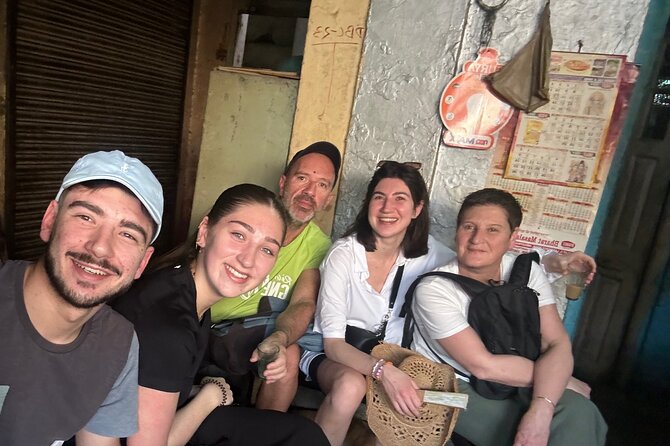
Your tour starts at Jama Masjid in Old Delhi, and that matters more than you’d think. Jama Masjid is the visual and logistical anchor of this area, so you’re not scrambling to figure out where to go next. From there, you’ll head into the older neighborhoods where the pace is slower for the senses and faster for the crowds.
This is also where the food-tour rhythm kicks in. The day is designed so you’re not only seeing landmarks—you’re also smelling spices, spotting local cooking, and learning how the neighborhood’s food culture works in practice. You get one bottled water as part of the experience, which is a simple but helpful baseline when you’re sampling.
You can also read our reviews of more tours and experiences in New Delhi.



Rickshaw Ride and Masala Chai: The Day’s Mood Setter
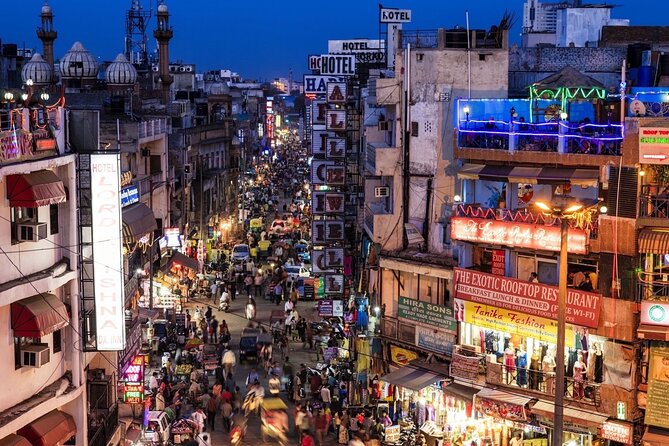
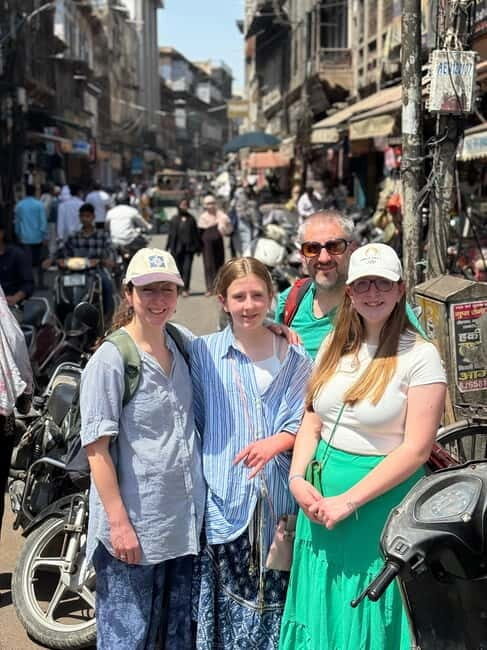
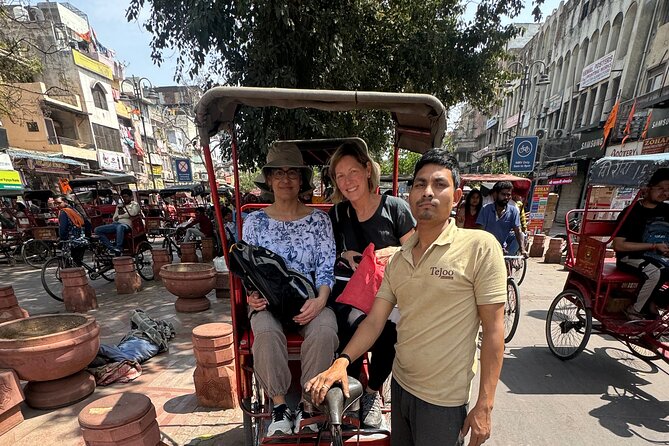
Soon you’ll jump into the Old Delhi rickshaw ride, which is a fun way to absorb the geography. It’s the kind of short ride that helps you understand how the streets loop and squeeze together, especially around the food lanes.
Food starts early, too. You’ll taste Indian authentic masala chai, and that’s a smart first flavor because it’s familiar but varies from place to place. Tea gives you a quick, shared starting point before you move into stronger spices and street-food textures.
A bonus here is that the guide’s role isn’t only pointing. In the way the tour is run, you’ll usually get photo pointers and calm explanations so you’re not just rushing between stops. Guides tied to this walk—often named Dave or Dev—are praised for being punctual and professional, and that translates into a smoother start.
Sikh Temple Visit: A Pause That Changes the Whole Tone
After the ride and chai, you’ll visit a Sikh temple (gurdwara) in the old city area. Even if you’re not religious yourself, this pause helps you slow down and understand what these neighborhoods mean to local people—not only to tourists.
It’s also part of what makes this walk feel like a heritage loop rather than a pure food crawl. You’re seeing how faith spaces sit right inside the food-and-market geography, which is the real trick to understanding Old Delhi.
If you’re planning your day around photos, this stop is often the one where you’ll find better moments to breathe and reset before the markets. Just keep in mind: religious sites can be active, so be respectful with your timing and behavior.
Sri Digambar Jain Lal Mandir: The Bird Hospital Detail
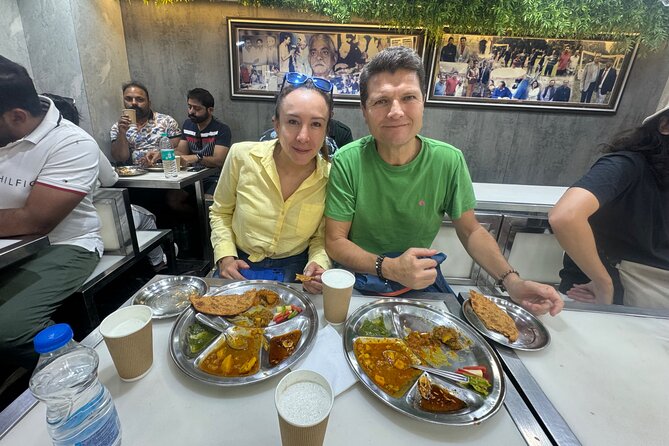
Next you’ll go to Sri Digambar Jain Lal Mandir, a beautiful temple with a standout feature: it’s described as having one of the bird hospital setups associated with the site. That single detail makes the stop more than sightseeing. It ties faith, care, and daily life into a story you can actually remember.
You’ll spend about 30 minutes here, and that’s a good amount of time to look around without feeling rushed. This stop also balances the day: after street flavors and narrow lanes, you get a calmer environment with older architectural presence.
If you like moments that feel slightly different from the typical landmark route, this is one of the strongest choices in the schedule.
Gauri Shankar Temple: A 600-Year-Old Sense of Place
Then you’ll visit Gauri Shankar Temple, a Hindu temple described as over 600 years old and located in the heart of Old Delhi. “In the heart” is key, because you’re not driving across the city to find history—you’re finding it inside the same tight streets you’re eating through.
This stop is also short—about 30 minutes—but it’s enough time to notice how the area wraps around the temple. The result is that the walk starts to feel like a timeline: modern-day Delhi is layered on top of much older traditions.


Khari Baoli Spice Market: Where You Learn to Name the Smell
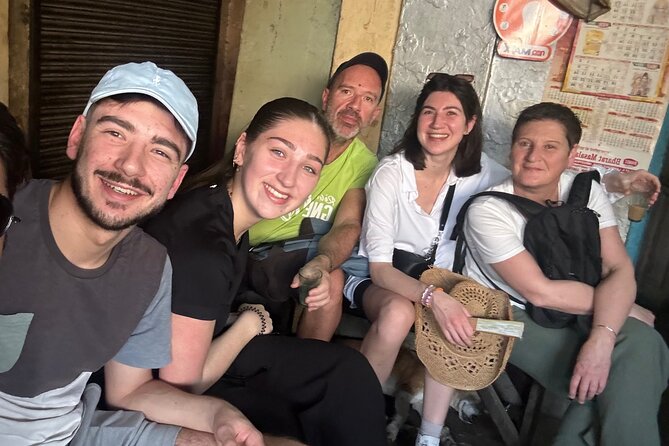
Now you hit Khari Baoli, described as the largest spice market of Asia. This is where the tour turns from tasting to understanding. When you see the spices sold in the open and piled in strong colors, you start connecting flavor to ingredient, not just guessing what went into a dish.
You’ll have about one hour here, and that’s valuable. Spice markets don’t work like museum rooms where you look for a while and move on. You often want a minute to sniff, a minute to notice how things are packed, and a minute to compare what you think you like to what you’re actually smelling.
One practical point: markets like this can be sensory overload. The guide’s job, in a good tour setup, is to help you focus so you don’t spend the hour confused and irritated. I like that this walk gives you time rather than rushing you past the real reason people come to Khari Baoli.
Gali Paranthe Wali: Paratha as a Real Focus
Next up is Gali Paranthe Wali, a street famous for its paratha tradition and local food history. You’ll spend about 30 minutes here, which is enough time to understand why paratha is such a big deal in this area.
This stop is also a nice change from spices. Instead of shopping or sniffing, you’re watching how the food is built—flaky dough, filling, heat, and timing. It’s the kind of experience that makes the earlier stops click, because spices become part of a finished flavor.
If you’re hungry (and you will be), this is one of the places you’ll feel the tour paying off. Food walks work best when your guide times the tastings so you’re not sampling everything at once and losing track.
Jama Masjid Photo Time: One Last Landmark Moment
You’ll finish with Jama Masjid again as part of the route flow, spending about 20 minutes there for viewing and photos. The listing notes admission not included for this mosque stop, but the time is still there for the visuals.
Jama Masjid is described as the largest mosque of India, and that scale shows even if you only have a short window. The best use of this time is practical: get a few good angles, then stop and enjoy how the square and surrounding streets feel in the context of everything you’ve just walked through.
What’s Included (And Why It’s Actually Useful)
This walk is priced at $35 per person for about 4 hours 30 minutes, which is fairly strong value when you consider what’s folded in. You’re not paying only for walking and photos; you’re paying for a guided route, food sampling, and admission tickets included at multiple stops.
Included items:
- One bottled water
- Food tastings across the route (different foods plus masala chai)
- Admission tickets included for stops like the rickshaw/old city temple segment, Sri Digambar Jain Lal Mandir, Gauri Shankar Temple, Khari Baoli market time, and the paratha street segment
- Mobile ticket
- Pickup offered (when arranged by the provider)
Not included:
- Tips
For value-minded travelers, the best part is the structure: you’re getting several meaningful stops without having to manage tickets on your own. And because it’s run as a private tour/activity for your group, you’re not stuck waiting for strangers to catch up.
Pace, Group Size, and the Real “Guide Skill” Factor
Even with a fixed route, the best food walks feel flexible in motion. Many of the guide comments linked with this experience emphasize that the pacing can be adjusted and conversations happen naturally while you walk.
You’ll likely notice this as you move from temples to market streets. The guide helps you translate what you’re seeing into something you can remember—like why spice markets work the way they do, or how local food traditions show up street by street.
Guides associated with this walk are also described as being punctual, dress professional, and informative, plus helpful with photo spots. That combination matters, because you want guidance that keeps you oriented, not guidance that turns everything into a lecture.
Who Should Book This Walk
This is a great fit if you want:
- A focused Old Delhi route with real food moments, not random snacks
- Temple visits mixed with markets, so the heritage doesn’t feel fake
- A private-group feel where you can move at a comfortable pace
- A day that lasts about 4.5 hours, which is long enough to matter but short enough to pair with other sightseeing
It may be less ideal if you hate walking in crowded lanes or you want a purely museum-style schedule. Also, if you have very specific dietary needs, you should plan to communicate carefully with your guide—because this type of street-food-focused tour is built around tasting.
Practical Tips to Get the Most From Your 4.5 Hours
A few things make a noticeable difference:
- Wear comfortable shoes. Old Delhi streets are not friendly to stiff footwear.
- Use the bottled water, and don’t assume there will be easy water access at every stop.
- Come with a light hunger. You want your appetite intact for the chai and paratha moments.
- If photos matter to you, watch for the guide’s cues about where to stand—this walk is set up so angles and timing matter.
And if you’re the type who gets overwhelmed by markets, remember this is timed: you’ll get about one hour in Khari Baoli, and that structure helps you stay calm instead of spinning your wheels.
Should You Book the Old Delhi Heritage Food Walk?
If you want the best value for your time in Old Delhi, I think this walk is a strong choice. For $35 and roughly 4.5 hours, you get a coherent route: rickshaw ride energy, masala chai early, temple stops with real context, and a spice-market anchor plus paratha street focus. That’s a lot to pack into one morning or afternoon, especially with a private-group setup.
Book it if you like food that has a place to stand in—spices in Khari Baoli, food streets like Gali Paranthe Wali, and temples that sit inside the same neighborhood your taste buds are exploring. Skip it only if you want a low-walking, high-seating day, or if you’d rather spend your time on monuments without food sampling.
FAQ
How long is the Old Delhi Heritage Food Walk?
It lasts about 4 hours 30 minutes (approx.).
How much does it cost?
The price is $35.00 per person.
Where does the tour start and end?
It starts at Jama Masjid, Old Delhi, Delhi 110006, India and ends back at the same meeting point.
Is pickup available?
Yes, pickup is offered.
What food and drinks are included?
The tour includes food tastings and masala chai, and you receive one bottled water.
Are admission tickets included?
Admission tickets are included for several stops, including the rickshaw ride/old city temple segment, Sri Digambar Jain Lal Mandir, Gauri Shankar Temple, Khari Baoli, and Gali Paranthe Wali. Jama Masjid admission is not included.
Is the tour private?
Yes. It’s listed as a private tour/activity, so only your group participates.
Are tips included in the price?
No. Tips are not included.
Can I cancel for a full refund?
Yes. You can cancel up to 24 hours in advance for a full refund.
What are the operating hours?
It runs daily from 8:30 AM to 5:00 PM (based on the listed dates).