REVIEW · NEW DELHI
Nizamuddin Tour
Book on Viator →Operated by Delhi by Locals · Bookable on Viator
Tight lanes, big spiritual pull. Nizamuddin is one of the oldest continually inhabited parts of New Delhi, packed into about one square kilometer and named for Hazrat Nizamuddin Auliya. This 2-hour outing is built around the neighborhood’s living feel, from winding alleys to the famous tomb that still draws pilgrims.
I especially like the way the tour mixes sacred sites with everyday local life. You’ll connect the Sufi center with Urdu-poet shrines and even the itr perfume market, so the area isn’t treated like a museum. One more thing I like: you get the backstory of how the community grew from the 14th century into what it is today.
The main thing to consider is the style of sightseeing. You’re moving through tight lanes and active religious areas, so it’s not the kind of stroll where you can pause for long photo stops every minute. If you prefer very wide, quiet streets, plan for that reality.
In This Review
- Key highlights to look for
- Nizamuddin: where Delhi’s past still acts like today
- Starting at Nizamuddin Police Station and using the 2-hour clock well
- Hazrat Nizamuddin Auliya: the Sufi heart of the neighborhood
- Mosques, lanes, and the neighborhood’s everyday rhythm
- Ghalib and Khusrau shrines: poetry you can feel in the streets
- The itr perfume market: smelling the secular side of Nizamuddin
- Price and value: $35 for a focused, private local walk
- Guide impact: how to get the best out of your time (ask for Salman if possible)
- Who should book this Nizamuddin tour?
- Should you book it? My decision checklist
- FAQ
- How long is the Nizamuddin Tour?
- What is the meeting point and where does the tour end?
- Is this a private tour?
- What ticket will I receive?
- Is there an admission fee for Hazrat Nizamuddin Auliya?
- What will I see during the tour besides the main shrine?
- Is the meeting point near public transportation?
- When will I get confirmation after booking?
- What is the cancellation policy?
Key highlights to look for
- Hazrat Nizamuddin Auliya shrine with free admission ticket listed for this stop
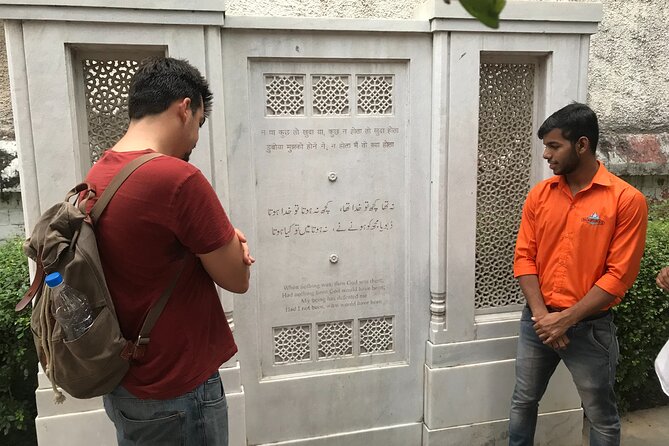
- Urdu-poet stops for Ghalib and Khusrau, tied to the neighborhood’s culture
- itr perfume market experience that shows the secular side of Nizamuddin
- Narrow-street Delhi in a 2-hour private format, so your group stays together
- Mobile ticket and return to the starting point at the end
Nizamuddin: where Delhi’s past still acts like today
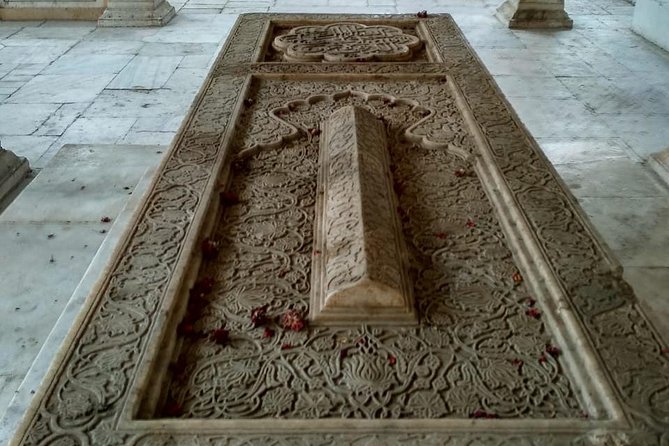
Nizamuddin isn’t just a name on a map. It’s a neighborhood with around 20,000 people living inside roughly one square kilometer, and that density is part of the point. You’ll see why the area feels both ancient and current—because it is.
The tour’s focus helps a lot. Instead of running from one landmark to the next, you’re guided through the logic of the place: why this quarter developed, how it grew after the 14th century, and why the Chishti Sufi tradition remains such a strong magnet. The neighborhood is predominantly Muslim, and that matters for the tone—religion is not a background detail here. It shapes the rhythm of streets, voices, and visits.
What I’d call the smartest value is that you’re not pushed through only one type of site. Yes, there’s the spiritual centerpiece. But you’re also taken to the softer, human stuff: markets, mosques, and corners of neighborhood culture like the itr perfume trade. It makes the stories feel grounded, not distant.
You can also read our reviews of more tours and experiences in New Delhi.



Starting at Nizamuddin Police Station and using the 2-hour clock well
Your meet-up point is Nizamuddin Police Station in Nizamuddin West (New Delhi 110013), and the experience ends back at that same spot. That back-to-start detail is surprisingly practical in a city where getting lost can eat your whole day.
The total time is about 2 hours. That’s long enough to get real context and see multiple stops, but short enough that you won’t feel like you’ve burned half a day. Plan to treat it like a “way to understand the neighborhood,” not a slow, pick-your-own-adventure walk.
This also helps with pacing. You can pair it with other Delhi plans without needing a complicated logistics puzzle. And because it’s described as near public transportation, it’s easier to fold into your day even if you’re not staying right in the area.
One small planning note: the tour is private, meaning only your group participates. That usually makes the experience feel more personal and easier to ask questions in. If you’re traveling as a family or a small group, that private setup often turns into a smoother route through crowded lanes.
Hazrat Nizamuddin Auliya: the Sufi heart of the neighborhood
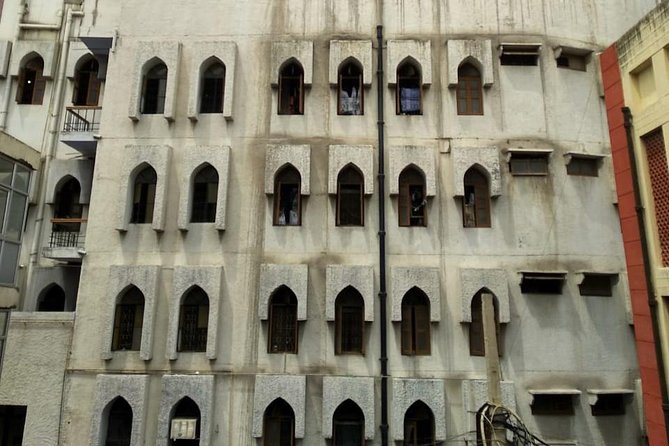
The tour centers on Hazrat Nizamuddin Auliya, the Chishti Sufi saint the area is named after. This is the “anchor stop,” the one that helps you understand why people come to Nizamuddin over and over.
You’ll spend about 15 minutes at this stop, and the entry ticket is listed as free. For many first-time visitors, that’s a big win: you get a key experience without worrying about ticket costs or extra steps just to get inside the core site.
What makes this stop meaningful isn’t just the architecture. It’s the living role of Sufi tradition in Delhi. The guide’s job here is to connect the saint’s legacy to the street-level reality you’ll see around the neighborhood. When someone explains how the shrine shaped visits, pilgrims, and the area’s identity, the rest of the tour starts to click.
This is also where a good guide matters most. The review feedback I saw highlights Salman specifically—people praised his deep grasp of the area’s history and the calm, safe way he ran the visit. If you’re choosing this tour partly for storytelling, you’ll want to make the shrine time count by asking questions and letting your guide set the context.
Mosques, lanes, and the neighborhood’s everyday rhythm
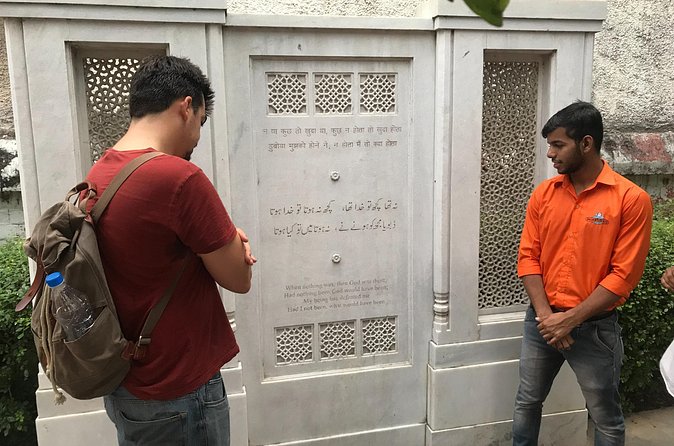
A big part of why this tour works is the balance between formal worship places and the everyday environment around them. You’re moving through a dense, inhabited quarter where the street life doesn’t take a break just because tourists show up.
In the provided description, you’re set to see ornate mosques along the way, plus the winding streets and markets that sit between major stops. That combination matters because it shows you how sacred places connect to commerce, community, and daily routine.
Here’s the practical takeaway: you’ll likely notice how Nizamuddin operates on more than one level. Pilgrims and visitors come for shrines. Locals move through markets and trades. The neighborhood is not frozen in time; it’s actively used. A local guide helps you read those cues without turning them into a scavenger hunt.
Also, don’t underestimate the value of being in a small group (private tour). In tight lanes, crowding can make it hard to hear or see. A guide-led pace helps you avoid the common mistake of arriving at a cultural site, taking a few photos, and leaving still confused about what you just saw.
Ghalib and Khusrau shrines: poetry you can feel in the streets
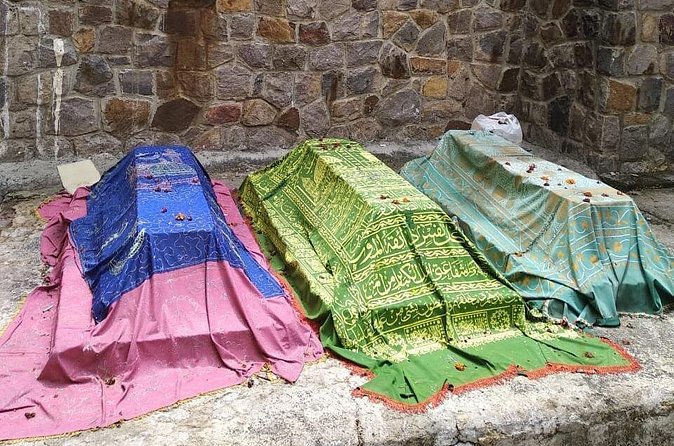
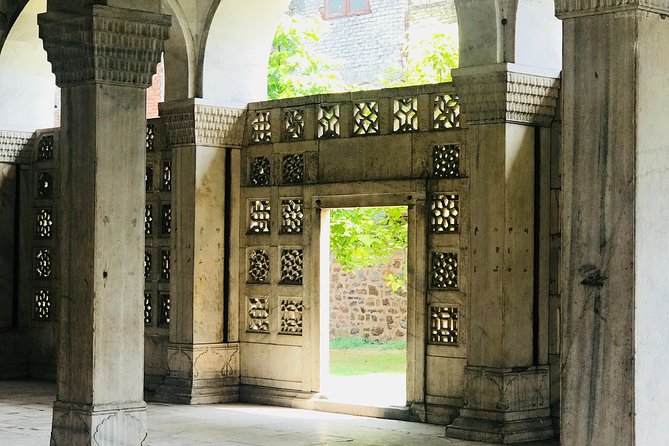
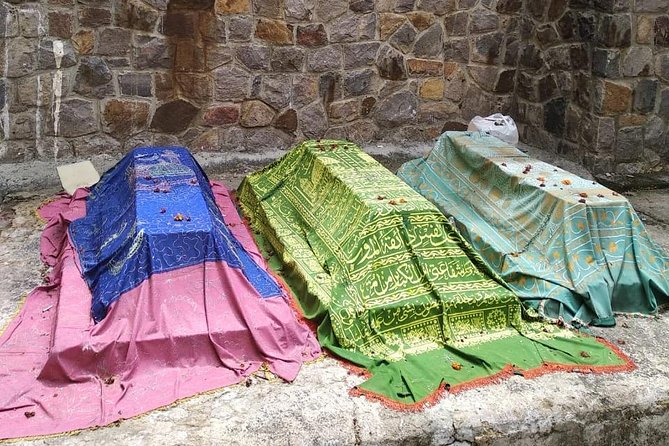
The tour includes stops tied to Ghalib and Khusrau, both prestigious Urdu poets known for their ghazals. In many cities, literary history lives in books or distant plaques. In Nizamuddin, language and place feel linked—because this culture is still part of how people experience the neighborhood.
These stops are valuable for a simple reason: they widen the definition of history. You’re not only learning about rulers and buildings. You’re learning about the expressive tradition—poetry, devotion, and how emotion gets shaped into art.
When your guide connects the poets to the neighborhood’s identity, it changes the way you look at the shrines. You start noticing details as symbols rather than just objects. And even if you don’t know Urdu poetry well, the storytelling helps you understand why the area matters culturally.
If you’re a visitor who likes to understand why locals care, these literary stops are a strong match. They add an extra layer without adding a lot of extra time.

The itr perfume market: smelling the secular side of Nizamuddin
One of the most interesting aspects is the inclusion of the itr perfume market. “Itr” refers to traditional perfume oils and fragrances, and in Nizamuddin these smells are part of the neighborhood’s identity. This stop makes the tour feel human and sensory.
What’s especially useful for you is that this isn’t presented like a formal shopping push. It’s there to help you understand Nizamuddin as a place with trades and daily life—not only places of worship.
For practical planning, think of this as your chance to slow down just a bit and pay attention. Markets are fast, but a guide can help you interpret what you’re seeing—how the perfume trade fits with local habits and why visitors often associate Nizamuddin with these aromas.
And because the tour is only around 2 hours, the market stop is the right size. You get exposure and context without turning the trip into a long shopping session.
Price and value: $35 for a focused, private local walk
The tour costs $35.00 per person. On paper, that’s not “budget-cheap” for everyone. But in practice, it can be good value because you’re paying for three things at once: local routing through a complicated neighborhood, history context, and a private group format.
Also, the tour has a mobile ticket. That small detail matters in Delhi where paper tickets and awkward check-ins can slow you down. A mobile ticket keeps the experience smoother, so you start on time.
Booking timing can tell you something too. This experience is described as being booked about 7 days in advance on average. If you want to line this up neatly with other plans, don’t wait until the last minute.
If you’re the kind of traveler who hates wasting time finding entrances and guessing what matters, a guided approach in a dense area like Nizamuddin is usually worth it. You’re buying clarity.
Guide impact: how to get the best out of your time (ask for Salman if possible)
The standout theme from the highest ratings is the guide. One reviewer specifically praised Salman, saying he knows the history of this part of Delhi well and that the tour felt safe and lovely. Another important detail: the praise wasn’t only about facts. It was about the overall experience quality—how the tour felt, not just what it covered.
Here’s my practical advice: when you arrive, treat the first few minutes like an orientation session. Ask a simple question early, something like what you should notice as you walk through the lanes. Then let your guide do what good guides do—turn random streets into meaningful connections.
If there’s an option to request a guide, and you’re given the chance, consider asking for Salman. Based on the feedback linked to this tour, that request could be a smart move.
Who should book this Nizamuddin tour?
This tour makes the most sense if you:
- Want a guided walk through a centuries-old neighborhood that still feels lived-in
- Like cultural stories tied to place, including Sufi heritage and Urdu literary culture
- Prefer a short format around 2 hours instead of a half-day commitment
- Appreciate the mix of sacred sites and ordinary neighborhood life, including the itr perfume market
It might not be ideal if you:
- Want a slow, wide-open sightseeing route with lots of space to linger
- Need a highly structured, step-by-step schedule with guaranteed “every minute” entertainment
- Are uncomfortable in busy, active religious areas
Should you book it? My decision checklist
Book this Nizamuddin Tour if you want more than photos. You’re paying for explanation, local routing, and a balanced view of the neighborhood—shrines plus mosques plus the perfume market—all in a time frame that won’t wreck your day.
Skip it if your idea of a great tour is mostly monumental architecture with long quiet viewpoints. This one is about street-level understanding and cultural context inside a crowded, functioning quarter.
If you’re considering timing, try to lock it in about a week ahead since bookings average around 7 days. And when you arrive, ask questions early so the tour’s stories land while you still have the sights in front of you.
FAQ
How long is the Nizamuddin Tour?
The tour lasts about 2 hours.
What is the meeting point and where does the tour end?
You meet at Nizamuddin Police Station, Nizamuddin West, New Delhi 110013, India. The tour ends back at the same meeting point.
Is this a private tour?
Yes. It’s a private tour/activity, and only your group participates.
What ticket will I receive?
The tour includes a mobile ticket.
Is there an admission fee for Hazrat Nizamuddin Auliya?
The Hazrat Nizamuddin Aulia stop lists free admission (free ticket).
What will I see during the tour besides the main shrine?
You’ll also visit shrines of Ghalib and Khusrau, see ornate mosques, and stop by the itr perfume market.
Is the meeting point near public transportation?
Yes, the meeting point is near public transportation.
When will I get confirmation after booking?
Confirmation is received at the time of booking.
What is the cancellation policy?
Free cancellation is available up to 24 hours in advance for a full refund. If you cancel less than 24 hours before the start time, the amount paid is not refunded.