REVIEW · SRINAGAR
Kashmir Ladakh Tour
Book on Viator →Operated by Ladakh Backpackers · Bookable on Viator
Kashmir into Ladakh is a big, beautiful contrast. You’ll move from Srinagar’s Mughal gardens to high-altitude passes and end at Pangong Tso at about 4,350m, with everything geared toward a smooth road trip rather than a rushed checklist. I especially like the private transportation and the fact that your Innerline Border Permit is included, so you spend less time worrying and more time looking out the window. One thing to budget for: many monument fees and optional add-ons (plus tips) are not included, so the final cost can creep up.
What makes this tour feel practical is the way it mixes major sights with short, efficient stops—so you keep momentum on long drive days without losing the sense of place. The early starts help you catch the key light at places like Pangong Tso, and the pace gives you at least a little time to slow down in Leh. If you want comfort and logistics handled, this is set up that way.
In This Review
- Key things I’d pay attention to before you go
- Srinagar to Leh: what this 10-day route really feels like
- Day 1 in Srinagar: Mughal Gardens, Pari Mahal, and Dal Lake dusk
- Gulmarg day trip: 5 hours of mountain air and powder-season vibes
- Zoji La, Drass, and Kargil: the road into Ladakh altitude
- Mulbekh, Lamayuru, Indus–Zanskar, and Magnetic Hill: big views, tight timing
- Leh classics with monastery stops: Palace, Thiksey, Hemis, and Shanti Stupa
- Khardung La and Nubra Valley: the day trip that feels like another planet
- Turtuk on the LAC edge: village time and Balti heritage
- Pangong Tso at nearly 4,350 m: the long day and the sunrise payoff
- Value check for $1,499: what you pay, what you’ll top up
- Who this tour suits best (and who should think twice)
- Should you book the Kashmir Ladakh Tour with Ladakh Backpackers?
- FAQ
- Where does the tour start and when?
- How long is the tour?
- What are some of the main places included?
- What meals and lodging are included?
- Are permits included for border-area travel?
- Are monument fees included?
- Is airport pickup included?
- What time is the Pangong Tso sunrise planned?
- Can foreign nationals with diplomatic passports join?
Key things I’d pay attention to before you go
- Airport pickup with a name placard in Srinagar (easy first hour, no guessing)
- Innerline Border Permit included for the border-area portion of the route
- Heritage Ladakhi lunch at Gyap-Thago Heritage House—a food stop that’s actually part of the story
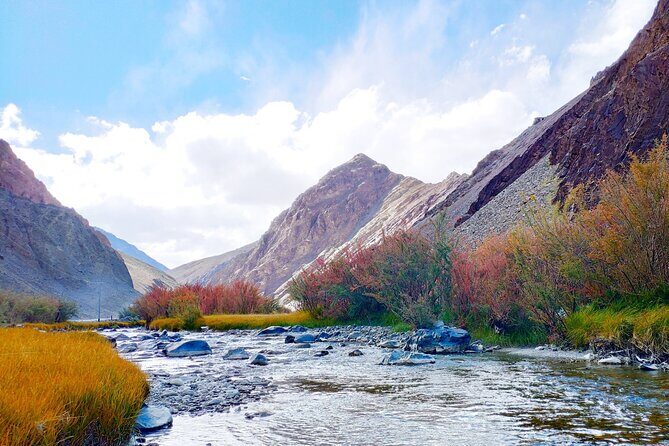
- High-altitude viewpoints built into the route (Zoji La, Drass, Changla, Pangong sunrise)
- Monastery visits with flexible admission notes (some are included/free, others aren’t)
- Long drives managed by private transport rather than public shuttles
Srinagar to Leh: what this 10-day route really feels like
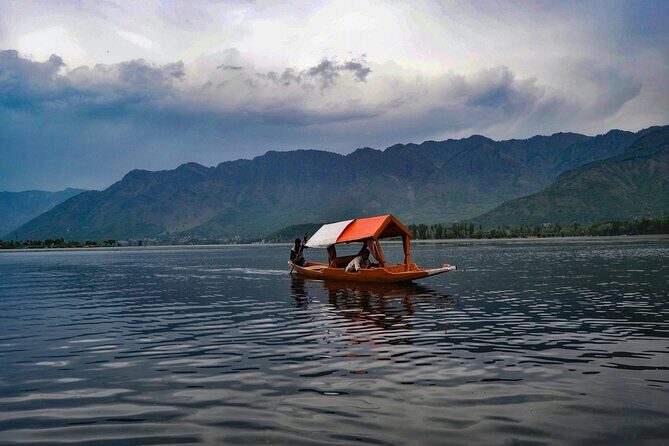
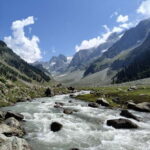
This is a driving-first tour. That’s not a criticism—it’s the point. You’re not just seeing places on a map; you’re watching the mountains change as you go, from Kashmir’s green-and-garden mood into Ladakh’s stark, high-desert feel.
You’ll spend a lot of time in the vehicle, but the schedule is built to keep those hours productive: scenic passes like Zoji La, quick photo stops like Magnetic Hill, and longer sight blocks in Ladakh hubs like Leh and Pangong Tso. You’ll also get a steady rhythm of meals and hotel nights, since accommodation and meals are included for most of the trip.
As for the human factor: the company team shows up by name in customer feedback, with Fida coordinating and drivers like Shakeel, Abdul, and Zigmet frequently credited for making the drive days feel manageable. Other names show up too, such as Padma and Ghulam for guidance, and Dorjay on at least one Ladakh/Kashmir booking—so you’re likely dealing with a real team, not a faceless dispatcher.
You can also read our reviews of more tours and experiences in Srinagar.

Day 1 in Srinagar: Mughal Gardens, Pari Mahal, and Dal Lake dusk

Your day starts the easy way: your driver meets you at Srinagar Airport around 6:00am, with a company placard and your name at the exit gate. After transfer to the hotel, you go out after lunch for Srinagar highlights, which is a good strategy. It keeps day one from feeling like a jet-lag punishment.
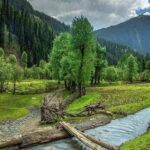
You’ll visit Mughal Gardens of Nishat and Shalimar, built as Mughal-era heritage gardens. They’re classic for a reason: you get views, walking paths, and that “garden design” sense of order right away, before the trip turns rugged.
Next is Pari Mahal plus the Shankaracharya Temple. This is a nice pairing because it gives you both an elevated viewpoint component and a religious landmark stop without stretching your day too long.
Then comes Dal Lake. You get an evening block at Dal Lake that includes time for a traditional shikara-style experience on the water. Budget tip: the tour notes both “included” and “not included” language around certain activities, so confirm what’s covered at booking so you don’t get a surprise bill. Either way, the lake-evening timing is smart—this is when the light softens.
Gulmarg day trip: 5 hours of mountain air and powder-season vibes
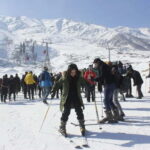
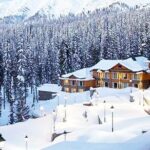
Day 2 is Gulmarg. You’ll drive from Srinagar after breakfast and spend about 5 hours in the area. Gulmarg is famous for winter scenery, and even outside peak snow season it still feels like a place built for fresh air and altitude views.
Practically, this day is a good “breather” before the real high-pass drive days. The route from Srinagar to Gulmarg is long enough to feel like a full outing, but it’s not the same kind of extreme elevation you’ll face later.
Gulmarg entry is marked free in the tour details. Still, you might see other costs depending on how you spend your time there—so keep some flexibility in your daily budget.
Zoji La, Drass, and Kargil: the road into Ladakh altitude
Day 3 is where the trip starts to feel like Ladakh. You’ll head early toward Kargil and pass through Zoji La on the way into the region. This is one of those drives where the scenery does a slow switch from “valley trip” to “mountain pass reality.”
Along the route you stop for Tiger Hill (time is short in the text you have) and then you’ll reach Drass Valley, the “Gateway to Ladakh.” Drass is at around 3,280 meters, and that number matters more than it sounds. Higher altitude can hit fast for some people, especially if you rush. The tour’s structure helps because it doesn’t ask you to do a long hike at altitude—mostly you’re looking, taking photos, and adjusting.
Then you reach Kargil, with a long 12-hour block on the day. It’s likely a mix of travel plus sightseeing time, so don’t plan to squeeze in extra activities of your own. Use the evening to rest and hydrate. If you’re the type who gets “busy brain” at night, try to shift into “mountain mode” early.
Mulbekh, Lamayuru, Indus–Zanskar, and Magnetic Hill: big views, tight timing
On Day 4, you move from Kargil toward Leh with a series of memorable stops. What I like here is the stop pattern: it’s not one giant monument visit. It’s a chain of places, each offering a different kind of view.
You’ll first see the 30-foot rock-cut statue of Maitreya Buddha at Mulbekh, also known as Mulbekh Chamba. After that, the stop continues to the Mulbekh Monastery (Mulbekh Gompa), famous for ancient rock carvings. This is the type of place where time feels short but the images stick in your mind.
Then comes Lamayuru Monastery (Yuru Gompa). The tour highlights its age and architecture. If you’ve ever wanted to understand why Ladakh’s monasteries feel “carved into the world,” this kind of stop helps.
Next you visit the confluence of the Indus and Zanskar rivers—a quick 30-minute viewpoint. After that, there’s Magnetic Hill, where vehicles appear to move uphill due to an optical illusion. It’s a fun break in the heavy-driving mood and works well because it’s quick.
The tradeoff is timing. You’re stacking several short stops, so you’re not sitting down for long tea breaks at each one. If you like lingering, you’ll have to build that habit yourself when you have even a small window.

Leh classics with monastery stops: Palace, Thiksey, Hemis, and Shanti Stupa
Day 5 is a Leh day with major sights. You’ll start at Leh Palace (admission not included in the tour notes) and then move on to Thiksey Monastery and Hemis Monastery, both listed with admission not included.
I like how these stops give you different monastery “flavors.” Thiksey is described as having Tibetan architectural elements and multiple levels. Hemis is framed as an important monastery and mentioned as the wealthiest in the region in the tour notes. If you’re trying to connect the dots between religion, art, and geography in Ladakh, these are exactly the kinds of stops that help.
You also get a food-and-culture stop: Gyap-Thago Heritage Home, a heritage halt of more than 200 years old in a nearby village. This visit includes a traditional Ladakhi culinary experience and is marked included. That’s value. Meals are not an afterthought here; they’re part of the day.
Finally, you’ll see Shanti Stupa. It’s free in the tour details and is set up for sunset/late light even if your timing isn’t explicitly called out. The white marble structure is easy to spot around Leh, and the visit gives you a “wraparound” view vibe.
Khardung La and Nubra Valley: the day trip that feels like another planet
Day 6 brings you to Nubra Valley, with Khardung La as the headline pass stop. The tour includes the Khardung La admission ticket for a brief 15-minute stop. Even if your time is short, Khardung La is one of those places where the air and the scale hit you immediately.
Then you head to Diskit Gompa. Admission is not included in the provided notes, but the monastery visit is still scheduled for about an hour. It’s a good balance: the pass gives you the “where am I?” shock, and the gompa gives you a calmer, cultural anchor.
After that, you’ll go to Hunder Sand Dunes for about 2 hours. The tour frames the dunes as surrounded by snow-capped mountains, and that combination is real. In practice, it’s a good stop to slow your pace and enjoy the setting without needing special gear.
Turtuk on the LAC edge: village time and Balti heritage
Day 7 centers on Turtuk, reached after breakfast. Turtuk is described as the last village on the India side of the LAC, with a history connected to POK until 1970. The visit is a full 6-hour block, which gives you real time in the village rather than a quick photo sprint.
This is one of the days where the tour format matters. You’re not just pulling into a viewpoint; you’re spending enough time to understand daily life rhythm and take in the way different cultures show up in architecture, food, and conversation.
You’ll also visit Balti Heritage House and Museum for about 30 minutes, and admission there is not included in the notes. Still, the timing is short enough that it doesn’t steal the whole day.
Pangong Tso at nearly 4,350 m: the long day and the sunrise payoff
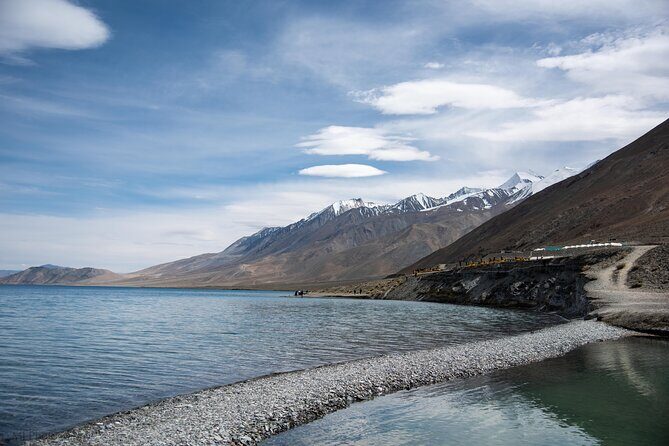
Day 8 is your drive to Pangong Tso, reaching by afternoon after an early start and a pass through the Shayok Valley. The tour describes the lake at about 4,350m and calls it the world’s highest saltwater lake. Pangong is the big finish, and the route is set up so you don’t arrive at night.
Day 8 also gives you a long lake block—listed as about 12 hours. That matters more than you think. Pangong light shifts a lot as clouds move and the sun changes angle. Having time on the ground helps you catch the lake in more than one mood.
Day 9 starts early so you don’t miss the sunrise view. You’ll get breakfast on the shores and then head back toward Leh via Changla Pass. After the drive, you return to town for Leh Market (about 2 hours) and a visit to the Central Asian Museum (about 1 hour, admission not included).
This combination is a smart way to close the loop. Sunrise gives you the emotional high. Leh market and a museum give you something normal to do afterward, so the ending feels grounded rather than sleep-deprived chaos.
Value check for $1,499: what you pay, what you’ll top up
At $1,499 per person for a roughly 10-day route, the best way to judge value is not just “is it cheap.” It’s “what’s handled for you.”
You get accommodation, private transportation, and lunch plus breakfast (9) and dinner (9). You also get the Innerline Border Permit and an included heritage meal at Gyap-Thago. Those items add up fast if you try to assemble the trip yourself, especially the permit piece.
The main “top up” risk is in what’s explicitly not included: tips, porters, monument fees, insurance, and cancellation charges, plus extra meals and activities like shikara ride, camel safari, rafting, and gondola options (the wording includes examples rather than a full guarantee that every add-on is extra). Since some admission tickets are marked free in the day-by-day notes, you can’t assume everything is included at every stop. The practical move: ask your operator to give you a simple list of likely extra costs for the specific travel dates.
Who this tour suits best (and who should think twice)
This tour suits you if you want a structured route that ties together Kashmir and Ladakh without building your own logistics. It also fits well if you like a mix of culture (monasteries and heritage homes) and scenery (passes and lake time), but you don’t want to plan every day from scratch.
It can be less ideal if you dislike long drive days. The schedule contains several heavy travel segments, including a full day around Kargil and a long Pangong period followed by a return drive to Leh.
One more suitability note: the tour says it’s best between April and October, and it also lists that most people can participate. You’ll still want to take altitude seriously, especially around Drass and Pangong.
Should you book the Kashmir Ladakh Tour with Ladakh Backpackers?
I’d book it if you want the Kashmir-to-Ladakh story told in one continuous road trip, with private transport, permits handled, and key cultural stops built into the drive rhythm. The company’s service seems to land well in real-world feedback, with staff like Fida credited for organizing and drivers such as Shakeel, Abdul, and Zigmet mentioned for keeping things smooth.
You should hesitate only if you hate uncertainty around extra costs for monument fees, tips, and optional add-ons. If that kind of budgeting detail annoys you, ask for clarity up front so you can enjoy the scenery without doing math in your head.
If you’re flexible and ready for altitude, this is a strong choice for a once-in-a-lifetime northern India trip.
FAQ
Where does the tour start and when?
It starts at Srinagar Airport. The meeting time listed is 6:00am.
How long is the tour?
The tour is listed as 10 days, approximately.
What are some of the main places included?
The route includes Srinagar, Gulmarg, Kargil, Leh, Nubra Valley (including Hunder Sand Dunes and Diskit Gompa), Turtuk, and Pangong Tso, plus additional nearby stops.
What meals and lodging are included?
Accommodation is included. Lunch is included, and breakfast is included for 9 mornings and dinner is included for 9 nights. There is also an included heritage Ladakhi lunch at Gyapthago Heritage Home.
Are permits included for border-area travel?
Yes. The Innerline Border Permit is included.
Are monument fees included?
The tour notes that monument fees are not included. Some stops may be marked free in the schedule, but you should expect extra fees at certain monuments and sites.
Is airport pickup included?
Yes. Your driver meets you at Srinagar Airport exit gate with a company placard and your name.
What time is the Pangong Tso sunrise planned?
The tour includes an early morning start so you don’t miss the sunrise view at Pangong Lake, followed by breakfast on the shore.
Can foreign nationals with diplomatic passports join?
No. Foreign nationals of diplomatic passport holders are not permitted.