REVIEW · SRINAGAR
Kashmir Great Lakes Trek
Book on Viator →Operated by Kashmir Treks · Bookable on Viator
Most treks are just walks. This one is a whole mountain rhythm.
I love the private, guided setup on the Sonamarg to Naranag route, because you get a clear plan without the hassle of mixing with strangers. I also love that the package covers the hard parts up front: permits, tents, sleeping gear, and even horse offloading so you can carry a lighter day pack. One thing to consider: at these altitudes and on long days, you’ll want moderate fitness and realistic expectations about weather delays.
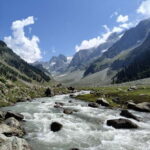
Over 8 days you’ll move from the valley base near Srinagar into higher passes (around 4,080–4,180m) and then down to the Naranag temple area at much lower altitude. I like that the route targets famous scenery—Vishansar, Gadsar, and Gangabal lakes—with steady altitude steps rather than a single jump. A possible drawback: this is a weather-dependent trekking experience, so if conditions turn bad, plans can shift or the trek can be offered on a different date.
In This Review
- Key points to know before you go
- From Srinagar to Sonamarg: what the start is really like
- Sonamarg to Nichnai: the climb that sets the tone (2,610m → 3,450m)
- Nichnai Pass to Vishansar Lake: where the route gets dramatic (3,450m → 3,650m)
- Vishansar to Gadsar via Gadsar Pass: long hours and high numbers (3,650m → 3,550m)
- Gadsar to Satsar: shorter distance, still serious altitude
- Satsar to Gangabal Lakes via Zajibal Pass: the pass, then the lakes
- Gangabal to Naranag temple and the descent back to Srinagar (3,580m → 2,250m)
- Gear, horses, and meals: why the package feels doable
- Price and value at around $112: what makes it a bargain or a risk
- Fitness, weather, and timing: how to plan the safest season
- Who should book this trek (and who should skip it)
- Booking provider notes: service that seems to matter
- Tips for a smooth Kashmir Great Lakes Trek
- Should you book the Kashmir Great Lakes Trek?
- FAQ
- What’s the starting point of the Kashmir Great Lakes Trek?
- Where does the trek begin and end on the hiking route?
- How long is the trek?
- Are permits and trekking gear included?
- Is transportation included?
- Do you get a place to sleep during the trek?
- What meals are included?
- Are horses used to carry gear?
- Do I need travel insurance?
- Can I cancel and get a full refund?
Key points to know before you go
- Private trek + English-speaking guide on the Nichnai Pass route with clear daily pacing
- All camps and trekking gear included (tents, sleeping bags, mats, poles, blankets)
- Horses carry most gear between camps, so you mostly hike with your essentials
- Stove-cooked vegetarian meals across the trek, plus tea stops on the way
- Big day mileage at altitude (some days 7–8 hours), so bring patience as well as stamina
From Srinagar to Sonamarg: what the start is really like
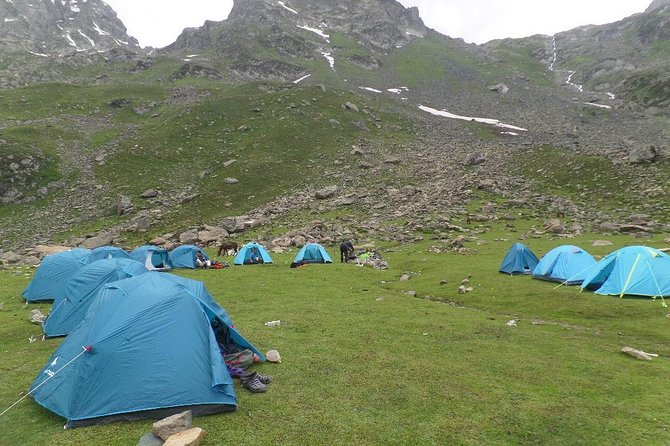
Kashmir Treks runs this as a smooth, guided door-to-door style experience. You start with a pickup from Srinagar around 8:00 am, then drive about 100 km to Sonamarg (roughly a 3-hour transfer). This is the part where your body learns the altitude math: Sonamarg sits around 2,610m, which feels like a jump if you’ve been near sea level.
That first evening you’ll camp by the Sind riverbank at Sonamarg. The day is partly transport, partly orientation: tea and dinner are included, and you’re given time to get your bearings before you start marching upward. You’ll likely appreciate this if you’re the type who likes to settle in, not rush. It also helps because the real work starts the next morning.
One practical upside of starting this way: you don’t need to coordinate local transport, camp logistics, or permits on your own. The package includes what can otherwise turn into a headache, especially if you’re traveling with limited local knowledge.
You can also read our reviews of more tours and experiences in Srinagar.
Sonamarg to Nichnai: the climb that sets the tone (2,610m → 3,450m)
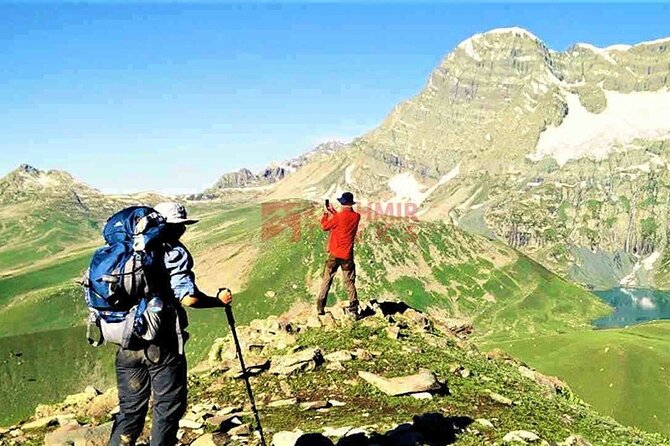
The first trekking day climbs from 2,610m up to about 3,450m. You’ll hike roughly 11 km in about 7 hours, with breakfast, lunch, tea, and dinner included. Expect the day to feel like a steady uphill grind, not a quick sprint. That’s part of what makes this route work: it ramps you up gradually.
Nichnai is a camp stop, not a flashy viewpoint stop. But it’s important. This is where the trek begins to feel like a real mountain journey: more silence, colder air, and the sense that the landscape is changing with every hour. And since your guide is with you throughout, you’ll have someone navigating the trail and pass approach while you focus on pacing.
If you’re thinking about safety and comfort, this is where the guide matters. Past participants name guides such as Wajid and Ali for taking good care and paying attention to group comfort and safety. Even without turning it into a drama, that kind of practical guidance helps you keep moving the right way when the footing and altitude start to tax you.
Nichnai Pass to Vishansar Lake: where the route gets dramatic (3,450m → 3,650m)
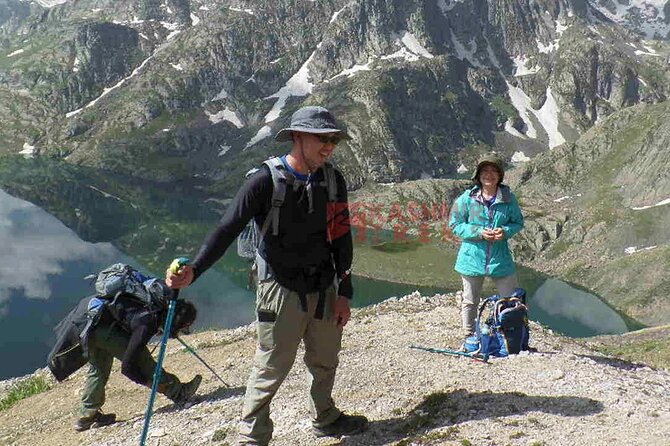
The next trek is longer in both effort and altitude rhythm. You go from Nichnai toward Vishansar Lake, via Nichnai Pass. The walking time is about 7 hours for around 12 km, and altitude ranges from roughly 3,450m up to 4,080m before coming down to about 3,650m at the lake.
This is one of the trek’s signature moments because the pass crossing is the high point of the day. Once you come down to Vishansar Lake, the atmosphere tends to feel calmer—like the hike exhaled. You’ll be in camp again, with full-board meals, which means you’re not trying to solve food after a big climb.
I also like the way this trek mixes “views” with “arrivals.” You’re not hiking just to collect panoramas. You’re hiking to reach an actual alpine lake setting where the camp experience is part of the memory, not an afterthought. That matters on a multi-day trip.
If weather is clear, this is the day you’ll likely feel most rewarded. One participant highlighted a surreal sunrise experience tied to the Harmukh area while doing this kind of alpine trekking. You can’t count on a specific sunrise moment every time—but you can bank on the fact that higher points tend to produce the most memorable light when conditions cooperate.
Vishansar to Gadsar via Gadsar Pass: long hours and high numbers (3,650m → 3,550m)
After the Vishansar camp, you hike about 14 km in around 8 hours, moving from 3,650m down slightly to 3,550m, while crossing Gadsar Pass at about 4,180m. That pass altitude is the highest number in the itinerary details you have, so mentally plan for it.
This day is a test of pacing. You’ll likely feel the altitude even if you take it slow, and 8 hours at altitude isn’t the place to rush. The good news: it’s planned as full-day trekking with multiple meal points—breakfast and lunch on the trail, plus tea and dinner at camp.
One neat detail you might not expect: the trek includes chances for small surprises along the way. Someone described a one-minute light show around 5:30 pm in the Nichnai area while on this route. That’s not something you can schedule. But it’s a reminder that mountains have their own timing, and the evening moments can be special.
For practical sanity: if your legs start feeling heavy before you reach the pass, tell yourself the real win is steady steps. The route is designed around moving over time, not powering through.
Gadsar to Satsar: shorter distance, still serious altitude
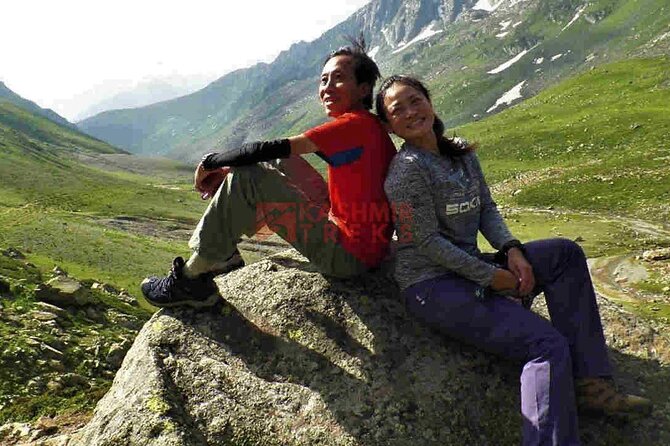
Next you go from Gadsar to Satsar, trekking roughly 9 km in about 5 hours. Altitude drops slightly from around 3,550m to about 3,650m, so it’s not a full “recovery day,” but the shorter hike can still feel like a breather after the longer pass day.
This is the kind of day that helps if you’re carrying a pack with more than just water and snacks. Also, since gear is mostly handled for you (horses carry the big load), you can focus on your own rhythm rather than juggling everything.
Satsar is another camp stop, where you’ll refuel properly with included meals. On treks like this, recovery meals and sleep are part of “the itinerary,” even when they don’t look dramatic on paper.
Satsar to Gangabal Lakes via Zajibal Pass: the pass, then the lakes
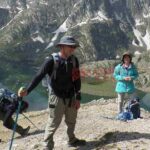
You’ll trek about 11 km for around 6 hours, traveling from around 3,650m down to about 3,580m while crossing Zajibal Pass at about 4,080m. This is another high-altitude crossing, but the pace is slightly easier than the longest days.
Arriving at the Gangabal Lakes area is the reward. Lakes on this route are not just photo stops—they’re camp destinations, which changes how you experience them. You’re there after the hike, with time to take in the stillness, and you get the comfort of organized sleeping arrangements rather than scrambling for a plan.
The best part of having multiple lake stops is that you don’t get “lake fatigue.” Each lake day tends to feel like a new chapter, especially when the passes force different kinds of effort.
Gangabal to Naranag temple and the descent back to Srinagar (3,580m → 2,250m)
The final hiking day takes you from Gangabal to Naranag, trekking about 15 km in around 6 hours. You’ll descend from roughly 3,580m to about 2,250m, and the big payoff is arriving at Naranag, including a stop at the Naranag Temple area (a Hindu pilgrimage site).
That temple finish is meaningful because it turns the trek from “just nature” into a cultural waypoint. In a region like Kashmir, that mix is part of why many people remember these trips as more than a physical accomplishment.
After you reach Naranag, you transfer back toward Srinagar. You’ll get breakfast, transport, lunch, and dinner on this day, and then your last morning includes breakfast and transfer for drop-off either at the Srinagar airport or bus stand.
Day 8 is a short wrap-up: about 5 km to the bus stand (around 20 minutes) or about 12 km to the airport (around 30 minutes). After 7 days of altitude living, that drive can feel oddly gentle.
Gear, horses, and meals: why the package feels doable
This trek includes a lot of the “don’t make me think” logistics. You get tents, sleeping bags, mats, blankets, and trekking poles. Cooking is handled for you too, with LPG stove cooking utensils included and stove-cooked vegetarian meals throughout.
The horse offloading is one of the most important value details. The trip says horses carry all gear except day packs, which means you’re not hauling everything yourself between camps. On a multi-day trek, that changes how your body feels at the end of each day. It also makes the trek more approachable if you don’t want to spend weeks preparing a heavy-load carry.
Meals are built in as full-board: breakfast, lunch, dinner, plus tea during the trekking days. You’re not trying to source food from small shops at high altitude, which can be the case on DIY trips.
What you still need to handle is your personal side. The package doesn’t include personal clothing and equipment. So you’ll want to show up with the kind of layers and trekking basics you trust. If you have dietary requirements, you should advise them at booking—so the cooking team can plan ahead.
Price and value at around $112: what makes it a bargain or a risk
At about $112, this is priced like a budget adventure—but the inclusions are what justify the cost. You’re not only paying for a guide. You’re paying for private transportation, 6 nights of tented mountain camps, and a 1-night deluxe houseboat or hotel stay in Srinagar. You’re also covered for permits, first aid, and the major trekking gear.
That’s why the price can feel like a strong deal: it bundles the biggest logistical costs that usually add up when you plan independently—camp setup, staff and permits, and the stove-and-kitchen system.
The risk isn’t the price. It’s fit. This is not for someone wanting a low-effort vacation. Some days run 7–8 hours, and the pass altitudes climb to roughly 4,080–4,180m. If you go in expecting a casual walk, you’ll feel it.
So the value equation is simple:
- If you want a structured trek with gear and meals handled, you’ll likely feel like you got your money’s worth.
- If you want a flexible, do-anything style trip, this set route may feel less accommodating.
Fitness, weather, and timing: how to plan the safest season
The trek notes moderate physical fitness as the baseline. That’s fair. You’ll do long trekking days and high passes, and altitude changes how your body handles effort. You’ll want enough stamina to keep walking for hours even when you’re not at full speed.
Weather is the bigger wild card. The trek itself is described as requiring good weather. That matters because snow, cloud, and trail conditions can affect pass crossings. Based on seasonal notes from people who did this around different times:
- Early March and April were described as very good for crossing difficult boulder sections, with clearer weather.
- Monsoon time was called more difficult for crossing boulder ways.
- October can still work, though one person noted it was late in the season and weather was still quite good.
Your takeaway: aim for the clearer-season months mentioned, and stay flexible if conditions aren’t cooperative.
Who should book this trek (and who should skip it)
This is a smart fit if you want:
- A private trek with an English-speaking guide
- A route that includes both lakes and pass crossings
- Lodging support via houseboat or hotel in Srinagar and tented camps on the mountain legs
- You prefer having gear and cooking handled, with horses taking the heavy load
It may not be the right fit if:
- You’re not comfortable with high-altitude hiking and long trekking days
- You need a trip with easy, short walking hours every day
- You want the kind of schedule that never changes due to weather
Also, if you’re traveling as a family or a small group, this is particularly appealing because it’s private, meaning it’s only your group on the trek.
Booking provider notes: service that seems to matter
Kashmir Treks runs the operation. Names that come up in past experiences include Mehraz for organization, Shakeel for airport reception and the drive to basecamp, and Mudasir for an initial introduction. The guide names Wajid and Ali appear with comments about safety and care.
You don’t have to treat that like a guarantee for every trip. But it’s a signal that the service model focuses on real human support, not just checklists.
Tips for a smooth Kashmir Great Lakes Trek
A few practical moves will make this easier:
- Keep your day pack light since the heavy gear is handled by horses.
- Plan for a steady pace on pass days; 7–8 hours at altitude is about rhythm.
- If you have any dietary needs, state them at booking so meals are realistic.
- Carry a valid passport with the details required at booking, because the trek requires passport info on travel day.
And one mental trick: treat each camp as a target. When you think of the day as “camp arrives at the end,” the long hours feel less random.
Should you book the Kashmir Great Lakes Trek?
If you want a well-organized mountain experience with lakes, high passes, and a guided plan—and you’re okay with hiking 5–8 hours most days—then yes, I’d seriously consider booking this. The value is strong for what’s included: tented camps, permits, cooking, and mountain gear, plus your Srinagar stay.
I’d pause if you’re hoping for an easy stroll, or if you’re currently unsure about handling altitude or long trek days. And if weather is likely to be shaky for your chosen dates, build in flexibility.
Overall, this trek has the ingredients that turn a trip into a story: the pass effort, the lake arrival, and the organized comfort that lets you focus on the trail instead of the logistics.
FAQ
What’s the starting point of the Kashmir Great Lakes Trek?
The tour starts with pickup from Srinagar. The start time is 8:00 am.
Where does the trek begin and end on the hiking route?
The trek begins in Sonamarg and ends at Naranag (including the Naranag Temple area). After that, you transfer back toward Srinagar.
How long is the trek?
The duration is 8 days (approx.).
Are permits and trekking gear included?
Yes. Trek and wildlife permits are included, along with trekking gear such as tents, sleeping bags, mats, blankets, and trekking poles.
Is transportation included?
Yes. Private transportation is included, including the drive from Srinagar to Sonamarg and the return transfer after the trek.
Do you get a place to sleep during the trek?
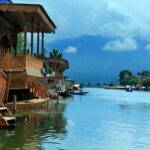
Yes. You get 6 nights of tented accommodation in mountain camps, plus 1 night in Srinagar in a deluxe houseboat or hotel.
What meals are included?
Breakfast, lunch, dinner, tea, and bottled water are included (with stove-cooked vegetarian meals mentioned).
Are horses used to carry gear?
Yes. Offloading by horses is included, and horses carry all gear except your day packs.
Do I need travel insurance?
Travel insurance is not included.
Can I cancel and get a full refund?
You can cancel up to 24 hours in advance for a full refund. If you cancel less than 24 hours before the experience starts, the amount paid is not refunded. If it’s canceled due to poor weather, you’ll be offered a different date or a full refund.