REVIEW · JAIPUR
Jaipur Tour with Monkey Temple and Block Print Experience
Book on Viator →Operated by Jaipur Tour And Travel · Bookable on Viator
Eight hours, a lot of Jaipur.
This tour is a fast-moving way to mix big landmarks with quieter temple and craft time. I like the private AC vehicle with an English-speaking driver, and I like that the day ends with a hands-on block printing experience plus a visit to Galta Ji (Monkey Temple).
One thing to plan for: several major stops list entry tickets as not included, and meals are not part of the price. Budget for entrance fees and decide what you’ll eat on the day.
In This Review
- Key Highlights You’ll Actually Feel
- Why This Jaipur Route Works in One Stretch
- Getting Picked Up and Staying Comfortable on the Ride
- Flower Market: Start With Your Senses
- City Palace and Hawa Mahal: What to Focus On
- Royal Gaitor Tumbas and the Jal Mahal Pass-By
- Panna Meena ka Kund Stepwell: A Small Break That Matters
- Amer in Two Hours: How to Make the Fort Time Count
- Ramgarhmode Block Printing: What You’re Learning, Not Just Watching
- Galta Ji (Monkey Temple): Sacred Springs and Real Wildlife Energy
- Price and Value: What $16.99 Buys You
- What to Budget for During the Day
- Should You Book This Jaipur Tour With Monkey Temple and Block Printing?
- FAQ
- How long is the Jaipur tour?
- Does the tour include hotel or airport pickup and drop-off?
- What transportation do I get during the tour?
- Are meals included in the price?
- Are entrance tickets included for places like City Palace, Hawa Mahal, and the Monkey Temple?
- Is block printing part of this experience?
- Is Galta Ji (Monkey Temple) included?
- Is this tour private for just my group?
- What is the cancellation policy?
Key Highlights You’ll Actually Feel
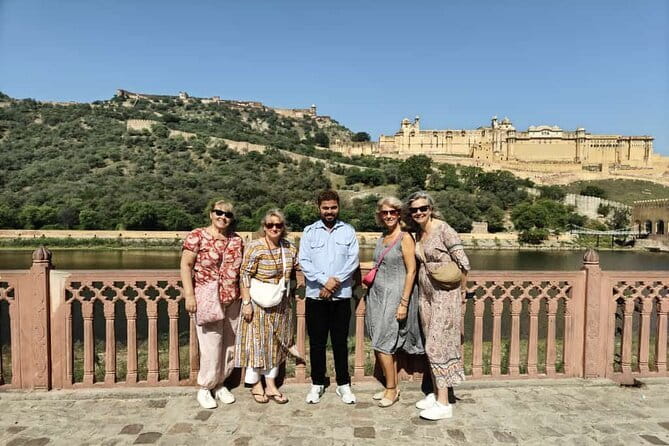
- Private AC ride with an English-speaking driver: comfortable transport plus clear explanations during the route
- Flower Market start: a full sensory intro before you hit the monuments
- Amer with a real on-the-ground visit: enough time to take in the fort area without feeling rushed
- Block printing at Ramgarhmode: a short workshop that turns the craft into something you can picture and remember
- Galta Ji (Monkey Temple): temples in the hills with sacred springs and the famous monkey population
Why This Jaipur Route Works in One Stretch

This is the kind of itinerary that helps you get your bearings fast. You start with everyday Jaipur at the Flower Market, then you step into royal Jaipur at City Palace and Hawa Mahal. After that, you slow down with stepwell and memorial-style stops, and you still end with a practical craft activity and a famous temple visit.
You get variety without needing to coordinate multiple guides or rickety rides across town. It’s also designed around short, efficient time blocks at each place, so you can see more than you would on your own in the same window.
The big value is balance: architecture, local life, a calm water/stepwell moment, and then something tactile at the end.
You can also read our reviews of more tours and experiences in Jaipur.

Getting Picked Up and Staying Comfortable on the Ride
You’re picked up from your hotel or the airport, and you get dropped back after the tour. That alone can save you hours of hassle in Jaipur, especially if you don’t want to negotiate transport right when you arrive.
The tour includes a private AC vehicle plus bottled water. The driving is also a big part of why people like this setup. From the feedback patterns tied to this operator, drivers such as Samir and Naseeb are described as punctual, polite, and calm on the roads—important when you’re bouncing between forts, temples, and city monuments.
If you choose the option with an expert guide, you’ll get stronger on-site guidance. If you don’t, you still travel with an English-speaking driver who can handle a lot of the storytelling and logistics.
Flower Market: Start With Your Senses
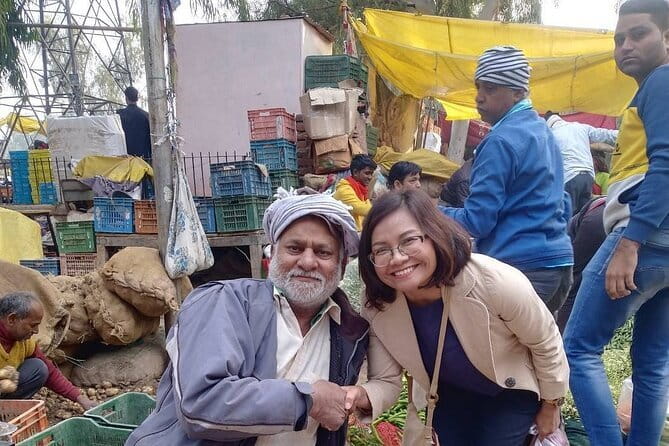
The day opens with the morning Flower Market for about an hour. This is not a “look from the curb” kind of stop. Expect close-up sights and smells, with locals trading and arranging fresh blooms.
Why this works early: it puts you in the city rhythm before you jump into ticketed monuments. It also gives you an easy first stop to orient yourself—where to stand, what direction the crowds move, and how the area feels at street level.
Practical note: since it’s a market, you’ll want to keep your phone secure and move carefully where foot traffic gets tight.
City Palace and Hawa Mahal: What to Focus On
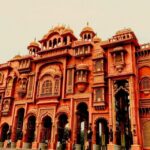
After the market, you head to Jaipur’s City Palace area. You get about an hour here. The highlight is the mix of architectural styles and the sense of how the palace complex functions as both a historic site and a museum-like space.
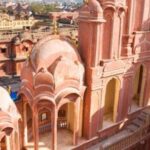
Next is Hawa Mahal—about a half-hour stop for the exterior view and the classic façade. It’s famous for its window design (the honeycomb-like pattern) and the idea that the building was made to give royal figures a way to watch street life. Even if you only have a short time, this is one of those structures where a quick visit still lands well.
One key planning detail: City Palace and Hawa Mahal are listed as admission ticket not included in the stop notes. There may be an option to include entrance fees depending on what you select, but don’t assume both are covered. If you’re counting on one less ticket-buying moment, check before you go.
Royal Gaitor Tumbas and the Jal Mahal Pass-By
Royal Gaitor Tumbas is a 30-minute stop that shifts the mood. Instead of the main palace energy, you’re looking at Maharaja memorial cenotaphs (chhatris) made of marble and stone, set against open surroundings. It’s a good contrast when the day starts stacking up sights.
Then there’s Jal Mahal, the Water Palace. You don’t spend a long time here—think pass-by and a quick look for about 15 minutes. It’s the kind of stop that helps you connect the geography of Jaipur to what you’re seeing in photos. You get the iconic image, but you won’t have time to linger like you would at a full viewpoint.
This pairing is smart because it balances photo-friendly moments with a calmer, more reflective stop.


Panna Meena ka Kund Stepwell: A Small Break That Matters
Panna Meena ka Kund is about a 30-minute stop, and it’s one of the more atmospheric parts of the itinerary. This 16th-century stepwell was originally used as a community gathering place, and that background changes how you experience it.
Instead of seeing a landmark as just another photo spot, you can treat it like a place built for daily social life. The stepwell’s stepped geometry also creates a natural pause in your day—less “run from ticket line to ticket line,” more “stand, look, and let your eyes adjust.”
No surprises on the entry front here: it’s listed as free in the stop notes.
Amer in Two Hours: How to Make the Fort Time Count
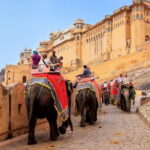
Amer is a 2-hour stop, and it’s a big one. You’re going to a UNESCO World Heritage site (the Amer Fort area), so the structure and layout matter. Two hours is enough to see the main elements without turning the visit into a stamina test.
Here’s how to make the time work:
- Spend the first chunk getting oriented in the fort area so your second chunk is more intentional.
- Don’t try to “tick every corner.” Pick what you care about most—views, courtyards, or the architectural details—and slow down where you’re most interested.
Also, Amer is listed as free in the stop notes. Still, if you’re selecting an option that includes entrance fees, it may affect how tickets are handled elsewhere.
Ramgarhmode Block Printing: What You’re Learning, Not Just Watching
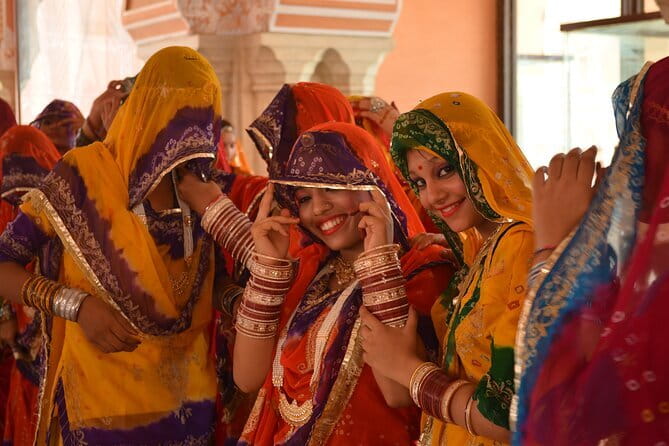
You end with block printing at Ramgarhmode. The workshop portion is about 30 minutes, and it’s the most practical part of the day. You get a demonstration from skilled artisans and a chance to learn about the technique.
Block printing is one of those crafts where the logic is simple, but the results are precise. The block pattern, the ink, and the repeated stamping work together. Even in a short workshop, you can usually understand why the craft takes time and why the prints have that crisp, repeatable design look.
This is also where you can buy with confidence. If you’ve watched the process, you’ll recognize quality cues and avoid getting caught up in generic souvenirs.
Galta Ji (Monkey Temple): Sacred Springs and Real Wildlife Energy
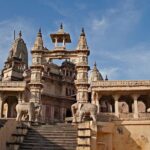
Galta Ji, also known as the Monkey Temple, is about a 1-hour stop. It’s located in the hills near Jaipur and is famous for temples in a natural setting plus sacred springs.
The monkey population is a defining feature, so expect an environment where wildlife is part of the scene. That changes your mindset: you’ll want to keep your belongings secure and stay aware of your space.
In the itinerary notes, the Monkey Temple admission ticket is listed as not included. So, again, plan for entrance fees unless you picked an option that includes them.
Also, because this is a temple visit, think about how you’ll behave: respectful, calm, and prepared for uneven walking in a hillside setting.
Price and Value: What $16.99 Buys You
At $16.99 per person, the value comes from what you don’t have to arrange yourself. You’re getting:
- Hotel or airport pickup and drop-off
- A private AC vehicle
- Bottled water
- Parking, fuel charge, and taxes handled
- Entrance fees possibly covered depending on the option you select
- A driver with English support
Compared to building your own day with separate transport and a guide, the price can feel unusually fair—especially if you’re traveling in a group that can take advantage of the group discount mentioned for the booking.
The main “cost you’ll still control” is simple: meals and ticketed entries at specific stops. If you treat those as part of your day plan, the base price becomes an easy win.
What to Budget for During the Day
Meals are not included. So either eat before you start, plan a simple stop during breaks, or bring a snack you can manage between sights.
Also, multiple stops list admission tickets as not included: City Palace, Hawa Mahal, and Monkey Temple are the big ones. Some other stops are listed as free (like Flower Market, Jal Mahal pass-by, Panna Meena ka Kund, and Amer in the stop notes). That mix means you should budget selectively rather than assume everything is paid for.
Finally, there’s shopping risk in Jaipur. If you know you’ll want to pick up block-printed items, decide your budget early so you don’t end up negotiating with your own wallet on the last stop.
Should You Book This Jaipur Tour With Monkey Temple and Block Printing?
Book it if you want a single guided day that hits the recognizable Jaipur icons and still adds something hands-on. The block printing workshop is the kind of add-on that turns sightseeing into memory. The Monkey Temple stop adds a natural setting and a different pace than palace monuments.
Skip it (or modify your plan) if you hate ticket extras or you prefer long, slow museum time. This itinerary is structured around short visits, so it rewards travelers who like movement and variety more than deep, hour-by-hour wandering.
FAQ
How long is the Jaipur tour?
The total duration is about 8 hours.
Does the tour include hotel or airport pickup and drop-off?
Yes. Hotel or airport pickup and drop are included.
What transportation do I get during the tour?
You’ll ride in a private AC vehicle with an English-speaking driver.
Are meals included in the price?
No. Meals are not included.
Are entrance tickets included for places like City Palace, Hawa Mahal, and the Monkey Temple?
In the stop details, City Palace, Hawa Mahal, and Monkey Temple are marked as admission ticket not included. There’s also an option where entrance fees are included if you select that option, so check what’s chosen during booking.
Is block printing part of this experience?
Yes. You get a block printing workshop/demonstration at Ramgarhmode, with about 30 minutes allocated.
Is Galta Ji (Monkey Temple) included?
Yes. Galta Ji (Monkey Temple) is included with about 1 hour on site.
Is this tour private for just my group?
Yes. It’s a private tour/activity, meaning only your group participates.
What is the cancellation policy?
Free cancellation is available. You can cancel up to 24 hours in advance for a full refund; if you cancel less than 24 hours before the start time, you won’t get a refund.