REVIEW · HIMACHAL PRADESH AND UTTARAKHAND
Nagtibba Trek (Pantwari to Pantwari)
Book on Viator →Operated by Kaushik's Cafe & Trek · Bookable on Viator
Two days, and the mountains feel close. This overnight trek from Pantwari to Nag Tibba is a simple way to get trekking legs without signing up for a long expedition. You hike up through forests and fields, sleep in a tent camp, then head for the summit at dawn for sunrise views when timing works.
I love how much the organizers handle for you: a professional guide, included meals, and tent accommodation with sleeping mats and sleeping bags. I also like the food touches at camp, including hot tea and pakoda on arrival (plus Maggi available if you want something familiar).
The main thing to consider is the early wake-up on summit day. You’ll be getting up around 3:30 am, and that is the sort of detail that makes or breaks the mood.
In This Review
- Key highlights worth caring about
- Nagtibba Trek: why Nag Tibba works so well for a first trek
- Day 1: Pantwari to Nag Tibba camp, with sunset tea and pakoda
- Night in the tent: sleeping mats and sleeping bags included
- Day 2: the 3:30 am summit start (and fruit and biscuits on the way)
- Routes, pacing, and how the guide shapes the experience
- Food on this trek is more than fuel
- Price and logistics: what you pay for, and what you don’t
- What to pack for this kind of overnight trek
- Who this trek is best for (and who should rethink it)
- Should you book the Nagtibba Trek (Pantwari to Pantwari)?
- FAQ
- How long is the Nagtibba Trek (Pantwari to Pantwari)?
- What’s included in the price?
- What’s the meeting point and where does the trek end?
- Is private transportation included?
- What time do we start for the summit?
- What happens if the trek can’t run due to weather?
Key highlights worth caring about
- Beginner-friendly overnight format for your first Himalayan-style trek
- Small group size (max 16 people) with a guide for support and pacing
- Tent camp comfort included with sleeping mats and sleeping bags
- Meals are fully planned with dinner, two lunches, and breakfasts
- Dawn summit schedule with fruit and biscuits on the way up
Nagtibba Trek: why Nag Tibba works so well for a first trek
If you want a Himalayan trek experience but you don’t have a week to spare, Nag Tibba is a smart target. It’s short enough that you won’t spend your whole trip just moving and acclimatizing, yet it still gives you the core trekking storyline: walking through the foothills, settling into a camp, and then pushing for a viewpoint before you start back down.
This one is set up for beginners. You’re not dropped into a do-it-yourself situation. A professional guide accompanies the group, and the trek design is practical: an overnight stay at a tent camp, then a summit attempt early the next morning. That matters because short treks often fall into two traps. Either they feel too rushed to enjoy, or you end up stressed figuring out logistics. This format is meant to stay in the middle.
The value is also in the “less to worry about” factor. You get meals and the basic sleep setup included, and the schedule already has the big moments built in—sunset at camp and sunrise after a summit push. I like that the day feels structured without turning into a rigid drill.
You can also read our reviews of more hiking tours in Himachal Pradesh and Uttarakhand
Day 1: Pantwari to Nag Tibba camp, with sunset tea and pakoda
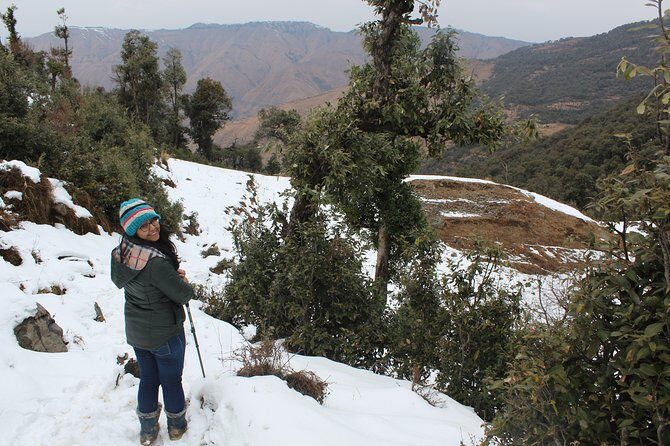
On day one, you start from Pantwari and work your way up to Nag Tibba for an overnight at a tent camp. The hiking portion is the first test of the trip, but it’s designed as a taste, not a punishment. You’ll be moving through forests and fields, which is exactly what you want on a beginner trek: variety in scenery and a route that doesn’t only focus on steep uphill.
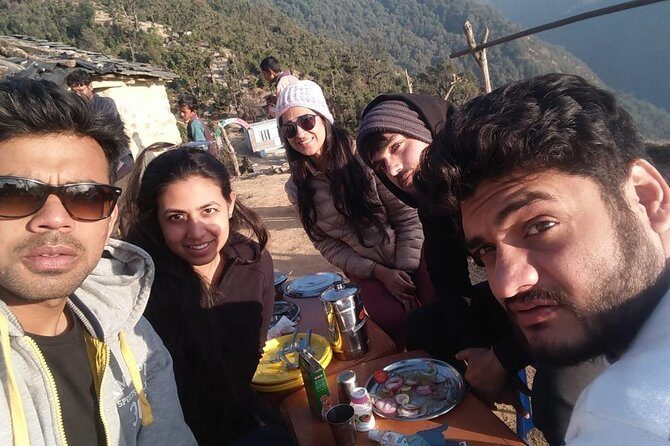
Once you reach camp, the experience shifts from hiking to settling in. You retire to your tents, and the mood turns into that hill-station feeling—especially around sunset. The camp includes hot tea and pakoda on arrival, and if you’re craving something extra-comforting, Maggi is also mentioned as available for a small add-on cost (INR 40). Those details may sound minor, but on a short trek they do a lot. They help you switch off the “I’m cold and tired” brain and start enjoying the place.
One more practical point: since this is an overnight, you’ll want to plan for the reality that the day ends differently than an all-day hike. You’re not just walking and then leaving. You’re staying somewhere basic, and the camp time is part of the deal.
Night in the tent: sleeping mats and sleeping bags included
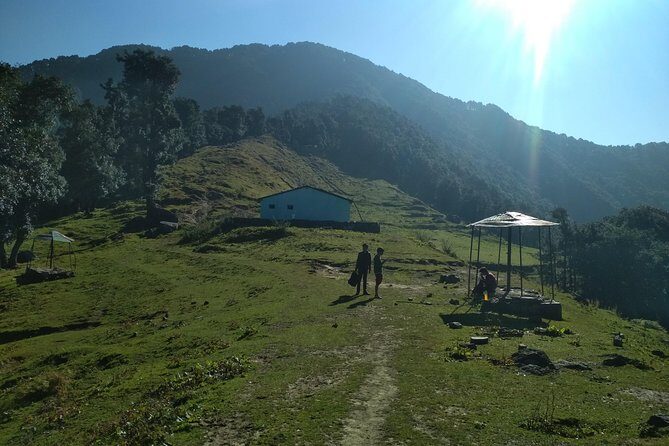
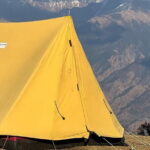
Camping can be either a highlight or a headache, depending on what you pack and what you’re expecting. Here, the package includes overnight tent accommodation along with sleeping mats and sleeping bags. That’s a big plus for first-timers who don’t want to hunt down gear in a hurry.
At night, the temperature can drop, especially since the next day is built around an early summit start. Some groups mention it got chilly, and there is also mention of a fire being built if you want it. That kind of detail matters because you can’t completely control the weather, but you can control how comfortable you feel when you’re waiting for sleep or trying to warm up.
Also, since this is a tent setup, bring an attitude that matches it. You’re not going to get hotel comfort. You are getting a Himalayan camp experience without having to bring everything yourself. For most people, that balance is exactly why the trek is such a good first step.
Day 2: the 3:30 am summit start (and fruit and biscuits on the way)
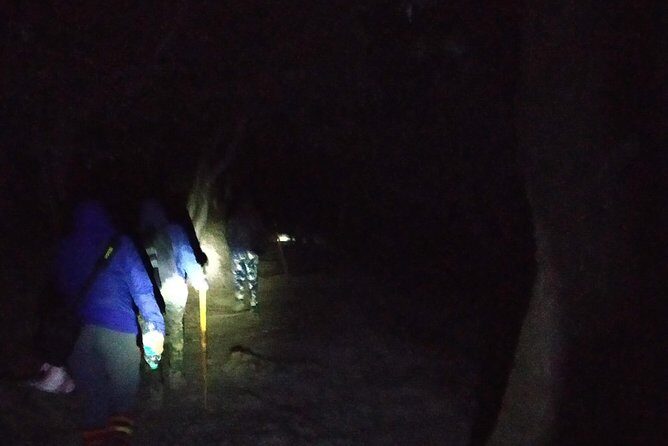
Day two starts early. You’ll wake up around 3:30 am, get ready for the summit, and then begin the climb while it’s still dark. This is the part that catches people who thought they could ease into the morning. If you’re not a morning person, set expectations now, because the whole schedule runs on that start time.
On the way up, you’ll be served fruit and biscuits, which is a practical touch. It’s not a full breakfast spread mid-climb, but it’s enough to keep you going while you shift from sleepy to focused. Then you reach the summit in time for sunrise if you’re on track. At the top, the goal isn’t just standing there—it’s soaking in the view for a bit and relaxing before you begin the descent.
What I like about this schedule is that it gives you a clean reason to go uphill early. The sunrise moment is one of the best payoffs on short treks, because you don’t waste the whole day chasing it. Once the summit time window passes, you’re done with the hardest part and can start winding down on the way back.
Routes, pacing, and how the guide shapes the experience
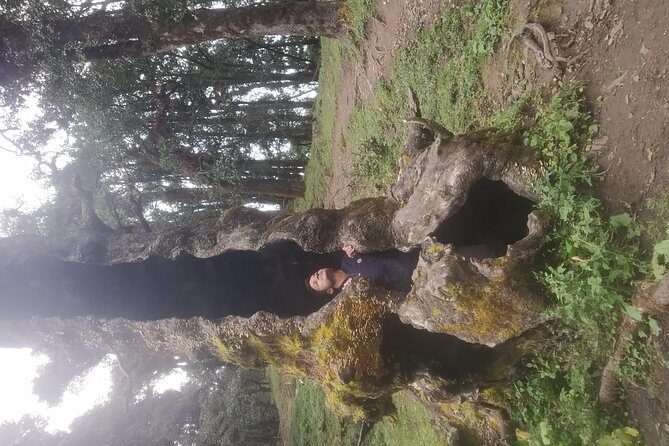
This trek is guide-led, and that makes a real difference on a short itinerary. You’re not guessing routes, and you’re not stuck figuring out what pace to hold. People have specifically praised guides such as Sanjay Bhaiya for being friendly and informative, and there’s also mention of Sardar ji for warm, caring support.
You can also expect route variety. One group notes they used a different path that goes through forests and includes waterfalls and streams. That kind of routing detail can change the feel of the hike. Instead of being a single-track “up, up, up,” you get natural breaks where the scenery and sounds help you keep moving.
Group size is limited—up to 16 people—which typically means you’re not shuffled around in a huge crowd. It’s easier for a guide to keep an eye on the group and manage the pace, especially with an early-morning summit plan.
Food on this trek is more than fuel
Short treks can go two ways with food. Either it’s survival-level, or it becomes a genuine part of the trip. Here, the food seems to land well.
The package includes:
- Dinner on day one
- Lunch (2) across the two days
- Breakfast (2)
On top of that, you get hot tea and pakoda after you arrive at camp, and you have the option for Maggi. That sounds like small comfort items, but they’re the exact kind of thing that makes an overnight trek feel less like hard work and more like a real experience.
If you’re worried about what you’ll eat during a two-day trek, this is the one to feel calmer about. The included meals remove the stress of finding food at inconvenient times, and the extra camp snacks are a nice bonus after a day of hiking.
Price and logistics: what you pay for, and what you don’t
The price is listed at $23.87 per person, which is low for an overnight trek that includes a guide, tents, sleeping bags/mats, and multiple meals. In other words, you’re paying mainly for the organized experience, not for expensive add-ons.
The one thing not included is private transportation. That means you’ll need to handle getting yourself to the meeting point area on your own. The trek also ends back at the meeting point, so plan your return around that.
The meeting point is:
NagTibba Trekking – Kaushik’s Cafe & Trek, Kaushik’s Cafe, and the address is listed as Kaushik’s Cafe & TrekHouse Number 10, P.O, Tehsil, Pantwari, Nainbagh, Uttarakhand 249186, India. The operator hours are shown as 9:00 AM to 5:00 PM.
There’s also a mobile ticket, and you should receive confirmation at booking time. It’s a simple setup, which is good. When trekking starts, you want everything to be boringly predictable.
What to pack for this kind of overnight trek
Because the trek includes sleeping mats and sleeping bags, you can travel lighter than you would for DIY camping. But you still need to be ready for the early start and night-time chill.
From the way the schedule works, here’s what you should focus on:
- Warm layers for the summit morning (it’s around 3:30 am)
- A comfortable hiking outfit for the uphill and downhill
- Footwear with decent grip for forest and field paths
- A small snack/water strategy if you like having your own backup (even though fruit/biscuits are provided on the way up)
If you’re the type who hates feeling cold, also remember that a fire may be built if you want one. That helps, but you shouldn’t count on it to replace proper cold-weather clothing.
Who this trek is best for (and who should rethink it)
This is a beginner-friendly overnight trek. It makes sense if:
- You want your first taste of Himalayan trekking
- You prefer a guided plan over self-navigation
- You’d rather have meals and sleep gear handled
- You like scenic payoff moments like sunset at camp and sunrise at the summit
It may feel tight if:
- You strongly dislike early mornings
- You’re looking for a long, strenuous trek experience with many days of walking
- You don’t want the basic reality of tent sleeping
The short format is the point. You’ll get the highlights, but you won’t get the slow, multi-day rhythm of a longer route.
Should you book the Nagtibba Trek (Pantwari to Pantwari)?
Book it if you want a straightforward, organized overnight trek that gives you real mountains-and-summit moments without a big time commitment. The included package features—guide support, tent accommodation with sleeping mats and sleeping bags, and full meal coverage—make it good value. The camp extras (hot tea, pakoda, and even Maggi) also make the experience feel more human than just “walk and sleep.”
Think twice if 3:30 am wake-ups sound miserable to you. Also, because the trek depends on good weather, you’ll want flexibility in your plans. If conditions are poor, you may be offered a different date or a refund.
If you match the vibe—short trek, early summit, tent camp comfort without fuss—this is a solid choice.
FAQ
How long is the Nagtibba Trek (Pantwari to Pantwari)?
The trek is listed as about 2 days (overnight).
What’s included in the price?
Meals are included (dinner, lunch twice, and breakfast twice), along with overnight tent accommodation with sleeping mats and sleeping bags. A professional guide accompanies you. A mobile ticket is provided.
What’s the meeting point and where does the trek end?
You meet at NagTibba Trekking – Kaushik’s Cafe & Trek in Pantwari, and the activity ends back at the same meeting point.
Is private transportation included?
No, private transportation is not included.
What time do we start for the summit?
You wake up at about 3:30 am on day two to get ready for the summit attempt.
What happens if the trek can’t run due to weather?
The experience requires good weather. If it’s canceled due to poor weather, you’ll be offered a different date or a full refund.