REVIEW · JAIPUR
Jaipur Sightseeing by Tuk-Tuk: Temples, Palaces & Markets
Book on GetYourGuide →Operated by Jaipur Pinkcity Tours · Bookable on GetYourGuide
Pink City views arrive fast.
This Jaipur day tour is a fun way to move between landmarks without wrestling with schedules, because it runs on a tuk-tuk loop with hotel pickup. I love how it stacks big-photo stops like Amer Fort and Hawa Mahal, then adds the science side of Jaipur at Jantar Mantar. I also like the clear guided structure, with a professional guide available in many languages. One thing to plan for: entrance and camera fees are not included, and you’ll need to handle lunch on your own.
You get several start options (8:00, 8:30, 9:00, 9:30, or 10:00), then a full 8 hours of sightseeing that feels like a best-of hits reel—temples, palaces, and markets in one day. It’s not slow travel, so you’ll spend less time chasing logistics and more time looking up at carvings, windows, and fortress walls.
On recent departures, guides named Rajendra and Mustaq have helped Spanish- and English-speakers understand the sites well, and Amzad Ali has shared strong English and Italian explanations. Drivers like Shakeer have also been noted for being considerate and helping you see what you care about—so if you tell your guide your priorities early, the day has room to fit your style.
In This Review
- Key Things That Make This Jaipur Tuk-Tuk Tour Worth Your Time
- A Pink City Tuk-Tuk Day: How the 8 Hours Moves
- Hotel Pickup, Skip-the-Line, and What You’re Really Paying For
- Amer Fort and the Fortress-View Factor
- Hawa Mahal Windows: Seeing Without Being Seen
- Panna Meena ka Kund: A Quick Heritage Pause
- Jal Mahal on Man Sagar Lake: The Photo Break You’ll Actually Want
- City Palace and the Mix-and-Match Styles of Power
- Jantar Mantar: When Jaipur Measures the Sky
- Lunch Time and Market Time: How to Handle Food and Shopping
- Cultural Extras and Craft Stops Without the Pressure
- Practical Jaipur Tips for a Tuk-Tuk Route
- Who This Tour Suits Best (And Who Might Want Something Different)
- Should You Book Jaipur Sightseeing by Tuk-Tuk?
- FAQ
- What is the duration of this Jaipur tuk-tuk sightseeing tour?
- Where does the tour take place?
- How much does the tour cost?
- What time does the tour start?
- Is hotel pickup and drop-off included?
- Is there a live guide, and what languages are available?
- Are entrance fees and camera fees included?
- Are meals included in the price?
- Is bottled water provided?
- What do I need to bring for the tour?
- Is free cancellation available?
Key Things That Make This Jaipur Tuk-Tuk Tour Worth Your Time
- Hotel-to-hotel convenience with pickup and drop-off so you’re not doing pre-planning all morning
- Icon stops in a smart order, including Amer Fort, Hawa Mahal, and Jal Mahal around the best viewing windows
- Jantar Mantar for the curious, where huge stone instruments connect daily time to the sky
- Markets built into the route, with a chance to browse silver jewelry, gem stones, blue pottery, and handicrafts
- Guides in many languages, with examples including Rajendra (Spanish) and Mustaq (English)
- Guided, timed sightseeing blocks so you don’t lose the day to long waits
A Pink City Tuk-Tuk Day: How the 8 Hours Moves
Jaipur works best when you don’t try to “win” the city by doing everything. This tour takes a smarter approach: it bundles the major highlights into one day and uses short guided blocks so you always know what you’re looking at next.
The route is basically three themes. First, royal power and architecture (Amer Fort, Hawa Mahal, City Palace). Second, a visual break with Jal Mahal and its lake setting. Third, a brainy stop at Jantar Mantar, followed by time for markets.
And the tuk-tuk itself matters. In the heat and traffic, it’s a practical way to get from point to point without turning the day into a transport project. You still walk at the landmarks, but you’ll spend less time figuring out how to get there.
You can also read our reviews of more tours and experiences in Jaipur.



Hotel Pickup, Skip-the-Line, and What You’re Really Paying For
The headline price is $9 per person for an 8-hour day, and that’s the big value hook. What makes it feel like more than a cheap add-on is what’s included: pickup and drop-off by tuk-tuk, fuel/parking/tolls, GST, bottled water, and a professional live tour guide (in multiple languages if that option is chosen).
At the same time, you should budget for what’s not included. Entrance and camera fees are separate, and meals are not provided. So the best way to look at this deal is simple: you’re paying for transportation, guiding, and structure, while you handle site tickets and your lunch.
Also, the tour advertises skip-the-ticket-line. In a city like Jaipur, that can save meaningful time at the busiest places. Even if you still have security checks, “less waiting” usually means more actual seeing.
Amer Fort and the Fortress-View Factor
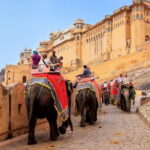
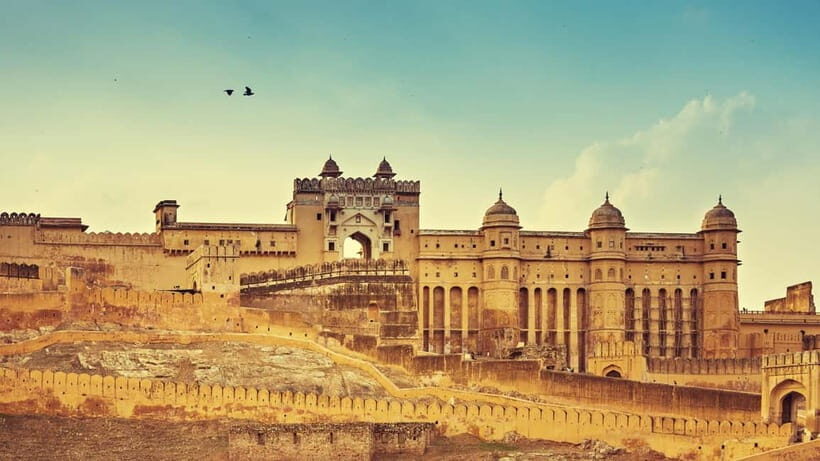
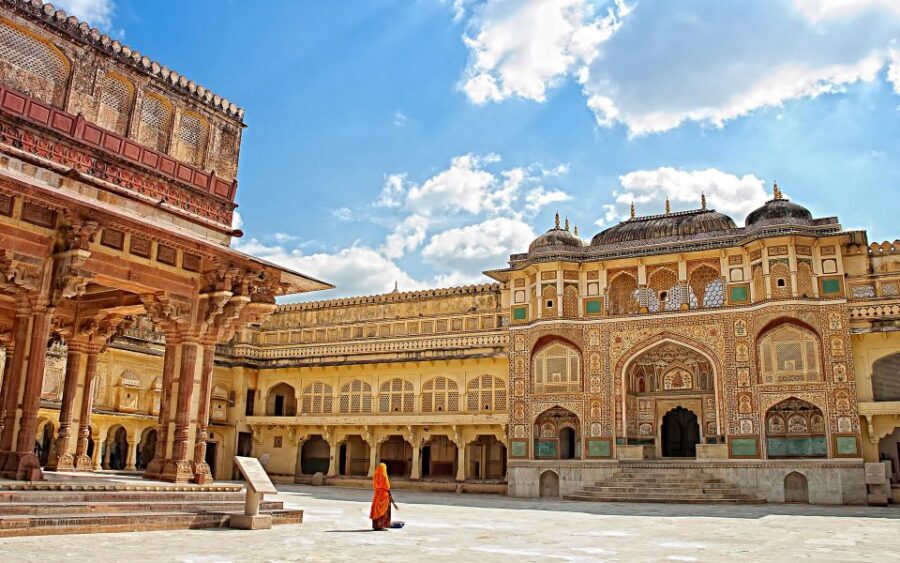
Amer Fort is the anchor of the morning, and it earns that position. You’re going to a UNESCO World Heritage site with a mix of Rajput and Mughal influences, built in the 16th century by Raja Man Singh I. Expect carved details, courtyards, and ornate palace-like areas that make the whole complex feel layered rather than one big wall.
What I like about this stop is how it sets your eye. After Amer Fort, the rest of the city’s architecture starts making more sense. You’ll notice how Jaipur’s rulers used materials, symmetry, and dramatic viewpoints to project authority—and how later buildings echo those ideas.
Practical note: plan for walking inside a fort setting and time for photos. If you’re sensitive to heat, bring water seriously and pace yourself once you’re inside. That’s where your bottled water becomes a real helper rather than just a label on a bottle.
Hawa Mahal Windows: Seeing Without Being Seen
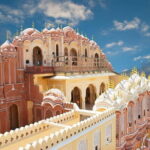
Next comes Hawa Mahal, the Palace of Winds, famous for its pink sandstone façade and its 953 windows. The design was meant for royal women to watch street processions while staying unseen. That sounds old-fashioned—until you stand in front of it and realize the building is basically an observation tool made out of architecture.
Your guided block here is short (about 30 minutes), so you’ll want to be ready with two things: where you want your photos from, and what details you want to focus on. The latticework details are the star. If you like architecture, this is where you’ll slow down a bit.
One downside to short stops is that you can’t linger forever. If you’re the type who wants to sketch, read every plaque, or photograph every angle, you may want to tell the guide at pickup so they can help you prioritize.
Panna Meena ka Kund: A Quick Heritage Pause
After Hawa Mahal, you’ll stop at Panna Meena ka Kund for a guided visit and sightseeing (about 30 minutes). This is the kind of stop that works as a reset: you move away from the big façade and back into something more intimate and historic in scale.
Since your time here is limited, treat it like a photo-and-context stop. Look around, get the main sightline the guide points out, and use the guide’s explanation to understand what you’re seeing without trying to turn it into a half-day mission.





Jal Mahal on Man Sagar Lake: The Photo Break You’ll Actually Want
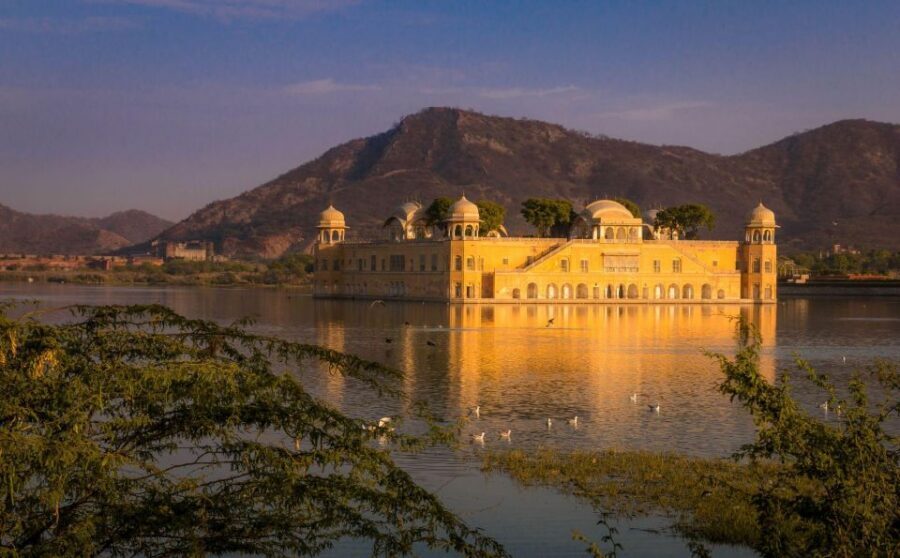
Then comes Jal Mahal, the palace floating on the tranquil waters of Man Sagar Lake. It was built in the 18th century by Maharaja Madho Singh I, and it’s framed by the Aravalli hills in the distance. Even in a schedule like this, it’s the kind of place that makes you look up and exhale for a second.
This stop also earns its place because it changes the visual mood. Morning is forts and façades; Jal Mahal is reflections and calm. You’ll usually get better feeling photos here than you will in cramped market lanes.
Your time block is about 30 minutes, so don’t plan on lounging for an hour. But you’ll get enough time for the classic view and a few different angles, especially if you’re mindful about where the light is hitting.
City Palace and the Mix-and-Match Styles of Power
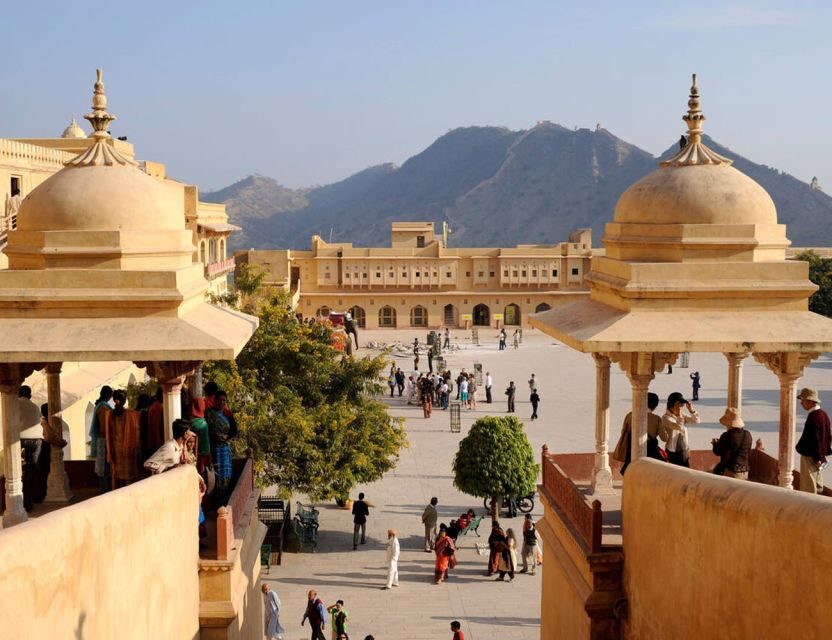
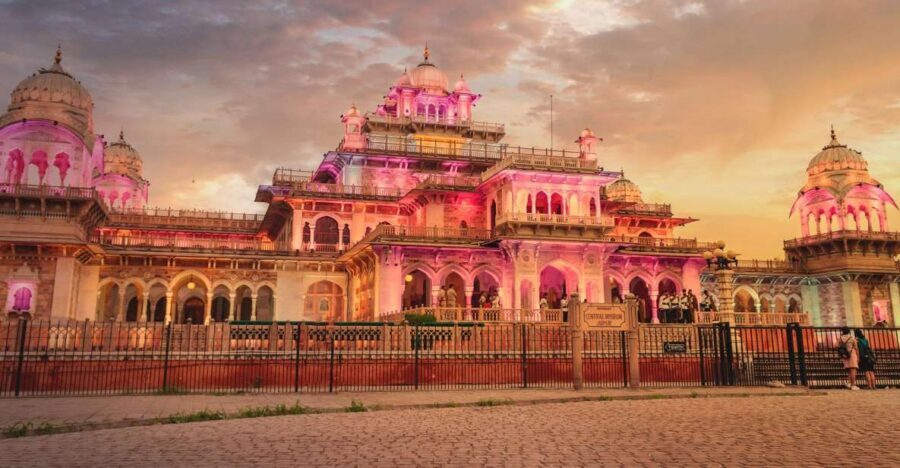
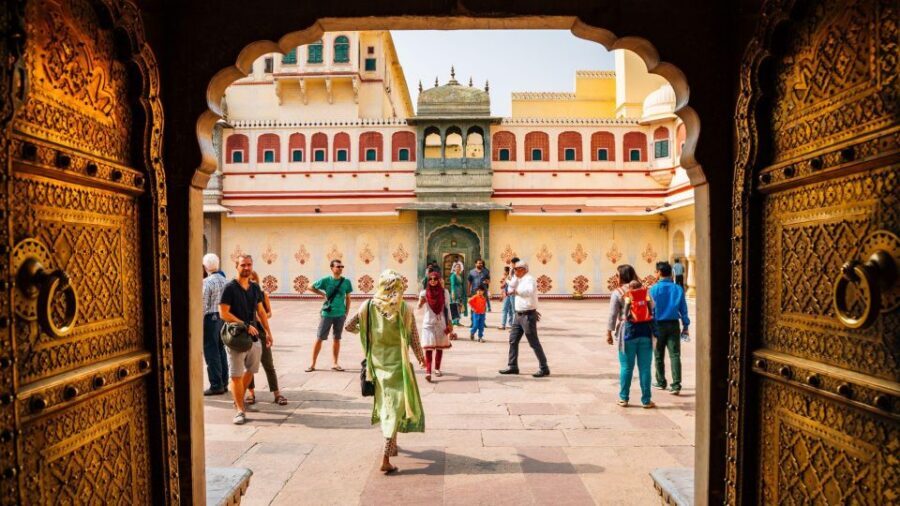
City Palace is the big palace complex in the route, and it’s not just one style. You’ll see a blend of Rajput, Mughal, and European architectural influences in the courtyards and halls. You’ll also walk through opulent halls and intricately decorated chambers, which is where Jaipur’s royal story becomes tangible.
This stop is about an hour with a guided tour, and that duration is about right. City Palace isn’t a single façade you photograph and walk away from. It’s a place where the details matter, so giving it time keeps it from feeling like a checklist.
If you’re choosing what to focus on, pick one lane. You can either go heavy on decorative elements and hall details, or you can focus on how the layout reads as a royal “world” rather than just a set of rooms. Your guide can help you choose.
Jantar Mantar: When Jaipur Measures the Sky
After City Palace, you hit Jantar Mantar, an astronomical observatory built by Maharaja Sawai Jai Singh II in the 18th century. This UNESCO World Heritage site uses massive stone instruments to measure time, track celestial movements, and even predict eclipses with precision.
This is the stop that often surprises people. If you expected only palaces and forts, Jantar Mantar changes the angle. It connects Jaipur’s rulers to science and observation, showing how architecture wasn’t just decorative—it was functional.
Your sightseeing time is about an hour. That’s enough to grasp the purpose and see a few key instruments without rushing. If you like facts, ask your guide how the instruments were used in plain terms. A good guide makes it click fast, and you’ll leave thinking about the sky in a different way.
Lunch Time and Market Time: How to Handle Food and Shopping
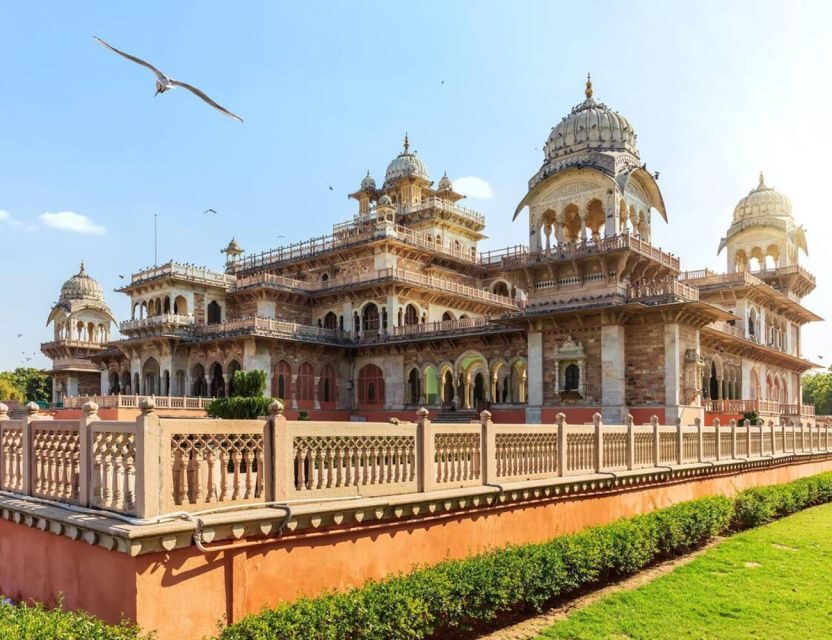
The day includes lunch time (about 1 hour) and then shopping time (about 1 hour). Meals are not included, so treat the lunch window as your chance to pick something local without turning it into a restaurant search.
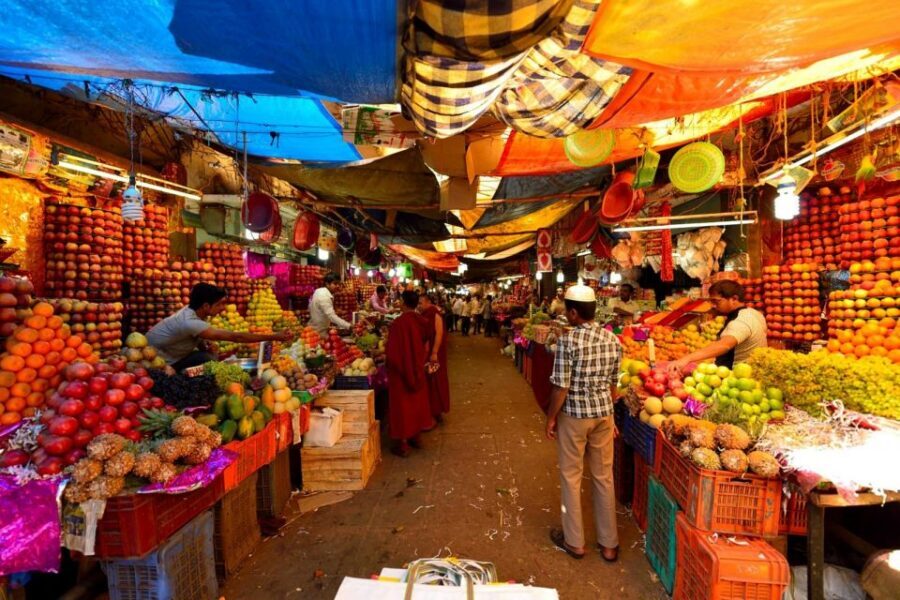
For shopping, the markets along the way are where Jaipur flexes. You’ll have time for browsing goods like silver jewelry, gem stones, blue pottery, and handicrafts. You can also expect displays of textiles, bangles, and block printing styles.
Here’s the practical advice: go in with a budget and a short list. You’ll have enough time to browse, but not enough time to compare prices across the whole city like a full-on shopping trip. If you see something you love, ask what it’s made of and what the piece is called, then decide.
You might also spot street food options and masala chai during the market portion. That’s your window to taste Jaipur flavors without committing to a sit-down meal. Just keep an eye on hygiene and don’t overpack your stomach for the afternoon walking.
Cultural Extras and Craft Stops Without the Pressure
The tour description also hints at cultural add-ons, like traditional folk dance performances or hands-on workshops for crafts such as block printing or pottery. It may also include a visit to a local haveli or heritage mansion with frescoes and mirror work.
In practice, whether you get these extras can depend on timing and how your guide manages the day. One of the best signs here is flexibility. When guides adapt, you can get a deeper sense of how artisans work rather than only reading about it later.
Also, there’s a strong signal from real guide styles. In recent experience, guides like Shakeer have been described as bringing people to local craft workshops or showrooms with no hard sell—more about seeing how professionals work than pressuring you to buy on the spot.
That matters. Jaipur is full of shopping. If your goal is to see the craft side, choose what you can handle without feeling trapped in a sales pitch.
Practical Jaipur Tips for a Tuk-Tuk Route
This day is mostly sightseeing with a few short stops, so your comfort affects the quality of your day more than you might think.
- Bring ID (passport or an ID card is required).
- Wear comfortable shoes. Forts and palace interiors mean walking on uneven surfaces.
- Plan for the sun. You’ll be outdoors between stops, especially around Amer Fort and Hawa Mahal.
- Bring patience for photo timing. Some of the views are best from specific angles.
- Ask early what you care about. If you’re into buildings, ask the guide to explain details and point out key design choices. If you’re into crafts, ask if there’s time to see them professionally.
One more tip: since camera fees aren’t included, decide if you’re bringing a camera you’ll actually use. A quick heads-up at the first site can help you avoid surprise charges.
Who This Tour Suits Best (And Who Might Want Something Different)
This tour is a strong fit if you want a guided, structured day through Jaipur’s top sights, without spending time figuring out transport. It’s also a good match for travelers who like architecture and want context, not just photos.
It’s especially suitable for:
- First-time visitors who want the essentials in one loop
- People who prefer a guide to explain why buildings look the way they do
- Travelers who want hotel pickup and drop-off to reduce stress
It may be less ideal if:
- You want a slow pace with long stays in museums or markets
- You already planned separate tickets and meals and don’t want that scheduling layer
- You dislike tight time blocks for major monuments
Should You Book Jaipur Sightseeing by Tuk-Tuk?
If you’re looking for value, structure, and a well-paced sampler of Jaipur’s most famous sites, I think this is a solid booking. The combination of tuk-tuk pickup/drop-off, bottled water, guided context across major landmarks, and the inclusion of Jantar Mantar makes it feel like more than just a drive-by day.
Book it if you want an easy plan and you like the idea of matching your interests to your guide. Before you go, decide what you care about most—forts and architecture, palace interiors, or the markets—and tell your guide at pickup so the day works for you.
Don’t book it if you’re trying to avoid any extra site fees or you’re hoping meals and entrances are fully covered. In Jaipur, those costs add up fast, so doing your homework helps you enjoy the day without math stress.
FAQ
What is the duration of this Jaipur tuk-tuk sightseeing tour?
The tour lasts about 8 hours.
Where does the tour take place?
It takes place in Jaipur, Rajasthan, India.
How much does the tour cost?
It costs $9 per person.
What time does the tour start?
Pickup starts at 8:00 am, 8:30, 9:00, 9:30, or 10:00, depending on the option you choose.
Is hotel pickup and drop-off included?
Yes. Pickup and drop-off by tuk-tuk are included.
Is there a live guide, and what languages are available?
Yes, there is a live tour guide. Languages listed include English, Italian, Japanese, Spanish, French, Hindi, German, and Russian.
Are entrance fees and camera fees included?
No. Entrance fees and camera fees are not included.
Are meals included in the price?
No. Lunch time is included in the schedule, but meals are not included.
Is bottled water provided?
Yes, bottled water is included.
What do I need to bring for the tour?
Bring your passport or an ID card.
Is free cancellation available?
Yes. You can cancel up to 24 hours in advance for a full refund.