REVIEW · JAIPUR
Jaipur: Private Tour for Instagram and Photography Lovers
Book on GetYourGuide →Operated by Rajasthan Tour Driver · Bookable on GetYourGuide
Jaipur can look like it was designed for a camera. This private, photo-first day focuses on the big landmarks and the small angles that make your feed look intentional, not accidental.
I like the one-day flow: you jump from spot to spot with a professional driver, then spend short, productive chunks at each location for photos and quick context. I also like the photo help—your English-speaking guide takes care of timing, guidance, and picture-taking so you’re not constantly asking strangers or missing the best light.
One thing to think about: you’ll do moderate walking and there are steps at several stops. If you have back issues or mobility limits, this route may feel like work rather than fun.
In This Review
- Key highlights I’d plan around
- A photo-first Jaipur loop built for real time
- Pickup, private A/C driving, and staying on schedule
- Patrika Gate: corridors for sunrise-style compositions
- Hawa Mahal and Jantar Mantar: icon facades and science shots
- City Palace and Gaitor Ki Chhatriyan: royal walls and carved stone
- Jal Mahal and Panna Meena ka Kund: lakeside angles and stepwell geometry
- Amber Fort: where your photos get the “wow” factor
- Lunch, then a traditional village craft workshop
- Pink City streets: final frames and colorful bazaars
- Price and value: what $14 really covers
- Best fit: who this Jaipur photography day suits
- The small details that make or break the day
- Should you book this Jaipur photography tour?
- FAQ
- How long is the Jaipur private photography tour?
- Where can I get picked up and dropped off?
- Is this tour private?
- What languages are offered?
- What’s included in the price?
- What is not included?
- Is it wheelchair accessible?
Key highlights I’d plan around
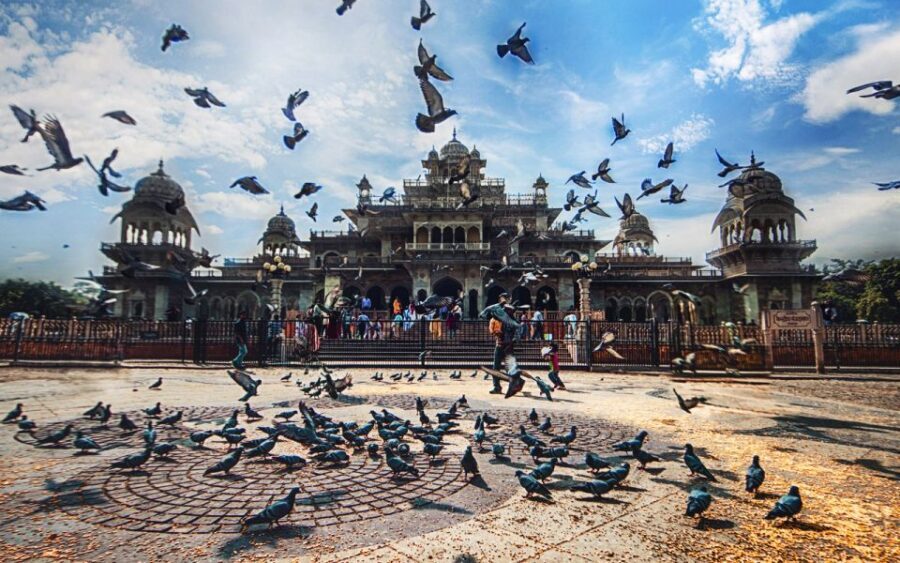
- Photo stop pacing: short, efficient visits so you get shots without losing the day to traffic
- Iconic Jaipur on your route: Hawa Mahal, Jantar Mantar, City Palace, Amber Fort, and the Pink City bazaars
- A/C private vehicle with a careful, professional driver to keep the day comfortable
- Guides who know the angles: guides like Ashwani, Gaurav, Saqlain Gaffar, Farman, Akram, and Ashwin have a strong track record of making stops meaningful and photo-friendly
- Time for craft and shopping at a traditional village market with a short workshop
- Lunch is included as a stop, but monument fees and entrance tickets are extra
A photo-first Jaipur loop built for real time
This is the kind of day that makes sense in Jaipur. Instead of trying to win the city by sheer willpower, you follow a tight route that hits the most photographed architecture and then adds a few geometry-and-texture stops that reward you for slowing down.
The tour leans hard into what Jaipur does best: symmetrical arches, carved stone details, and those color-soaked streets around the Pink City. If your goal is Instagram photos, you’ll like that the schedule is designed to keep you looking forward—not bouncing around randomly and hoping you stumble into a perfect frame.
You also get quick explanations at major stops, which helps you photograph with purpose. A picture of Hawa Mahal feels different once you know why it’s shaped the way it is.
You can also read our reviews of more private tours in Jaipur
Pickup, private A/C driving, and staying on schedule
You start with pickup from either Jaipur or Kukas, and you end with drop-off at one of those locations. The private car setup is practical: a 4-seater sedan for 1–2 people, a 6-seater SUV for 3–5 people, and a 12-seater minivan for 5–10. That matters because Jaipur’s traffic can turn a relaxed sightseeing day into a waiting game.
The tour includes fuel and parking, so you’re not stopping to figure out logistics mid-route. You also skip the ticket line where that applies, which helps protect your time for the photo stops that actually take minutes, not half-days.
From the past trip reports, the driving experience is a major part of the satisfaction. People have praised drivers like Imran for keeping routes easy and helping avoid traffic, and Sameer, Hasan, Nadeem, and Kudrt for careful driving and a smooth pace.
Patrika Gate: corridors for sunrise-style compositions
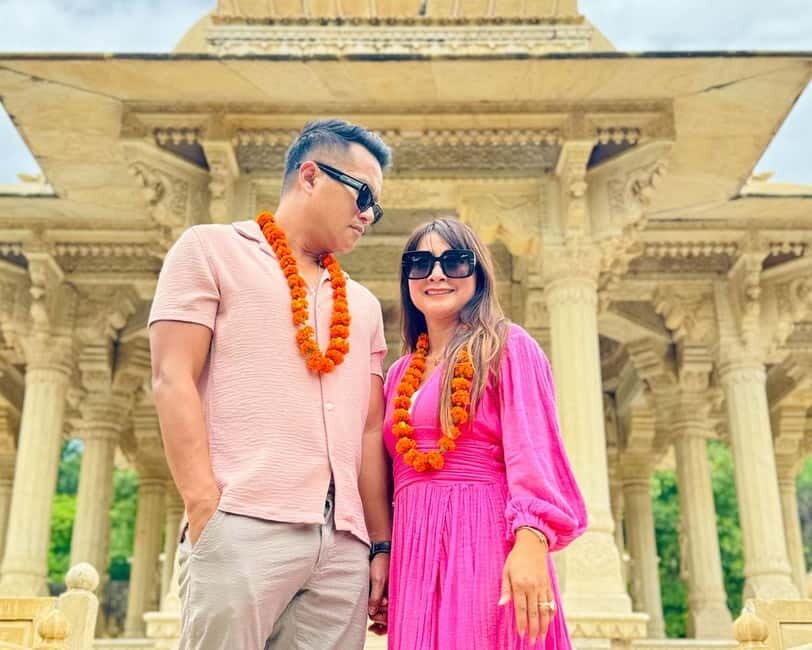
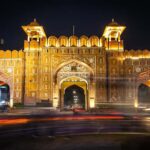
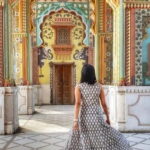
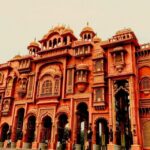
Your day opens at Patrika Gate, and it’s a strong first move. This place gives you colorful corridors and strong shapes that photograph well from multiple angles—wide shots that show the whole structure, plus closer frames where the patterns do the work.
You get a photo stop plus a short visit and guided time. The 30 minutes is long enough to get a few series of shots without turning it into a long museum crawl. It’s also a great spot to test your settings before you move to more detailed buildings later.
Practical tip: bring a lens or phone mode that handles mixed light. The gate has both bright areas and shadowed sections, so your camera will want a quick adjustment once you start moving inside the corridor.
Hawa Mahal and Jantar Mantar: icon facades and science shots
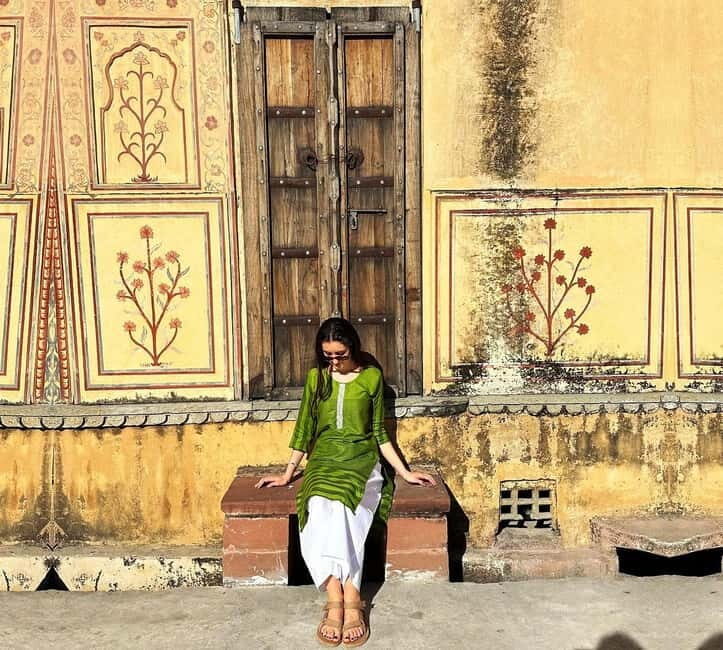
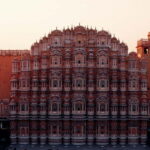
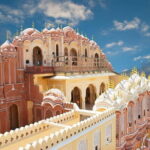
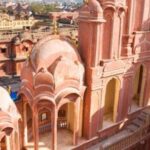
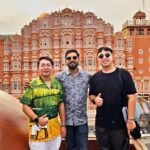
Next comes Hawa Mahal, the Palace of Winds. It’s one of those Jaipur landmarks that looks amazing even when you don’t know the first thing about it. But the tour helps you frame it better by showing what you’re looking at and where the best photo angles usually land.
You’ll have about 30 minutes for a photo stop and sightseeing here. That’s usually enough to capture the classic exterior views and a few close-ups that show the window pattern.
Then you shift to Jantar Mantar, a UNESCO World Heritage site and an observatory with 19 instruments, including the world’s largest stone sundial. This is a different kind of photography challenge: instead of coloring your frame, you’re using lines, scale, shadows, and the geometry of instruments.
You get a photo stop and a guided visit (about 30 minutes). If you love architecture photography, this is where your images start to look more varied. It also helps to have someone point out what each instrument is for, so your shots aren’t just pretty—they’re meaningful.
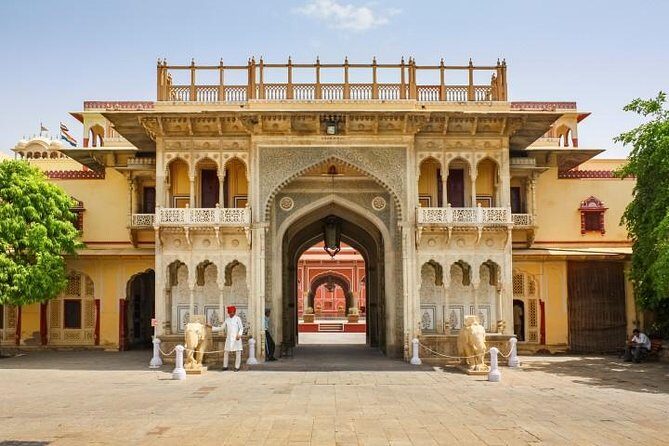
City Palace and Gaitor Ki Chhatriyan: royal walls and carved stone
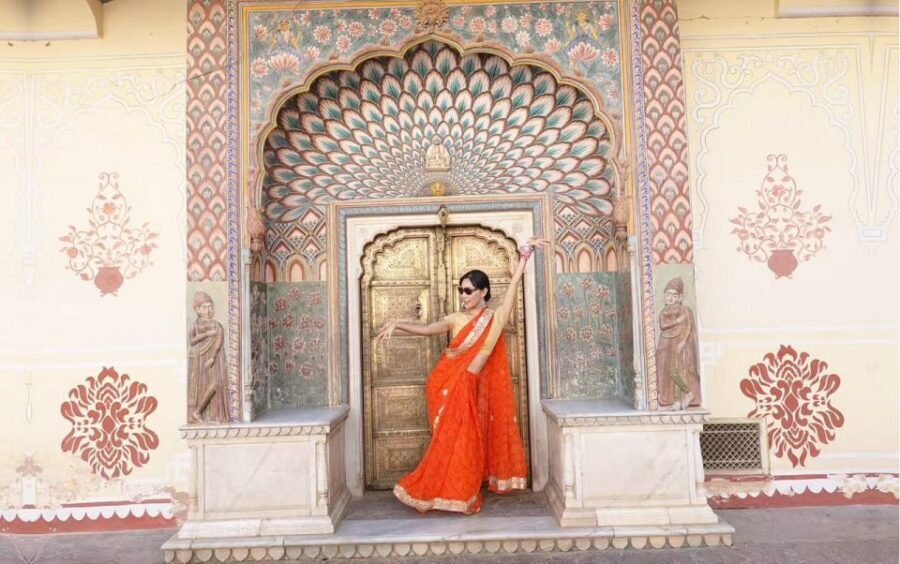
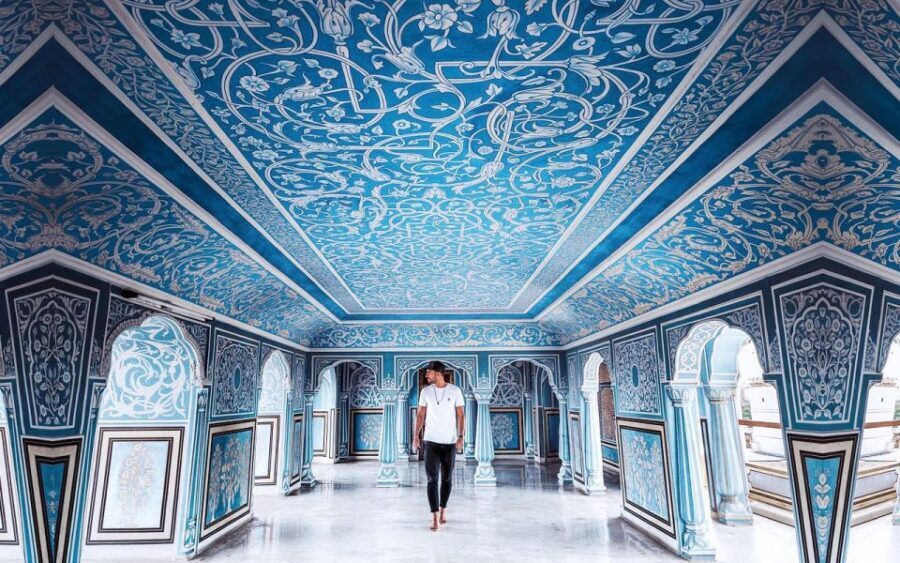
City Palace is the next big anchor. You’ll spend about 1.5 hours here, with photo time, guided context, and sightseeing. What you’re really photographing is contrast: grand rooms and those recognizable blue walls tied to Chandra Mahal.
City Palace is also a good place to slow down. This is where you can take fewer pictures, but make them stronger—doorways, patterns, and corridors where the light hits in a controlled way. If you’ve been shooting all morning, this stop helps your photos stop feeling repetitive.
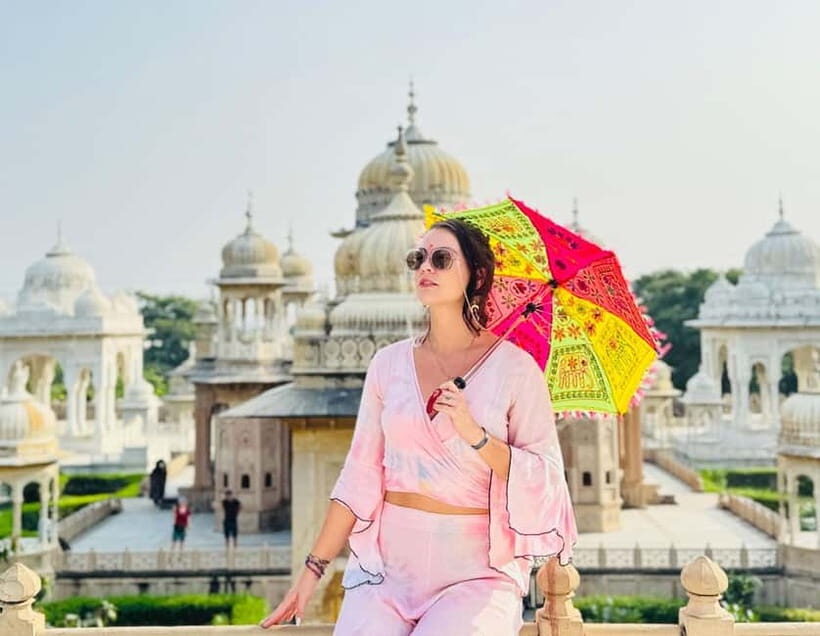
After that, you head to Gaitor Ki Chhatriyan (Royal Gaitor Tumbas). It’s a royal crematory site known for intricately carved stone monuments. The 30-minute walk and visit is short, but the stone details give you a lot to work with if you like texture photography.
One consideration: stone monuments tend to reward steady pacing. If you try to sprint for shots, you’ll miss the carving details that make these frames worth posting.
You can also read our reviews of more photography tours in Jaipur
Jal Mahal and Panna Meena ka Kund: lakeside angles and stepwell geometry
Then the tour makes room for two very different photo moods.
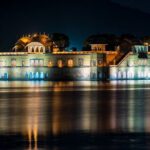
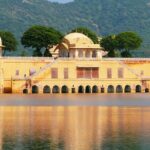
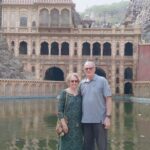
First is Jal Mahal, the Water Palace in the middle of Man Sagar Lake. The stop is brief—about 15 minutes—but it’s timed well for quick, scenic photos. You’re capturing reflections and that “how is this palace in the middle of water?” feeling that people associate with Jaipur.
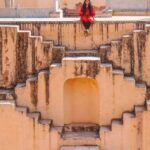
Next is Panna Meena ka Kund, a historic stepwell with geometric staircases. You get around 30 minutes here for photos and sightseeing. Stepwells are made for camera work: repeating lines, shadowed stair segments, and the way visitors move through space.
Practical tip: for stepwell shots, choose a spot that lets you capture symmetry. Even if you’re shooting with a phone, the geometry is what gives your image structure. If you move every 10 seconds, you may lose the clean perspective.
Amber Fort: where your photos get the “wow” factor
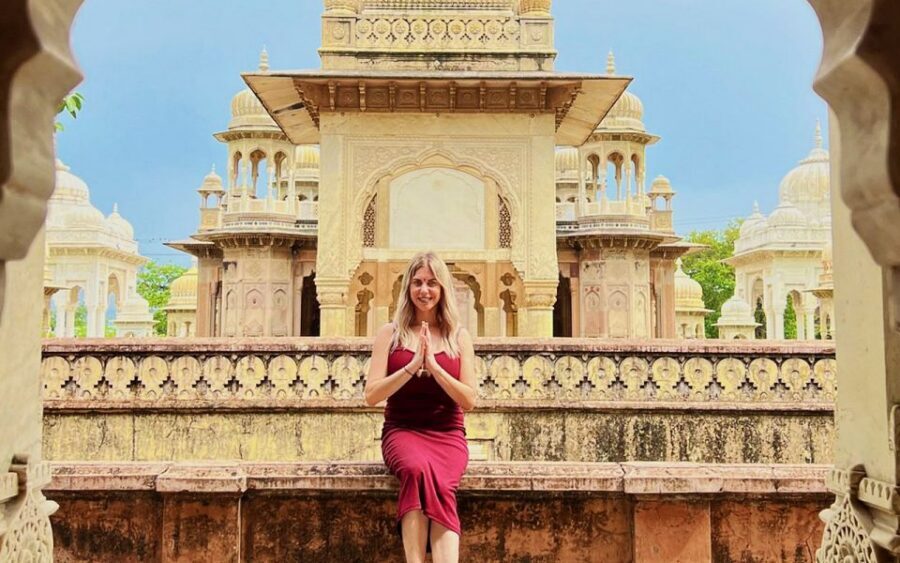
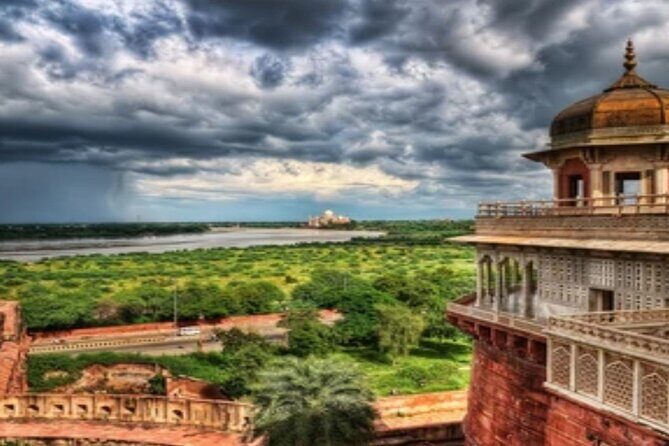
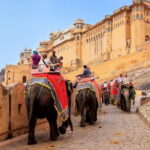
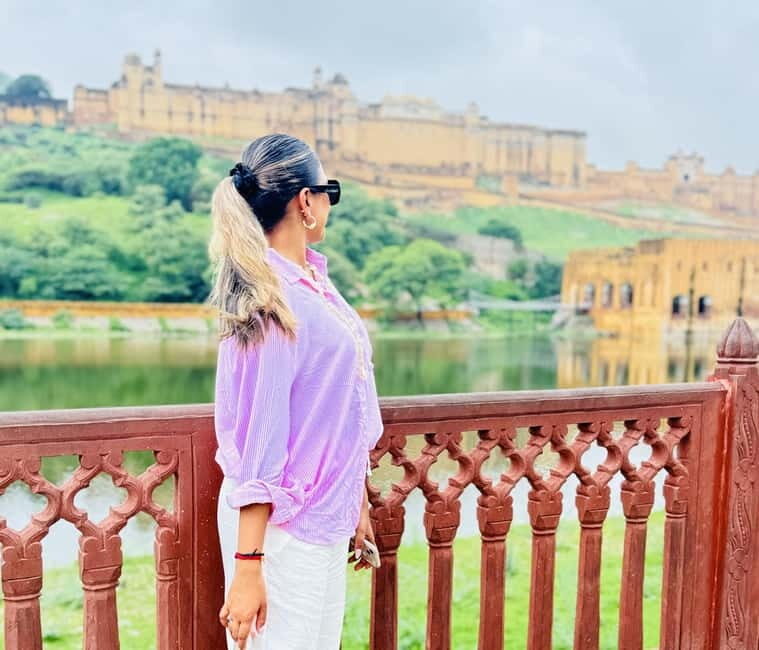
No Jaipur photo day feels complete without Amber Fort. You’ll have about 1.5 hours for photo stops, visits, and guided time.
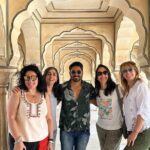
Amber Fort’s setting and scale turn it into the kind of place where you want both wide angles and detailed shots. The ornate gates and courtyards are perfect for framing—look for moments where arches repeat and where you can include the fort’s mass in the background.
The main drawback here is physical. Forts mean steps and uneven surfaces. The tour includes moderate walking, and Amber Fort is one of the stops most likely to make that feel real, especially if you’re not used to climbing slowly.
If you have any hesitation about back strain, plan to take it easy here and rely on your shoes. The best photos at Amber Fort still happen when you stop and watch the light, not when you rush.
Lunch, then a traditional village craft workshop
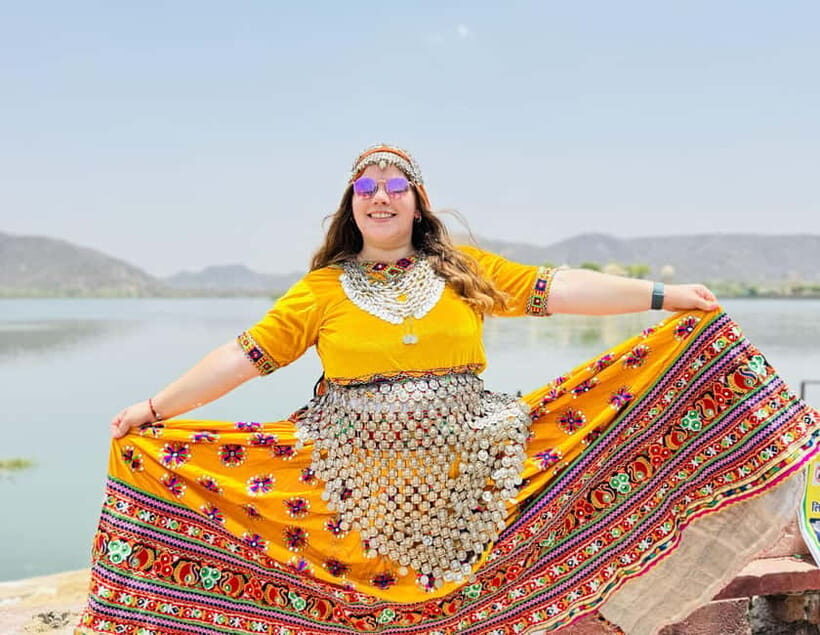
You’ll take a lunch stop at a local restaurant. Lunch isn’t just food on this tour—it’s a time buffer so you don’t burn out before the final city stretch.
After lunch, you visit a traditional village for an arts and crafts market and a short workshop (about 20 minutes). This is one of the smartest parts of the day if you want your photos to feel more than scenic. You get a quick look at how crafts are made and a chance to browse, without turning it into a full-day shopping detour.
If you like souvenirs, you’ll likely find options here. If you don’t, you still get something useful: a break from landmarks and a different angle on daily life.
Pink City streets: final frames and colorful bazaars
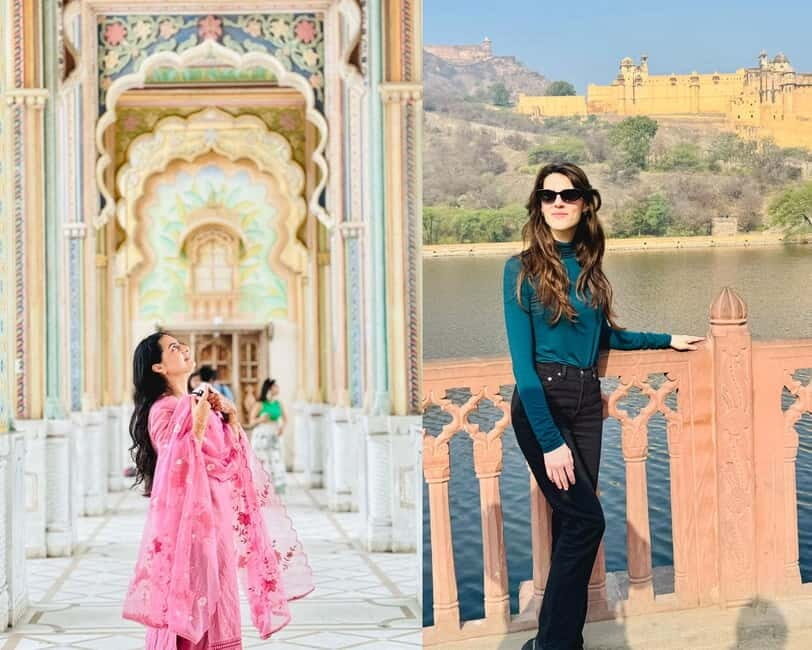
The last major photo section focuses on the Pink City. You’ll have a photo stop plus guided time, including a visit through colorful bazaars, with time for food market and arts and crafts market browsing (around 45 minutes in total).
This is where you switch from landmark photography to street-style shooting. Think pink-and-yellow facades, market textures, and the everyday motion of the bazaar. It’s a good finish because your camera will already be warmed up, and your photos can show variety: monumental architecture earlier, then human-scale scenes here.
A good rule for this stretch: keep your eyes up and your feet steady. Market areas can be busy, and you’ll get better shots when you don’t trip your own momentum.
Price and value: what $14 really covers
At $14 per person for an 8-hour private day, the value is mostly in the structure. You’re paying for a full route, a driver with an A/C vehicle, pickup and drop-off, and fuel and parking—plus a live English-speaking guide during the stops.
What’s not included is important:
- Monument entrance fees
- Lunch
- Souvenir photos (if you choose to buy them)
- Personal expenses
- Tour guide is listed as not included in the details, but the experience is described as having a live English guide, and the tour format clearly includes guided time at multiple stops
So your total cost will depend on entrance fees you encounter and whether you buy anything. Still, the real value is that you’re not figuring out transport between sites, and you’re not spending half your day waiting in traffic. For photographers, time is money, and this schedule tries hard to protect it.
Best fit: who this Jaipur photography day suits
This tour is a strong match if:
- You love photography and want multiple iconic stops in one day
- You’d rather have someone plan timing and angles than do a self-guided scramble
- You want a private A/C ride so the day stays comfortable
- You like a mix of landmarks and a short craft market experience
It may not be ideal if:
- You have back problems, because several stops involve walking and steps
- You have mobility impairments, since the tour is also noted as not suitable for that
- You’re hoping for a slow, unhurried day with lots of free time at each attraction
For most people, the tradeoff works: you get a lot of Jaipur in one coherent route, and you leave with a set of photos that look like a plan.
The small details that make or break the day
A few practical notes can keep your day smooth:
- Bring passport or ID card, and note that a valid passport is required on the day of travel
- Dress smart casual; avoid short shorts or sleeveless tops for temple areas
- Wear comfortable walking shoes—there’s moderate walking throughout
- Bring a camera, or charge your phone fully, because your best frames won’t always wait
There are also standard rules: no alcohol and drugs, no pets, and unaccompanied minors aren’t allowed.
If you’re serious about photos, use the guide time wisely. When the guide is showing you a photo angle, it’s usually because that spot lines up better with light and perspective. Take the shot, then relax for a minute. Your best pictures often come after you stop chasing them.
Should you book this Jaipur photography tour?
I’d book this if your goal is simple: get the iconic Jaipur shots, cover a lot of ground without stress, and have help with timing and picture-taking. The pairing of a private A/C car and an English guide makes a big difference when you’re trying to hit Hawa Mahal, Jantar Mantar, City Palace, Amber Fort, and the Pink City in the same day.
Skip it if you need lots of rest time, you hate steps, or you want flexible lingering at each site. This is a route with momentum.
If you fall into the “I want photos and I want them efficiently” category, this tour is a smart way to spend a day in Jaipur.
FAQ
How long is the Jaipur private photography tour?
It lasts 8 hours.
Where can I get picked up and dropped off?
Pickup and drop-off are available from Jaipur or Kukas.
Is this tour private?
Yes, it’s a private group experience.
What languages are offered?
The live tour guide speaks English.
What’s included in the price?
Included are pickup and drop-off (hotel/airport/railway station), a chauffeur-driven A/C private vehicle, and fuel and parking charges.
What is not included?
Monument entrance fees, lunch, personal expenses, souvenir photos, and the listed tour guide item are not included.
Is it wheelchair accessible?
It is listed as wheelchair accessible, but it is also noted as not suitable for people with mobility impairments. The tour includes moderate walking.