REVIEW · JAIPUR
Jaipur: Jhalana Leopard Safari Tour
Book on GetYourGuide →Operated by World Of Wilders · Bookable on GetYourGuide
Leopards are hard to see.
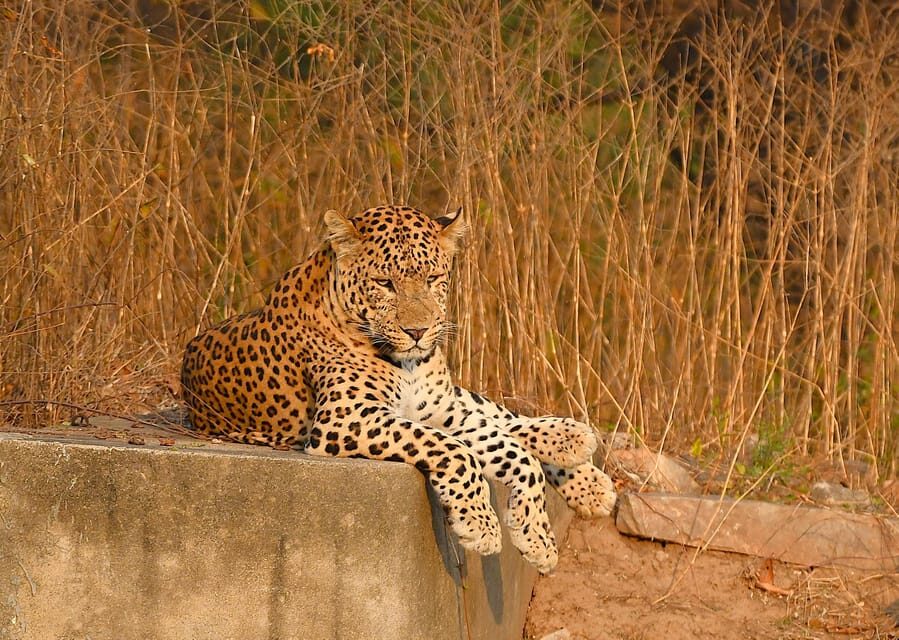
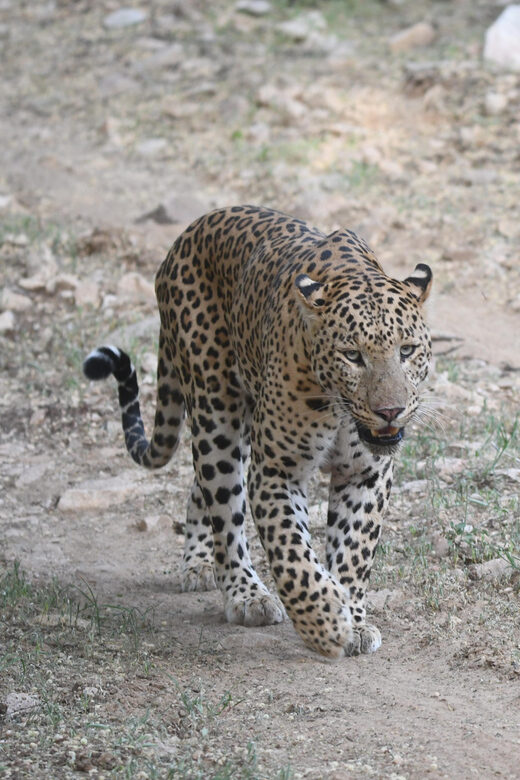
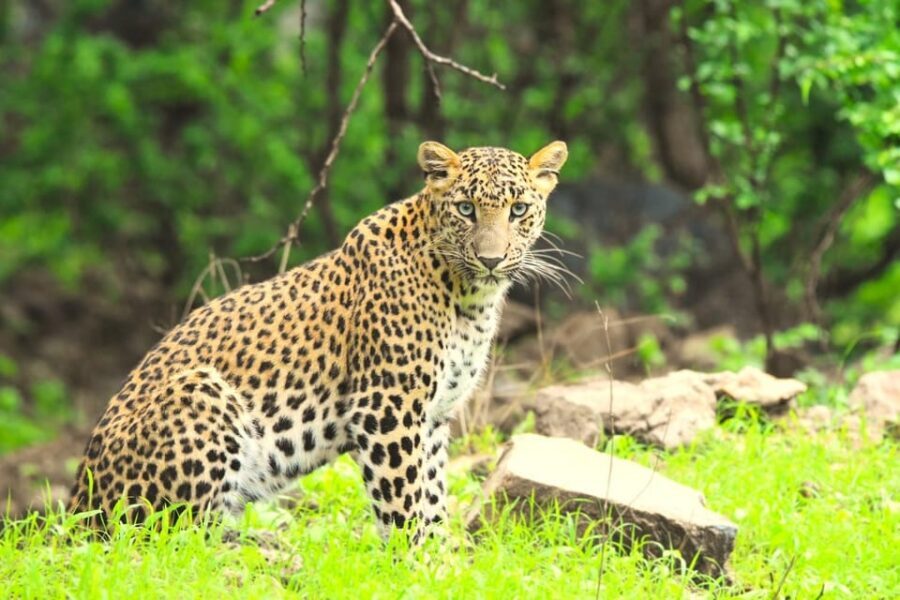
That’s exactly why this safari in Jaipur’s Jhalana Leopard Reserve feels so exciting: you’re driving through an actual conservancy area built to protect leopards, while scanning for one of the world’s most elusive cats. I like that the experience is short and focused at about 2.5 hours, so it fits easily into a busy Jaipur day. I also like the small-group feel (up to 6 in a vehicle), which helps you hear instructions and keep your eyes on the ground. The main drawback? A leopard sighting is never guaranteed, since you’re tracking wildlife, not following a schedule of animal “performances.”
What makes this tour especially interesting is the setting. You’re in a reserve linked to Rajasthan’s first project leopard site and the only conservancy reserve dedicated to leopards in India. You’ll spend your time on a 4×4 in rougher terrain, which can be bumpy, but it’s also what gives you access and viewing angles in the reserve. I like that it’s not just about leopards; you also look out for hyenas, desert foxes, Hanuman langurs, blue bulls, and spotted deer. If you’re sensitive to off-roading jolts, this may not be the best fit, since it’s designed for uneven ground.
The value here is the mix of chance to see wildlife and conservation purpose, delivered in a no-nonsense, 2.5-hour format. I’d book it if you want an authentic safari drive close to Jaipur, and you’re comfortable using your camera and binoculars while staying quiet and alert. If you need a lot of structured education from a dedicated naturalist, note that a naturalist isn’t included.
In This Review
- Key things to know before you go
- Jhalana Leopard Safari in plain English: what you’re really buying
- Getting to the meeting point without losing your day
- The 4×4 safari drive: why the vehicle matters
- What animals you’ll look for (and how to actually spot them)
- The conservation side: why this leopard reserve feels different
- Timing and expectations for your 2.5-hour visit
- Rules that keep the safari smooth (and what to bring instead)
- Price and value: is $45 worth it?
- Who should book this safari (and who should skip it)
- Should you book the Jaipur Jhalana Leopard Safari?
- FAQ
- How long is the Jhalana Leopard Safari tour?
- What’s included in the safari?
- Is hotel pickup and drop-off included?
- Is a naturalist included?
- How many people are in the safari vehicle?
- What should I bring?
- What is not allowed during the safari?
- Is the booking refundable if my plans change?
Key things to know before you go
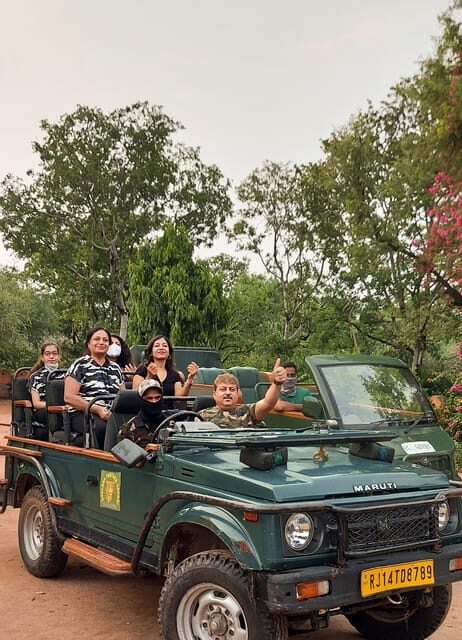
- 4×4 safari vehicle in the reserve for off-road access and better animal-spotting angles
- Small group (up to 6) so you stay organized and instructions actually land
- Leopard-focused conservancy tied to Rajasthan’s first project leopard site
- Plenty of wildlife targets beyond leopards: hyenas, desert foxes, blue bulls, and more
- Biodiversity stats worth caring about: 21 mammal species, 172 bird species, and 17 reptile species
- Camera-friendly rules (still camera fees included, but no flash photography)
Jhalana Leopard Safari in plain English: what you’re really buying
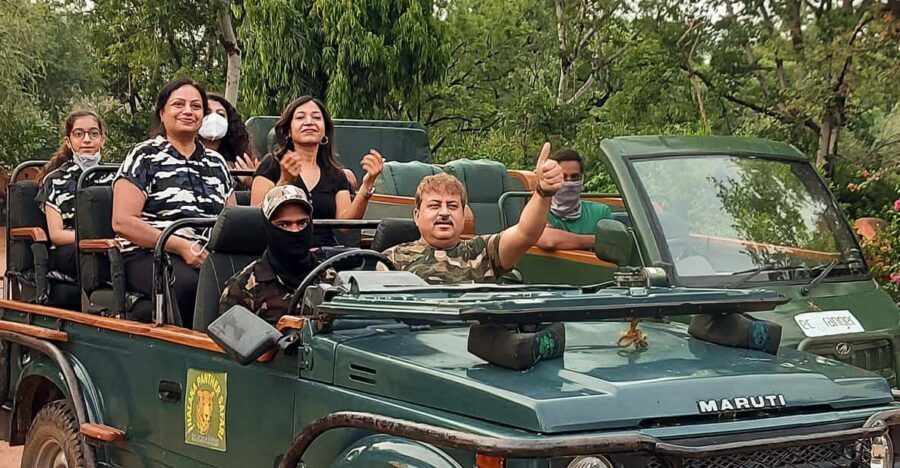
This is a 2.5-hour shared safari in Jaipur’s Jhalana Leopard Reserve, run through World Of Wilders with an English host/greeter. For about $45 per person, you’re paying for three things: a 4×4 ride into the reserve, the searching time for wildlife, and the chance to see a leopard in a real habitat rather than in a fenced, staged setting.
The reserve isn’t just “somewhere to look for cats.” It’s described as Rajasthan’s first project leopard site and the only conservancy reserve dedicated to leopards in India. That matters because it changes the vibe. You’re not just sightseeing. You’re in a place with conservation efforts behind it, and the tour highlights that protection work as part of the experience.
You’ll also notice the tour is designed to be practical. You’re told to stay quiet, follow the guide’s instructions, and be ready with binoculars and a camera. In other words: this is a wildlife drive where attention beats talking.
You can also read our reviews of more tours and experiences in Jaipur
Getting to the meeting point without losing your day
Your meeting area is listed as a central road location: Central road (Roads End), inside, Malviya Nagar Industrial Area, Malviya Nagar, Jaipur, Rajasthan 302018. The tour also lists multiple labels tied to the same area (World Of Wilders, Amagarh Panther Safari, Jhalana Jungle Safari, Jaipur By Night, Elephant Village), which can confuse first-timers.
Here’s the best practical move: show up a bit early, and have your passport (or a copy) ready. One verified booking shared that they couldn’t find the travel agency staff at the start and still got sorted quickly by showing their passport directly at the ticket counter. So don’t panic if you don’t immediately spot someone holding a sign. Be ready to go straight to check-in.
Also plan for the reality of shared transport. There will be up to 6 people in one vehicle when booked on a sharing seat basis, so you’ll want to keep your timing tight and avoid arriving late and getting shuffled.
The 4×4 safari drive: why the vehicle matters
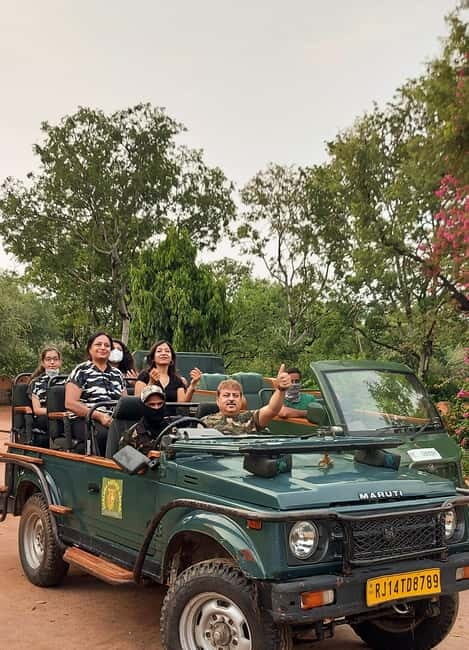
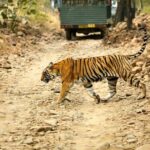
This safari isn’t a smooth city bus ride with a few photo stops. It’s a 4×4 vehicle built for moving through the reserve and positioning for sightings. That off-road element is a big part of the experience, and it affects comfort, too.
You should dress for off-roading: comfortable clothes and shoes that can handle uneven ground. Bring goggles if dust bothers you, and consider a hat for sun and glare. A leopard may be still, but your eyes won’t be. You’ll be scanning and adjusting constantly, so glare control and basic comfort pay off.
If you’re thinking about comfort, take the “not suitable” notes seriously. This tour is not suitable for pregnant women, people with back problems, or people over 95. Even if you feel okay at the start, bumpy vehicle movement is part of what you’re booking.
What animals you’ll look for (and how to actually spot them)
The official target list is what you’ll base your scanning on:
- Leopards (the main goal)
- Hyenas
- Desert foxes
- Hanuman langurs
- Blue bulls
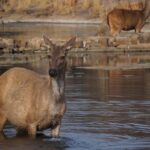
- Spotted deer
The way to think about this: you’re not just waiting for the “big moment.” You’re building a pattern of watching—tracks, movement, and where animals tend to appear. When you see one species (even something smaller like a fox or langur), it often gives you a better sense of where the reserve is active at that time.
One practical hint is to keep your expectations realistic. A verified booking noted it took work to find the panther/leopard, but they finally did. That’s the reality of safari driving: you might spend time searching first. If you go in ready to be patient and alert for the whole 2.5 hours, you’ll enjoy it more.
For your gear, binoculars are explicitly recommended, and a camera is a must. Also remember: flash photography isn’t allowed, so rely on natural light and zoom rather than flash.
The conservation side: why this leopard reserve feels different
This tour isn’t sold as a wildlife show. It’s tied to protection efforts, and that’s worth taking seriously because it changes what the reserve is doing behind the scenes.
You’re visiting a conservancy reserve dedicated to leopards. The information you’re given includes biodiversity numbers that are impressive enough to understand why the area matters:
- 21 mammal species
- 172 bird species
- 17 reptile species
- plus critically endangered tree species mentioned as part of the rare plants in the reserve
What you should take from this as a visitor: the leopard isn’t the only star. The reserve’s value is in its whole ecosystem. When a place protects prey, cover, birds, reptiles, and plants, it indirectly supports big cats. That’s the conservation logic you’re encountering on the ground.
You’ll also hear about leopard protection efforts during the safari, which gives the drive a purpose beyond photos. Even if you never spot the leopard, the “why” behind the reserve makes the time feel more meaningful.




Timing and expectations for your 2.5-hour visit
This is a 2.5-hour experience. Because starting times depend on availability, you’ll want to check your slot before planning other things that day.
During the safari, the focus stays on wildlife searching and viewing. There aren’t long meal breaks, and you shouldn’t expect restroom-style stops like you might on a full-day trip. So go prepared: bring what you need for comfort (hat, water restrictions are important—see below), and keep your attention on the reserve.
The other key point: the safari is described as rain or shine, and it’s not cancellable once booked. That means if weather is rough, you’ll still go. Dress accordingly for dust and sun or damp conditions.
Rules that keep the safari smooth (and what to bring instead)
The tour has a clear set of “no” rules, and they mainly make the safari better for animals and safer for everyone. Here’s what you should plan around:
- No food and no drinks in the vehicle
- No smoking
- No flash photography
- No drones
- No weapons or sharp objects
- No pets (assistance dogs allowed)
- Keep the experience quiet and don’t make noise
That means you’ll want to keep snacks out of your day plan, or at least not rely on this safari to provide them. If you need to eat, do it before you arrive at the meeting point.
On the “yes” side, bring:
- Hat
- Camera
- Passport (a copy is accepted)
- Binoculars
- Goggles
The camera detail is practical: still camera fees are included, but you still have to follow the no-flash rule. In other words, you’re allowed to shoot, but you need to shoot like a responsible wildlife photographer.
Price and value: is $45 worth it?
At about $45 per person for a 2.5-hour shared 4×4 safari, you’re paying for a real conservation-area drive with a focused leopard mission and a small-group setup. That’s the value equation.
Here’s what makes it good value if you’re choosing carefully:
- You get the leopard-conservancy context rather than a generic outing
- You get multiple wildlife targets, not just one
- You travel in a safari vehicle designed for animal viewing
- Still camera fees are included
The “pay attention” part is this: you’re not buying a guaranteed leopard sighting. The experience is a chance to see one of the most elusive cats in the world, plus other animals that might be active at the same time.
So if your main goal is guaranteed sightings, this isn’t that. If your goal is to spend a short time in a leopard-focused reserve and let your eyes do the work, it’s a solid price.
Who should book this safari (and who should skip it)
This tour makes the most sense for:
- You want a short, high-focus wildlife outing in Jaipur
- You like off-roading and can handle a bumpy ride
- You bring binoculars/camera and can stay quiet for long enough to catch movement
- You care about leopards and the wider ecosystem that supports them
Skip it if:
- You’re pregnant or you have back problems
- You’re over 95
- You’re not comfortable with rules like no smoking, no flash, and no food/drinks during the safari
It’s also a good option if you prefer a small group (max 6) and don’t want a huge crowd atmosphere.
Should you book the Jaipur Jhalana Leopard Safari?
I’d book it if you want a practical safari experience with a real conservation purpose, and you’re okay with the suspense of wildlife spotting. The combination of a leopard-focused conservancy, a 4×4 search style, and a short 2.5-hour time block makes it a smart add-on to your Jaipur plans. You’ll get plenty of wildlife targets beyond leopards, and the gear guidance (binoculars, goggles, no flash) is straight enough that you can prepare fast.
I’d think twice if you’re uncomfortable with off-road movement or you’re hoping for a guaranteed leopard sighting. This is nature, not a controlled show. But if you can treat it like a patient hunt with your camera ready, you’ll likely leave feeling you did something genuinely different in Jaipur.
FAQ
How long is the Jhalana Leopard Safari tour?
The tour duration is 2.5 hours.
What’s included in the safari?
It includes the safari tour, transportation in a shared safari vehicle, the opportunity to see leopards and other wildlife, and still camera fees.
Is hotel pickup and drop-off included?
No. Pick up and drop from your hotel is not included.
Is a naturalist included?
A naturalist is not included.
How many people are in the safari vehicle?
The group is limited to 6 participants, and the vehicle can have 6 people on a sharing seat basis.
What should I bring?
Bring a hat, camera, passport (copy accepted), binoculars, and goggles.
What is not allowed during the safari?
Pets, weapons or sharp objects, drones, smoking, food and drinks, and flash photography are not allowed.
Is the booking refundable if my plans change?
No. The activity is non-refundable.
If you tell me your travel dates and whether you’re more “camera-first” or “wildlife-watch” focused, I can help you decide the best time slot for getting the most out of those 2.5 hours.