REVIEW · JAIPUR
Jaipur Home Cooking Experience with Authentic Lunch/Dinner
Book on GetYourGuide →Operated by Jaipur tour taxi cab · Bookable on GetYourGuide
A home kitchen in Jaipur beats restaurants. This is a visit that trades sightseeing checklists for real conversation, hands-on North Indian cooking, and the kind of meal you eat in the family rhythm of the day. You start with a traditional drink and settle into the kitchen talk—ingredients, traditions, and why certain spices show up again and again. What I like most is the warm family welcome, which makes the whole experience feel human, not staged.
I also love the hands-on chapati moment. You get a demonstration, then you make round chapatis and one vegetable curry yourself, so you leave with skills you can actually repeat. One thing to consider: if you’re expecting nonstop step-by-step teaching the entire time, you may find it more like a local home-cooking experience than a strict, technical cooking school.
In This Review
- Key Highlights You Should Know
- Why This Jaipur Home Cooking Experience Feels Different
- The Welcome Drink and Tour of North Indian Cooking
- Demonstration to Hands-On: Making Chapatis and a Curry
- What You’ll Eat: North Indian Plates with Veg and Non-Veg
- The Spice Stories and Why They Matter
- Optional Mehndi (Henna) Art: A Jaipur Touch You Can Wear
- Timing and Logistics: How the 3 to 5 Hours Actually Works
- Price and Value: Why About $13 Is a Big Deal
- Who This Jaipur Home Cooking Experience Suits Best
- Tips to Get the Most Out of Your Cooking Time
- Should You Book This Jaipur Home Cooking Experience?
- FAQ
- How long is the Jaipur home cooking experience?
- Is pickup and drop-off included?
- Is this a private experience?
- Is the host able to speak English?
- Do you cook both vegetarian and non-vegetarian dishes?
- Is the henna art included?
- What is the cancellation policy?
Key Highlights You Should Know
- AC car pickup and drop-off make this easy, especially if you’re coming from hotels across town
- North India cooking focus with breads like chapati/paratha and curries built around seasonal vegetables
- You cook chapatis and a vegetable curry after a short demonstration
- Veg and non-veg options so you can taste more than one side of Indian home cooking
- Optional mehndi/henna art with cultural context and a temporary design on your hands
- English-speaking host support for smoother ingredient questions and dining conversation
Why This Jaipur Home Cooking Experience Feels Different
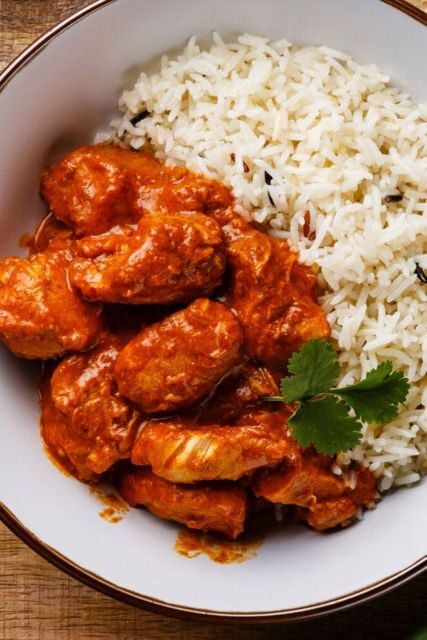
There’s a big difference between tasting Indian food and learning how Indian families actually cook dinner. This experience is set up inside a real Jaipur home, where the kitchen is part of daily life—not a performance space.
You’ll get a traditional greeting drink first, then a guided walk through the kinds of food people cook in North India. The focus stays practical: breads, seasonal curries, and how the spice mix fits into a normal meal. And because it’s private, the conversation can stay on your questions rather than getting lost in a crowd.
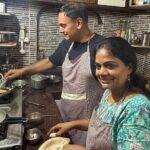
The best part is how quickly you shift from being a visitor to being part of the meal. You’ll chop, stir, and roll while people explain what matters—ingredients, technique, and timing. It’s not just learning recipes; it’s learning the pace of a home kitchen.
You can also read our reviews of more cooking classes in Jaipur

The Welcome Drink and Tour of North Indian Cooking
The day starts with you being welcomed into the home and served one of several classic drinks. Expect options like chai, lassi, lemon soda, or juice, depending on what’s being offered. That first sip matters. It’s a low-pressure way to settle in, meet your host, and start learning in a relaxed mood.
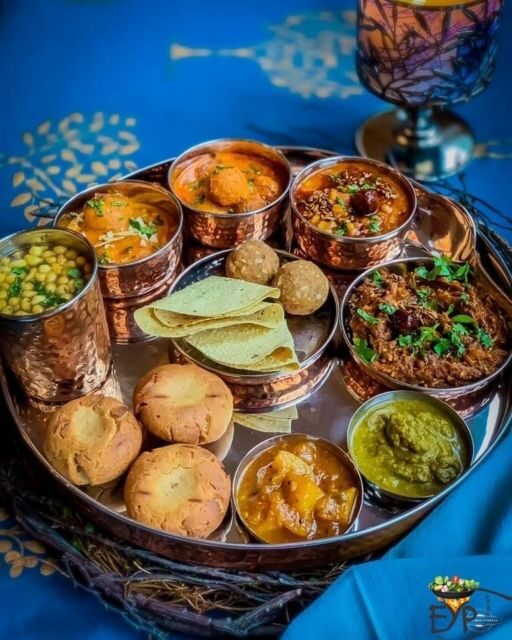
Then you get introduced to Indian cuisine broadly, but you spend more time on North India. This is where you’ll hear about the backbone of many meals: breads (chapati and paratha) and curries that change with the season. The cooking list you’re likely to see includes garlic bhindi, aloo gobhi, dal, pumpkin curry, carrot curry, paneer masala, tinda curry, eggplant masala, baingan bharta, and gutaa curry—plus the idea that spices and vegetables work as a matched pair.
If you like food that feels grounded and everyday rather than fancy, this structure will suit you. You’re learning meals people really eat, not just one-off dishes created for tourists.
Demonstration to Hands-On: Making Chapatis and a Curry
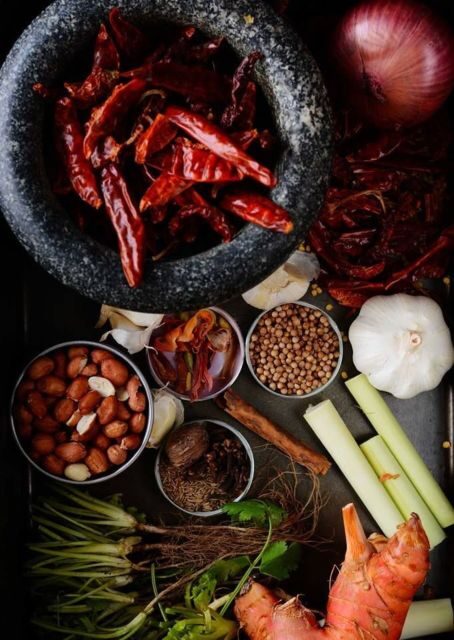
Most cooking experiences fail on one thing: they teach you nothing you can repeat. This one tries to fix that by giving you real hands-on time.
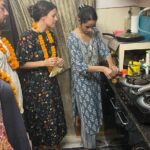
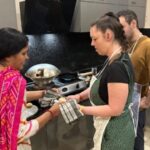
First comes a demonstration. You’ll see the steps for making chapatis—the round flatbread that shows up in countless Indian meals. Then it’s your turn. You’ll roll and cook your own chapati while the host guides you through the basics.
Next you’ll cook one vegetable curry yourself. The exact curry can vary, but the style stays consistent with North Indian home cooking: a vegetable is cooked with a masala base and balanced spices. This is where your learning becomes practical. You’ll understand how the curry starts, how it thickens, and how flavors build.
A quick heads-up: from what people experienced, the interaction level is a strong plus, but the pace may not feel like constant coaching at every second. If you want a strict, very technical class format, plan for a more relaxed flow—more like joining family dinner prep than attending a culinary workshop with a syllabus.
What You’ll Eat: North Indian Plates with Veg and Non-Veg
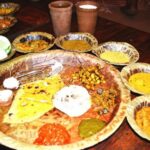
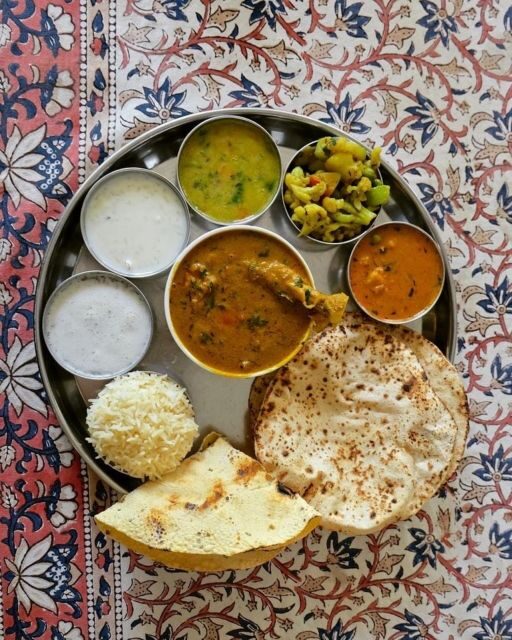
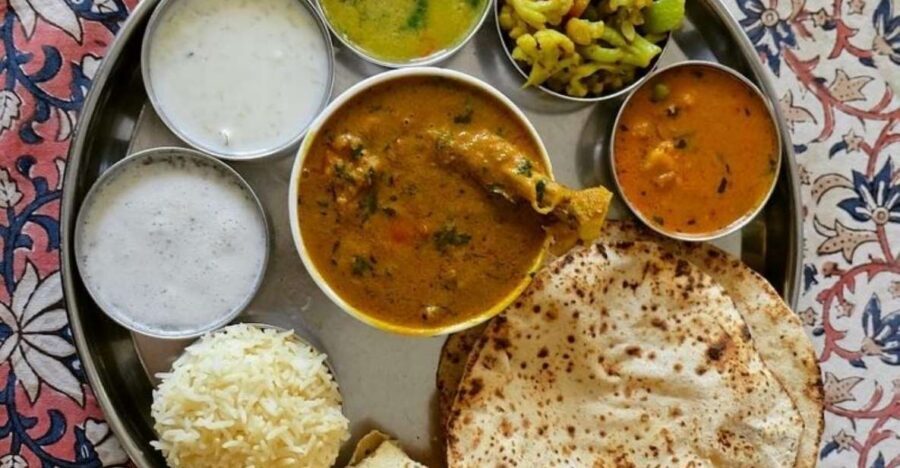
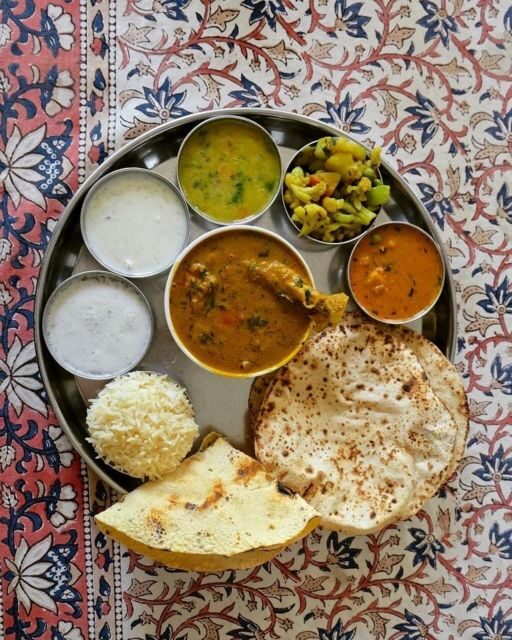
You’re in for a full meal, not just small tastes. The menu revolves around North Indian comfort food, with both vegetarian and non-vegetarian dishes available. That’s a nice detail if you’re traveling with friends who eat different ways.
On the vegetarian side, you’re likely to see dishes built around the vegetables listed in the class focus. These are curries that make sense together on one plate: a dal or lentil dish, one vegetable curry, and breads. Paneer masala is on the radar too, which is a good option if you want something creamy without being overly heavy.
On the non-vegetarian side, you may find a chicken preparation. One dish that came up for people was chicken green korma. If you’re a meat eater, this matters because you’re not locked into a purely veg version of the experience.
You also won’t be eating blindly. During cooking, ingredients and how they’re sourced get discussed, and you’ll get context for why certain spices land where they do. That makes the meal taste more readable. You’ll start to notice the same flavor patterns across dishes.
Dessert is prepared ahead of time and served with the meal. It’s a sweet finish after you’ve already worked up an appetite.
The Spice Stories and Why They Matter
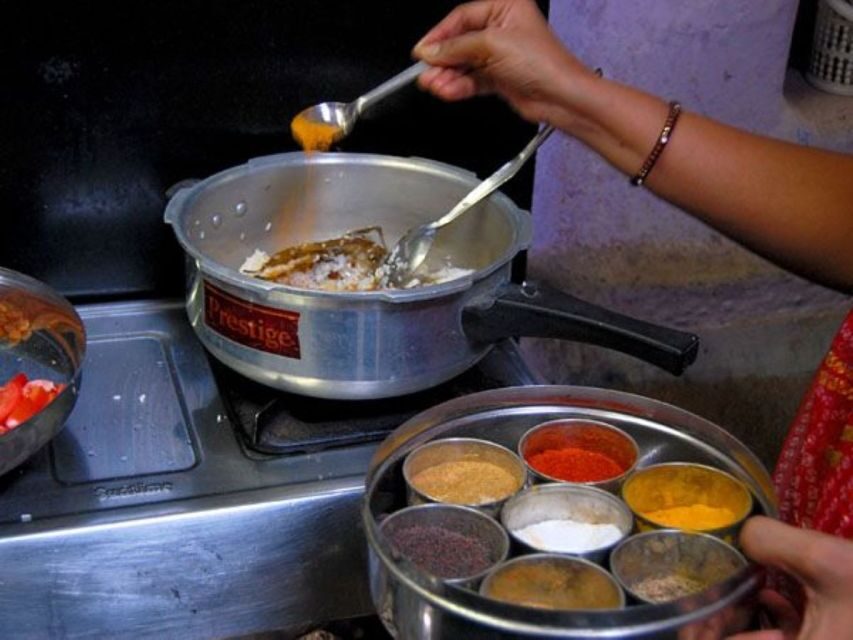
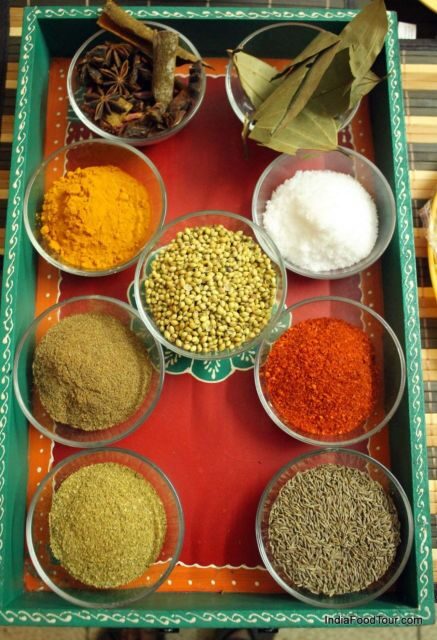
This experience doesn’t treat spices like magic dust. You’ll get explanations about ingredients, culinary traditions, and how home cooking fits into the local rhythm of Jaipur.
That story-telling piece is valuable because it helps you cook smarter later. If you understand how a masala base gets built, you can adjust the level of heat, swap vegetables, and still keep the dish feeling right. It’s also how you learn to taste while you cook—knowing what to tweak rather than only following a recipe.
You’ll likely hear the kind of small, practical food knowledge that never makes it into restaurant menus: which spices show up in everyday cooking, how family preferences shape the balance, and what tends to be used during different times of the year.
A name you might hear is Shoaib, mentioned by one guest as the host who made the experience feel like family time, with his mother leading cooking instruction. Even if your host isn’t Shoaib, the structure stays similar: an English-speaking guide and a family member who guides the kitchen steps.
You can also read our reviews of more tours and experiences in Jaipur





Optional Mehndi (Henna) Art: A Jaipur Touch You Can Wear
After the cooking, you can add a mehndi/henna art session. It’s described as optional, and it’s handled by local artists with a hands-on feel, using natural henna.
The best part isn’t just the design. You’ll also learn about the cultural significance of mehndi in Indian celebrations—so your temporary artwork comes with meaning, not just decoration. Then you watch designs appear as your artist works and you get a piece of the experience you can take with you for days.
If you want a souvenir that isn’t another object you’ll store, this can be a great fit. It’s also a nice break after the cooking heat and spice aroma, letting you slow down and enjoy the artistry.
Timing and Logistics: How the 3 to 5 Hours Actually Works
The duration is listed as 3 to 5 hours, and that range makes sense for a home setup. You’re not rushing through a checklist. You’re cooking, eating, and (optionally) adding henna art.
Pickup and drop-off are included. You’ll be collected from your hotel, airport, or railway station, using an AC vehicle with a chauffeur. That’s a practical win in Jaipur, where traffic and distance can turn even a short day into a long one.
Bottled water is included too, which sounds small but matters when you’re in and out of a home kitchen and the meal is right after prep.
Group size is private, so you’re not competing for attention at the stove. It’s also English-hosted, so you’re not left guessing during the ingredient explanations.
Price and Value: Why About $13 Is a Big Deal
At around $13 per person for a 3 to 5 hour private home-cooking experience, this is strong value on paper. What makes it feel like more than a bargain is that you’re not just buying a meal—you’re paying for transportation (AC pickup and drop-off with chauffeur), a host to support you, and guided cooking time inside a real home.
Most paid food experiences in tourist zones do one thing well: either the meal, or the story, or the activity. Here, you get the meal plus the cooking plus the cultural add-on if you choose henna. That’s the value equation.
To keep expectations aligned, remember that this is a home visit, not a professional culinary studio. If you want very advanced technique coaching with heavy ingredient lab-style detail, you might need to look elsewhere. But if you want a real Jaipur kitchen experience that’s still structured enough to be learnable, this pricing is hard to beat.
Who This Jaipur Home Cooking Experience Suits Best
This works best for you if you enjoy food as a cultural window. If you like cooking with your hands, asking questions, and eating what you helped make, you’ll probably leave with a stronger connection to Jaipur than you’d get from another dinner out.
It also suits couples and small private groups who want a comfortable pace and a clear focus. The North India emphasis means you’ll see how common ingredients become different dishes through technique.
If you’re traveling with someone who wants more interaction than a museum-style activity, this is a good fit. The home setting helps because conversation comes naturally around ingredients, not forced into a scripted tour.
Mehndi lovers should consider adding the optional session. It pairs nicely with the meal timing and gives you a Jaipur-specific memory that’s visibly personal.
Tips to Get the Most Out of Your Cooking Time
A few small choices can make your experience better fast.
- Ask questions as you go, especially about spice names and what changes when heat level changes. The host is there to help.
- Be ready to taste while you cook. You’ll learn faster if you pay attention to changes in aroma and texture, not only the final flavor.
- Wear comfortable clothes for rolling and chopping. You’ll be in motion at least some of the time.
- If you eat a certain way, mention it early. The experience includes both veg and non-veg options, so it’s worth clarifying what you’d like to prioritize.
- If you’re adding henna, plan for it to be temporary. It’s a fun Jaipur memento, not a permanent tattoo.
Should You Book This Jaipur Home Cooking Experience?
I’d book it if you want an authentic Jaipur evening that teaches you something you can use later—especially chapati technique and how a vegetable curry is built. The included AC pickup, private host support, and full meal make it feel complete for the price.
I’d think twice if you’re the type who wants a strict, intensive “cooking class” format with constant, detailed instruction. In a home setting, the flow can be relaxed, and the interaction may not feel like a nonstop lesson. Still, even when the cooking time feels simple, the family atmosphere and the end result are usually the reason people rate it highly.
If you want a genuine Jaipur experience that’s practical, social, and food-focused, this one fits the bill.
FAQ
How long is the Jaipur home cooking experience?
It runs about 3 to 5 hours.
Is pickup and drop-off included?
Yes. Pickup and drop-off from your hotel, airport, or railway station are included, using an AC car with a chauffeur.
Is this a private experience?
Yes, it’s described as a private group.
Is the host able to speak English?
Yes. The host or greeter is listed as English-speaking.
Do you cook both vegetarian and non-vegetarian dishes?
Yes. The experience highlights enjoying both veg and non-veg dishes.
Is the henna art included?
Henna art in Jaipur is described as optional, with a local touch using natural henna.
What is the cancellation policy?
Free cancellation is available up to 24 hours in advance for a full refund.