REVIEW · DHARAMSALA
Historical Tour, Kangra fort &Rock cut temple from Dharmasla
Book on GetYourGuide →Operated by Himachalbylocals · Bookable on GetYourGuide
History walks right up to you.
I love how the Masroor Rock Cut Temple turns Mahabharata characters into something you can see, touch, and photograph, all while you’re looking out over the Dhauladhar peaks. I also like the small-road feel of the day: you get a window into the Kangra Valley and village life before you reach the big monuments.
I love the Kangra Fort stop for its sheer scale and the way the guide links it to real power plays in Mughal-era history. One thing to consider: this is a short 6-hour run, and monument entry fees plus meals are not included, so your total cost can creep up a bit. Also, the depth of explanation depends on your guide, since different guides have been a mix of very detailed to more basic.
In This Review
- Key highlights to look for
- From McLeod Ganj to Kangra: the route that sets the tone
- Masroor Rock Cut Temple: Rama, Lakshmana, and Sita in stone
- Why Brajreshwari Devi Temple matters: Shakti Peeth legend and Mahabharata roots
- Kangra Fort: the Katoch dynasty and the fight against empire
- Kangra town and market time: souvenirs that feel like the place
- Guides and pace: what makes your day feel sharp
- Transport and comfort for a 6-hour private tour
- Price and value: what you’re really paying for
- Should you book the Kangra Fort and Rock Cut Temple tour?
- FAQ
- Where does the tour pick up from?
- Where do I get dropped off at the end?
- How long is the tour?
- Is the tour guided?
- Is this a private tour?
- What transport is included?
- Are monument entry fees included?
- Are meals included?
- Is free cancellation available?
- Is there a pay later option?
Key highlights to look for
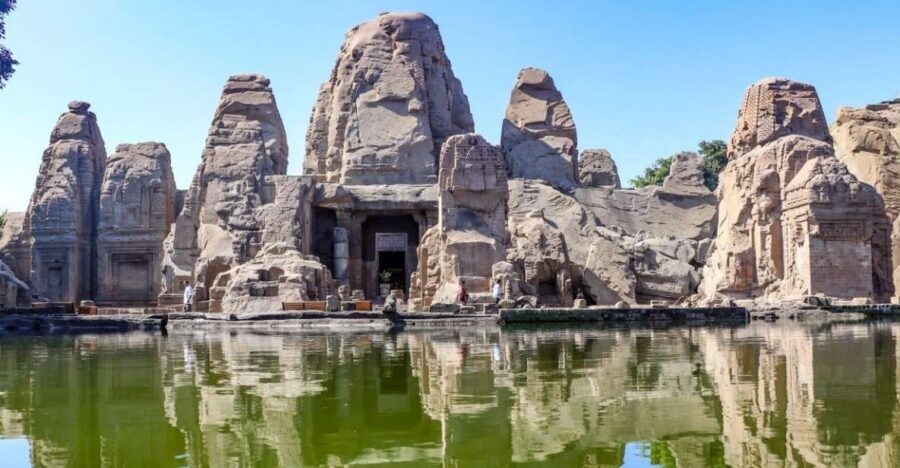
- Masroor Rock Cut Temple dedicated to Rama, Lakshmana, and Sita, with wide panoramic views
- Kangra Fort tied to the Katoch dynasty, with stories stretching back to Trigarta and the Mahabharata
- Brajreshwari Devi Temple explained through Shakti Peeth legend of Sati’s left breast
- Short village-and-valley route that shows daily life between the major sites
- Kangra market time for browsing local goods and picking up simple souvenirs
- English-speaking guides (for example Hemant, Onkar, Ashok) who shape the day with their storytelling
From McLeod Ganj to Kangra: the route that sets the tone
This tour starts with hotel pickup from McLeod Ganj or Dharamshala, then heads toward Kangra. Right away, you’re not just doing a checklist of monuments. The drive includes views of the Kangra Valley and a look at a local village with everyday routines going on around you. It’s one of those parts that makes the later temple and fort stops feel more grounded, like you’re seeing the same region its legends came from.
The day is set up for efficiency, not lingering. You’ll move from one site to the next, with enough time to enjoy what you came for: stone carvings, fort views, and temple stories. If you’re the type who likes to ask quick questions and get straight answers, this format works well.
You can also read our reviews of more historical tours in Dharamsala
Masroor Rock Cut Temple: Rama, Lakshmana, and Sita in stone
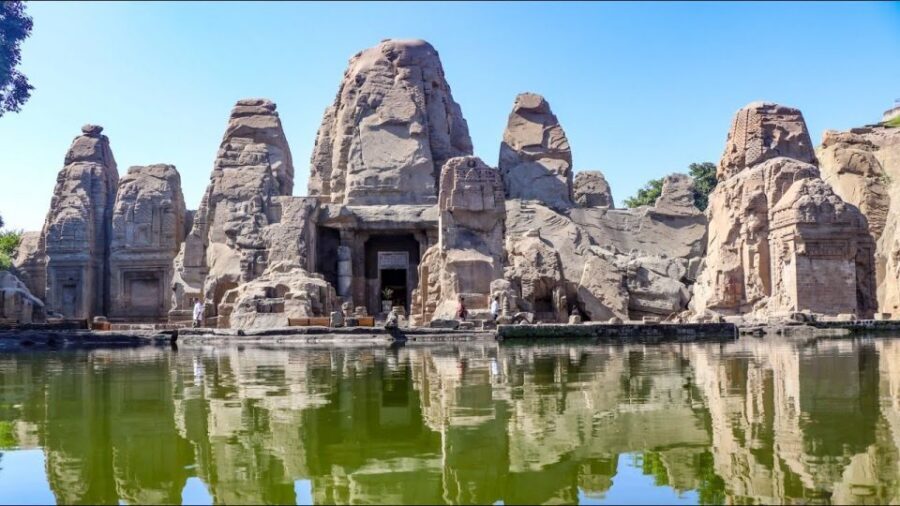
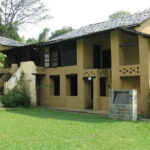
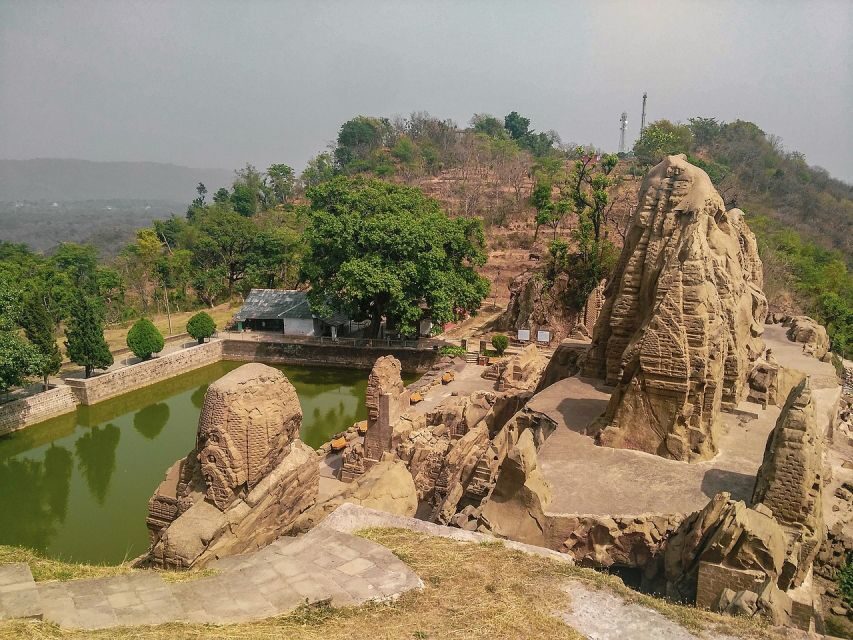
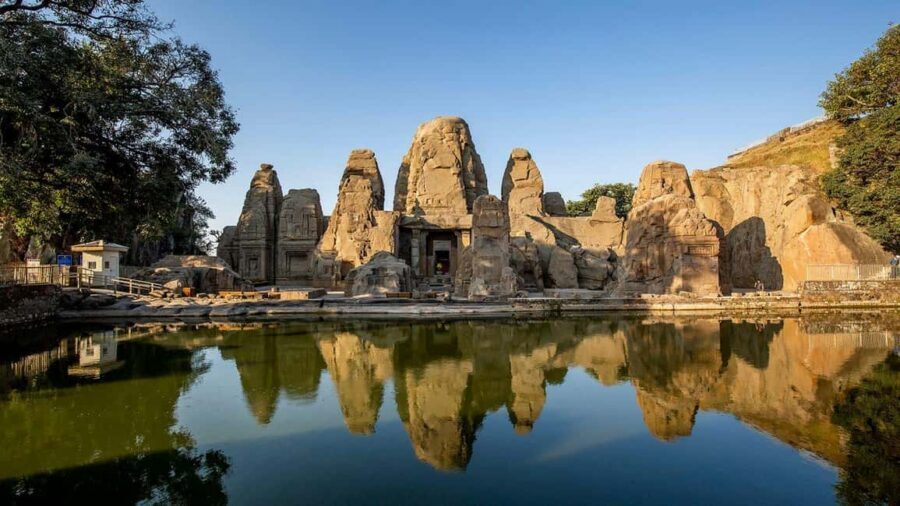
Your first major stop is the Masroor Rock Cut Temple complex, dedicated to Rama, Lakshmana, and Sita. These are the Hindu figures tied to the Ramayana epic, but they’re also presented here through the Mahabharata-era tradition of worship and shared cultural memory. What makes Masroor special is that the temple is not a single small shrine. It’s a whole complex of stone images that devotees worship, including visitors who come from around the world.
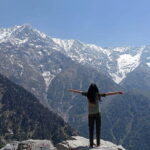
Another detail I’d never skip: the complex is built on a water pond and sits on a hill. That means you’re not looking at temple walls only. You’re also getting panoramic views over the terrain, with the snowy peaks of the Dhauladhar Range showing when weather allows.
This is also a strong stop for photos. One guide, Mr. Hemant, stood out in particular for pointing out good photo angles. If you care about pictures, ask your guide where the light works best, and don’t be shy about stepping a few extra meters for a clearer view.
Why Brajreshwari Devi Temple matters: Shakti Peeth legend and Mahabharata roots
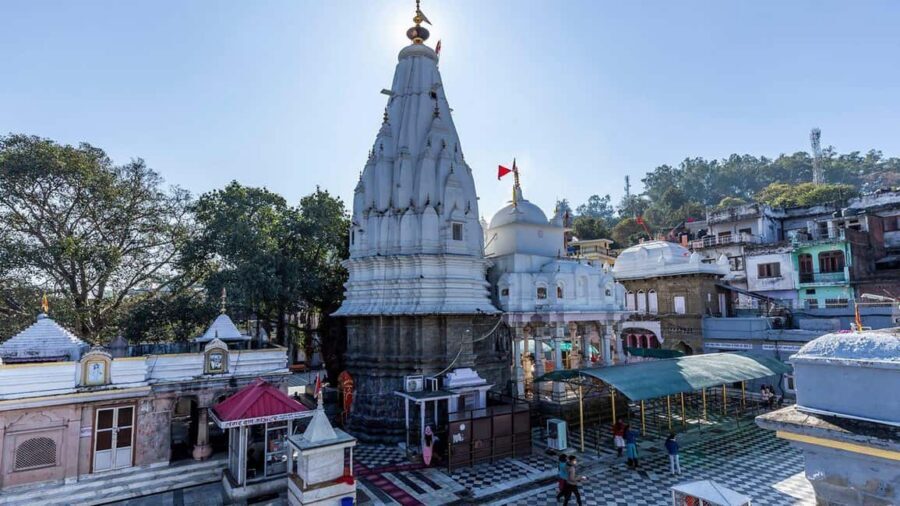
After Masroor, the tour moves to the Brajreshwari Devi Temple, a Shakti Peeth site. The legend goes like this: after Goddess Sati sacrificed herself in her father’s yagya, Shiva carried her body and began the Tandav. To stop the chaos, Lord Vishnu is said to have divided Sati’s body into 51 parts with his chakra. The left breast of Sati is believed to have fallen at this location, making the spot sacred in Shakti tradition.
Then there’s the additional layer that brings you right back to the Mahabharata timeframe: the temple is traditionally linked to the Pandavas, who are said to have built the original temple during the Mahabharata period. Whether you treat these stories as literal history or spiritual geography, the impact is the same: you’re visiting a place that’s been part of lived belief for a long time.
In practice, this stop rewards a certain kind of mindset. You’ll get more out of it if you’re willing to slow down just a little and pay attention to how worshippers move through the space. You don’t need to be an expert to appreciate what’s happening. Just be respectful, keep your voice down, and let the site do its work.
Kangra Fort: the Katoch dynasty and the fight against empire
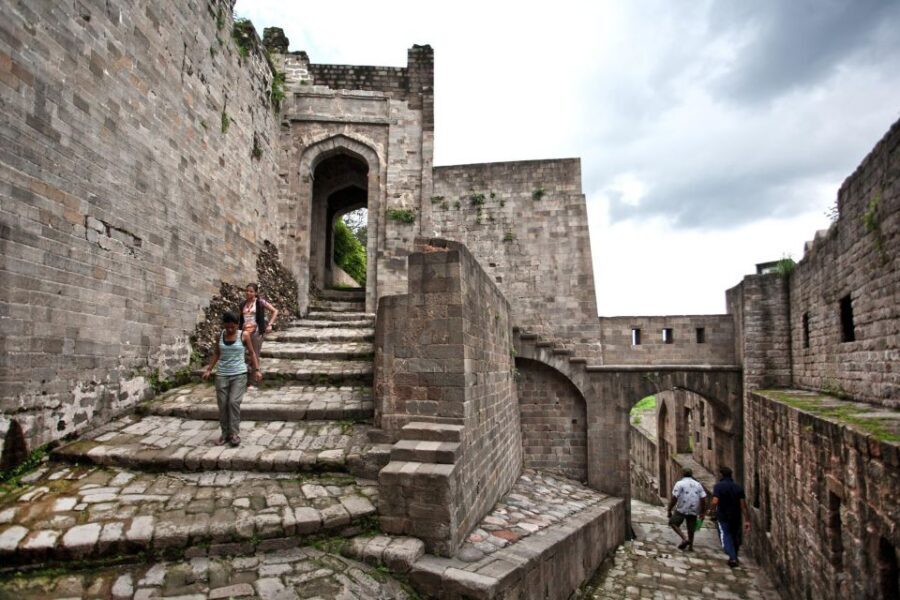
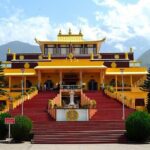
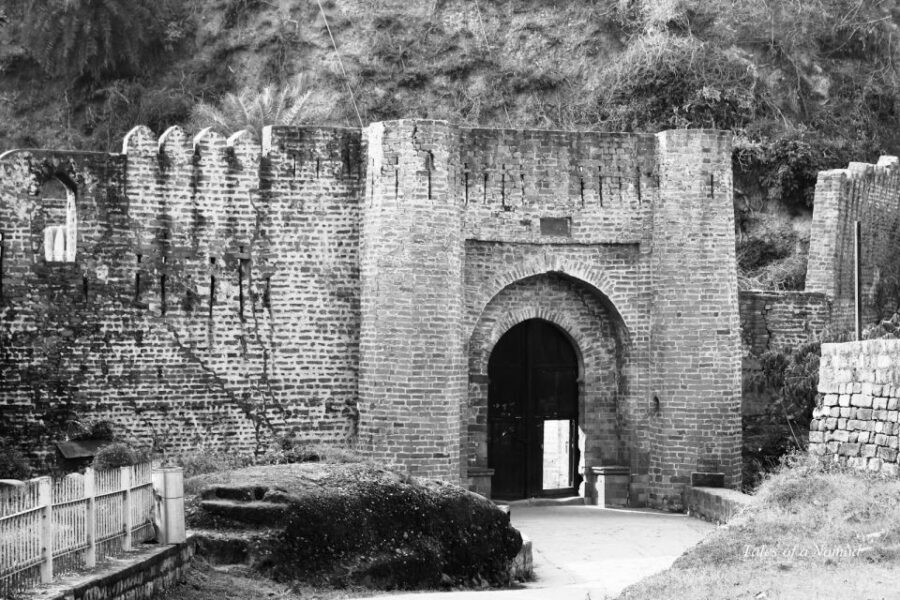
Next up is Kangra Fort, the big headline stop. It’s described as the largest fort in the Himalayas and likely the oldest dated fort in India. That’s big talk, but you feel it when you arrive: it’s not a tiny ruin where you do a fast photo and leave. It’s a serious fortification meant to control a region.
The fort is associated with the royal Rajput family of Kangra State, the Katoch dynasty. Their origins are traced to the ancient Trigarta Kingdom, which is referenced in the Mahabharata. So yes, this is another place where epic-era connections are part of the identity of the site.
Then the Mughal-era history adds a different kind of drama. The fort resisted Akbar’s siege in 1615, but later Jehangir subdued it in 1620. That outcome forced the submission of the Raja of Chamba, described as the greatest of the rajas in the region. Your guide should explain what that means in real terms, like why local rulers mattered to expanding empires.
One practical tip: you may notice the fort’s elevation with some climbing. There’s a good view from higher points, and it’s one reason this stop earns strong reactions. Wear shoes you’re comfortable with, because you’ll want firm footing on uneven ground.
Kangra town and market time: souvenirs that feel like the place
After the temples and fort, the tour includes time to explore the local market in Kangra. This is not just free time. It’s a chance to browse local goods for gifts and souvenirs in a setting that feels tied to daily life rather than a mall-style setup.
You might find small items that travel well, like handmade or packaged local products, plus simple things you can take home without worrying they’ll get crushed in a suitcase. Some guides also time food stops well. One tour moment described a homemade lemon soda in the market, which is the kind of small local refreshment that makes the day feel personal.
If you want a smooth experience, come ready to spend a little cash and keep your bargaining attitude friendly, not intense. A market visit here is about browsing and conversation, not about winning a contest.
Guides and pace: what makes your day feel sharp
This tour works best when the guide connects the dots: myth to stone carving, local dynasties to fort walls, and legend to real geography. That’s where guides like Onkar and Ashok really shine. One guide, Onkar, gave detailed historical background that made the sites easier to understand, not just easier to see. Ashok also impressed with strong explanations that linked local landscapes, food, and culture back to the monuments.
There’s also a nice human touch that can pop up mid-day. One person mentioned Ashok treating them to a roadside snack—pakoda from a charming vendor—during the drive. That’s not guaranteed in every case, but it’s a good sign of the care some guides bring to the day.
Still, balance matters. In at least one experience, the guide provided less detail and English clarity wasn’t as strong, with some repeating of the same info. If you’re counting on a lot of deep history, ask your guide early what they focus on—stories, architecture, or timeline facts—and steer the conversation.
The pace is a trade-off: you’ll see the key highlights in one day, but you won’t have hours to wander alone inside each site. Think of this as a guided “high signal” route.
Transport and comfort for a 6-hour private tour
You’ll travel in a private car with pickup and drop-off from your city hotel. The vehicle depends on your party size: you might ride in a medium car up to 2, an Innova up to 6, or a tempo traveler up to 10. Parking fees are covered, which helps keep things simple once you arrive near the sites.
Because you’re moving between hillside temples and a fort with some climbing, comfort matters more than fashion. Bring something for cool mornings or evening shade if you’re visiting when temperatures drop, and plan for a day that involves standing, walking, and quick waits.
Price and value: what you’re really paying for
The price is listed at $104 per group up to 1, for a 6-hour private tour. That can sound steep if you compare it to a shared bus. But you’re buying something different here: hotel pickup and drop-off, a private vehicle, a live English-speaking guide, and direct routing between multiple major stops.
Where value can wobble: monument fees and meals are not included. In other words, your real total depends on what entry charges apply at each site and what you choose to eat. If you’re the only person in a booking and you’re tight on budget, the cost per person will feel higher. If your group can share the ride (which the vehicle options suggest is possible), the per-person feel gets better.
Also, the guide quality changes the value a lot. When the guide is strong—like Hemant, Onkar, or Ashok—the tour feels like more than sightseeing. It feels like turning the region’s stories into something you can repeat later.
Should you book the Kangra Fort and Rock Cut Temple tour?
Book this tour if you want a short, guided day that covers Masroor Rock Cut Temple, Kangra Fort, and a major temple stop like Brajreshwari Devi, plus time for a market. It’s a good fit for people who like history and stories, and for anyone who enjoys seeing how belief, politics, and local life connect across the same hills.
Skip it (or change expectations) if you need a lot of downtime, dislike temple settings, or you’re sensitive to walking and climbing on uneven ground. Also keep your budget flexible for entry fees and meals, since those are not included.
If you do book, your best move is simple: at the start of the day, tell your guide what you care about most—views, temple details, or fort history—and ask them to pace the storytelling around that.
FAQ
Where does the tour pick up from?
The pickup is from city hotels in either McLeod Ganj or Dharamshala.
Where do I get dropped off at the end?
You’ll be dropped back at one of the same areas: McLeod Ganj or Dharamshala.
How long is the tour?
The duration is 6 hours.
Is the tour guided?
Yes. You’ll have a live English-speaking guide.
Is this a private tour?
Yes. It’s listed as a private group experience.
What transport is included?
Hotel pickup and drop-off are included, along with a private car based on group size (medium car up to 2, Innova up to 6, or tempo traveler up to 10).
Are monument entry fees included?
No. Monument fees are not included.
Are meals included?
No. Breakfast, lunch, and dinner are not included.
Is free cancellation available?
Yes. You can cancel up to 24 hours in advance for a full refund.
Is there a pay later option?
Yes. You can reserve now and pay later, with the option to pay nothing today.