REVIEW · NEW DELHI
Golden triangle & The Burning city Varanasi 9 Nights
Book on Viator →Operated by Way Of India · Bookable on Viator
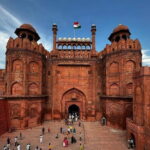
Two cultures, one route: Delhi to Varanasi. This trip stitches together India’s best-known sights—Taj Mahal, Red Fort area history, and Jaipur’s palaces—then flips the mood toward Varanasi, with ghats, temples, and Ganga rituals. You get a logical arc: Mughal-era monuments in Delhi, royal Rajasthan in Jaipur, Mughal splendor in Agra, then the spiritual “burning city” side of India.
I also like the way the guide, Rajendra Halduniya (Raji), is described as prepared and flexible—he explains temple and palace details clearly and can add unplanned stops like market walks when you ask. Another win is the small moments: a tuk-tuk ride for street-level flavor, plus a Ganges boat ride in Varanasi when the city feels most alive.
One consideration: the schedule is packed, and Varanasi involves real steps and riverfront crowds. If you prefer slow days and minimal walking, you’ll need to pace yourself—especially around the ghats and cremation area views.
In This Review
- Key highlights you’ll feel quickly
- Golden Triangle plus Varanasi: the big mood shift
- Delhi’s Mughal monuments plus a tuk-tuk street reality check
- Swaminarayan Akshardham, Humayun’s Tomb, and Gandhi’s Raj Ghat
- Jaipur: palaces, wind-shaped views, and Jantar Mantar’s science
- Chand Baori and Agra Fort: the stops that add depth
- Taj Mahal day: plan your attention, not just your photos
- Varanasi ghats and Manikarnika: seeing the Ganges rituals up close
- Sarnath and Durga Temple: calmer second act after the river
- Transport, timing, and how your days are likely to feel
- Price and value: what you’re really paying for
- Who should book this Golden Triangle and Varanasi route
- Should you book this tour?
- FAQ
- How long is the Golden Triangle and Varanasi tour?
- What cities are included?
- Are flights and train tickets included?
- What meals are included?
- Which extra activities are included beyond standard sightseeing?
- What is the cancellation window for a refund?
Key highlights you’ll feel quickly

- Golden Triangle + Varanasi in one continuous storyline, not a disconnected checklist
- Raji (Rajendra Halduniya): detail-focused explanations and room for custom requests
- Tuk-tuk ride on Day 1 to see everyday streets beyond main attractions
- Boat ride on the Ganges and time at major ghats, including Manikarnika
- Train + flight included (Agra → Varanasi by train, then Varanasi → Delhi by flight)
- WiFi onboard and an AC vehicle to reduce the “travel fatigue tax”
Golden Triangle plus Varanasi: the big mood shift
This tour works because it doesn’t treat India as one uniform experience. You start in Delhi with big, showy monuments—then you move into Jaipur’s royal geometry—then Agra delivers the full-on Taj Mahal moment. After that, Varanasi shifts the focus from marble and empires to daily spirituality and river life.
That contrast is the point. In Delhi and Jaipur, you’re looking upward at architecture. In Varanasi, you’re looking down at steps, into rituals, and out over the Ganges River. It’s a different pace of attention.
If you like your travel to have a narrative—history to devotion to the present—this route makes sense. And because you’re moving by private group logistics (your group only), you can ask for adjustments without having to fight for space.
You can also read our reviews of more city tours in New Delhi

Delhi’s Mughal monuments plus a tuk-tuk street reality check
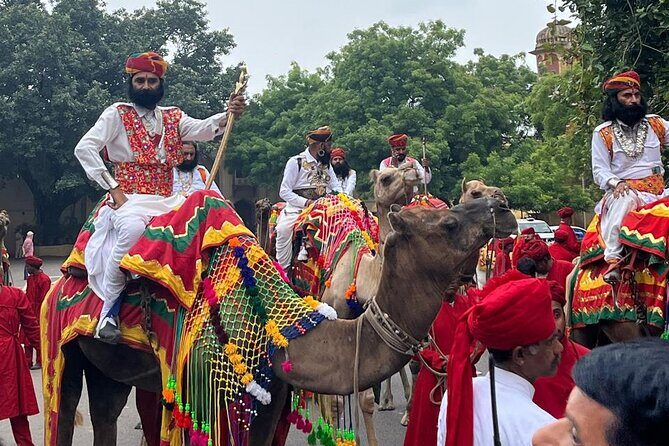
Day 1 is built for first impressions, and it’s a smart mix. You start at Jama Masjid, then move to the Lotus Temple, and finish at India Gate. Jama Masjid is Mughal architecture with serious scale: towering minarets, big gates, and red sandstone paired with white marble. It’s the kind of place where the building’s size changes how you take photos—you tend to step back more than usual.
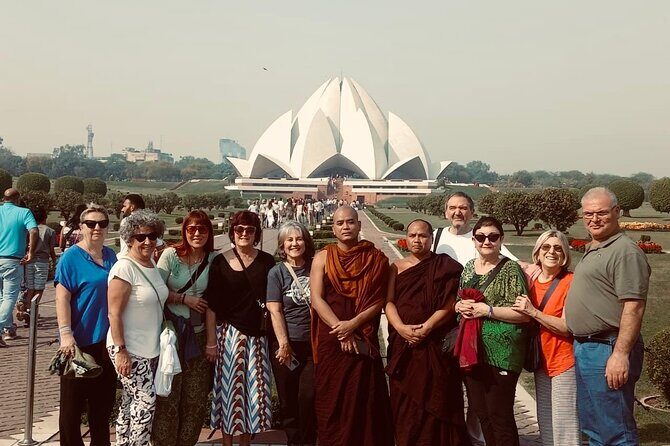
The Lotus Temple is the opposite in mood. Bahá’í design, calm surroundings, and that clean, peaceful layout make it a good “reset” after the intensity of Jama Masjid. Then India Gate adds a national-honor moment with an open, ceremonial feel, and you can linger for photos without needing a ticket.
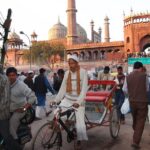
The highlight for many people is the tuk-tuk ride. This is where you get a slice of the city that doesn’t rely only on ticketed sights. You’ll likely pass neighborhoods and street life that doesn’t show up in quick photo stops. It’s not just fun—it helps you get your bearings fast for the days ahead.
Swaminarayan Akshardham, Humayun’s Tomb, and Gandhi’s Raj Ghat
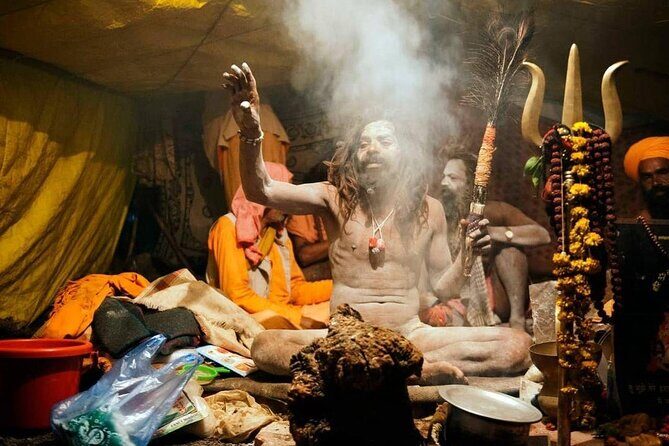
Day 2 keeps Delhi moving, but in a balanced way: spirituality, Mughal legacy, and modern national memory.
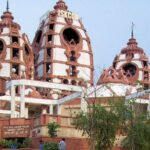
At Swaminarayan Akshardham, you’re in a large spiritual complex dedicated to Bhagwan Swaminarayan. Opened in 2005, it’s known for intricate carvings and a sense of order—good if you like places that feel designed as much as built.
Then comes Humayun’s Tomb, a UNESCO World Heritage Mughal landmark. This is where you can start spotting Mughal “language”: symmetry, gardens, and that monumental calm. It’s a great stop to compare with Jama Masjid, because both are Mughal-inspired, but the vibe differs.
Raj Ghat is next, dedicated to Mahatma Gandhi, and it’s intentionally restrained: a memorial setting along the Yamuna River. Then you close with Gurudwara Bangla Sahib, a prominent Sikh gurdwara in Connaught Place. It’s typically a strong cultural stop because it’s active and welcoming, not only historical.
Practical tip: Delhi can run hot or hectic depending on season. With an air-conditioned vehicle and WiFi onboard, you’re not stuck baking between stops. Still, wear comfortable shoes. You’ll walk.
Jaipur: palaces, wind-shaped views, and Jantar Mantar’s science
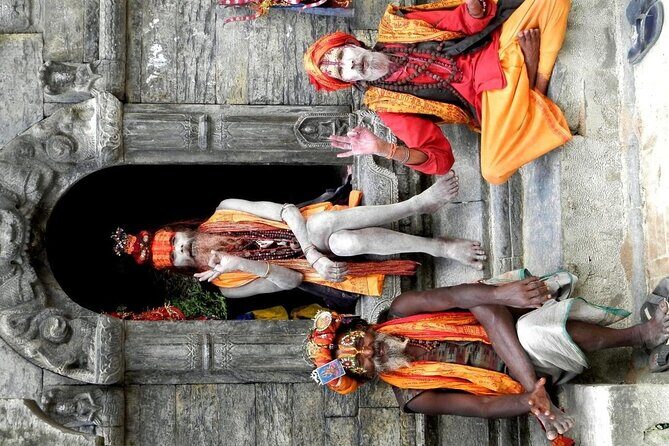
Jaipur begins to feel like a different country. Even when you’re just driving a few blocks, the colors and architecture shift your eye. Day 3 includes stops like Birla Mandir Temple (Laxmi Narayan Temple) and the Patrika Gate near Jawahar Circle Garden.
Birla Mandir is a Hindu temple with a modern feel compared to older royal structures. It’s easy to visit, and it’s a nice early entry into Jaipur’s religious architecture.
Patrika Gate is quick but photogenic, with Rajasthani art themes. This kind of stop works when you want beauty without long lines.
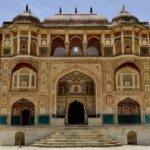
Day 4 brings bigger icons. Hawa Mahal, the Palace of Winds, is the famous crown-like facade built in 1799. You’ll see why it’s popular for photos: the facade is built for viewing and light, and the shape makes every angle look different. The itinerary also includes time at the palace of water (a short photo time), which is essentially about letting the building detail land before you move on.
Then you hit Jantar Mantar, a UNESCO World Heritage astronomical observatory with 19 large instruments from the 18th century. If you’ve ever wondered how people measured time and the sky before electronics, this is the place where it becomes tangible. You don’t need to be a science person—you’ll still appreciate the scale and precision.
Finally, City Palace is where Jaipur’s royal story becomes physical. You’ll get a couple hours here, which matters. City Palace isn’t a “blink and go” stop; it rewards patient wandering through rooms, courtyards, and layered design.
At the end, there’s Jaipur Gems & Jewellery. This is one of those parts where you should go with your eyes open. It’s included, and it can be interesting if you want to understand gemstone craftsmanship and the local gem trade. If you’re not into shopping, you can still use it as a cultural learning stop—just set a limit on time and spending.
Chand Baori and Agra Fort: the stops that add depth
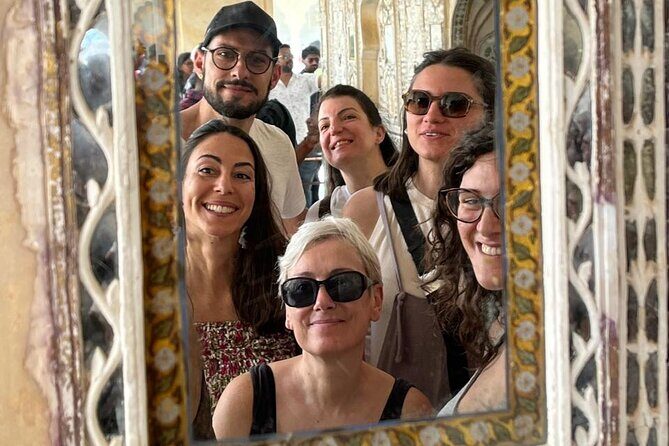
Not every day can be a top-3 headline monument, and that’s okay. Day 5 includes Chand Baori in Abhaneri and Agra Fort, and both add texture to the trip.
Chand Baori is a historic stepwell with deep tiers—one of the most dramatic stepwells in the region. It’s visually striking and gives you a break from palace walls. You’ll likely spend around 30 minutes here, enough time to understand the geometry and take photos from a few angles.
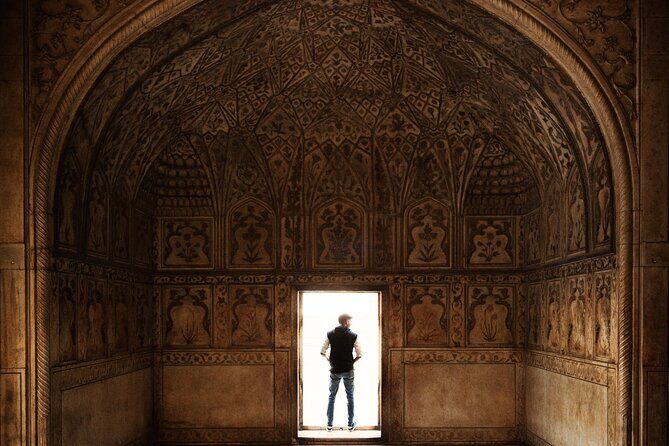
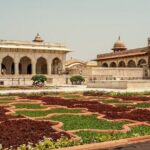
Then you roll into Agra Fort, a UNESCO World Heritage site that served as the main Mughal residence before the capital shifted to Delhi. It’s a fort, so plan for walking inside and moving between viewpoints. Admission is included, and it’s one of the best ways to understand the Mughal world beyond the Taj silhouette.
This matters because the Taj Mahal day will feel more meaningful if you already understand the imperial setting. You’re not seeing the Taj in isolation—you’re seeing it as part of a larger Mughal landscape.




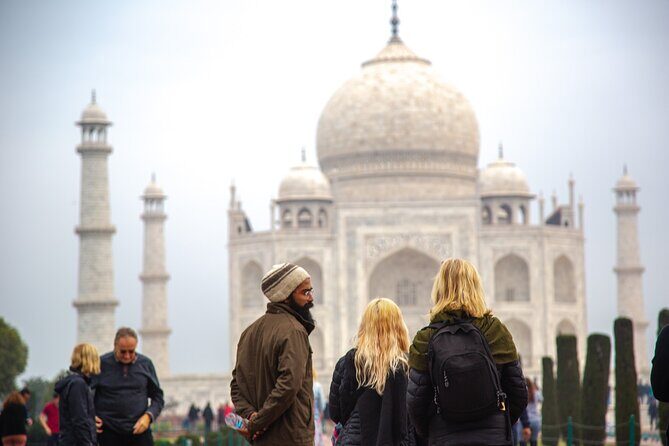
Taj Mahal day: plan your attention, not just your photos
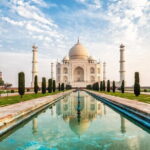
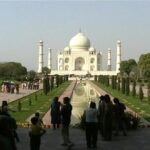
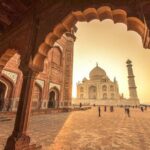
Day 6 is Taj Mahal, and it’s the stop most people already know. But what makes this tour’s approach work is that it’s not your first Taj daydream. By the time you arrive, you’ve had Delhi’s Mughal structures and Agra Fort’s imperial context.
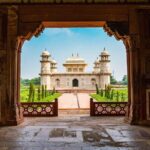
The Taj Mahal visit is timed at about two hours with admission included. That’s a workable window. You want enough time to see the main facade, notice the symmetry, and then move around to understand the building’s scale in real space—not just a postcard frame.
A practical thought: it’s easy to spend all your attention on the front view only. Give yourself a moment to look for how the monument holds up from different angles. That’s where the building starts to feel less like a single photo and more like a constructed experience.
Varanasi ghats and Manikarnika: seeing the Ganges rituals up close
Now for the part people remember for the rest of the trip.
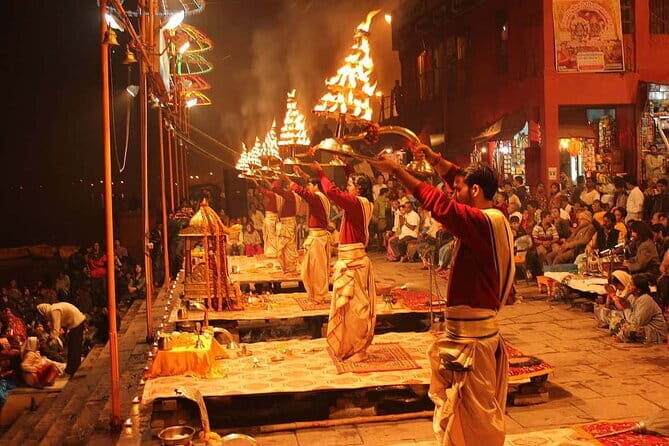
Day 7 is all about the Ganges River experience. You start with Ganga Ghats, time at a sequence of steps down to the water. There are over 80 ghats in Varanasi, and you’ll be at one of the core spiritual zones for several hours. Admission is free for this portion, but the real “ticket” is your attention.
This is not a museum visit. It’s an active religious setting. You’ll see rituals and daily life unfold in front of you. If you feel overwhelmed by emotion or noise, that’s normal—don’t force yourself to treat it like sightseeing only.
The itinerary then includes time at Manikarnika Ghat plus a boat ride. Seeing cremation ghats from a respectful vantage point is intense. You’re not supposed to act like you’re watching a show. The best approach is quiet observation and clear boundaries—don’t interfere with ceremonies.
The good news is that a Ganges boat ride helps you understand the city’s layout. From the water, the ghats line up in a way you can’t replicate from land. It turns chaos into pattern.
If you want photos, treat them as secondary to understanding what’s happening. The best shots often come from moments when you’re paying attention first.
Sarnath and Durga Temple: calmer second act after the river
Day 8 offers a relief from the intensity of the ghats. Sarnath is where Lord Buddha gave his first sermon, known as the Dhammacakkappavattana Sutta. This is one of India’s key Buddhist sites, and it’s the kind of place where quiet listening feels natural. Admission is included, and the scheduled time is about two hours—enough for wandering without rushing.
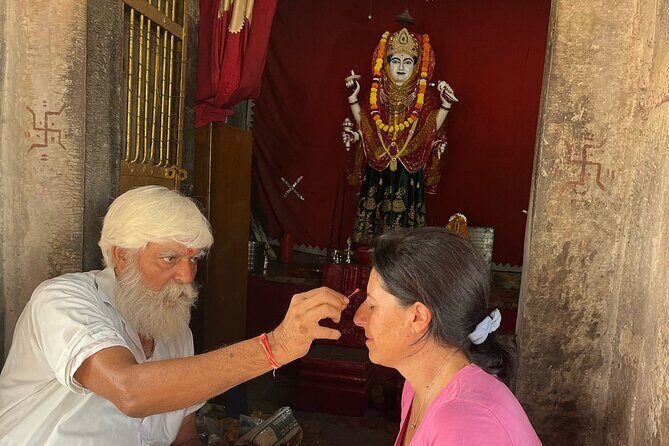
Then there’s Durga Temple, a stop framed around blessing and energy from the goddess Durga. Admission is free here, and it’s more about spiritual atmosphere than landmark scale. This stop gives you a different kind of meaning after Ganga rituals.
Taken together, Day 8 helps you process what you saw the day before. It also keeps the trip from feeling like one long emotional sprint.
Transport, timing, and how your days are likely to feel
This tour is built around moving efficiently between cities with included major transport. You’ll use an AC vehicle in-city, plus an included train ticket from Agra to Varanasi. Then you’ll fly from Varanasi to Delhi (also included). That matters because it reduces the time you’d otherwise spend figuring out schedules and booking.
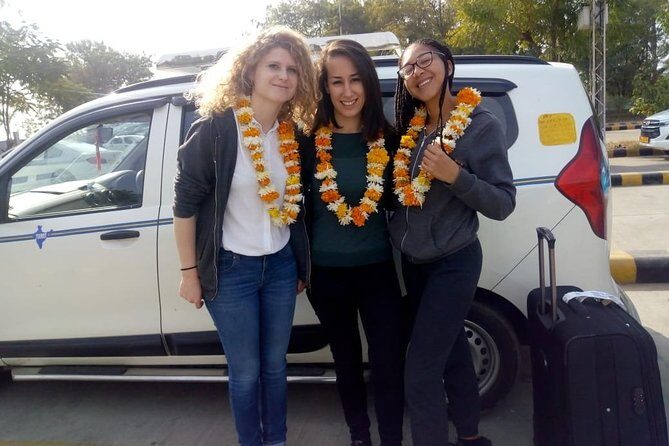
Day 9 is more relaxed: airport pickup on arrival in Delhi and a shift toward hotel time to rest. Day 10 ends with drop-off at IGI Delhi airport.
Meals: breakfast and dinners are included (8 breakfasts and 9 dinners), while lunch is not included. That means you’ll have flexibility, but you’ll also need to budget for mid-day food. If you have dietary needs, use your guide to steer you toward safe, predictable options.
Group experience: it’s described as a private tour/activity, meaning you’re not mixed into random crowds all day. At the same time, it’s scheduled with group discounts, so it’s probably structured as a shared route for timing, even if your group stays together.
Price and value: what you’re really paying for
At $1,163.18 per person for a 10-day trip, the value is less about a bargain price and more about what’s already handled for you.
You’re paying for:
- Major transport: the train (Agra → Varanasi) and the flight (Varanasi → Delhi)
- On-the-ground logistics: AC vehicle, pickup, and airport transfers
- Guiding and entry management: included admission fees for multiple key stops
- Experience extras: tuk-tuk ride and Ganges boat ride
- In-trip meals: breakfast (8) and dinners (9)
Where you’ll still spend money:
- Lunches (not included)
- Any optional add-ons if you ask for extra shopping or side visits
- Personal expenses like snacks, bottled water, and souvenirs
So the question isn’t just is it cheap. It’s whether you’d rather pay to have a full route stitched together—or pay less and spend more time coordinating transport, tickets, and timing yourself. If you’re short on planning energy, this style of package tends to feel worth it.
Who should book this Golden Triangle and Varanasi route
This is a strong pick if you want:
- A tight itinerary that still covers the big emotional range—royal monuments and river devotion
- A guide who handles details and explanations well, including Rajendra Halduniya (Raji) and his flexibility with requests
- Included transport that reduces travel-day stress
- A mix of headline sites (Taj Mahal) and meaningful “supporting characters” (Agra Fort, Chand Baori, Sarnath)
You might think twice if you:
- Hate packed days or lots of walking
- Need a very predictable, quiet itinerary (Varanasi is active and sometimes intense)
- Want lunch fully included, since lunch isn’t on the list
Should you book this tour?
Yes, if you want a guided route that connects Delhi → Jaipur → Agra → Varanasi with less friction and more meaning in the order. The standout advantages are the combination of included transport, the Ganges boat ride, and the fact that your guide, Raji, is described as patient, detail-focused, and willing to adapt when you request extra activities like market visits.
But go in ready for Varanasi’s intensity and a full schedule. If you’re the type who brings good shoes, a calm attitude for crowds, and a willingness to look beyond photos, you’ll likely love what this trip delivers.
FAQ
How long is the Golden Triangle and Varanasi tour?
It runs about 10 days, with pickup in Delhi and a return drop-off at IGI Delhi at the end.
What cities are included?
You’ll visit New Delhi, Jaipur, Agra, and Varanasi.
Are flights and train tickets included?
Yes. The tour includes one flight from Varanasi to Delhi and one train ticket from Agra to Varanasi.
What meals are included?
Breakfast is included 8 times and dinner is included 9 times. Lunch is not included.
Which extra activities are included beyond standard sightseeing?
You’ll get a tuk-tuk ride and a Ganges river boat ride.
What is the cancellation window for a refund?
You can cancel up to 6 days in advance for a full refund. Cancel 2–6 days before for a 50% refund, and less than 2 days before is not refundable.