REVIEW · JAIPUR
From Delhi: Private 5 Days Golden Triangle Guided Tour
Book on GetYourGuide →Operated by India Tour Solution - ITS · Bookable on GetYourGuide
Five days, three cities, one smooth plan.
This private Golden Triangle tour is interesting because it keeps the main sights moving without forcing you to juggle tickets, routes, or timing on your own. I like the way the tour is built around a private guide (so explanations aren’t stuck at the speed of a big group), and I also like the comfort of a private, air-conditioned vehicle with pickup from your Delhi-area hotel or airport.
One thing to consider: the headline sites have an extra entrance-fee cost of about $80 per person, and some days swap out sights because of closures (Taj Mahal is closed on Friday; Red Fort and Lotus Temple on Monday).
In This Review
- Key Points That Make This Tour Worth Your Time
- Golden Triangle Rhythm: How the 5-Day Pace Really Works
- Delhi the Smart Way: Old Delhi + New Delhi Without the Chaos
- Agra Day One: Taj Mahal with Battery Bus Access, Plus Fort and Mehtab Bagh
- Fatehpur Sikri: The UNESCO Stop That Breaks Up the Drive
- Jaipur City Sights: City Palace, Jantar Mantar, and Hawa Mahal
- Amber Fort and Jal Mahal: The Jaipur Day That Feels Like a Movie Scene
- What Makes This Tour Feel Private: Guides, Rides, and Small Comfort Wins
- Price and Entrance Fees: Where the Real Value Shows Up
- Practical Stuff You’ll Thank Yourself For
- Who Should Book This Tour (and Who Might Want Something Else)
- Should You Book It? My Decision Rule
- FAQ
- Are entrance fees included in the price?
- What time-related closures should I know about?
- What’s included for transport between Delhi, Agra, and Jaipur?
- Will I have a guide at the sights?
- Is Taj Mahal access handled with any special transport?
- What kind of hotel rooms should I expect?
Key Points That Make This Tour Worth Your Time

- Private guide every day, including guided monuments and Old Delhi details
- Taj Mahal logistics handled with a battery bus to and from the Taj parking area
- A balanced Agra + Jaipur mix, with sunset views from Mehtab Bagh plus fort-and-palace sightseeing in Jaipur
- Fatehpur Sikri on the way, so you get a UNESCO stop without adding a whole extra trip
- Old Delhi with a rickshaw ride, which is often the fun part people remember
- Hotel nights + daily breakfast included, so you’re not doing guesswork on where to sleep
Golden Triangle Rhythm: How the 5-Day Pace Really Works
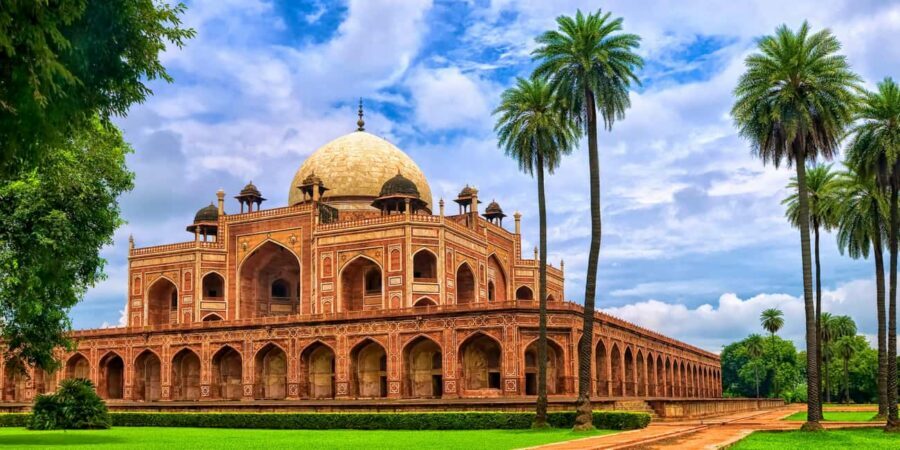
This is a classic “big sights, focused days” route: Delhi first, then Agra, then Jaipur, with plenty of driving in between. The good news is that it’s set up as a private tour, so your day is shaped around your guide’s timing instead of a group’s panic schedule.
You’ll have 4 nights of accommodation (4- or 5-star options depending on what you choose) and daily breakfast. That matters more than it sounds. When you’re moving between cities, the morning meal becomes your anchor: you start on time, you don’t waste daylight hunting food, and you can handle longer sightseeing blocks without getting cranky.
Transportation is by private air-conditioned vehicle, and the vehicle size scales to your group: a 4-seater sedan for 1–2 people, a 6-seater SUV for 3–4 people, and a 10-seater minivan for 5–10 people. If you’re traveling as a small party, that vehicle choice is a real value play because you’re not crammed into a bus with strangers.
A practical note: the tour is designed around skip-the-ticket-line entry at monuments, which can save time at the biggest bottlenecks—especially at the Taj Mahal and the key Jaipur sights. It’s not magic (you still need to clear security), but it helps the day stay on track.
You can also read our reviews of more guided tours in Jaipur



Delhi the Smart Way: Old Delhi + New Delhi Without the Chaos
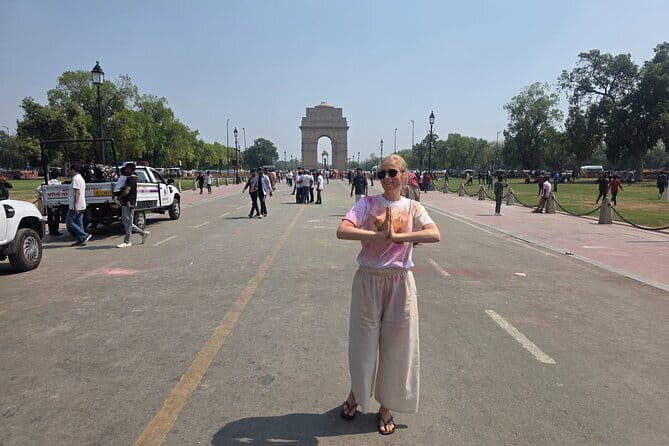
Your Delhi days are split into Old Delhi and New Delhi, which is exactly how I’d recommend doing it if this is your first visit. Old Delhi is sensory overload: dense markets, heavy foot traffic, and that unmistakable old-street energy. New Delhi is more spaced out and monument-friendly, with iconic government buildings and wide roads.
In Old Delhi, you’ll hit Jama Masjid, then do a rickshaw ride, then explore Chandni Chowk with a guided focus, and you’ll also see the Red Fort. The rickshaw part is short, but it’s memorable because it puts you into the pace of the street. And because this is a private setup, the guide can help you navigate what you’re seeing instead of you guessing your way through it.
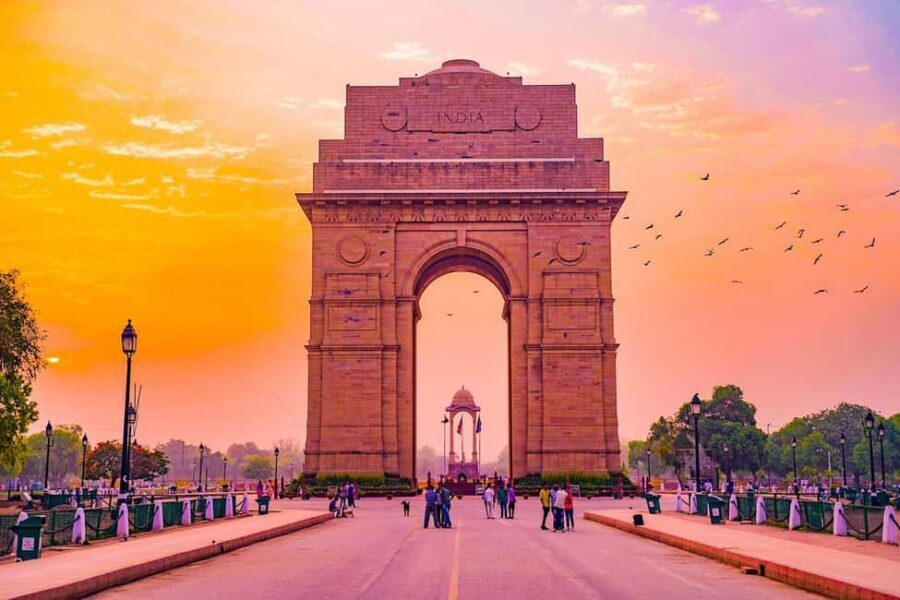
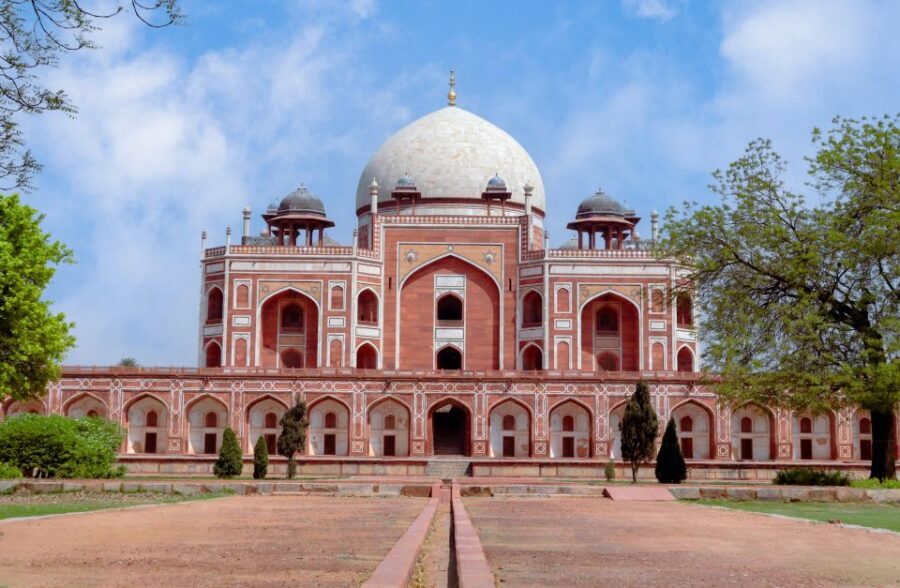
On the New Delhi side, the highlights are big and spread out: Humayun’s Tomb, India Gate, Parliament House (scenic views/pass-by), Qutb Minar (scenic views), and Lotus Temple with a guided visit. If you’re the kind of traveler who likes contrast, this mix is great: Mughal-era structure in one frame, modern civic monuments in the next.
Two closure details matter for planning. If you’re in Delhi on a Monday, the Red Fort and Lotus Temple are closed, and the plan swaps in Gurudwara Bangla Sahib. And on other days, you’ll still get the intended mix of Old and New Delhi sights—just understand that India’s calendars drive some of the order.
Agra Day One: Taj Mahal with Battery Bus Access, Plus Fort and Mehtab Bagh
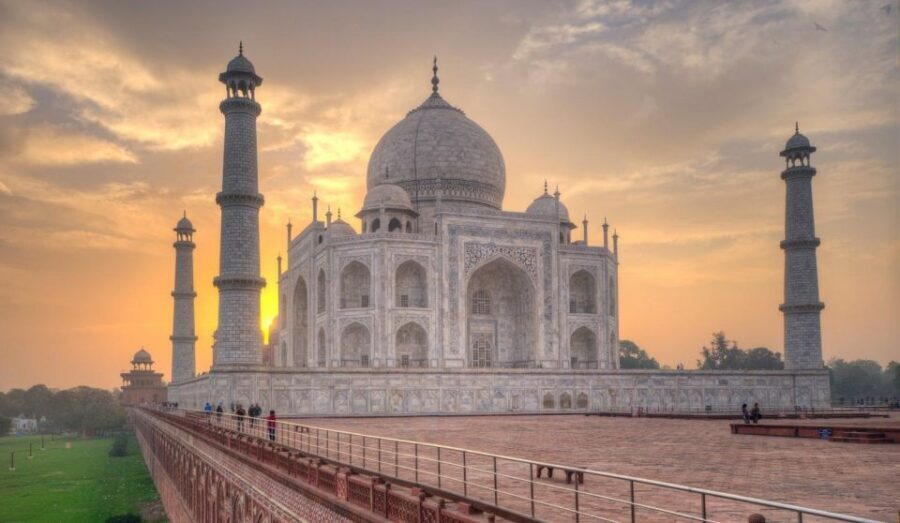
Agra is where your Golden Triangle story gets serious. The day starts with the drive from Delhi (about 3 hours), then you check in, freshen up, and go straight for the Taj Mahal.
You get a guided visit with about 2 hours on-site, plus help with the usual congestion at the parking area: a battery bus ride to and from the Taj Mahal monument. That small detail matters because it reduces walking time and makes the visit smoother, especially in hot or busy conditions.
For the Taj itself, you’re not just there to look. The guide’s job is to explain what you’re seeing—how the marble, gardens, symmetry, and monument layout work together. Even if you’ve seen photos, the real thing lands differently because you can actually measure scale and line-of-sight.
After the Taj, you’ll explore Agra Fort, a UNESCO site. Forts are practical history: you get views, walls, gates, and the sense of why emperors chose particular spots. Plan your photos around the angles your guide points out, and wear comfortable shoes—Agra Fort is where your legs do their work.
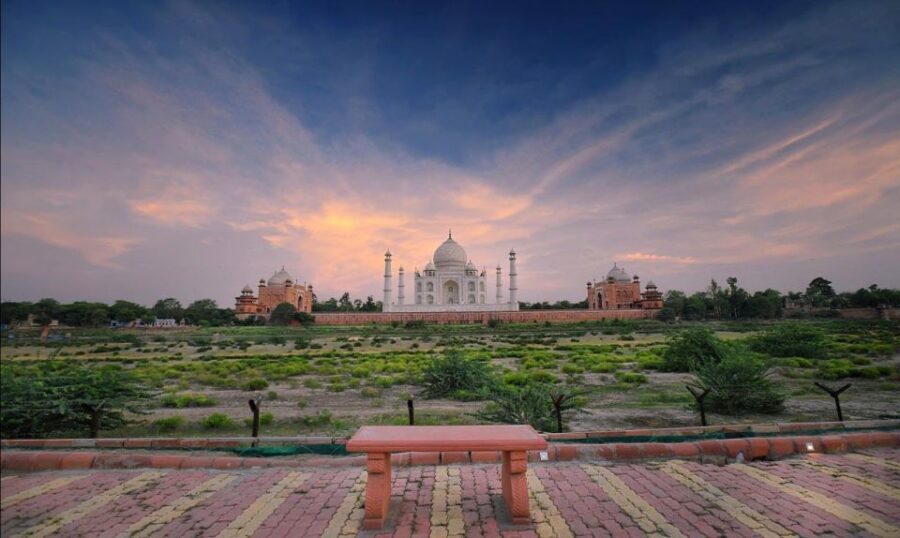
You’ll also get Mehtab Bagh, described as a rare sunset-view area for the Taj Mahal. This is a smart addition because it changes how you experience the Taj. The main viewpoint is iconic, but the “from the garden” view gives the monument a softer, more atmospheric feel, especially in late light.
One more sight appears in the flow: Baby Taj is included as a shorter stop (about 30 minutes with scenic views). It’s a nice palate cleanser between big-ticket landmarks because it’s quieter and smaller-scale than the main monuments.
Fatehpur Sikri: The UNESCO Stop That Breaks Up the Drive

Between Agra and Jaipur, the tour includes Fatehpur Sikri, a UNESCO site, with around 1 hour of time. This stop is valuable because it breaks the monotony of highway driving and gives you a major Mughal-era “wow” moment without extending your trip into a separate day.
Fatehpur Sikri is known for its red sandstone buildings, with key architecture concentrated around major entrances like the Buland Darwaza Gate. You’ll also see the marble tomb of Salim Chishti, which adds a different material texture to what you’re seeing.
The plan mentions specific interiors/areas you’ll encounter, including the Diwan-E-Khas Hall with a carved central pillar, plus the mix-style Jodha Bai Palace (Hindu and Mughal elements). There’s also reference to the Panch Mahal, a five-storey structure overlooking the site.
Why this matters for you: Fatehpur Sikri is the kind of place where a guide helps you connect the parts. Without context, it can feel like “stone blocks in a courtyard.” With context, it clicks as a designed complex with political and spiritual meanings baked into the architecture.
Jaipur City Sights: City Palace, Jantar Mantar, and Hawa Mahal
Jaipur’s first sightseeing block focuses on classic city symbols, and it’s a good way to get your bearings. After breakfast and check-in, you’ll tour City Palace, then Jantar Mantar, and then Hawa Mahal (Wind Palace).
City Palace gives you the royal setting. You’re not just looking at one building—you’re seeing how the palace connects to the wider city story. It’s a helpful start because Jaipur is full of architectural pieces that make more sense once you understand the center.
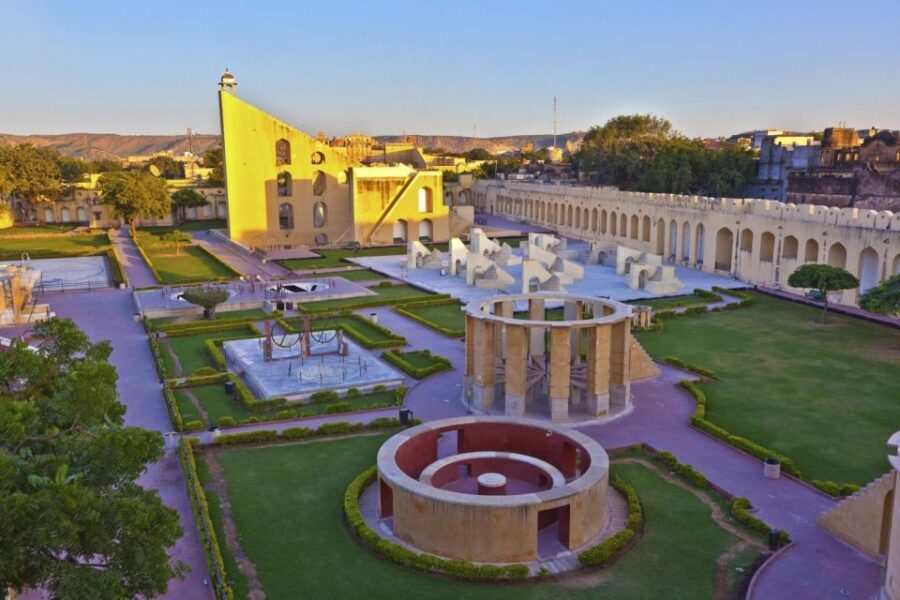
Then comes Jantar Mantar, the astronomical observatory. The cool thing here is how practical the instruments feel. It’s not abstract math on paper. It’s stone structures that were meant to measure time and motion in the real world. You’ll want to watch for what the guide points out so you know why each part exists.
Finally, Hawa Mahal is one of Jaipur’s most recognizable silhouettes. The Wind Palace is famous for its facades and window patterns. Even if you’ve seen it on postcards, it plays differently when you’re standing close and realizing how the design ties to airflow and everyday movement.
Because this is a private tour, the pace is controlled. You can take photos without constantly feeling like you’re holding up 30 people behind you.
You can also read our reviews of more private tours in Jaipur






Amber Fort and Jal Mahal: The Jaipur Day That Feels Like a Movie Scene
On the next Jaipur sightseeing stretch, the plan focuses on Amber Fort plus scenic stops like Jal Mahal, along with a mention of the Monkey Temple.
Amber Fort gets about 45 minutes of guided viewing. That’s enough time to understand the major structures and enjoy the scale. It’s also the kind of place where you’ll notice how the fort sits with the landscape. Again, context matters: a guide can help you see how the walls, courtyards, and vantage points work together.
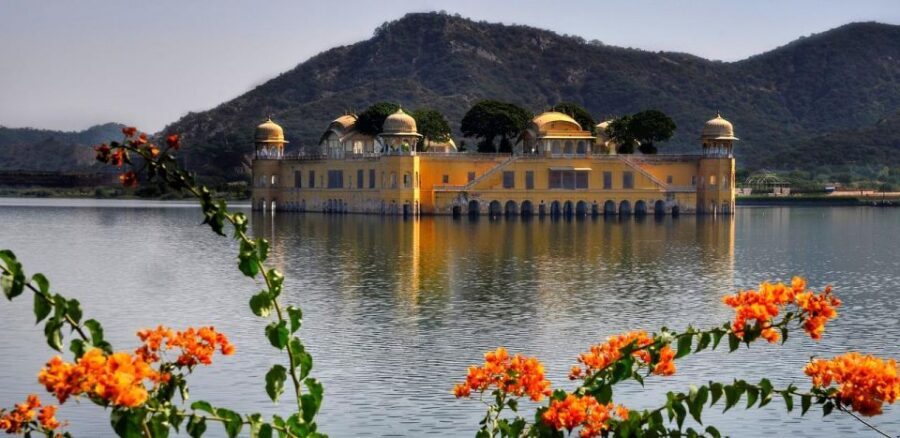
Jal Mahal is listed as a scenic stop, and it’s easy to see why. The water-and-palace look makes it a photo magnet, but I’d also treat it as a breather. You’ve been doing forts and palaces—this is the moment to slow your brain down a bit, take a few photos, and then re-focus for the drive back.
Monkey Temple is mentioned as part of the Jaipur sightseeing. In practice, you should expect the area to feel active, and you’ll want to keep your belongings secured and your head up for where you step.
After lunch and sightseeing, you’ll drive back to Delhi and check in for a comfortable overnight stay. That return day is longer than it looks on paper, so if you tend to get tired from road time, plan to go easy after you arrive.
What Makes This Tour Feel Private: Guides, Rides, and Small Comfort Wins

The private nature isn’t just a marketing line. It shows up in the details.
You’ll have private guides at the key sites, plus explanations in multiple languages (English, French, Russian, German, Spanish, Hindi, Japanese, Italian). If you’re choosing this for language comfort, it’s worth picking a guide who matches your preferred language. Some travelers found language match matters most on the later days, so treat that as a priority when you book.
The tour also includes hands-on elements that break up sightseeing fatigue:
- Rickshaw ride in Old Delhi, which is the kind of activity you can’t fully DIY because you’ll want context and safe guidance.
- Battery bus ride at the Taj Mahal parking area, which reduces unnecessary walking.
- Bottled mineral water during journeys, a small detail that keeps you moving without stress.
- Personal care and attention, which usually means fewer awkward pauses while someone figures out what to do next.
The value also shows in how the drivers handle logistics. From the guidance you can see in the tour feedback, the best days are when drivers are punctual and calm in traffic. People highlighted drivers by name like Rahul, Amar, Ramesh, and Veesu, and guides such as Kabeer, Azhar, Danish, Shamim, Farhan, Soni, and Aamir. Even if those specific names won’t be yours, it’s a hint of what to ask for: a guide who can explain clearly and a driver who can keep the ride steady and safe.
Price and Entrance Fees: Where the Real Value Shows Up
At $104 per person, the headline price looks low for a private 5-day plan. But here’s the honest math based on what’s included and what isn’t.
What you’re getting in the price:
- 4 nights accommodation (with daily breakfast)
- Private air-conditioned transport across cities
- Private guide at sites
- Rickshaw ride in Old Delhi
- Battery bus at the Taj
- Pick-up and drop-off from your Delhi-area start point or airport/railway station
- Mineral water during journeys, plus fuel, taxes, and hotel taxes
What’s not included:
- Entrance fees, about $80 per person for monuments listed
- Lunch and dinner
- Personal expenses
So your all-in cost usually becomes closer to the base price plus that entrance fee and your meals. If you’re planning to pay for guides and hotels anyway, this tour’s structure can be good value—especially because the private guide is built in for the main sites and the vehicle is private the whole way.
One more cost note: on Christmas and New Year’s Eve dates, there’s a mandatory gala dinner charge at an extra cost during a specific seasonal window. If your travel dates overlap those days, budget for it.
Food-wise, because lunch and dinner aren’t included, you’ll want to choose meals that are easy, clean-feeling, and close to where you’ll be at midday and evening. Your guide can often suggest options that fit your pace.
Practical Stuff You’ll Thank Yourself For
A few on-the-ground items matter on this route.
Bring:
- Comfortable shoes (forts and temples mean real walking)
- Sunglasses, sun hat, sunscreen
- A credit card and some cash
- ID or passport
- Comfortable clothes you can wear across temples and monuments
A couple of rules:
- No alcohol and drugs
- The Taj Mahal is subject to closure timing, and Friday closure is specifically stated
- Red Fort and Lotus Temple closure on Monday is handled by swapping to Gurudwara Bangla Sahib
Room setup is generally twin-sharing. If you’re booking for three people, it defaults to triple-sharing, unless three guests want two separate rooms, which can require an extra charge paid in cash (the amount varies by travel months). That’s a detail worth checking early so you don’t end up negotiating on arrival.
Also, if you’re considering this for every traveler: it’s listed as not suitable for pregnant women. If anyone in your group has mobility needs beyond the standard walking required for forts and gates, you’ll want to factor in that the schedule includes multiple monuments and long drive days. Wheelchair accessibility is mentioned, but the itinerary still includes stairs and uneven historic surfaces at many sites.
Who Should Book This Tour (and Who Might Want Something Else)
This is a great fit if you:
- Want a first-time Golden Triangle trip with a steady plan and minimal decision fatigue
- Care about guided context, not just photo stops
- Like the comfort of private transport and a manageable pace
- Prefer to move in a small group with direct attention
It may not be ideal if you:
- Really hate long road time between cities
- Travel with someone who needs a very flexible day with fewer walking demands
- Are determined to only pay a very strict budget and don’t want the extra entrance fees
If you’re solo, this can still work well because private guides and a private driver reduce the usual hassle of doing India sights alone. If you’re a family or a small group, the vehicle size scaling is a plus.
Should You Book It? My Decision Rule
If you want a clean, guided Golden Triangle that handles the awkward parts—transport, guides at key monuments, and Taj logistics—then I’d book it. The base price is strong for what’s included, and the structure gives you the major hits in Delhi, Agra, and Jaipur without feeling like you’re rushing blindly.
I’d only hesitate if your dates land on a closure-heavy day and you’re emotionally attached to a specific monument view, since the schedule swaps around closures. And I’d double-check your budget for the ~$80 entrance fees plus meals.
If you go in with the right expectations—private, guided, and efficient—you’ll likely come away with the kind of Golden Triangle memories that don’t feel like checkmarks.
FAQ
Are entrance fees included in the price?
No. Entrance fees are not included and are listed as approximately $80 per person for the monuments in the plan.
What time-related closures should I know about?
The Taj Mahal is closed every Friday. Red Fort and Lotus Temple are closed on Mondays, and the plan swaps to Gurudwara Bangla Sahib on that day.
What’s included for transport between Delhi, Agra, and Jaipur?
You get transportation by a private air-conditioned vehicle across the cities, with pick-up and drop-off from your selected Delhi-area location or the airport/railway station.
Will I have a guide at the sights?
Yes. The tour includes a private guide at sites throughout the experience, and guided visits are part of the key monument stops.
Is Taj Mahal access handled with any special transport?
Yes. The plan includes a battery bus ride to and from the Taj Mahal parking lot up to the monument.
What kind of hotel rooms should I expect?
Rooms are generally provided on a twin-sharing basis. For bookings of 3 people, rooms are provided on triple-sharing by default, with extra charges if you prefer two rooms.