REVIEW · NEW DELHI
From Delhi: 2-Day Agra & Jaipur Golden Triangle Experience
Book on GetYourGuide →Operated by Ayesha Holidays · Bookable on GetYourGuide
That first look at Taj Mahal changes everything. This 2-day route strings together Delhi’s drive-time comfort with professional guides and a tight sequence of must-sees, from Agra’s Mughal icons to Jaipur’s palaces.
I particularly like how it pairs the sights with a guide who explains what you’re actually looking at—when it works well, guides like Saif and Mohammed are praised for turning Taj Mahal and Agra Fort into clear, human-scale stories. I also love the practical setup: skip the ticket-line moment for the Taj experience, and use a private air-conditioned vehicle with a uniformed driver instead of negotiating transport all day.
One drawback to consider: service quality can vary. One negative account flagged a guide named Farhan pushing for an immediate 5-star rating, and another issue involved a guide not going inside Hawa Mahal and a driver asking invasive questions. You can reduce the odds of a bad day by setting expectations early and keeping your phone and plans firmly in your hands.
In This Review
- Key things I’d zero in on before you go
- A 2-Day Golden Triangle Route that saves your energy
- Day 1: From Delhi to Taj Mahal and Agra Fort (with a fast, guided entry)
- Taj Mahal: skip-the-line + golf cart comfort
- Lunch and the shift toward history
- Agra Fort: Mughal architecture that feels like a fortress-city
- Fatehpur Sikri: the quiet, deserted detour that adds meaning
- Night in Jaipur: set yourself up for a strong Day 2
- Day 2 in Jaipur: Amber Fort, City Palace, and Hawa Mahal
- Amber Fort: choose jeep or your own legs
- City Palace: a royal residence you can still picture
- Hawa Mahal: the Palace of Winds, and a lesson about expectations
- Jantar Mantar: astronomy you can walk through
- Transport and timing: how this tour actually feels in real life
- Guides and drivers: quality can swing, so set guardrails
- Price and value: how $31 can work (and when it won’t)
- What you need to budget for: tickets and food
- Accessibility and language notes that matter
- Who should book this 2-day Golden Triangle, and who should skip it
- Should you book this tour?
- FAQ
- Is the Taj Mahal open every day?
- Are monument entry tickets included?
- What’s included besides sightseeing?
- What hotel setup should I expect if I choose the stay?
- What languages are the guides available in?
- If I’m being picked up from the airport, what do I need to provide?
Key things I’d zero in on before you go
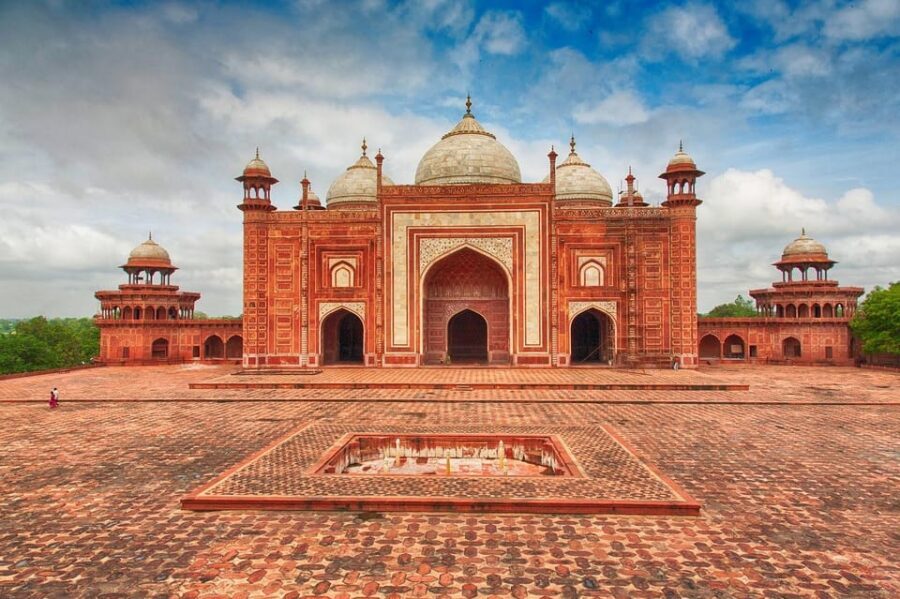
- Skip the ticket line for the Taj and use the on-site golf cart between parking and entrance
- Amber Fort access with a jeep ride or walking up, so you choose your pace
- Fatehpur Sikri as a stop on the way to Jaipur—deserted Mughal capital, not just a quick photo break
- Private transport + guides throughout, not a shared-bus style scramble
- English/French/Russian/Spanish/German tour guidance, depending on your group
- A good trip depends on your guide/driver fit—one account named Farhan flagged misconduct, and another mentioned guide limits at Hawa Mahal
A 2-Day Golden Triangle Route that saves your energy
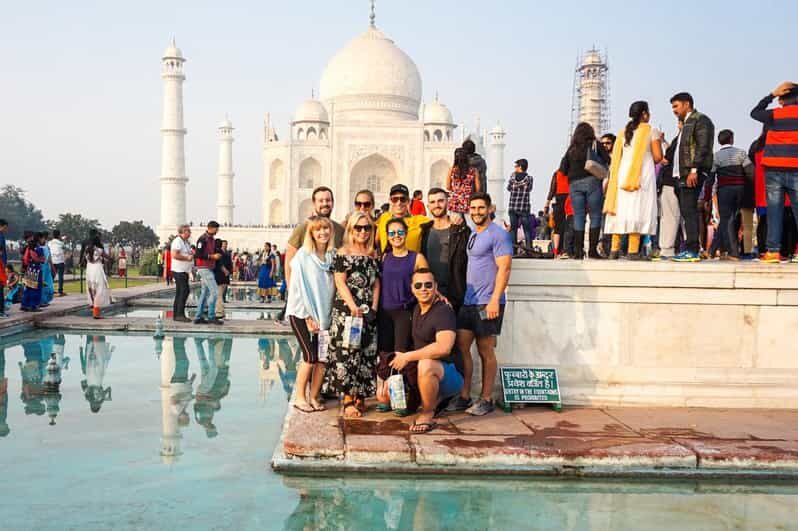
A good Golden Triangle tour does two things well: it gets you to the big monuments with minimal friction, and it helps you understand what you’re seeing without wasting half your time on logistics.
Here, the backbone is a private air-conditioned vehicle plus a personal uniformed driver. That matters. Delhi traffic can eat a day fast, and having transport handled means you can focus on the sights instead of timing rickshaws, buses, or unplanned stops.
You also get a professional guide at the major attractions, which turns a list of names into an actual path through Indian art, architecture, and royal power. Even if you know the headlines (Taj Mahal! Amber Fort!), the details are what make the buildings feel real.
One more practical note: if your itinerary hits Friday, plan around the Taj Mahal closure. The tour still runs, but your day needs adjusting so you’re not standing outside gates wondering what happened.
You can also read our reviews of more tours and experiences in New Delhi



Day 1: From Delhi to Taj Mahal and Agra Fort (with a fast, guided entry)
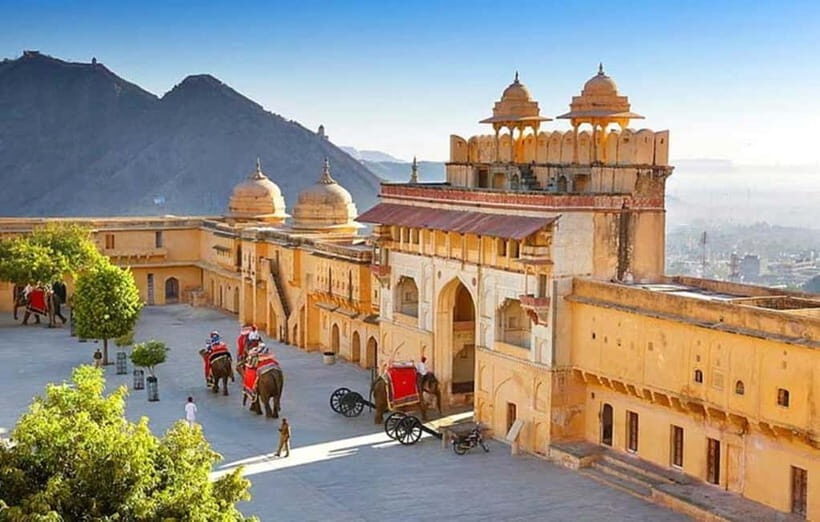
Day 1 starts with pickup in Delhi (or Gurgaon/Noida) and a drive to Agra. The early start matters here because you want daylight and less crowd pressure when you arrive at the Taj area.
Taj Mahal: skip-the-line + golf cart comfort
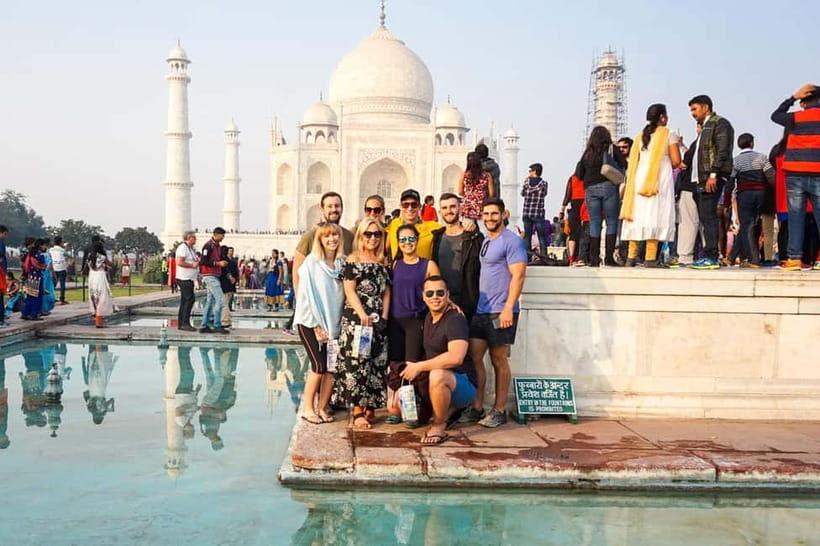
You’re visiting the Taj Mahal, UNESCO World Heritage Site and one of the New Seven Wonders. This is the moment most people picture when they say Golden Triangle.
Two small inclusions make the visit feel smoother:
- Skip the ticket line
- A golf cart ride to and from the Taj Mahal entrance from the parking area
That’s a big deal when you’re touring with limited time. It reduces walking, helps if you’re sensitive to heat, and gets you to the viewing experience quicker.
With a live English guide (plus other language options), you’ll get more than postcard angles. The Taj reads like a love story, yes, but it’s also a disciplined design project: symmetry, materials, and details that reward slower looking if you’re given even a little room to focus.
Tip: for the best photos, you’ll usually want to stand where your guide positions you, then take a second to step slightly away and look at the monument’s proportions rather than only the main dome. Taj Mahal is a geometry lesson disguised as a masterpiece.
Lunch and the shift toward history
After Taj Mahal, you’ll head to lunch at a local restaurant. Food isn’t included, so budget time and patience for that stop. It’s often where tours either feel rushed or feel comfortable. If you want the day to stay pleasant, hydrate before lunch and don’t let the guide’s schedule become your schedule.
Agra Fort: Mughal architecture that feels like a fortress-city
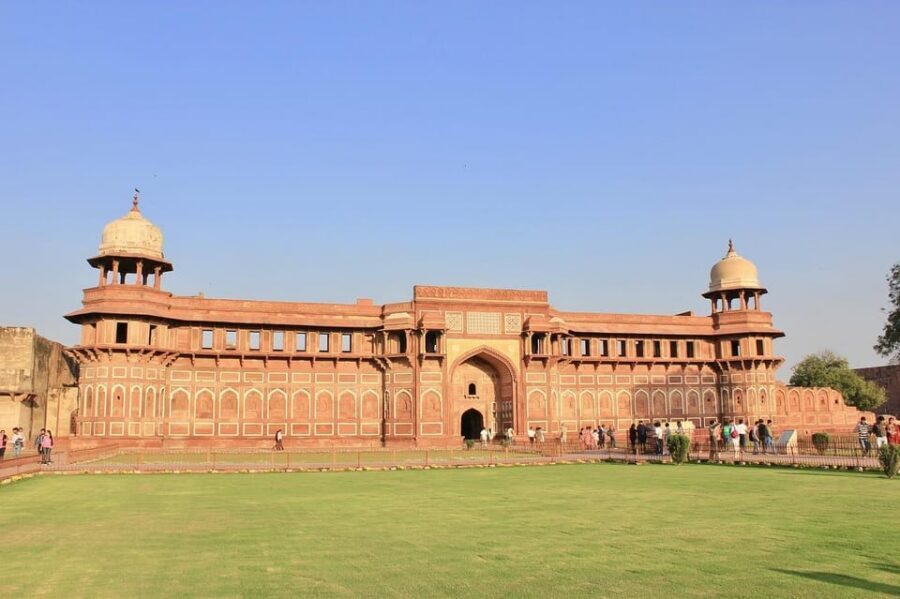
Next up is Agra Fort, another UNESCO-linked heavyweight and a stunning example of Mughal architecture.
Agra Fort is different from the Taj. The Taj is airy, perfect, and distant-feeling. Agra Fort is weighty and defensive. Even if you’re not a history person, it’s easy to “see” power in stone: walls, gates, and layered structures that show how rulers controlled movement and reputation.
With a guide, you should get context on how the fort’s role fits into the wider Mughal story. In positive accounts, guides like Saif in Agra are praised for history explanations and for taking good photos. That means you’re more likely to leave with images you actually like, not just a blurred group shot.






Fatehpur Sikri: the quiet, deserted detour that adds meaning
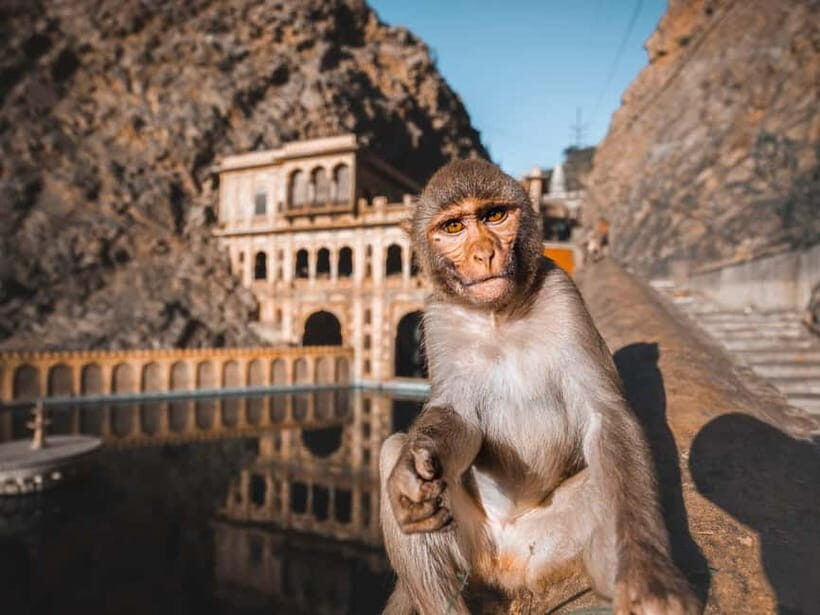
On the way to Jaipur, you’ll stop at Fatehpur Sikri, described as a deserted Mughal city. That alone is a hint at the mood: this is not a lively market stop. It’s a big-horizon place where you can feel how a once-active capital can fall silent.
This stop helps your trip make more sense. Golden Triangle tours can feel like they’re only saying, look at this, look at that. Fatehpur Sikri slows the pace. You start connecting the dots: empires moved, plans changed, and cities rose and emptied out.
You’ll likely take photos, but try to spend a few minutes just looking at how the complex sits in the landscape and how the ruins frame sky and light. Even if you’re not told every detail, the “abandoned city” concept is the lesson.
Night in Jaipur: set yourself up for a strong Day 2
You’ll arrive in Jaipur by evening and check in for the 1-night hotel stay (this is included only if you pick the hotel option). Breakfast is included when the hotel option is selected.
Jaipur hotels vary a lot by booking level, but the itinerary at least gives you enough time to reset. This matters because Day 2 is more concentrated: forts, palaces, and observatory instruments in one push.
If you’re traveling as a group, note the room setup: accommodation is generally single/double/twin-sharing by default. For groups of three, it can be triple-sharing with an extra bed in one room, and if you want two rooms for 2–3 people, extra charges may apply.
Day 2 in Jaipur: Amber Fort, City Palace, and Hawa Mahal
Day 2 is where Jaipur’s “royal” vibe shows up hard and fast.
Amber Fort: choose jeep or your own legs
Start at Amber Fort. You’ll either take a Jeep ride or walk up to enjoy the views and the architecture. This choice affects comfort more than people expect. Walking can be fine, but heat and stairs can turn it into a slog if you’re not pacing.
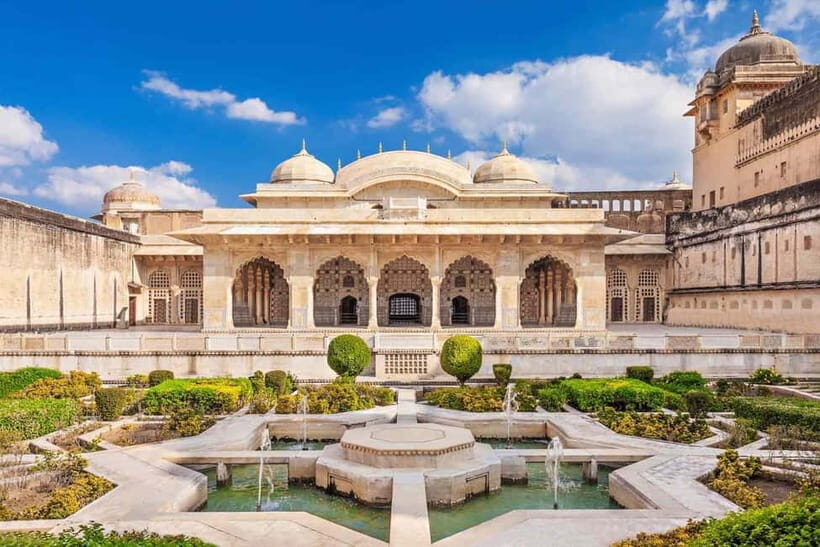
Amber Fort is famous for its artistic details and Hindu-style elements. With a guide, you’ll likely get pointed explanations rather than vague descriptions. The payoff is that the fort stops being a “pretty fort” and becomes a design system: where you’re standing matters, and so does the direction of light.
City Palace: a royal residence you can still picture
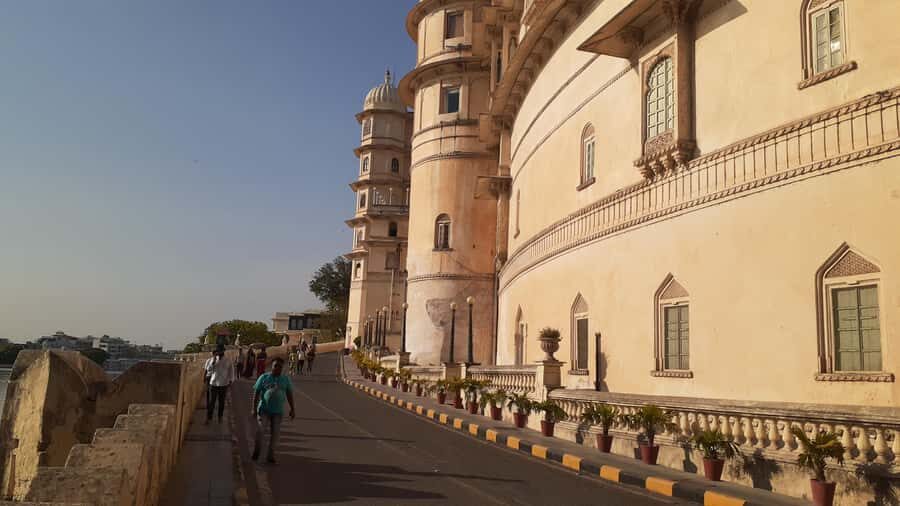
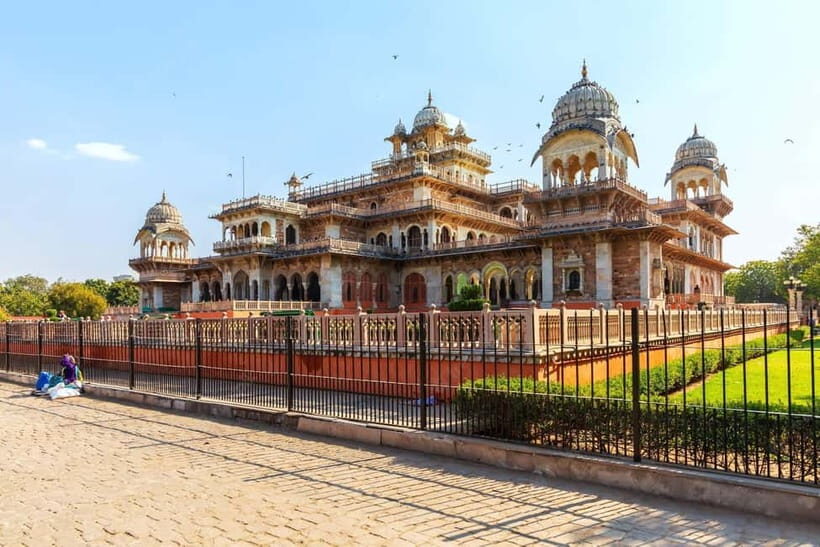
Next is City Palace, which remains home to the former royal family. That detail changes the atmosphere. You’re not only looking at museum pieces; you’re seeing a living legacy space.
In tours like this, the guide’s role is crucial. City Palace can feel like “rooms and courtyards,” but with the right explanation you understand how the palace complex functioned.
Hawa Mahal: the Palace of Winds, and a lesson about expectations
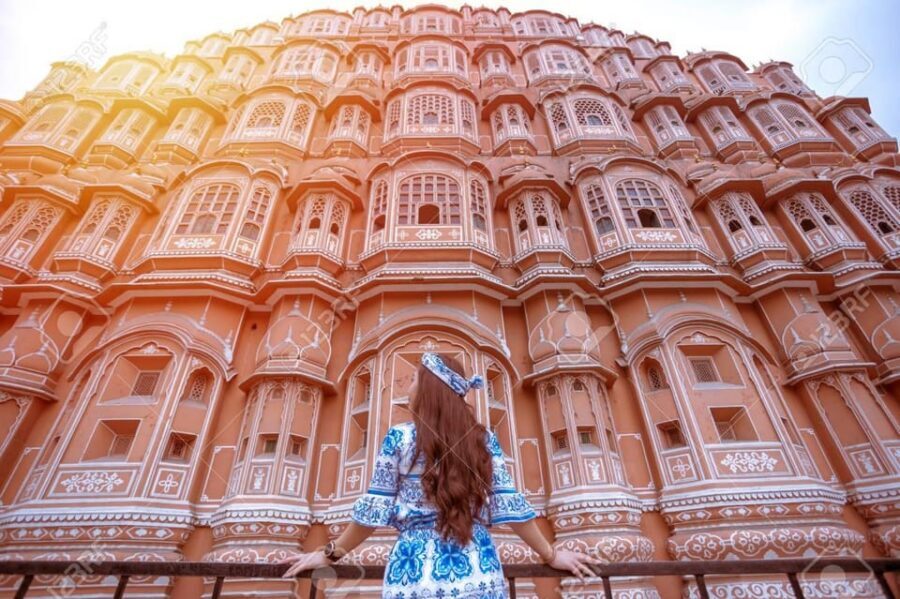
Then you’ll see Hawa Mahal (Palace of Winds). It’s a standout façade and it’s tied to royal history, which your guide should explain.
Here’s the balanced part: one negative account reported that a guide only showed the exterior wall and didn’t take the group inside. That doesn’t mean every guide will do the same thing, but it’s a reminder to ask—calmly and clearly—what portions are included during your visit. If interior access is important to you, confirm at the start of Day 2.
Still, even an exterior-focused stop is visually strong. The building is designed for viewing and airflow concepts, and the rows of windows are the whole point. If you’re patient for a minute or two, you can spot how the structure repeats and why that repetition matters.
Jantar Mantar: astronomy you can walk through
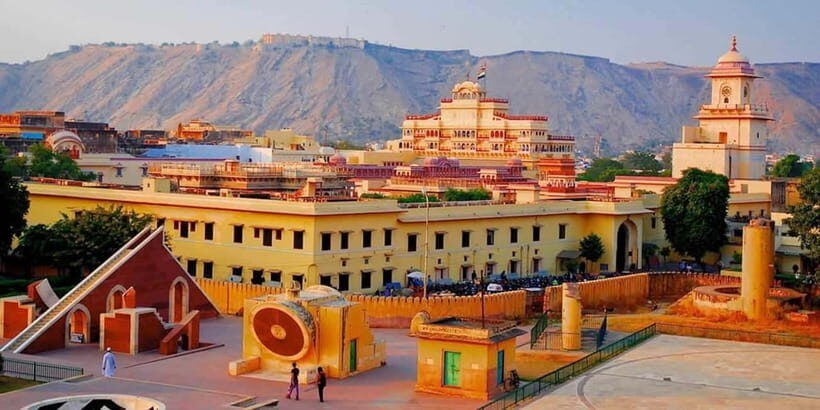
After Hawa Mahal, you’ll visit Jantar Mantar, known for astronomical instruments. This is one of those stops that becomes way more interesting when someone explains how the measurements work.
You may not need a science degree. The guide’s job is to give you just enough context so the metal and stone shapes stop looking decorative and start looking functional.
Transport and timing: how this tour actually feels in real life
This is a private group tour, so your schedule is less about other people’s pace and more about yours. That can be a blessing when you want photos, breaks, or to ask questions.
Transport is also structured:
- For 1–2 people: a three-seater sedan (Toyota Etios or similar)
- For 3–5 people: a six-seater wagon (Toyota Innova or similar)
- For 6–10 people: a ten-seater van (Tempo Traveler)
That matters for comfort. A sedan for two feels fine for a 2-day drive. A larger vehicle for bigger groups keeps the day from turning into cramped chaos.
A guide is included at attractions, but the driver is your day-to-day operator. You’ll have complimentary bottled water, which helps on long drives and during midday heat.
One more timing consideration: you’ll be driving Delhi → Agra → Jaipur, then Jaipur → Delhi. That means you’ll want to pack for motion sickness (if you need it), and you’ll want your day bags ready. If you’re constantly opening zippers and bags, you’ll waste energy.
Guides and drivers: quality can swing, so set guardrails
Most of the names attached to strong experiences are about competence and friendliness:
- Guides like Saif are credited with strong monument history and helpful photography
- Mohammed in Agra is praised for knowledge and friendliness
- A driver named Pankaj is praised for being very good and friendly
That pattern tells you what you should aim for: explanations that connect architecture to meaning, plus someone who understands that photos are part of the experience.
On the other side, one account flagged serious problems:
- A guide named Farhan allegedly pushed for an immediate 5-star review by tapping a phone
- Another account described a guide not showing the inside of Hawa Mahal and giving an unclear or incorrect cost for an optional elephant ride plan
- A driver allegedly asked invasive sexual questions through a translation app and played inappropriate audio in the vehicle
I’m not trying to scare you. I’m telling you what to do to protect your trip. Before you settle into the routine:
- Keep your phone in your own hands and don’t allow anyone to “help” submit a review on your behalf
- Ask what’s included at Hawa Mahal and confirm interior access expectations
- If anything feels off, use a firm tone early. You don’t need to debate; you need to reset the situation
With a private tour, it’s easier to steer the day than on a group bus. Use that advantage.
Price and value: how $31 can work (and when it won’t)
The tour price listed is $31 per person for 2 days. That’s low for a Delhi ↔ Agra ↔ Jaipur plan with private transport, guide(s), and hotel inclusion (if you select it).
Here’s how to judge value honestly:
- You’re getting private air-conditioned transport, a uniformed driver, and tour guides at attractions
- You’re also getting practical inclusions like skip-the-ticket line and Taj golf cart transfers
- Your biggest extra costs will be monument entry tickets and food/drinks, since those are not included
If you already know you’ll want guides and you don’t want the hassle of driving and ticket logistics yourself, this price can feel like a bargain. If you plan to eat only at expensive places and buy add-ons constantly, the “cheap tour” can grow fast.
So think of it like this: $31 is for transportation + guides + the core structure. Your personal spending is mostly tickets and meals.
What you need to budget for: tickets and food
Two things are explicitly not included:
- Monument entry tickets
- Food and beverages
That means you should expect extra payments once you reach each site. The guides will likely tell you what to purchase and where, but you’re still responsible for entries.
Food is handled as lunch stops, but restaurants aren’t included in the price. I recommend carrying a backup snack and water, especially if you’re sensitive to timing.
Accessibility and language notes that matter
This tour is marked wheelchair accessible, which is a good sign for routes and vehicle planning. Still, details like stairs and walking at forts can affect how “easy” it feels in practice. Ask about the specific plan for Amber Fort’s ascent (jeep vs walk) if mobility is a concern.
Language options include English, French, Russian, Spanish, and German. Your guide assignment will depend on group needs, so it’s worth double-checking before the day starts.
Who should book this 2-day Golden Triangle, and who should skip it
You’ll likely enjoy this tour if:
- You want a guided Taj Mahal and Agra Fort day without spending hours figuring out tickets and transport
- You like structured itineraries and don’t want to negotiate roads, guides, or timing
- You want Jaipur’s key sights in one tight schedule: Amber Fort, City Palace, Hawa Mahal, and Jantar Mantar
You might want to rethink it if:
- You hate early starts or long drives and would rather stay in one city longer
- You want lots of free time to wander slowly with no schedule pressure
- You’re uncomfortable with how quickly add-on costs and optional activities can appear
Should you book this tour?
If you want the Golden Triangle highlights with less friction, this is a strong value setup—especially because of the private transport, guided stops, and the smooth Taj entry with skip-the-line and golf cart transfers.
Book it if you go in with two mindsets: confirm what’s included at each site (especially Hawa Mahal access) and protect your boundaries with your phone and personal comfort. Do that, and you’ll spend your energy on what matters: Agra’s monuments, Fatehpur Sikri’s silence, and Jaipur’s royal geometry.
FAQ
Is the Taj Mahal open every day?
No. The Taj Mahal is closed on Fridays. If your trip includes a Friday, your itinerary needs to account for that closure.
Are monument entry tickets included?
No. Monument entry tickets are not included. You should budget for tickets separately at the sites.
What’s included besides sightseeing?
You get hotel or airport pickup and drop-off, private air-conditioned transport for sightseeing, a uniformed driver, tour guides at attractions, complimentary bottled water, and a golf cart ride to/from the Taj Mahal entrance from the parking area. A 1-night hotel stay and daily breakfast are included only if you select the hotel option.
What hotel setup should I expect if I choose the stay?
Rooms are generally single, double, or twin-sharing by default. For groups of three, it’s typically triple-sharing (one double bed plus an extra bed in one room). If you need two rooms instead of one, an extra charge may apply.
What languages are the guides available in?
Guides are available in English, French, Russian, Spanish, and German.
If I’m being picked up from the airport, what do I need to provide?
For airport pickup, you should provide your flight details when booking. Pickup is available from Delhi Airport, Exit Gate 4, Terminal 3 (Arrivals).