REVIEW · NEW DELHI
Delhi Food Tour: Try Authentic Old Delhi Food
Book on Viator →Operated by Tour Guide Delhi · Bookable on Viator
Old Delhi tastes better with a guide. This 5–6 hour route links Old Delhi street food to big sights, from Chawri Bazaar and Kinari Bazaar to the Khari Baoli spice market, then on to Jama Masjid and Gurudwara Bangla Sahib. I like that you don’t just eat—you learn how the city’s food culture fits the neighborhoods you’re walking through.
I also like the variety built into the flow. You try classics such as chole kulche, aloo puri, and stuffed parathas, then get more flavor stops as you move through Old and New Delhi. In the best moments, a guide like Vivek connects what you’re tasting to why these foods live in these specific lanes and markets.
One possible drawback: if you’re in Delhi during a major public holiday, some market stalls may be closed, and you may end up tasting less than you expected.
In This Review
- Key highlights you should care about
- Why this Old Delhi-to-New Delhi route makes sense
- Pickup, chauffeur, and the private-group advantage
- Chawri Bazaar: the stop where comfort food leads
- Kinari Bazaar and parathas: stuffed bread with real attitude
- Khari Baoli spice market and the rickshaw ride to Jama Masjid
- Pasar Chandni Chowk: hands-on market walking in Old Delhi
- New Delhi shift: Gurudwara Bangla Sahib and the feeling of a different Delhi
- What you’ll actually taste (and how holiday closures can change it)
- Price and value: $129 for food, transport, and real access
- Who this tour is best for (and who should think twice)
- A quick booking checklist before you go
- Should you book this Delhi Old Delhi Food Tour?
- FAQ
- How long is the Delhi Food Tour?
- What time does the tour start?
- Where does pickup happen?
- Is there a rickshaw ride during the tour?
- Which landmarks are included?
- Is admission to Jama Masjid included?
- What food do you try on the tour?
- What’s included in the price?
- Can I cancel and get a full refund?
- Is this tour private or shared?
Key highlights you should care about
- Spice-first sightseeing at Khari Baoli: You get time at Asia’s largest spice market, not just a photo stop.
- Cycle rickshaw + walking mix: Short walks, then cycle rickshaws for longer stretches, so you actually cover the area.
- Major landmarks included: Jama Masjid and Gurudwara Bangla Sahib are part of the route, not an add-on.
- Clear food structure: Stops focus on recognizable favorites like chole kulche, aloo puri, and parathas.
- Private tour for your group: You’re not blending into a big crowd during the tasting experience.
- Pickup and drop-off supported: You start and finish with hotel/Airport pickup in Delhi, Noida, or Gurugram.
Why this Old Delhi-to-New Delhi route makes sense
This tour is built around a simple idea: food in Delhi is not just food. It’s geography, history, and daily routine all mixed together. You’ll spend part of the time in Old Delhi, where markets and narrow streets shape what people eat and where they buy it. Then you shift into New Delhi for a more spaced-out feel and a different kind of cultural landmark.
The “why it works” part is the pacing. You’re not asked to do everything by walking. The plan uses a private vehicle with a chauffeur for the longer transfers and keeps you moving through the denser areas with walking and cycle rickshaws. That matters because Delhi can be intense: heat, crowds, and traffic all add up. A structured route helps you focus on the tastings instead of getting lost.
You can also read our reviews of more tours and experiences in New Delhi.



Pickup, chauffeur, and the private-group advantage
You’re picked up at 9 AM (or at your given time), and the pickup can be from your hotel, the airport, or your location in Delhi, Noida, or Gurugram. That’s a big deal if you’re not staying right in the center. It also reduces the “logistics tax” that often kills food tours—no last-minute scrambling for tuk-tuks or guessing how to get from one market to another.
It’s also a private tour for your group. That usually means the guide can match the pace to you, explain things in real time, and handle questions without the awkward pause that happens on larger group tours.
You’ll also have water and snacks included, plus taxes. So you’re not doing the math every time you want a sip or a small break.
Chawri Bazaar: the stop where comfort food leads
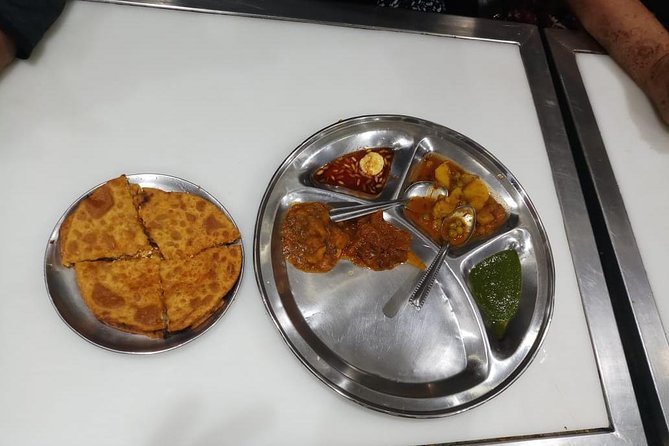
Chawri Bazaar is a classic starting point for a reason: it’s tied to everyday North Indian comfort foods. One of the tastings highlighted here is chole kulche—a mix of chickpea curry and a fried bread style often served as kulcha. This is the kind of dish you’ll recognize even if you’ve never had it before, because it hits big, familiar notes: savory, filling, and made for eating with your hands in a street setting.
The stop also references aloo puri (sometimes spelled poori bhaji). Think of it as a spiced potato pairing with puri-style bread. Even if you just take a bite, you’ll understand why these foods are so common across North India: the ingredients are simple, but the spice profile and texture are the point.
What to watch for: this stop is about flavor calibration. If you go in expecting tiny samples only, you might be surprised by how satisfying these dishes can be. By the time you reach the next market, you’ll still want to eat, but you’ll taste more clearly because you already have a baseline.
Kinari Bazaar and parathas: stuffed bread with real attitude
Next up is Kinari Bazaar, where the focus shifts to parathas—stuffed, unleavened flatbreads. The tour explanation emphasizes that parathas are widely loved across the Indian subcontinent, and that the most common stuffing is typically spiced fillings (the itinerary text specifically points to ma… as a lead-in, but the key takeaway for you is that fillings are the star).
A paratha stop is more than a random carb moment. It shows you how street cooking works in Delhi. Parathas are cooked to order, so you get a hot, crisp-on-the-outside texture. And because the stuffing can vary, you taste how the market adapts to what people want that day.
Practical tip: if you’re the kind of eater who wants variety, this is where you’ll feel it most. Try to pace yourself so you can notice differences instead of eating everything at full speed.
Khari Baoli spice market and the rickshaw ride to Jama Masjid
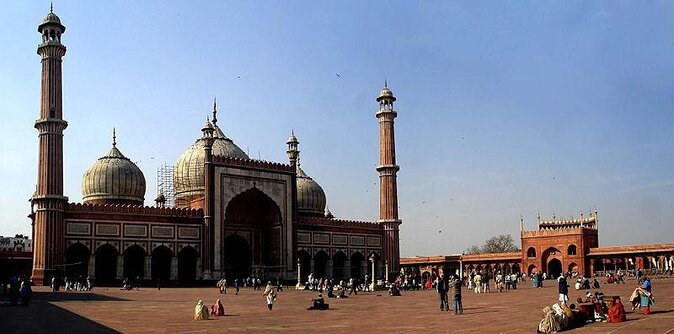
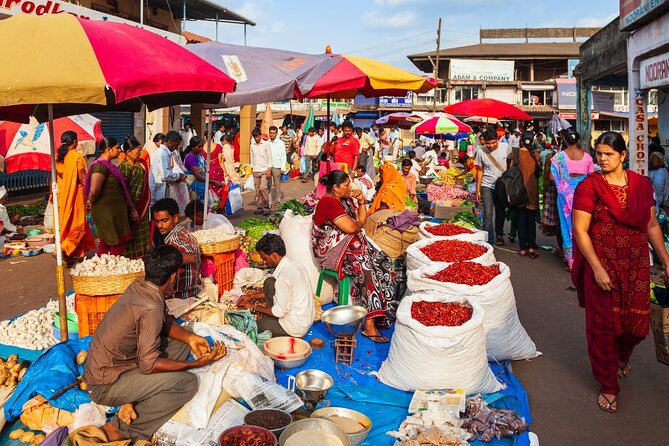
This is the segment that usually sells the tour for first-timers, because it’s sensory without being chaotic. Khari Baoli is described as the largest spice market in Asia, and the tour frames it as a learning stop. You’re not just wandering; you’re traveling through the neighborhood context that makes the spice economy make sense.
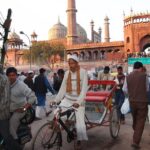
Then you get the transport shift: the route uses rickshaw travel to keep you moving through the historic walled city areas. The itinerary description specifically notes the travel rhythm—cycle rickshaws for longer distances and walking for shorter stretches.
After that, you reach Jama Masjid, a major Old Delhi landmark (the itinerary also notes it was commissioned by Shah Jahan, the fifth Mughal ruler). You’ll spend about 30 minutes here. The admission is not included, so you should expect that there may be an additional cost depending on current rules and on-the-ground access.
What I like about placing this stop in the middle: it gives your brain a breather. Food tours can blur together if everything is just bites and streets. Jama Masjid gives you a mental “reset” and helps you anchor the flavors you already ate to a real landmark.


Pasar Chandni Chowk: hands-on market walking in Old Delhi
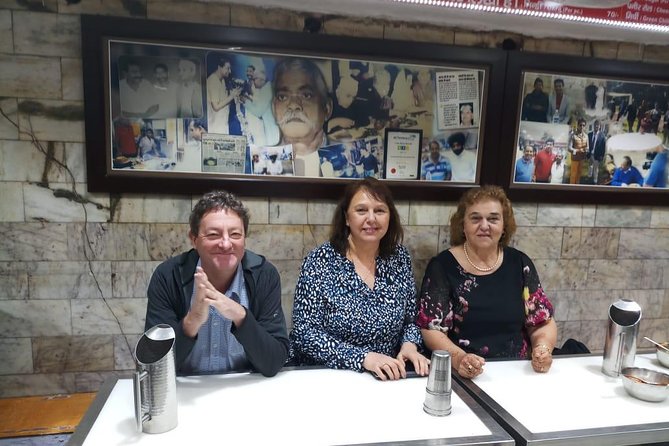
After Jama Masjid, the tour moves you through the Old Delhi area with a focus on short walks and rickshaw travel again. Pasar Chandni Chowk is the named stop here, and the goal is to keep the experience grounded in the street-level rhythm.
Why this matters: Chandni Chowk is one of those areas where the market energy is obvious even from a distance. If you’ve only seen Delhi through monuments, this part helps you see how people shop and eat in daily life. Food is tied to timing and crowd flow, and walking through the area is how you get a real sense of that.
Drawback to consider: like many central market zones, conditions can get crowded fast. If you’re sensitive to crowds or tight spaces, this is the part where you’ll want to take quick pauses when needed and rely on the rickshaw segments for breathing room.
New Delhi shift: Gurudwara Bangla Sahib and the feeling of a different Delhi
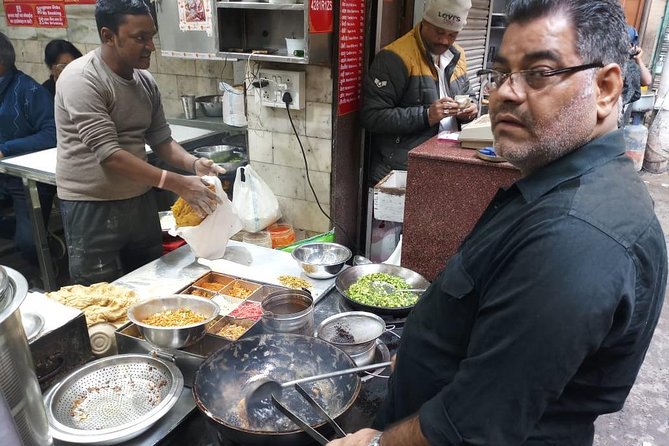
Once you move out of Old Delhi, the tour uses the car to explore New Delhi. Gurudwara Bangla Sahib is the New Delhi landmark included, with about 40 minutes on the schedule.
This matters because it changes the mood. Old Delhi is about markets and food lanes. Bangla Sahib adds a different kind of cultural focus. The itinerary description includes a note about a charitable kitchen that feeds people, which is a reminder that food culture isn’t only street stalls and spices. It’s also community service tied to a place.
At this stop, you’re not just sampling flavors. You’re seeing how Delhi holds food as part of daily life and public values.
What you’ll actually taste (and how holiday closures can change it)
The itinerary highlights several specific tastings and food types:
- Chole kulche at Chawri Bazaar
- Aloo puri in the same general stop area
- Parathas at Kinari Bazaar
- And additional sampling along the way as you move through markets
While the named stops give you confidence about the core flavors, the tour is ultimately market-based. That means what you get can vary if stalls are closed or if the market’s day is disrupted. One review example pointed out a public holiday situation where shops were closed and the tasting felt lighter than expected. It’s not a reason to avoid the tour, but it is a reason to go in with flexible expectations.
If you want the best shot at a full menu, plan around normal market days when possible.
Price and value: $129 for food, transport, and real access
At $129 per person, this tour sits in the mid-range for Delhi experiences, but the value is in what’s bundled. You’re getting:
- Hotel/Airport pickup and drop-off
- A tour guide
- Rickshaw ride
- Private vehicle with personal chauffeur
- Food tasting
- Packaged water, snacks, and taxes included
- Mobile ticket
Here’s how I’d frame the value for you: the cost isn’t only for food. It’s also for getting access—covering Old Delhi efficiently, reaching major landmarks without wasting time on transit, and having someone explain what you’re eating and why it belongs here.
If you tried to DIY this route, you’d still spend on transport between markets, plus time. In Delhi, time can be the real expense because traffic and confusion can add up quickly. This tour pays for that time and keeps you focused on the tasting experience.
Who gets the best value: first-timers to Delhi, people who want Old Delhi without getting overwhelmed, and anyone who likes learning while eating.
Who this tour is best for (and who should think twice)
This works especially well if you:
- want a structured Old Delhi food plan with landmark context
- prefer having transport handled (pickup, chauffeur, and rickshaw segments)
- like trying a range of street foods like chickpea-based curries, bread-based meals, and stuffed flatbreads
- enjoy guided walking where the guide can point out what matters
You might think twice if:
- you’re traveling during a big public holiday and don’t want your tasting options to shrink
- you hate crowds and tight lanes and want lots of personal space
- you’re hoping for only “sit-down restaurant” meals (this is street-market style)
A quick booking checklist before you go
To get the most out of it, I’d do three simple things:
- Bring comfortable shoes. You’ll walk short distances and then ride, but the walking still adds up.
- Come hungry, but not starving. Market tastings are more satisfying when you can still taste clearly.
- If you’re near Jama Masjid day-of, keep a little extra budget for admission, since it’s not included.
Should you book this Delhi Old Delhi Food Tour?
I’d book it if you want a single, well-planned afternoon that blends food tastings with Old and New Delhi landmarks, and you’d rather have a guide handle the route than manage the stress yourself. The strongest pull is the way the tour matches bites to places like Chawri Bazaar, Kinari Bazaar, Khari Baoli, and then anchors the day at Jama Masjid and Gurudwara Bangla Sahib.
Skip it or plan carefully only if your travel dates land on a public holiday when market stalls might close, because that can affect how many different items you actually get to sample.
If you book with flexible expectations and a good appetite, you’ll get a memorable Delhi food snapshot—one that feels grounded in neighborhoods, not just a checklist of dishes.
FAQ
How long is the Delhi Food Tour?
The tour runs about 5 to 6 hours.
What time does the tour start?
It starts at 9 AM or at your given time.
Where does pickup happen?
Pickup is offered from your hotel or from the airport or your given location in Delhi, Noida, or Gurugram.
Is there a rickshaw ride during the tour?
Yes. You’ll have a rickshaw ride, including a cycle rickshaw.
Which landmarks are included?
The tour includes Jama Masjid and Gurudwara Bangla Sahib.
Is admission to Jama Masjid included?
No. Jama Masjid admission is not included.
What food do you try on the tour?
The itinerary mentions tasting chole kulche, aloo puri, and parathas, along with additional food tastings at market stops.
What’s included in the price?
Hotel pickup and drop-off, rickshaw ride, tour guide, private vehicle with chauffeur, food tasting, packaged water, snacks, and taxes.
Can I cancel and get a full refund?
You can cancel up to 24 hours in advance for a full refund.
Is this tour private or shared?
It’s private, so only your group participates.