REVIEW · NEW DELHI
Chandni Chowk Textile Tour
Book on Viator →Operated by Discover Activities · Bookable on Viator
Textiles in Old Delhi move at warp speed. This Chandni Chowk Textile Tour turns a chaotic maze of lanes into something you can actually understand, with a guide who explains how the merchant district works and where different fabric specialities show up. I especially loved walking with Jai Singh, who connects what I’m seeing to the area’s culture and geography, not just store names. I also loved the shopping focus: you’re not hunting random souvenirs, you’re looking at real textile types like silk, cotton, khadi, muslin, crepe, and more—exactly the kind of variety that’s hard to replicate anywhere else.
One thing to keep in mind: this is a morning plan built for moving through narrow, packed lanes, and the total time is about 3 to 6 hours. If you prefer slow museum pacing, this may feel like a lot. But if you like practical guidance and hands-on shopping time, it’s a strong use of your day—especially because pickup, water, and local guide time are already handled.
In This Review
- Key takeaways before you go
- What makes a Chandni Chowk textile tour different
- Morning pickup, timing, and what to wear in Old Delhi
- Stop 1: Paranthe Wali Gali and a fast cultural reset
- Stop 2: Kucha Katras and the textile zones you’ll actually shop
- Kinari Bazaar for wedding fabrics, laces, and Zardozi
- Cloth Market for men’s wear and home furnishings
- Katra Neel for women’s fabrics like silk and muslin
- What you’re likely to see as you browse
- How to shop smarter once you’re inside the lanes
- Price, what’s included, and who gets the best value
- Should you book this Chandni Chowk Textile Tour?
- FAQ
- How long is the Chandni Chowk Textile Tour?
- What is the meeting time and pickup timing?
- What does the tour cost?
- Are admission tickets included?
- What’s included in the price?
- Is the tour private and do I need smart casual clothing?
Key takeaways before you go
- You get a real guide, not just a drop-off, with explanations of how the lanes and merchant areas function.
- Paranthe Wali Gali starts you off with a traditional bite, so you’re fueled before you start fabric shopping.
- Kucha Katras is the textile engine, with access to major Chandni Chowk textile zones like Kinari Bazaar, Cloth Market, and Katra Neel.
- You’re shopping with intention: fabrics for women’s wear, men’s clothing, and home furnishings are all part of the mix.
- Tickets and water are included, which keeps the day simple and low-stress.
What makes a Chandni Chowk textile tour different
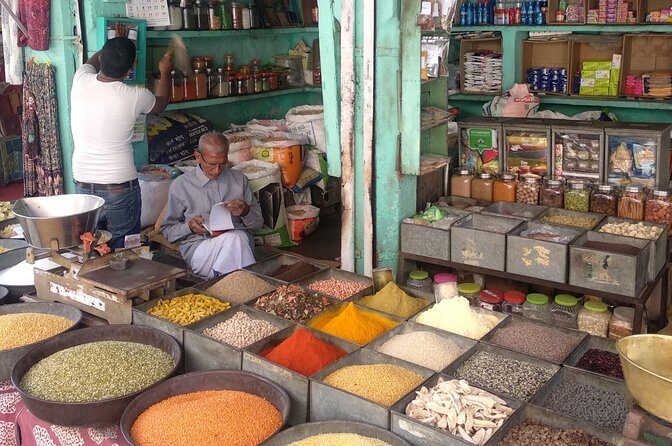
Chandni Chowk isn’t one place. It’s a set of smaller markets, each with a job to do. That matters because textiles are the kind of product where location changes what you find. On this tour, you’re guided to the fabric-focused areas, and that saves you from wandering in circles with no clue which lane specializes in what.
The tour is also built around the way Old Delhi shopping actually works: you move through tight lanes, you see displays and signage close up, and you get a guide’s map of the area in real time. I like that the day mixes context with action. You get a brief history and orientation early, then you’re put to work looking at fabric choices instead of just “seeing sights.”
And yes, it’s a great fit if you’re hunting for textile variety. The tour description points to a wide range—silk, cotton, khadi, muslin, crepe—and the markets you visit are known for different specialties. That’s why this feels more like a shopping plan than a generic tour.
You can also read our reviews of more tours and experiences in New Delhi.



Morning pickup, timing, and what to wear in Old Delhi
This tour runs in the morning, with pickup typically offered between 0800 and 1000 and a start time listed as 8:30 am. The total experience is about 3 to 6 hours, so you can fit it into a morning schedule without losing your whole day.
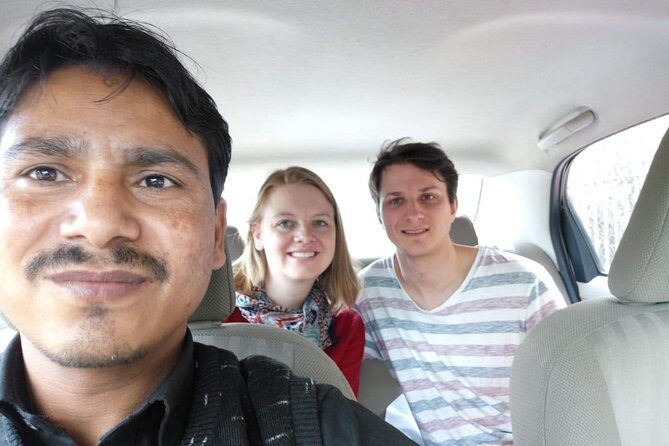
You’ll travel in a private car for pickup and drop-off, and you get bottled water included. I appreciate this small comfort because Old Delhi lanes can be a lot on your feet, even when the air feels fine.
Dress-wise, plan for smart casual. Wear shoes you’re comfortable walking in because you’ll be moving through market lanes for real, not standing behind a rope. If you hate carrying things, bring a small tote bag you can use during the shop stops. When you’re surrounded by textiles, you’ll likely want to compare, feel, and look longer than you think.
Another practical note: it’s set up as a private tour for your group, so it’s not a huge bus-load situation. You still move through lively areas, but the structure is tighter.
Stop 1: Paranthe Wali Gali and a fast cultural reset
The day kicks off in Paranthe Wali Gali, often described as a breadmaker alley. You’ll be offered a light traditional refreshment, and this stop is listed at 20 minutes, with an admission ticket included.
I like this first stop because it helps you settle into the area. You’re not going straight from hotel to fabric chaos. Instead, you get a quick taste of local street-food culture and a moment to watch how the lane feels in motion. It’s also the kind of stop that gives your guide an easy entry point—people are used to this rhythm, and you’ll feel it right away.
The only drawback is the time. At 20 minutes, this isn’t a full meal stop. If you’re arriving with a huge appetite or dietary restrictions, plan accordingly and treat the refreshment as a starter rather than the whole breakfast.
Stop 2: Kucha Katras and the textile zones you’ll actually shop
The main work happens at Kucha Katras, where you’ll find handwoven fabrics and places to shop with prices that feel hard to beat. This part of the tour is where you’ll start matching your shopping ideas to real material.
Kucha Katras is also where the Chandni Chowk market structure becomes useful. The area is divided into specialized textile zones, and you’ll focus on the ones tied to fabrics for different uses:
Kinari Bazaar for wedding fabrics, laces, and Zardozi
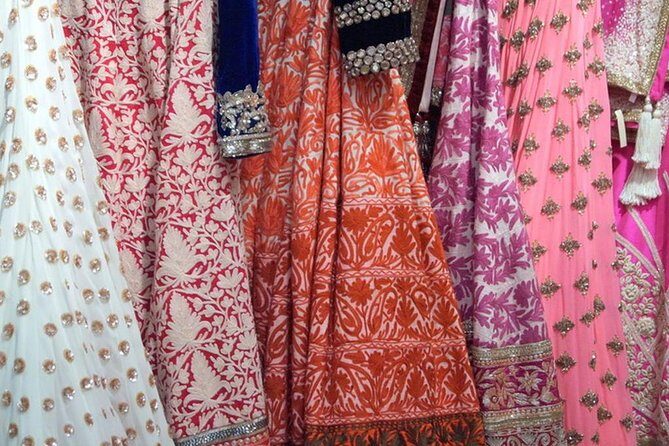
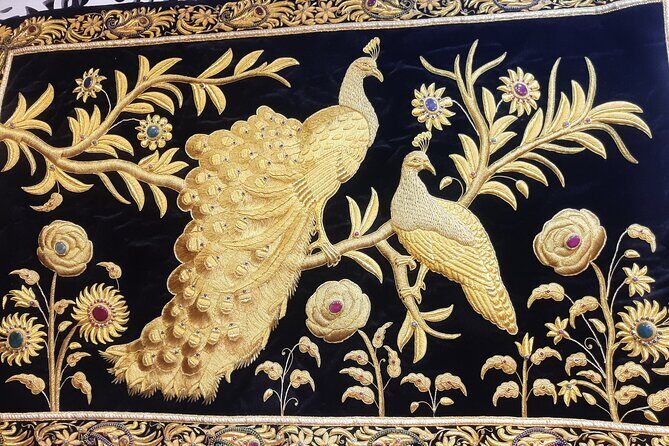
If you’re interested in bridal wear details, Kinari Bazaar is mentioned as ideal for wedding fabrics, laces, and Zardozi items. Even if you aren’t buying a full outfit, these sections help you understand how decoration and fabric work together here. You’ll often see elements that make textile shopping feel like design, not just cloth.



Cloth Market for men’s wear and home furnishings
The Cloth Market is described as offering fabrics for men’s clothing and good quality textiles for home furnishings. This is important because it broadens the shopping scope. You can look for practical pieces—things that don’t only live on a hanger for special occasions.
Katra Neel for women’s fabrics like silk and muslin
For women’s textiles, Katra Neel is called out as famous for fabrics of all types, including silk, muslin, cotton, and more. This is where you’ll likely spend the most time if your goal is clothing fabrics, scarves, or fabric that can become a finished outfit later.
What you’re likely to see as you browse
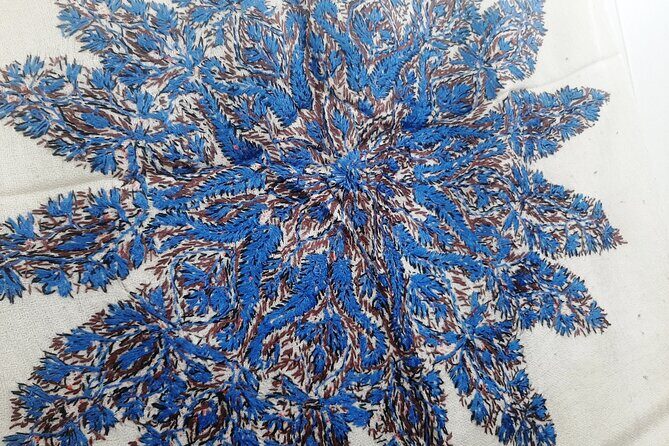
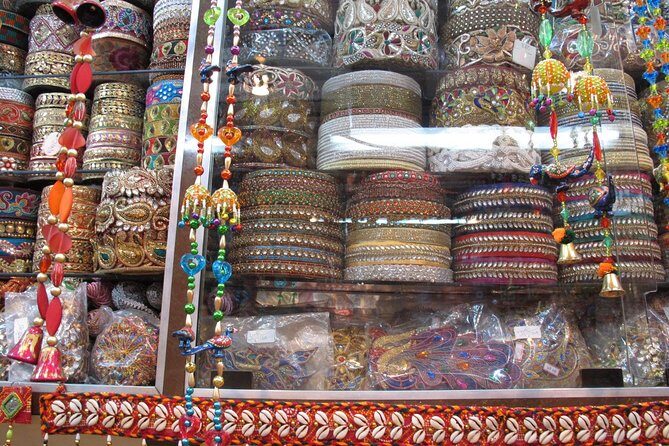
Because the tour is textile-focused, your guide steers you toward the places where the material variety is real. From the tour description and the overall experience, you should expect to see standout visual texture and fabric choices—everything from everyday cloth to more special-occasion options. One visitor highlighted how bridal dresses and fabrics can look astonishing here, and another pointed to cashmere pashmina shawls and scarves as a satisfying find. Even if you don’t buy, just seeing the range in one morning gives you a better sense of what Chandni Chowk does best.
How to shop smarter once you’re inside the lanes
This tour works because it’s guided, but you still drive your own shopping decisions. Here’s how I’d approach it so you don’t come out overwhelmed.
First, think in fabric categories, not brand names. The tour is built around textiles of many types, so use that as your filter:
- Are you looking for something like silk for drape?
- Something like cotton for breathability?
- Or a fabric type such as muslin/khadi/crepe depending on the finish you want?
Second, decide your end use before you start opening your wallet. This tour spans fabrics for women’s clothing, men’s clothing, and home furnishings. If you’re clear about whether you want fabric for tailoring, ready-made textile items, or something for your home, shopping becomes faster and more satisfying.
Third, slow down for quality checks you can actually do in the moment. In textile markets, the difference can be in how the fabric looks in light, how it feels in your hand, and how consistent the weave looks. A guide helps you locate options, but you still want your own comparison.
Finally, keep your plan flexible. Old Delhi shopping doesn’t feel like a clean “list, check, leave” routine. It’s part market and part performance of people selling, customers comparing, and merchants managing a constant flow.
Price, what’s included, and who gets the best value
At $45 per person, this tour can be good value if you care about two things: access and time.
The included items matter:
- Local guide
- Hotel/attraction pickup and drop in a private car
- Bottled water
- All taxes, fees and handling charges
- Admission tickets included for the two listed stops
- A mobile ticket
When you add that up, you’re not just paying for walking around. You’re paying for a guided route through a complex market system, plus the convenience of private transport. If you tried to do this on your own, you’d likely spend time figuring out which lanes are best for textiles and risk missing the specialized sections.
This is also a strong fit for:
- People shopping for textiles rather than generic souvenirs
- Anyone who wants a morning plan that feels structured in a place that can feel chaotic
- Shoppers who benefit from a guide with practical explanations of how the merchant district works
It may be less ideal if you want a relaxed pace with lots of sit-down time, since the format is designed for movement through market areas.
Should you book this Chandni Chowk Textile Tour?
I’d book it if your goal is real textile shopping with context, and you’re happy to spend part of your morning focused on fabric choices. The combination of pickup by private car, a guide like Jai Singh, and targeted textile zones like Katra Neel, Kinari Bazaar, and Cloth Market makes it feel efficient.
Don’t book it if you hate crowded lanes or you want a long, slow experience. Also, treat the Paranthe Wali Gali stop as a light refreshment, not a full meal.
Overall, this is one of those “small time, big payoff” Old Delhi experiences: you learn how the markets function, you see real textile variety, and you get enough structure to shop with confidence.
FAQ
How long is the Chandni Chowk Textile Tour?
The tour runs about 3 to 6 hours.
What is the meeting time and pickup timing?
Pickup is typically offered from your hotel/airport/railway station around 0800–1000, with the start time listed as 8:30 am.
What does the tour cost?
The price is $45.00 per person.
Are admission tickets included?
Yes. The listed stops include admission tickets included for Paranthe Wali Gali and Kucha Katras.
What’s included in the price?
Included are all taxes/fees, a local guide, hotel/attraction pickup and drop in a private car, and bottled water.
Is the tour private and do I need smart casual clothing?
Yes, it’s a private tour/activity for your group only, and the dress code is listed as smart casual.