REVIEW · AGRA
Agra Cooking Classes (Pick up and Drop available)
Book on Viator →Operated by Trocals · Bookable on Viator
Dinner turns into a classroom in Agra.
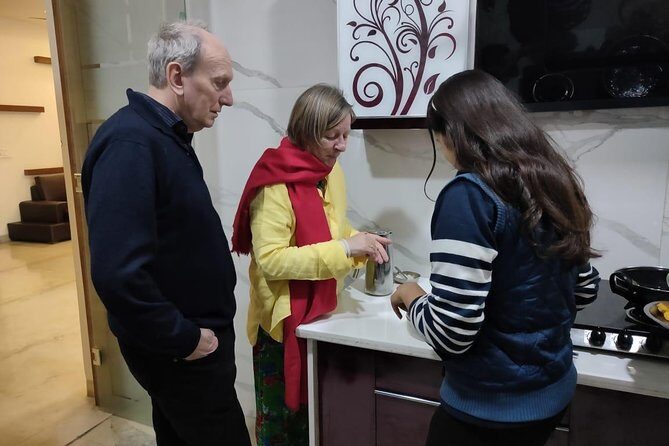
This private cooking class is built around a real Indian home setting, where you learn spices and traditional dishes like roti and kebab-style cooking. You’re not just watching. You’re working alongside your host and then eating what you make.
I particularly like the clear, step-by-step coaching style that helps you move through each dish without feeling lost. The best part for me is the chance to take a home-cook method with you, not just a flavor memory. One possible drawback: since this happens in someone’s home kitchen, it’s more casual and household-style than a polished cooking studio.
In This Review
- Key Highlights You’ll Care About
- Two Hours in an Agra Home Kitchen: The Real Rhythm
- Pickup and Drop in Agra: Easy Logistics for a Simple Price
- Spice Lessons That You Can Recreate at Home
- Cooking Your Meal: Roti, Kabab, and a Vegetarian Main
- Eating Like a Local Family: Getting the Full Meal Right Away
- What You Get Included (and What You Pay For)
- Price and Value at Around $8
- Who Should Book This Class (and Who Might Skip It)
- Tips to Make It Go Smoothly
- Should You Book Agra Cooking Classes?
- FAQ
- Where does the experience start and end?
- How long is the Agra cooking class?
- How much does it cost?
- Do they offer pickup and drop-off?
- Is this a private experience?
- What dishes will you cook?
- What’s included in the price?
- What is not included?
- Is free cancellation available?
Key Highlights You’ll Care About
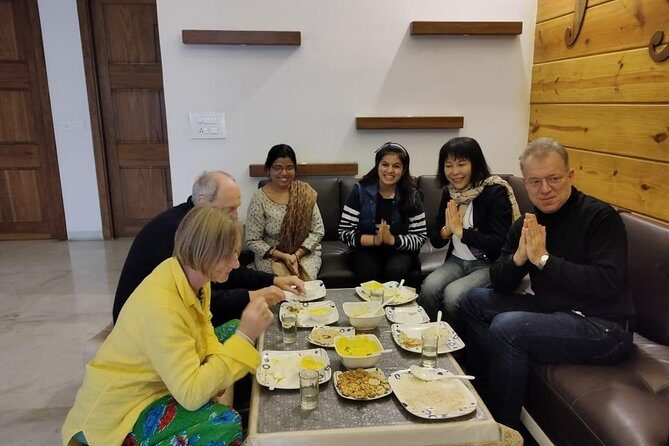
- A true home-kitchen experience in Agra, not a restaurant demo
- Spice explanations you can repeat when you cook again at home
- Roti, kabab-style cooking, and a vegetarian main are part of the lesson
- Language support tends to be practical, with an interpreter often helping
- A recipe list is commonly shared afterward, useful for recreating flavors later
- Pickup and drop available, plus bottled water and equipment included
Two Hours in an Agra Home Kitchen: The Real Rhythm
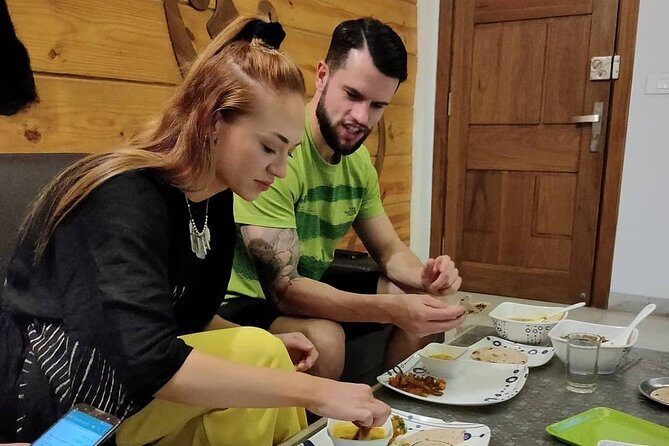
This Agra cooking class is scheduled for about 2 hours, which sounds short until you see how home-cooking lessons are paced. You’ll spend your time doing the work: handling ingredients, following techniques, and tasting as you go. The format is designed so you leave with practical knowledge you can actually use, not a pile of vague tips.
Because it’s in a household, the atmosphere is personal. You’re likely to meet the people running the class, get oriented in the kitchen, and then cook as a group. One of the strongest themes from the experience is how naturally people explain what they’re doing, even when language isn’t perfect. The class is built to be understandable, and the home setting helps a lot.
And yes, you’ll get a full meal. That matters because Indian cooking makes more sense when you can taste the results immediately. You’re not waiting until dinner later. You’re eating the same flavors you just helped create.
You can also read our reviews of more cooking classes in Agra


Pickup and Drop in Agra: Easy Logistics for a Simple Price
This tour offers pickup and drop (and private transportation is included), which is a big deal in a city like Agra. If you’re trying to fit the class around Taj Mahal plans or a busy sightseeing day, getting door-to-door support keeps your schedule calmer.
You’ll meet at Trocals, with the start point listed as:
Trocals, B-3 Rahul vihar, Agra Shamshabad Raja Kherah Marg, Rajpur Chungi, Indrapuram, Tajganj, Agra, Uttar Pradesh 282001, India.
The activity ends back at the meeting point, so you’re not left figuring out return travel.
You also get a mobile ticket, and confirmation is received at booking. In plain terms: you should be able to show up without major friction, which is exactly what you want from a low-cost, high-value activity.
Spice Lessons That You Can Recreate at Home
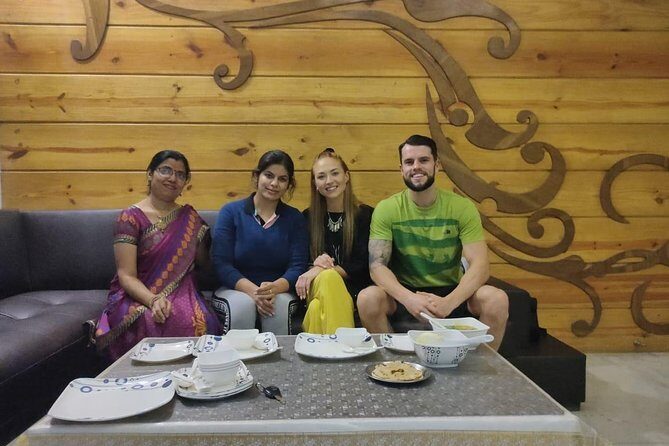
If you only take one thing from this class, make it the way spices are used. Indian cooking often looks complicated from the outside, but in a home kitchen lesson the approach becomes clear: timing, heat, and how spices are layered.
During your session, you’ll learn about Indian spices and traditional ingredients, plus how they work together to create the flavor you recognize. Expect the cooking to be guided in a step-by-step way, with your host explaining what’s happening as heat changes and flavors develop.
What makes this especially useful for you later: you’re not only memorizing a recipe. You’re learning the logic behind it. For example, you’ll be paying attention to when spices go in, how they smell as they bloom, and how the base starts to change. That’s the kind of knowledge that helps you adjust at home, where ingredients and stovetops may be different.
And if English isn’t your strongest language, don’t treat that as a deal-breaker. Several guests noted the owner explained things slowly and carefully, with a family member acting as an interpreter when needed. That’s a practical advantage for international visitors.
Cooking Your Meal: Roti, Kabab, and a Vegetarian Main
The class focuses on hands-on cooking of traditional dishes such as roti and kabab, plus a vegetarian main dish of your choice. That set of dishes is smart because it covers different cooking approaches: flatbread technique, grilled or spiced preparation styles, and a main-dish flavor build.
Here’s what you should expect as the lesson progresses:
- Roti work: You’ll learn how dough should feel and how to handle it before it hits the heat. Roti is a great skill to learn because it’s straightforward but demands technique. Once you understand the process, it becomes repeatable.
- Kabab-style cooking: This part teaches how spices mix into a mixture and how cooking method affects texture and flavor. Even if you don’t copy the exact same ingredients at home, you’ll learn the flavor approach.
- Vegetarian main of your choice: The “choice” element gives you control. You can lean toward what you’ll enjoy eating, and that helps you retain the lesson.
Because it’s a private class for your group, you’re not just getting a general demonstration. You have time to ask questions and get feedback while you cook. That’s where the value lives: you learn while doing, not after.
One more practical point: the kitchen environment and equipment are provided, and bottled water is included. That lowers the friction for you. You can show up without trying to guess what tools you might need.
Eating Like a Local Family: Getting the Full Meal Right Away
In most cooking demos, you taste a little and leave. Here, you eat a home-cooked meal as part of the experience. That’s not filler. It’s the final step that makes everything click.
After cooking, you’ll sit down and enjoy the food you made. This is where you see whether the seasoning balance worked, and you can notice textures you might not catch while actively cooking. If you learn visually and by taste, this meal component is a big win.
Guests consistently describe the hospitality as warm and welcoming—almost like being invited into someone’s home for dinner. The kitchen and dining setup is also described as clean and comfortable, which matters because it makes the experience feel safe and relaxed, not chaotic.
And you’re not just leaving with food. Many guests report receiving a recipe list afterward. In one case, someone mentioned a detailed PDF was promised. Either way, having written notes makes your “cook it at home” goal much more realistic.






What You Get Included (and What You Pay For)
Let’s be honest: at a price like this, you should look closely at what’s covered. Here, you get:
- All cooking equipment provided
- Bottled water
- Private transportation
- A class plus a full meal
What’s not included is only personal expenses. That’s it. So you’re not likely to encounter surprise add-ons during the activity.
Also keep in mind the tour is set up as a private tour/activity, meaning only your group participates. That’s a big value driver if you want focused attention, especially if you’re traveling as a couple or small family.
Group discounts are mentioned too. If you’re traveling with friends and can align schedules, you might squeeze even more value out of it.
Price and Value at Around $8
Eight dollars for a hands-on cooking class might sound too good. The key is to understand what you’re buying: instruction, ingredients covered through the class flow, equipment, bottled water, transportation support, and the meal.
In other words, you’re not just paying for a recipe. You’re paying for:
- the time of a local host and kitchen experience,
- a guided cooking lesson you can follow step-by-step,
- and the transportation support that makes the experience easy.
That combination is why this class can feel like a real bargain. Most cities charge much more for tours that only give you a short snack or a quick demo. Here you get a full meal built around cooking instruction, and you leave with a way to recreate it.
Who Should Book This Class (and Who Might Skip It)
This is a great fit if you:
- want Indian home cooking in Agra rather than another tourist-style meal,
- like hands-on experiences where you learn by doing,
- want spice education that makes recipes more understandable,
- and appreciate a warm, family-style setting.
You might consider skipping if you’re expecting a high-end, restaurant-like cooking school with lots of formal structure. Since it’s a home kitchen, the vibe is more casual, and the flow depends on the household and the dishes being cooked.
Tips to Make It Go Smoothly
Here are a few practical things that help you get the most out of this kind of home-class format:
- Be ready to cook with your hands. Even if the dishes are beginner-friendly, you’ll still be working in the kitchen.
- Ask about spice basics. When you hear a new spice name, ask how it’s used and when it goes in. That’s where your future cooking improves fastest.
- Take notes. Even if you get a recipe list afterward, jot down what you tasted and what you changed (too spicy, too mild, needed more heat, etc.).
- Bring patience with language. If English isn’t your strong suit, the experience is set up to handle explanations clearly, including interpreter support in some cases.
If you want to recreate results back home, treat the recipe list as a starting point and rely on the spice-and-timing logic you learn during the class.
Should You Book Agra Cooking Classes?
Yes, if you want a memorable, practical Agra experience that’s centered on real home cooking. For the price, you’re getting a full hands-on lesson, a home-cooked meal, and transportation support that keeps the whole day from getting messy.
Book it especially if you’re the type of traveler who enjoys learning how food is made, not only where it comes from. And if you care about spices, roti technique, or vegetarian mains, this class lines up well with what you’ll learn.
If you’re hoping for a polished, studio-style class with a rigid schedule, you may prefer a more formal cooking setup. But if you value warmth, clarity, and repeatable cooking skills, this one is a strong choice.
FAQ
Where does the experience start and end?
The start point is Trocals, B-3 Rahul vihar, Agra Shamshabad Raja Kherah Marg, Rajpur Chungi, Indrapuram, Tajganj, Agra, Uttar Pradesh 282001, India. The experience ends back at the meeting point.
How long is the Agra cooking class?
It runs for about 2 hours (approx.).
How much does it cost?
The price is $8.
Do they offer pickup and drop-off?
Yes. Pickup and drop available, and private transportation is included.
Is this a private experience?
Yes. It’s described as a private tour/activity, so only your group participates.
What dishes will you cook?
You’ll learn to make traditional Indian dishes such as roti, kabab, and a vegetarian main dish of your choice.
What’s included in the price?
Included items are all cooking equipment, bottled water, and private transportation.
What is not included?
Personal expenses are not included.
Is free cancellation available?
Yes, free cancellation is available. You can cancel up to 24 hours in advance for a full refund. If you cancel less than 24 hours before the start time, you won’t receive a refund.