REVIEW · NEW DELHI
7 Day Golden Triangle Tour with Ranthambore Tiger Tour
Book on Viator →Operated by Tour Guide Delhi · Bookable on Viator
Tigers and temples in one tight circuit. This 7-day route strings together Golden Triangle classics (Delhi, Agra, Jaipur) with Ranthambore National Park, and it’s paced around the moments that matter most: the sunrise Taj Mahal and two separate jungle safaris. I also like that the day-to-day structure is handled for you, with pickup options and professional guidance that keeps you moving without wasting time.
One thing to watch: the headline price does not include monument entrance fees. You should plan for an extra $79 per person for admissions, plus anything not listed in what’s included.
I also like the human side of how this runs. The communication is organized, and the team is associated with dependable local support like tour manager Ms. Sonia and chauffeur Mr. Raju, which matters when you’re doing early starts and long drives. The safari days are where comfort counts, and there’s a strong emphasis on getting the logistics right.
In This Review
- Key highlights that make this tour worth a look
- Golden Triangle plus Ranthambore: how the 7 days really fit together
- New Delhi start: Old Delhi landmarks, a rickshaw ride, and Qutub Minar
- Agra and the sunset setup: Fort views and Mehtab Bagh pacing
- Taj Mahal at sunrise: the bucket-list payoff, with a real-world plan
- Fatehpur Sikri to Ranthambore: switching from empire to wilderness
- Ranthambore safari days: two game drives, early wake-up, and tiger odds
- Sawai Madhopur to Jaipur: scenic drive time and the first temple evening
- Jaipur day 6: Fort, City Palace, Jantar Mantar, and the pink-city essentials
- Jaipur day 7: how departure works without stress
- Price and value: what $599 covers, and the real budget picture
- Who should book this tour, and who might prefer a different pace
- Should you book this Golden Triangle plus Ranthambore tour?
- FAQ
- What locations are included, and where does the tour start and end
- How long is the Golden Triangle with Ranthambore tour
- Are pickup and transport included
- What’s included for Ranthambore safari rides
- Is the Taj Mahal sunrise included
- Are monument entrance fees included in the price
- How many breakfasts are included
- What are the options for the final day departure
Key highlights that make this tour worth a look
- Sunrise Taj Mahal timing so you’re there before the heat and crowds peak
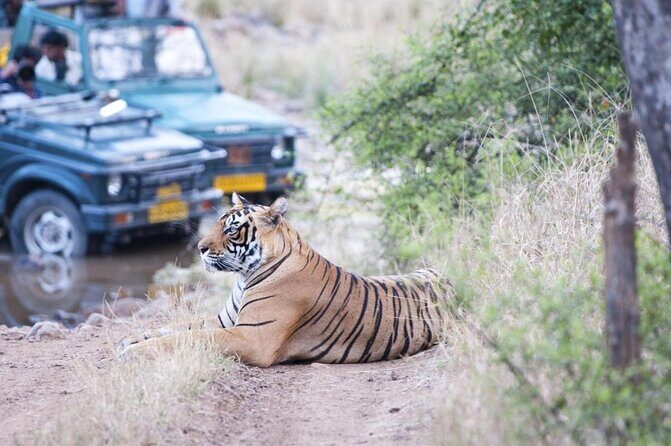
- Two Ranthambore game drives (morning and evening) to improve your tiger-spotting odds
- Built-in Old Delhi walking energy with a Chandni Chowk rickshaw ride
- UNESCO sites packed in without making you plan your own routes
- Pickup and AC transport plus bottled water in the car
- Your group only (private tour format), so you’re not stuck with random schedules
Golden Triangle plus Ranthambore: how the 7 days really fit together

This is one of those trips where the value comes from how the pieces connect. You’re not just seeing famous places on a board—each day is built around what travel time feels like in India: long drives, early starts, and short time windows at the main attractions.
For you, the practical win is that guides handle the flow between Delhi, Agra, Jaipur, and Ranthambore. You still get to enjoy places at a human pace (short visits, then breaks), but you’re not juggling tickets, directions, or timing. And because it’s a private tour format where only your group participates, you can often move with less friction than a large group bus tour.
The trip also has a clear “mood shift.” Delhi and Agra give you marble, mosques, forts, and imperial monuments. Then Ranthambore swaps that for quiet stretches of jungle and the suspense of a safari. Jaipur brings the color back—pink city palaces, temples, and market time.
You can also read our reviews of more tours and experiences in New Delhi
New Delhi start: Old Delhi landmarks, a rickshaw ride, and Qutub Minar
Day 1 is about getting your bearings fast in a way that doesn’t burn your whole day. Pickup can be from the airport, your hotel, railway station, or another spot in Delhi/Noida/Gurugram, which is a big deal if your arrival time is messy.
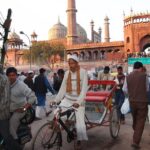
Old Delhi is represented with three high-impact stops. You’ll see Jama Masjid, a major Mughal-era mosque built by Shah Jahan in 1656, noted here for its scale (it can accommodate 25,000 worshippers). Then you’ll do a Chandni Chowk rickshaw ride, which is the kind of short experience that makes the area feel real fast—markets close together, people moving through narrow lanes, and a street-level view you won’t get from a car window.
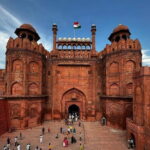
After that, the day steps into New Delhi’s imperial/colonial era. You’ll have exterior-only viewing of the Red Fort because the Indian Army occupies most of the complex. That means you get photos and context without committing to a full entry ticket day. Then there are memorial and skyline stops: Raj Ghat (Gandhi’s cremation memorial), India Gate, and photo stops for Rashtrapati Bhavan and Parliament House.
Finally, you end at Qutub Minar, a UNESCO site and one of the most recognizable monuments in the Delhi skyline, tied to its history from Qutb-ud-din Aibak and later completion by Iltutmish. Even if you only spend about an hour, it’s a strong finish to the first day.
Possible drawback: this first day is packed with stops, and some are photo stops rather than long visits. If you hate running on a tight schedule, you might feel a little rushed. But it’s also a smart way to cover a lot without wasting your limited vacation time.
Agra and the sunset setup: Fort views and Mehtab Bagh pacing
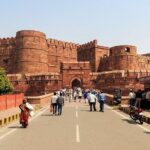
On day 2, you’re driven from Delhi to Agra, then checked into your pre-booked hotel and guided through the core Agra sights. You’ll visit Agra Fort, a UNESCO World Heritage Site and former residence of Mughal emperors. It’s not just about the walls—it’s a reminder that this city was a power center for a long time.
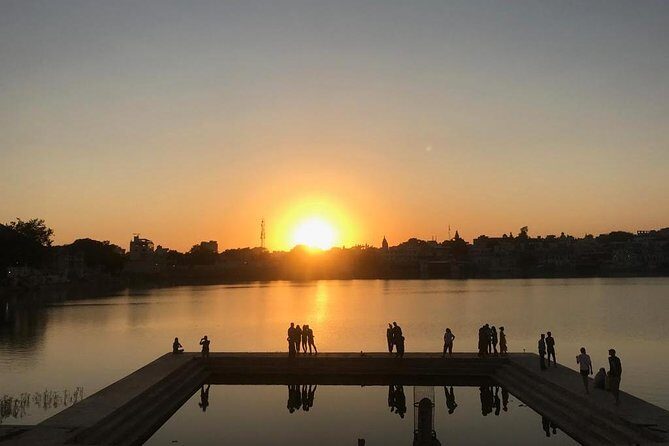
Then comes one of the tour’s smarter choices: Mehtab Bagh for sunset views of the Taj Mahal from across the Yamuna River. A lot of Taj Mahal plans focus only on the main entrance angle. This viewpoint adds variety, and it sets up the next day’s sunrise visit by helping you understand where the Taj sits in the landscape.
Day 2 is also where the tour’s “rest in between” philosophy shows. After checking into Agra and sightseeing, you return for an overnight stay so you’re not trying to do everything in one day. That matters because sunrise Taj Mahal is an early wake-up by nature.
What’s not included: entrance fees for these monuments are separate. The tour includes the guided flow, but you’ll need to budget for admissions on top of the base price.
Taj Mahal at sunrise: the bucket-list payoff, with a real-world plan
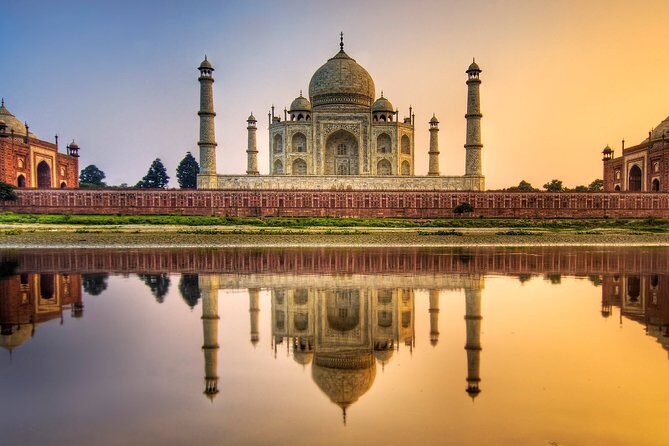
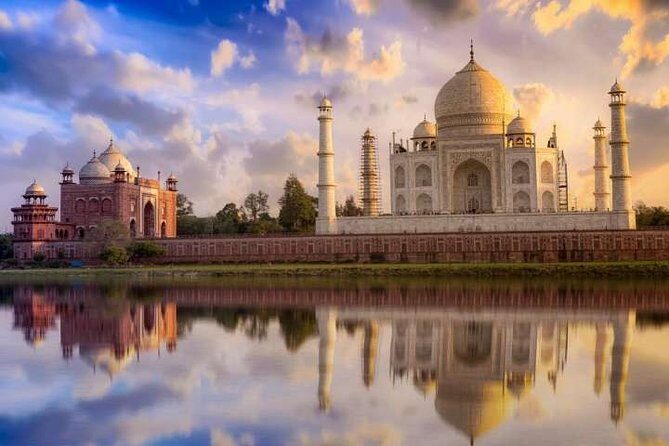
Day 3 is built around one goal: sunrise at the Taj Mahal. You’ll be met by your private guide at the hotel lobby for an early start, and the logic is simple—go when the marble is glowing and before the busiest daytime rush.
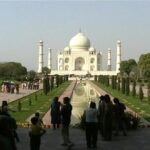
If you’re the kind of traveler who cares about details, the sunrise timing is the whole point. Seeing the Taj Mahal’s ivory-white marble take on golden hues in the early light is exactly the kind of image people chase when they plan this trip. It also gives you calmer viewing conditions than a midday visit.
After exploring, you return to the hotel for breakfast and reset. Then you switch from Agra to the next phase: the drive toward Ranthambore, with an important stop on the way.
Fatehpur Sikri to Ranthambore: switching from empire to wilderness
Before the jungle, you stop at Fatehpur Sikri, a UNESCO World Heritage Site and the abandoned Mughal capital. It’s located about 35 km west of Agra, built under Emperor Akbar in 1571, and its story here matters because it explains why this place feels both grand and quiet. It’s easier to appreciate the architecture when you understand it was once a functioning capital and later left behind.
Then you continue onward to Ranthambore (Sawai Madhopur), check into your hotel, and get ready for the safari days. This travel day is long enough that it helps to treat it as a transition rather than trying to squeeze in extra things.




Ranthambore safari days: two game drives, early wake-up, and tiger odds
Ranthambore is where the tour earns its name. On day 4, the morning pickup is 6:00 AM, and you head into the national park for a safari. The plan calls for a 2–3 hour jungle drive, and you’re likely to look for Bengal tigers as the main attraction—plus other wildlife like leopards, deer, and exotic birds, depending on what’s active that day.
After the morning safari, you return for breakfast and a midday break and lunch. Then you go back at 2:30 PM for an evening safari, also timed for prime wildlife activity. This second safari is another 3–4 hour drive.
This two-drive setup is one of the best reasons to choose this tour. In tiger parks, sightings aren’t guaranteed, but more time in the right habitat generally gives you more chances than only doing a single drive. It’s also built in a way that doesn’t make you run nonstop. You get a morning effort, a real midday reset, then another push later.
Comfort note: these safaris are in shared Jeep/Canter settings. You’ll want to dress for long hours in open-air conditions (layers help), and you’ll want patience. Safari rules and vehicle rotation mean you can’t micromanage where you sit or how often you stop for photos.
Sawai Madhopur to Jaipur: scenic drive time and the first temple evening
Day 5 moves you from the jungle back into Rajasthan’s culture and city rhythm. After breakfast, you drive to Jaipur. It’s framed as a scenic journey through Rajasthan’s landscapes, then you check into your hotel.
That evening, you get a choice between two temple experiences depending on your preference: Galta Ji Monkey Temple or Birla Mandir. Both are short enough to be manageable but different in feel.
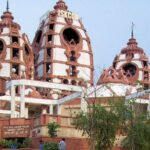
Galta Ji is known for its seven sacred water tanks (kunds) and for being a home base for rhesus macaques and langur monkeys. Birla Mandir is a modern marble temple dedicated to Vishnu and Lakshmi, with sculpted idols and detailed carvings.
This choice is a good fit for different personalities. If you like lively, animal-and-water-culture energy, Galta Ji may be your pick. If you prefer a cleaner-feeling, orderly marble temple environment, Birla Mandir may suit you more.
Jaipur day 6: Fort, City Palace, Jantar Mantar, and the pink-city essentials
Jaipur is where the tour switches from “guided monument stops” to a full day of major highlights. You’ll explore the Pink City’s royal sites with a guide and add smart photo stops along the way.
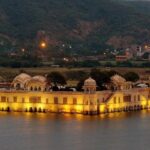
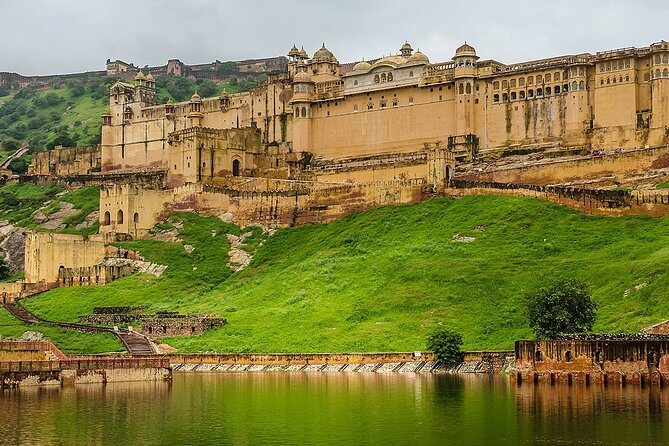
You start with Jaipur Fort, a UNESCO World Heritage Site made from pale yellow and pink sandstone with white marble. From there, you get a photo stop at Jal Mahal (Water Palace), a five-story palace in Man Sagar Lake that looks like it floats when the lake is full. Even a short stop helps you understand why photographers love this view.
Next is the City Palace of Jaipur, a royal residence built by Maharaja Sawai Jai Singh II, mixing Rajput, Mughal, and European styles. It’s the kind of place where you can sense royal power through layout and scale, even when you’re not spending all day.
Then you hit Jantar Mantar, another UNESCO site: an astronomical observatory with instruments including the world’s largest stone sundial. If you like science history, this is one of the best “you didn’t know that” stops in Jaipur.
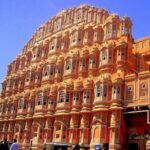
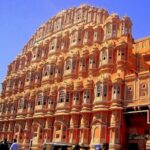
You also get a photo stop at Hawa Mahal (Palace of Wind), with its five-story facade designed so royal women could observe street life without being seen. It’s brief, but it’s iconic for a reason.
Finally, there’s time for local markets, focused on handicrafts, jewelry, textiles, and traditional Rajasthani souvenirs. This is one place where you can actually turn sightseeing time into something personal—if you’re interested in shopping.
Possible drawback: this day is full. There’s a lot of walking and multiple major stops, and you may want comfortable shoes and a calm mindset about crowds and heat.
Jaipur day 7: how departure works without stress
On the last day, you can depart from Jaipur or Delhi, depending on your preference. If you’re flying out of Jaipur, you’ll drive to Jaipur International Airport for onward flights and get drop-off at the airport or your selected hotel area. If you’re leaving from Delhi, the driver drops you at Delhi International Airport or another preferred location in Delhi.
This flexibility is useful. It lets you line up the end of the tour with your actual flight schedule, rather than forcing you into one airport choice.
Price and value: what $599 covers, and the real budget picture
At $599 per person, this tour is positioned as a guided, multi-city itinerary with AC vehicle transport, city guides, packaged drinking water, and two Ranthambore safaris in shared Jeep/Canter. You also get breakfasts (6 of them), which helps cut down day-to-day meal planning.
The big add-on is monuments. Monument entrance fees are not included, with a listed estimate of $79 per person. That means your realistic total cost is closer to $599 + $79 for admissions, plus any extra expenses you choose (meals not covered, optional upgrades, or souvenirs). If you’re the type who skips fewer monuments and likes to enter rather than only photograph, budgeting for that fee early makes the trip feel much smoother.
One more value point: hotels are described as good 3, 4, or 5 star options depending on what you pick. In a trip like this, the hotel quality impacts your mornings and safari days. A decent bed and a functional breakfast set you up for the early starts.
Also, the tour’s average booking window is about 72 days in advance, which suggests demand. If you’re traveling during popular seasons, you’ll want to plan sooner rather than later.
Who should book this tour, and who might prefer a different pace
This works especially well if you want a “greatest hits” mix without spending your days researching transport between cities. The private group format helps too: you get the route and guidance, but your timing doesn’t feel like it’s dictated by dozens of strangers.
You’ll likely enjoy it if you:
- want sunrise Taj Mahal instead of only a daytime visit
- care about wildlife and can handle early mornings
- like structured sightseeing with short breaks rather than long free days
- want a clear pathway from Delhi to Agra to Jaipur, then straight to Ranthambore
You might want a different style of trip if you:
- hate packed days with many short stops
- don’t want to pay additional monument entrance fees on top of the base price
- prefer fully flexible timing where you can roam without a schedule
Should you book this Golden Triangle plus Ranthambore tour?
If your priority is the big-name India experiences with a guide doing the planning, I think this is a strong choice. The sunrise Taj Mahal and the two Ranthambore safaris are the kind of “only-in-this-itinerary” moments that justify booking as a package rather than piecing it together yourself.
Just budget for monument entrances (the $79 per person fee is the key number), and prepare for early starts. If you do that, you’ll come away with a trip that moves from imperial monuments to real wildlife suspense without making you stress over timing.
FAQ
What locations are included, and where does the tour start and end
The tour starts and ends in New Delhi, and it covers Delhi, Agra, Jaipur, and Ranthambore National Park.
How long is the Golden Triangle with Ranthambore tour
It runs for 7 days (approximately).
Are pickup and transport included
Yes. Pickup is offered, and you travel by air-conditioned vehicle.
What’s included for Ranthambore safari rides
You get 2 jungle safaris in Ranthambore in a shared Jeep or Canter.
Is the Taj Mahal sunrise included
Yes. The schedule includes a sunrise visit to the Taj Mahal with a private guide.
Are monument entrance fees included in the price
No. Monument entrance fees are not included, with monument entrance fees listed as $79.00 per person.
How many breakfasts are included
Breakfast is included for 6 days.
What are the options for the final day departure
On day 7, you can depart from Jaipur or from Delhi, based on your preference, with driver drop-off at the relevant airport or preferred location.