REVIEW · JAIPUR
4 Days Guided Jaipur, Ranthambore Tigers & Udaipur Tour With Safari & Hotels
Book on Viator →Operated by Unseen Tours and Travels · Bookable on Viator
Four days can feel like a whole season.
This tour strings together Jaipur forts and sights, a Ranthambore tiger safari, and the lake-and-palace mood of Udaipur. In Jaipur, you get a guide-led overview that helps you get your bearings fast, with air-conditioned driving between big stops like Amber Fort and the Hawa Mahal area. It’s a practical way to handle long distances and heat, without turning your trip into a scavenger hunt.
I especially liked two things. First, the AC car with a driver keeps the day moving, and it shows in the little ways: our driver, RamNiwas, was confident and careful, with smooth timing even without obvious reliance on GPS. Second, the English guide for Jaipur and Udaipur makes the history click—our Jaipur guide, Singh, helped connect the dots between forts, royal life, and the science behind Jantar Mantar. Add in solid hotel choices and food options through the plan, and the whole package feels like someone did the thinking for you.
One thing to plan for: money for sights and meals. Monument entry fees are not included (listed around $100 per person), and lunch or additional meals aren’t included unless specified, so budget a little extra if you want to stay out all day.
In This Review
- Key highlights worth your attention
- Why the Jaipur–Ranthambore–Udaipur route makes sense
- Day 1 in Jaipur: Amber Fort, Jal Mahal, City Palace, Jantar Mantar, Hawa Mahal
- Ranthambore National Park safari: what you’re actually buying
- Day 3 in Udaipur: Lake Pichola as your scenic reset
- Udaipur City Palace, Jagdish Temple, and Saheliyon ki Bari
- Price and value: what $288 covers (and what to budget next)
- Comfort, hotels, and meals: what you can count on
- Tips to get more out of every stop
- Who should book this tour (and who might skip it)
- Should you book this Jaipur–Ranthambore–Udaipur tour?
- FAQ
- FAQ
- How long is the Jaipur, Ranthambore, and Udaipur tour?
- Is pickup included?
- Is this tour private?
- What transportation is included?
- Will there be an English guide?
- What meals are included?
- Is the tiger safari included?
- Are monument entry fees included?
- Are hotels included in the price?
- What is the cancellation policy?
Key highlights worth your attention
- AC comfort for long Jaipur-to-Ranthambore travel days
- A real tiger safari slot in Ranthambore with a shared game drive
- English guiding in Jaipur and Udaipur so you don’t just look at stones
- Iconic sights grouped efficiently: Amber Fort, City Palace, Jantar Mantar, Hawa Mahal
- Udaipur balance with palace + temple + gardens + Lake Pichola
- Private format: only your group participates, not a mixed big scramble
Why the Jaipur–Ranthambore–Udaipur route makes sense
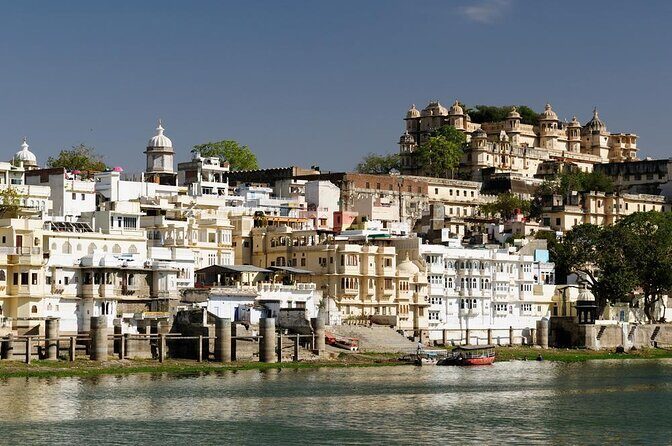
Rajasthan can be stunning, but it can also be tiring if you plan it like a checklist. This style of tour works because it tackles three very different moods in four days, with driving handled for you. You’re not renting a car. You’re not negotiating traffic around major landmarks at peak hours.
You also get a clear “story” to the trip:
- Jaipur = royal architecture and royal science, plus quick orientation.
- Ranthambore = wild animals as the main event.
- Udaipur = palaces, temples, gardens, and water views that slow the pace down.
And it’s not just theory. The format is built around practical timing: scheduled stops, set durations, and air-conditioned transit when you’re hopping between spread-out attractions in Jaipur.
The tour is listed as private, meaning only your group participates. That matters. Even if it’s not a huge luxury experience, it usually leads to better pacing and fewer awkward waits.
You can also read our reviews of more guided tours in Jaipur



Day 1 in Jaipur: Amber Fort, Jal Mahal, City Palace, Jantar Mantar, Hawa Mahal
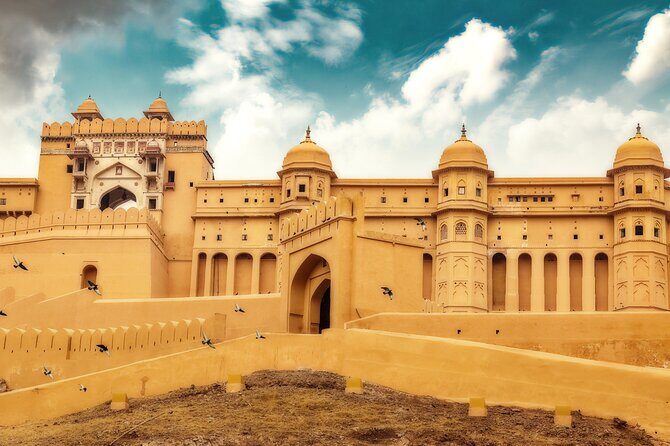
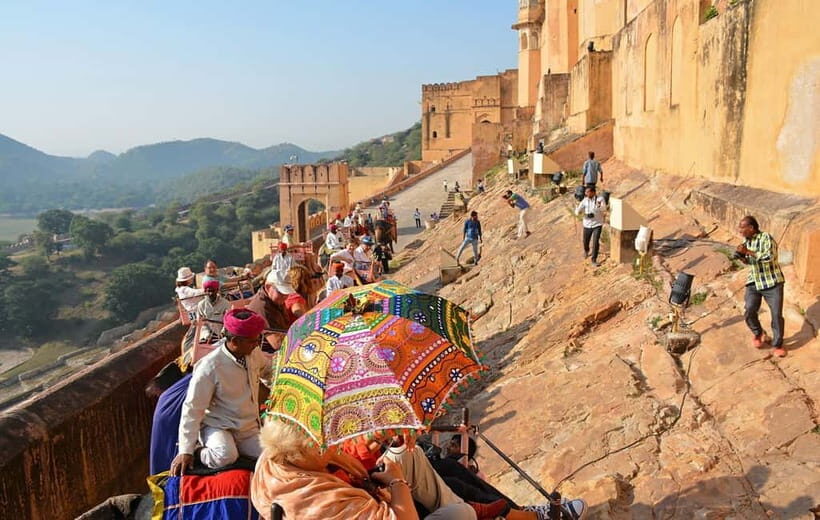
Jaipur starts strong. You begin at Amber Fort, a major hilltop fort complex about 11 km from Jaipur. Plan about 1 hour 30 minutes here. The big value is not only the views (you’ll see plenty), but how the fort sets the tone for Jaipur’s royal identity. It’s the kind of place where a guide helps you notice what you’d otherwise miss—entry points, court-style layout, and the reasons emperors built here in the first place.
Then the tour moves toward Jal Mahal (Water Palace). You’ll spend time in the area for photos and atmosphere (about a stop-length visit). Jal Mahal sits in the middle of Man Sagar Lake, originally constructed in 1699, with later renovations to the building and surrounding lake area. Even if you don’t go deep inside, it’s one of those Jaipur images that sticks with you.
Next comes City Palace of Jaipur (about 40 minutes). This is where the city’s origin story becomes real. The palace complex was established around the same time Jaipur was founded, linked to Maharaja Sawai Jai Singh II, who moved his court from Amber to Jaipur in 1727. If you like understanding why a place looks the way it does, this stop is useful.
After that, you hit Jantar Mantar (about 40 minutes). Here the tour becomes more than sightseeing. Jantar Mantar is a collection of astronomical instruments built by Sawai Jai Singh II, completed in 1734. If you’ve ever seen old maps and thought, how did they measure time and sky without modern tech, this is your answer. This stop can feel short if you’re rushing, so keep your eyes open and let the guide walk you through the logic of the instruments.
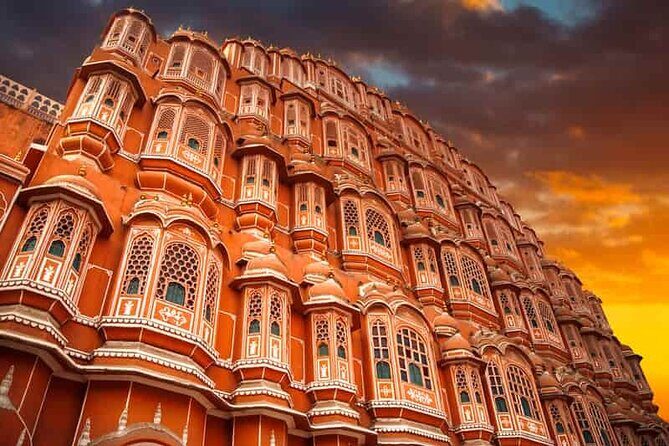
Finally, you end around Hawa Mahal. The structure—built from red and pink sandstone—runs along the edge of City Palace and extends toward the women’s chambers (Zenana). Expect a photo-friendly stop. The best use of your time here is to look at the façade closely, then let the guide tie it back to royal life.
Practical note: monument entry fees are not included, so plan to pay those when you arrive. If you’re budget-minded, bring small cash and keep tickets handy, since multiple sites can mean multiple entry points.
Ranthambore National Park safari: what you’re actually buying
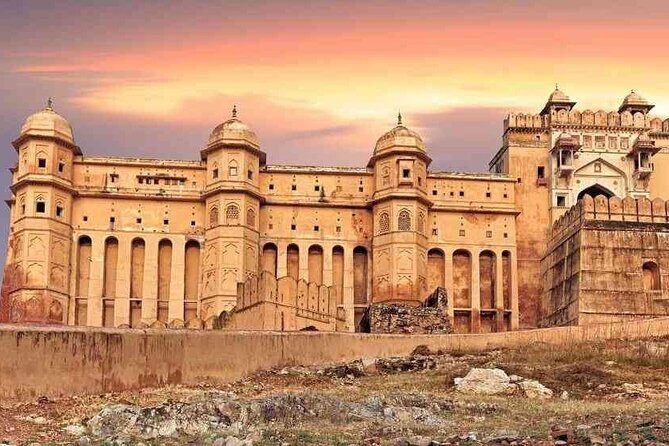
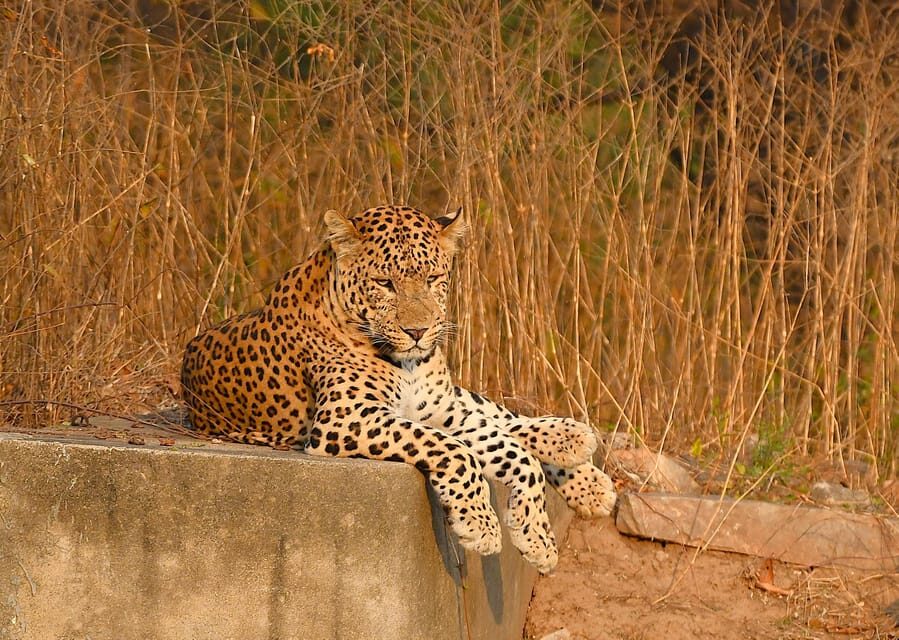
The main event of the middle day is Ranthambore National Park. You’ll spend about 3 hours there, with admission listed as free for the park. The wildlife reserve is known as a former royal hunting ground and is home to tigers, leopards, and marsh crocodiles.
What’s included is the big part: one sharing safari in Ranthambore.
A shared safari is not a problem most of the time. In many safari setups, sharing is normal because it’s the only way to cover enough ground within the time window. It can also mean you meet others, but the tour stays private overall, so you’re not mixing into an entirely random big crowd as part of a larger tour group.
What to expect from the day:
- You’ll be focused on spotting. That’s the whole rhythm.
- You’ll likely spend most of your “time” in the vehicle, so dress for being out in the elements.
- You’ll come away with stories whether you see a tiger fast or late. With Ranthambore, patience is part of the experience.
One thing I’d treat as non-negotiable: manage expectations. Wildlife is wildlife. Your value here is that the safari is already arranged, not that you’re guaranteed a specific animal sighting.
Day 3 in Udaipur: Lake Pichola as your scenic reset

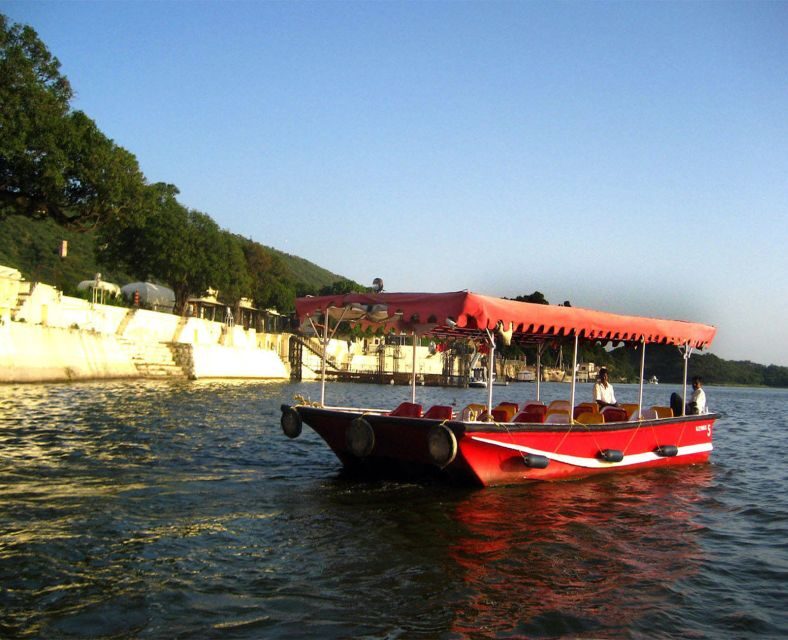
After the safari day, you get a calmer Udaipur approach. You stop at Lake Pichola for about 20 minutes, with admission listed as free. Lake Pichola is an artificial freshwater lake created in 1362, and it’s tied to nearby Picholi village.
This is the right kind of pause after tiger country. You’re not rushing museum to museum. You’re letting the pace change so the palace and temple day feels special rather than exhausting.
If you’re the type who likes walking a few blocks for street life, this is the day where you can usually do that without feeling guilty, because the planned stop is short and scenic.
Udaipur City Palace, Jagdish Temple, and Saheliyon ki Bari
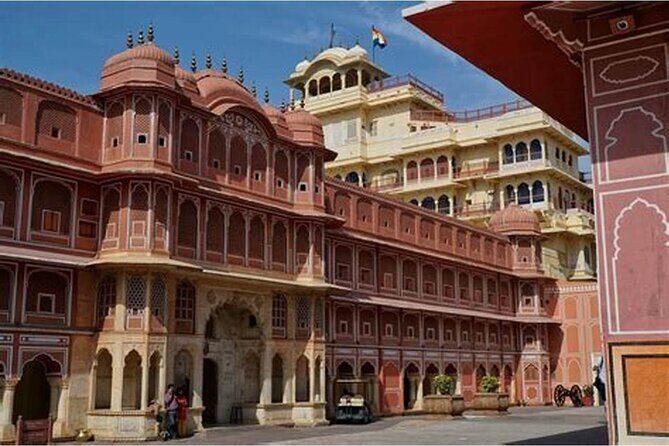
Udaipur shows up with three very different textures, and that’s what makes this part of the trip work.
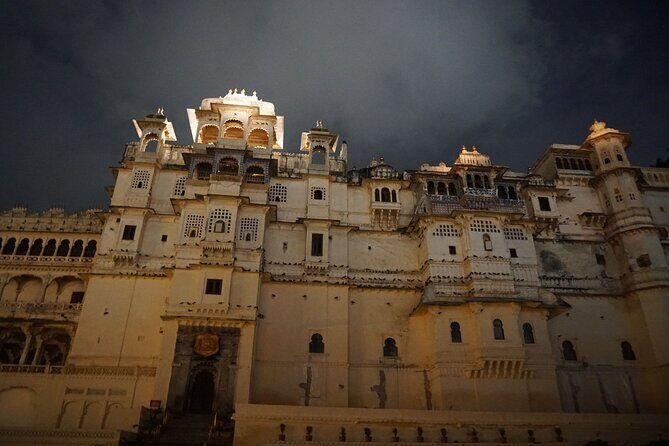
First is City Palace, Udaipur (about 1 hour 30 minutes). The palace complex was built over nearly 400 years, with contributions from multiple rulers of the Mewar dynasty. This stop is big enough to reward time, but it’s not so long that you end up numb.
Then you walk to Jagdish Temple (about 30 minutes). It’s a large Hindu temple in the middle of Udaipur, just outside the royal palace area, with continuous worship since 1651. Admission is listed as free. If you like seeing how religious spaces function in daily life, this one tends to deliver.
Finally, you visit Saheliyon ki Bari (about 30 minutes). This garden area is known for fountains and kiosks, a lotus pool, and marble elephants. Admission is listed as not included here, so keep that in mind when you arrive. Even if gardens aren’t your top interest, this stop gives you a break from palace walls and temple architecture.
Taken together, the Udaipur day hits the classic “royal power → living faith → leisure garden” sequence. It’s a clean way to understand how different parts of Mewar life shaped the city.
You can also read our reviews of more tours and experiences in Jaipur






Price and value: what $288 covers (and what to budget next)

At $288 per person for about four days, the value is mainly in logistics. You’re paying for:
- Dedicated AC car and driver
- English guide in Jaipur and Udaipur for a day
- Hotels (4 or 5 star if you choose that option)
- One sharing safari in Ranthambore
- Breakfasts and dinners through the hotel options (breakfasts = 3, dinners = 2)
That’s a lot of moving parts for one price tag, which is why the tour works for first-timers. Most of the cost is built into the parts tourists usually struggle to arrange: driver, hotel continuity, and guiding where it matters.
Now for the add-ons you should not ignore:
- Monument entry fees are not included, listed around $100 per person.
- Lunch or additional dinners are not included unless specified, with an option mentioned as $60 per person.
So the real budget picture is: the base price buys the structure, and you top it off for paid entries and your extra meals. If you’re the kind of traveler who wants every site ticket covered and every meal planned, this tour may feel a bit “starter.” If you’re fine buying a few tickets and choosing lunch on your own, it’s a strong deal.
Comfort, hotels, and meals: what you can count on

This tour plans meals in a straightforward way. You get breakfast three times and dinner two times, tied to the hotel options. The idea is you’re not scrambling for food after long days.
Hotels are offered as 4 or 5 star depending on which option you select. That matters in Rajasthan, especially after a safari day where you want rest more than sightseeing.
A practical tip: since lunch isn’t fully covered (unless you choose the option specified), plan to keep water and a simple snack handy on the days with multiple stops. Heat and long driving between Jaipur sights are real, and it helps your mood when lunch isn’t guaranteed.
Tips to get more out of every stop
A few small moves make a big difference on this kind of route:
- Start Jaipur early in your mind. Forts and palace areas tend to feel easier when you’re not fighting peak crowds and mid-day heat.
- Dress in layers. You’ll be in a car with AC sometimes, then outside for monuments.
- Keep money ready for separate entry fees. Multiple sites mean multiple moments to pay.
- Bring something for the safari day: sun protection and water are your best friends.
- If you’re sensitive to walking, tell yourself that some stops are quick by design. You’re touring efficiently, so pace matters.
Who should book this tour (and who might skip it)
This tour suits you if:
- You’re visiting Rajasthan for the first time and want an organized introduction.
- You care about seeing the big-name Jaipur sites without planning logistics.
- You want a tiger safari without booking the whole thing from scratch.
- You prefer an English guide for the days that benefit most from context.
You might skip it if:
- You want lots of free time and fewer scheduled stops.
- You strongly prefer fully included meals and fully included monument tickets, with no add-ons.
Should you book this Jaipur–Ranthambore–Udaipur tour?
If you want a smart, guided route with AC driving, an included Ranthambore safari, and hotel-based comfort, I think it’s a solid booking—especially for first-timers. The money you pay isn’t just sightseeing. It’s the relief of not having to coordinate transport, tickets timing, and hotel rhythm.
The only reason to hesitate is the extra spend for monument entries and lunch/dinner options. If you plan for that upfront, this becomes a smooth, high-value way to see three Rajasthan “musts” without wearing yourself out.
FAQ
FAQ
How long is the Jaipur, Ranthambore, and Udaipur tour?
It runs for 4 days (approx.).
Is pickup included?
Pickup is offered.
Is this tour private?
Yes. It’s a private tour/activity, and only your group will participate.
What transportation is included?
You get a dedicated AC car and driver.
Will there be an English guide?
Yes. English guides are included in Jaipur and Udaipur for a day.
What meals are included?
Breakfast is included 3 times, and dinner is included 2 times, with hotel options. Lunch is not included unless specified.
Is the tiger safari included?
Yes. One sharing safari is included in Ranthambore.
Are monument entry fees included?
No. Monument entry fees are not included and are listed as $100 per person.
Are hotels included in the price?
Accommodation is included as 4 or 5 star hotels if you select that option.
What is the cancellation policy?
You can cancel up to 6 days in advance for a full refund. For 2–6 days before the start time, the refund is 50%, and within 2 days there is no refund.