REVIEW · NEW DELHI
3- Day Jim Corbett National Park Tour
Book on GetYourGuide →Operated by Taj Explorers · Bookable on GetYourGuide
Wildlife dreams, tight time.
This 3-day Jim Corbett National Park tour mixes two guided jungle safaris with a temple-and-waterfall break, all wrapped in private AC transportation from Delhi-NCR. I like the way the itinerary builds in both the early-wildlife window and the calmer sightseeing hours. I also really appreciate the fact that safaris run with an experienced naturalist, not just a driver and a prayer. One thing to keep realistic: tiger sightings can’t be guaranteed, and the long drive each way can feel cramped or noisy depending on the vehicle.
You also get 24/7 customer support, a live guide, and pickup included from anywhere in the Delhi-NCR region. That matters in real life, because India road trips are rarely “one smooth lane forever.” The tour is private, so you’re not stuck waiting on a big group pace.
At $280 per person for 3 days, the value is strongest if you care about doing two safari outings with interpretation (not just time in a car). If you’re mainly hunting for one species only, you may walk away frustrated—one safari report felt like “lost days,” while another had excellent bird and small-animal sightings even without the big cats.
In This Review
- Key points to know before you go
- How the 3 days in Jim Corbett are paced (and where the time goes)
- Safari day 1: the late-afternoon jungle safari with a naturalist
- Day 2 morning safari, then Corbett Falls and Garjia Devi Temple
- Transportation reality: private AC transfer from Delhi-NCR
- Wildlife expectations: no tigers guaranteed, so focus on what you’ll notice
- Garjia Devi Temple and Corbett Falls: the good breaks between safaris
- Hotel and downtime: what the resort stay is for
- Price and value at $280: what you’re really buying
- Who this tour fits best (and who should adjust expectations)
- Should you book this 3-day Jim Corbett tour?
- FAQ
- How long is the Jim Corbett tour?
- What’s included in the safari portion?
- Do I need a passport to enter the park?
- Where does the trip start and how does transportation work?
- When do the safaris happen?
- What sights do we visit besides the safaris?
- What languages are available for the live tour guide?
- Is a tiger sighting guaranteed?
- What happens if weather is bad on safari day?
- Is there a cancellation window?
Key points to know before you go
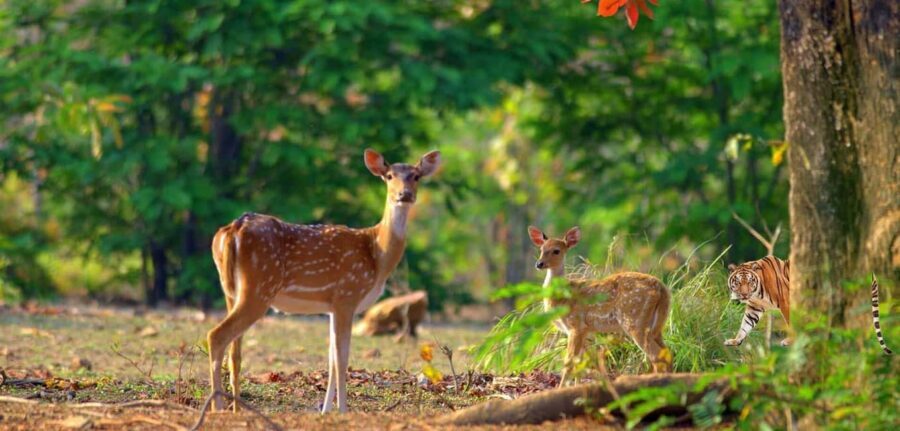
- Two jungle safaris with an experienced naturalist: you’ll get more than spotting—expect real explanations on what you’re seeing.
- Private Jeep or Canter safari setup: it’s designed for a focused group experience rather than cattle-car tourism.
- Garjia Temple and Corbett Falls: you get a meaningful cultural stop plus a photo-friendly natural break.
- Passport required for park entry: bring it with you for safari days.
- Best-available safari zones booked ahead: it improves odds, but nature still runs the show.
- Long Delhi-NCR drive comfort varies: one trip report flagged cramped, noisy transport for the 5-hour stretches.
How the 3 days in Jim Corbett are paced (and where the time goes)
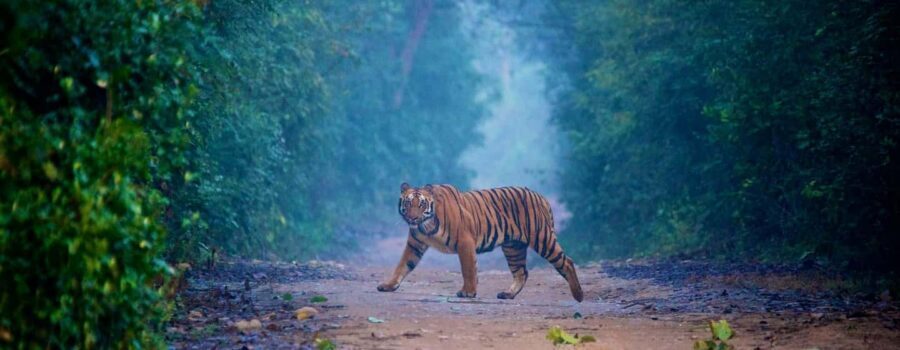
This tour is built around three blocks: getting to Jim Corbett, doing wildlife in two separate safari sessions, then returning to Delhi. The travel itself is the biggest “time tax.” The transfer from Delhi to Jim Corbett is about 6 hours, and the return day is another long haul. You’ll spend late afternoon and morning in the park, so your days won’t feel like total sightseeing marathons. They feel like a wildlife-focused sprint with a few sanity breaks.
Day 1 is about landing, settling in, and going straight into a late-afternoon jungle safari. That’s a smart rhythm. Wildlife activity often shifts as the day cools down, and the light can be good for noticing birds and mammals you’d miss midday.
Day 2 is the big wildlife day: you start with a morning safari, then move into two calmer stops—Corbett Falls and Garjia Devi Temple—before heading back to the resort.
Day 3 is basically “safari hangover breakfast” and back to Delhi. The payoff is simple: you’ll have real nature time without stacking too many stops that pull focus from your main goal.
You can also read our reviews of more tours and experiences in New Delhi.



Safari day 1: the late-afternoon jungle safari with a naturalist
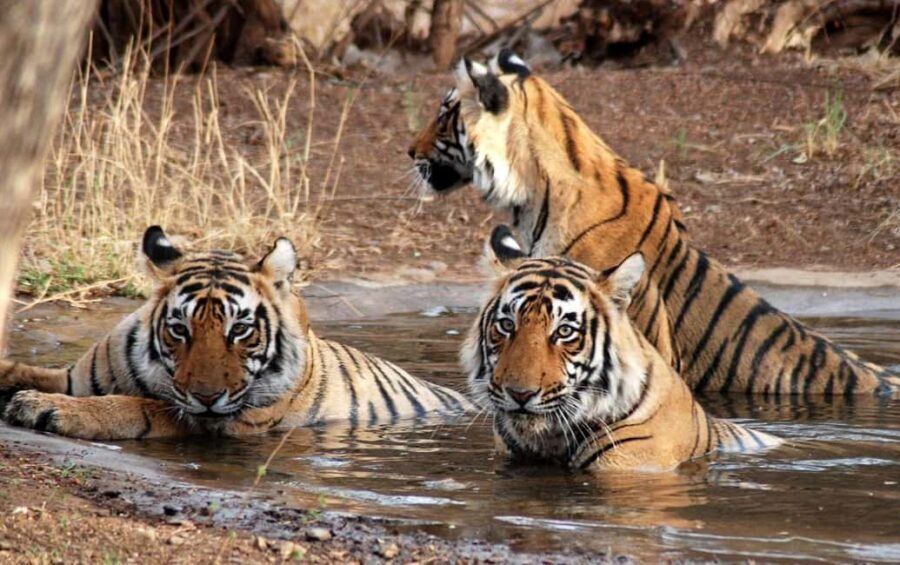
Your first outing is set for the late afternoon after you arrive and check into your wildlife resort. The point of this timing is practical: you’re hunting for sightings when the forest starts acting more alive. The tour runs with an experienced naturalist, so the safari isn’t only about scanning trees. It’s about learning how to read signs—calls, tracks, movement near water, and how animals use the grassland and river edges.
You’ll ride in a private Jeep or Canter, depending on what’s available for your booking. That private setup is nice because it keeps the experience controlled. You’re less likely to get that chaotic “everyone looking in a different direction” vibe that can happen when groups get large.
What you should expect to see (and how to think about it): even when tigers and elephants don’t show up, the safari can still be rewarding. One past booking noted sightings like hornbill, jackal, multiple deer types, primates, and a lot of birds. That’s the real Jim Corbett lesson: the park is alive even when the headline species stay quiet.
One more reality check: forest authorities appoint an English-speaking guide for safaris, and the park can cancel a safari because of bad weather or natural events. So if your plan hinges on one exact outcome, it’s worth mentally loosening your grip ahead of time.
Day 2 morning safari, then Corbett Falls and Garjia Devi Temple
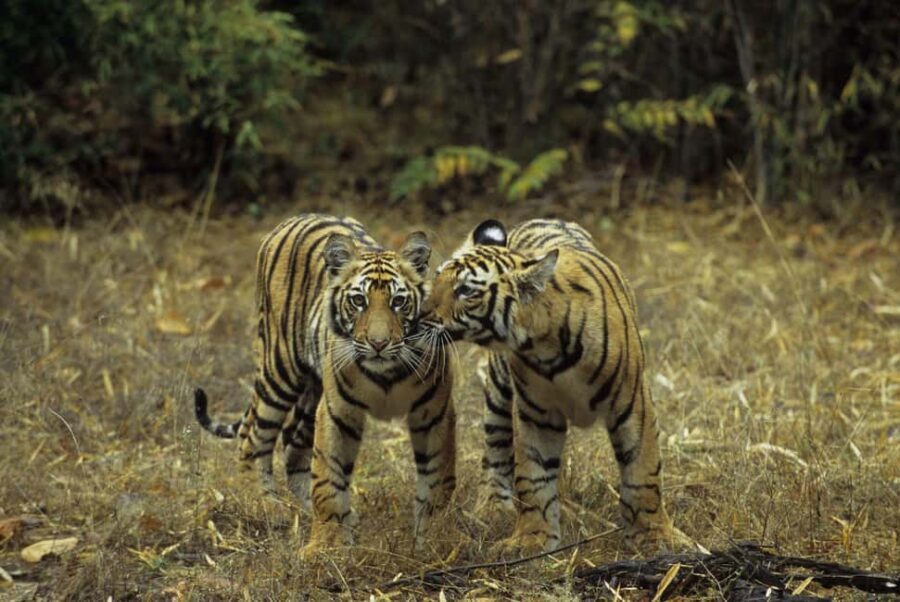
Day 2 starts early with breakfast and a morning jungle safari. Morning safaris can feel intense in a good way. The forest is quieter at first, then it wakes up fast—more calls, more movement, more chances to spot animals moving through or near cover.
The tour’s designed to increase your odds by booking the best available safari zone. You still can’t control what the animals do, but doing two safaris (not one) gives you more “tries,” which is exactly how you beat bad luck in wildlife watching.
After the safari, you switch gears to Corbett Falls. It’s a natural break from scanning branches and mirrors. You’ll have time for photos and a slower pace around lush green surroundings and waterfall views.
Then you head to Garjia Devi Temple, perched on a rock in the Kosi River. This is one of those stops that adds flavor to the trip. Even if you’re not super into temples, the setting is striking, and the views from the temple area help you reset your brain after hours in safari mode. It’s also a good reminder that this park trip isn’t only about animals—it’s in a living region with culture, rivers, and local devotion.
Transportation reality: private AC transfer from Delhi-NCR
The tour includes private AC transportation and pickup anywhere in Delhi-NCR. That’s a big plus on paper—especially if you’re arriving from a flight or want to avoid messy meeting points.
Now the honest part: you’re doing a long road journey each way. One trip report flagged an uncomfortable, noisy, cramped car for the roughly 5-hour stretches on Indian roads. I’d treat that as a “check before you settle in” issue. Ask what vehicle you’ll get if that info is available. If you’re sensitive to noise or cramped seating, bring what helps: earplugs, a neck pillow, and a small bottle stash.
Still, the private nature helps. You’re not waiting for multiple people to board, and you can coordinate with the driver more directly. One practical note from a past booking: make sure the driver has your destination address before you leave, because mismatched addresses can mean extra time sitting in traffic.
Bottom line: you’ll enjoy the tour more if you view the drive as the price of admission to a real wildlife park, not as part of the “fun.” Plan your mindset accordingly.
Wildlife expectations: no tigers guaranteed, so focus on what you’ll notice
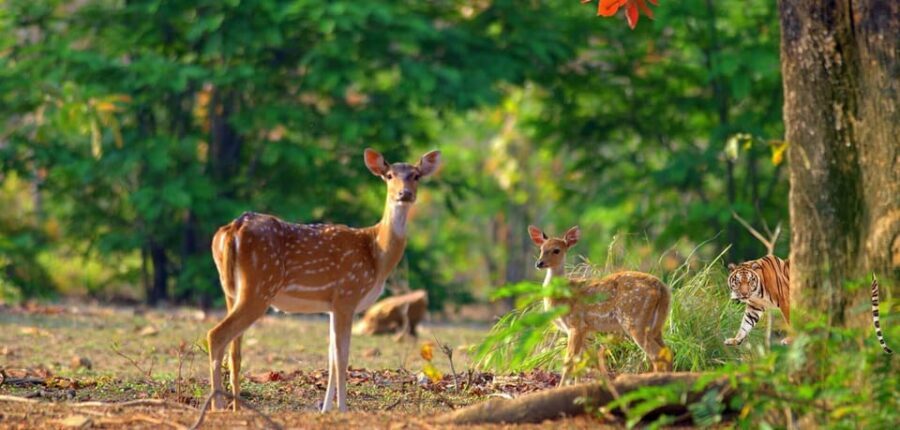
Jim Corbett can deliver the big-cats-and-legend stuff. It can also deliver birds, deer, jackals, primates, and plenty of “almost there” moments. This tour is very clear that tiger sightings can’t be guaranteed, and that’s not just a legal line—it’s how wildlife works.
So how should you set your expectations?
If you’re tiger-only, you might end up disappointed. One booking essentially felt like two lost days because animals didn’t show up. That can happen in any park, in any season, on any circuit.
If you love the wider cast of nature, you’re in better shape. Another booking reported strong wildlife variety—especially birds and smaller mammals—even without tigers and elephants. That’s the smarter way to enjoy Jim Corbett: treat it as a full ecosystem, not a single-species test.
A naturalist also changes the experience. Instead of just “looking,” you’ll learn what to look for and why. That matters when the best sightings are subtle—movement in grass, calls in the distance, or animals using water routes.
And remember the logistics that can affect your chances: safaris run from a chosen zone, and you’ll want to arrive at the boarding point early. The tour says to reach 20 minutes before departure. Do it. Being late can mean you’re not even in the right seat at the right time.

Garjia Devi Temple and Corbett Falls: the good breaks between safaris

This itinerary doesn’t treat the sightseeing portion like filler. Corbett Falls gives you a chance to stretch, breathe, and reset your senses. After hours of wildlife scanning, waterfall scenery is a relief. It’s also a strong photography stop if the weather cooperates and the flow looks good.
Then Garjia Devi Temple adds a totally different kind of experience: a religious site set right in the river landscape. You’ll be going to a temple perched on a rock in the Kosi River, which makes it feel more dramatic than a typical roadside stop. Even if you just walk the area and take in the views, it breaks the “only safari” rhythm and gives your trip some heart.
There’s another quiet benefit to these breaks: they help you avoid safari fatigue. Wildlife days can blur together, especially when you’re waking early and scanning all day. The temple and waterfall help you come back to Earth.
Hotel and downtime: what the resort stay is for
Overnight stays are at a wildlife resort, and the schedule keeps things relaxed. Day 1 and Day 2 both end with returning to the resort for leisure time. That downtime is part of why this works as a 3-day trip. You’re not rushing to new hotels every few hours.
One trip report described the stay as a clean, comfortable 4-star property with a limited food menu and no views. That’s useful in your planning. Expect comfort and cleanliness, but don’t count on scenic balcony mornings or a huge choice of meals on-site.
What you should do with your downtime:
- Rest up for the next early start.
- Hydrate and eat something simple before safari.
- Do a quick mental checklist: passport, camera battery, water, and whatever you need for the next pickup.
The resort’s real value is practical: a safe base between long drives and safari sessions.
Price and value at $280: what you’re really buying
At $280 per person for 3 days, you’re paying for three main things:
1) two guided safari outings with an experienced naturalist,
2) private AC transportation and pickup from Delhi-NCR,
3) a structured itinerary with temple and waterfall stops.
The safari portion is the core. Two safaris mean you’re not relying on one chance encounter. Private transport and a guide make the plan smoother. And the sightseeing add-ons prevent the trip from becoming only “car time and darkness.”
You’re also getting extra safety-net support: 24/7 customer support and the ability to cancel up to 24 hours in advance for a full refund. There’s also a reserve now, pay later style option described as flexible booking. That reduces stress if your Delhi schedule shifts.
So is it good value? It depends on your travel style.
- If you want two safari attempts, interpretation, and minimal hassle, this price can feel fair.
- If you’re hoping to pay once and guarantee tigers, no price can do that. Wildlife doesn’t do guarantees.
For best value, treat this as an opportunity to watch the ecosystem, not only a species checklist.
Who this tour fits best (and who should adjust expectations)
This is a strong match if you:
- care about wildlife and want two safari drives
- like guidance from an experienced naturalist
- want a private tour with AC pickup and drop-off
- enjoy a mix of nature and local culture (temple + waterfall)
It’s less ideal if you:
- need a guaranteed sighting of tigers or elephants
- get grumpy about long road trips and cramped seating risk
- plan to spend most of your time relaxing at the hotel (the schedule is safari-led)
If you’re the type who loves birds, tracks, and animal behavior, you’ll probably get more satisfaction than someone who only watches for one icon animal. Jim Corbett rewards patience—and this plan builds in that patience with two tries.
Should you book this 3-day Jim Corbett tour?
I’d book it if you want a straightforward wildlife trip with strong planning: private transport, a guide, two safaris, and a calm Day 2 break at Corbett Falls and Garjia Devi Temple. The naturalist element is a real upgrade, because you’ll understand more than you’d get from a purely self-guided approach.
I’d pause before booking if tiger sightings are the only outcome that would feel like success for you, or if long, uncomfortable road time would ruin the trip vibe. In that case, you might prefer a different pacing or a tour that better protects comfort.
If you do book, do two things that make the biggest difference: bring your passport for park entry, and show up early for the safari boarding point. Then sit back and enjoy the fact that the forest keeps its own schedule. Even when the big cats skip the show, the rest of Jim Corbett can still be seriously good.
FAQ
How long is the Jim Corbett tour?
The tour is 3 days.
What’s included in the safari portion?
You get two jungle safaris with an experienced naturalist, and safaris are done in a private Jeep or Canter.
Do I need a passport to enter the park?
Yes. You need your passport to get into the park, so carry it with you.
Where does the trip start and how does transportation work?
Pickup is included anywhere in the Delhi-NCR region, with private AC transportation.
When do the safaris happen?
Day 1 includes an evening/late-afternoon jungle safari, and Day 2 includes a morning jungle safari.
What sights do we visit besides the safaris?
You visit Corbett Falls and Garjia Devi Temple.
What languages are available for the live tour guide?
The tour offers live tour guiding in English, French, German, Italian, and Spanish.
Is a tiger sighting guaranteed?
No. Tiger sightings depend on natural movements and cannot be guaranteed.
What happens if weather is bad on safari day?
National park authorities have the right to cancel the safari due to bad weather or natural disasters.
Is there a cancellation window?
Free cancellation is available up to 24 hours in advance for a full refund.