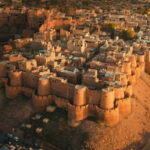
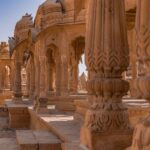
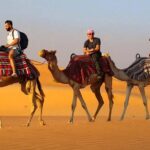
Thar Desert magic starts early. This non-touristy camel safari near Jaisalmer is built for a calm, small-group feel, with the kind of practical organization that matters when you’re heading into remote dunes. I especially like the fresh-from-scratch meals included in the price, and the simple, memorable way you sleep under the stars with blankets and pillows. One consideration: this is not glamping. There are no man-made facilities and you’ll use toilet spots behind bushes.
What makes this worth your time is the pacing. You get several hours of camel riding (about one and a half hours on each day segment you ride), plus a sunrise moment and a return trip with added sights. Another plus is that the operator notes the trek goes into remote, quieter parts of the Thar with clean sand dunes and chances to see varied desert life.
If you’re the type who needs indoor comforts, you might find the “back-to-basics” setup a little rough. Expect open-air sleeping and outdoor meals, and plan your packing for heat and sand. Also note the group size is described as up to 8, while other operational limits list higher maximums, so the vibe can shift a bit on busier dates.
In This Review
- Key things to know before you go
- Starting at 6:30 am: Jaisalmer meeting point and how the day flows
- Into the remote dunes: camel riding and why the early route matters
- Overnight in the dunes: bedding, stars, and the real toilet situation
- Day 2 sunrise and the return plan: Serene Oasis and Khaba Fort
- Food on the trek: fresh vegetarian meals and how to handle dietary needs
- Group size and comfort: what small means in practice
- Price and value: is about $44 a fair deal?
- Who this camel safari fits best (and who should skip it)
- Should you book this non-touristic camel safari near Jaisalmer?
- FAQ
- Where is the camel safari meeting point in Jaisalmer?
- What time does the safari start and when does it end?
- How long is the camel riding?
- What meals are included, and is the food vegetarian?
- Are there washrooms or tents provided at the overnight stop?
- What should I bring for desert conditions?
Key things to know before you go
- Small-group desert quiet: the experience is marketed as maximum 8 people, with other operator caps listed higher
- Fresh meals included: lunch, dinner, and breakfast twice, with vegetarian meals as standard
- Sleep under the stars: bedding plus blankets and pillows in an outdoor dune setting
- Sunrise + a return ride: morning breakfast after sunrise and a roughly 1.5-hour camel ride
- No washrooms on site: toilet is behind bushes, no tent-style facilities
- Practical timing: start 6:30 am and return by 11:30 am the next day
Starting at 6:30 am: Jaisalmer meeting point and how the day flows
This tour is built around a very specific schedule. It departs at 6:30 am and ends back at the meeting point at about 11:30 am the next day, so you’re not losing a full day to logistics. For me, that tighter timing is part of the value—you get desert time without a long, drawn-out itinerary.
You meet at Gopa Chowk, Dhibba Para, Amar Sagar Pol, Jaisalmer, Rajasthan 345001. The tour also offers hotel pickup on request, which can save you the hassle of figuring out the best way to get to the start point early in the morning.
The departure is from the tour operator’s office in Jaisalmer, so expect a clear handoff at the start of the day. If you’re traveling solo, they ask single travelers to contact them so they can try to place you with a group.
You can also read our reviews of more tours and experiences in Jaisalmer
Into the remote dunes: camel riding and why the early route matters
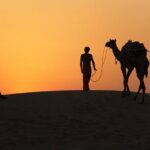
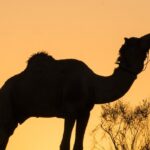
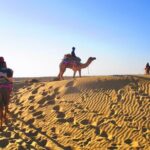
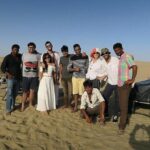
Day 1 is all about getting out into the Thar Desert. The route heads toward remote, isolated areas known for tranquility, clean sand dunes, and the possibility of varied wildlife. Even if you know nothing about desert ecology, you’ll feel the difference fast: fewer crowds, more open space, and a landscape where silence does a lot of the work.
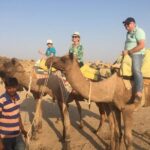
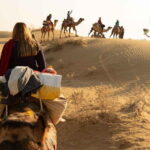
You’ll have several hours of camel riding spread across the overnight trek experience. The itinerary specifically calls out camel riding of about one and a half hours after sunrise on Day 2, and the overall description highlights more camel time across the full trip. In plain terms: you’ll spend enough time on the camel to make the trek feel real, but the pacing isn’t built around an all-day saddle marathon.
This isn’t a “see a few dunes from a vehicle” outing. The camels are the point, and the slow movement is exactly what helps you notice the little changes—the way the sand texture shifts with wind, and how the light turns dunes into something almost sculpted.
Overnight in the dunes: bedding, stars, and the real toilet situation
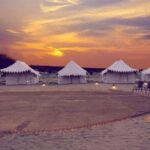
The highlight most people talk about is the night sky. You sleep open-air under the stars with bedding plus blankets and pillows. That’s a big part of why this works as a short safari: you get a full night of desert atmosphere without needing a multi-day trek.
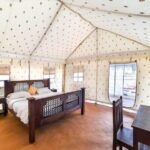
The operator is also very clear about what is and isn’t there. There are no man-made facilities like tents or washrooms. For toilet use, you go behind the bushes. That detail is important because it changes how you pack and how you plan. If you forget basics like a headlamp or you don’t like moving around outdoors at night, you’ll feel it.
One more thing I’d plan for: sand-level comfort. Even with bedding, the desert floor isn’t a hotel bed. Pack for warmth (nights can feel cooler than you expect), and try not to rely on a “good enough” sleep attitude.
Day 2 sunrise and the return plan: Serene Oasis and Khaba Fort
The morning starts with a sunrise wake-up. After sunrise, you eat a healthy breakfast, then you head out for another stretch of camel riding—about one and a half hours. That sequence is smart: it gives you a memorable desert morning while you still have energy, and it avoids the fatigue that can come from starting too late.
Then you shift gears back toward Jaisalmer with two specific stops: Serene Oasis and Khaba Fort. Even with short stop times, these names matter because they break up the desert-only feeling. Oasis stops are usually where you notice contrast—green or water-driven life in an environment that’s otherwise dry—and fort stops give you a sense of how people historically used and guarded this region.
Your return is timed so you end back at the meeting point. The schedule is set to be over by 11:30 am, which makes it easier to continue your Jaisalmer day plans without rushing.
Food on the trek: fresh vegetarian meals and how to handle dietary needs
Food is handled in a way that’s meant to reduce stress. The description promises that meals are made fresh from scratch, and the included meal list is clear: lunch and dinner, plus breakfast twice. The experience also describes four meals of freshly cooked food, which lines up with the included items.
You’ll get vegetarian meals as the standard. The operator notes that meals are based on a standardized vegetarian menu, and if you want non-veg it comes with an additional charge. If you have allergies, you need to inform them ahead of time.
This is one of the higher-value parts of the trip. When you’re in remote dunes, your meal options normally get limited fast. Having the kitchen handled for you means you can focus on the desert instead of hunting for food at the worst possible time.
Alcohol isn’t included, but it is listed as available to purchase. So if that’s your plan, treat it as an add-on rather than something you should count on being part of your meal budget.

Group size and comfort: what small means in practice
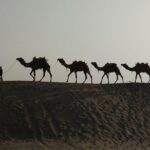
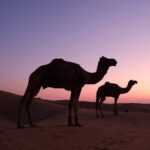
The tour is promoted as a small-group maximum of eight people, which is exactly what you want for a non-touristy feel. When you’re sleeping outdoors, quieter groups also mean less noise carrying into the night.
That said, your comfort planning should account for the operator’s listed maximums that appear higher elsewhere in the details (maximum of 14 travelers, and another cap referencing a maximum of 20 travelers). Practically, this means you should expect a generally small group, but on certain dates you might not get the ultra-intimate feel you’d hope for.
Comfort-wise, you’ll want to treat this like a desert outdoor experience. Pack for sun and sand protection: the tour recommends sunscreen, a hat, sunglasses, and long sleeves. Bring layers too, since morning and night temperatures can feel different once you’re in open dunes.
One more practical note: the tour requires passport ID. So don’t assume you can show a photo on your phone and be done.
Price and value: is about $44 a fair deal?
At $44.64 per person, you’re paying for a setup that would normally cost more if you tried to DIY it. For that price, you get a guide-led camel trek into remote dunes, included meals (four meals total), plus bedding with blankets and pillows. You also get daytime structure and set return timing, with the trip ending back at the meeting point.
Here’s how I think about value for this kind of tour: you’re buying the reduction of friction. Remote overnight trips are where travelers lose time, get overcharged, or end up with unclear food plans. This one is built to solve those problems up front, especially with meal handling and outdoor bedding taken care of.
Could you find cheaper? Maybe, but you’d have to be careful about what’s included—especially toilet setup, meal quality, and actual camel time. In this price range, the big indicator of fairness is that meals and bedding are clearly part of the package, not add-ons you discover later.
Who this camel safari fits best (and who should skip it)
This safari is a strong match if you want a short overnight with real desert atmosphere. You’ll like it if you enjoy early starts, don’t mind basic outdoor conditions, and want a guide-led experience that takes care of the hard parts.
You’ll probably enjoy the ride most if you’re okay with movement over sand and the slower rhythm of camel travel. It’s not a quick photo stop. It’s meant to be a full “be there” experience.
You should think twice if you’re uncomfortable with these specifics:
- No washroom facilities and toilet behind bushes
- Outdoor sleeping that relies on bedding and blankets, not tents or indoor comfort
- A vegetarian-standard meal plan unless you pay extra for non-veg
Also, if you get travel sick easily on animal transport, this is one to evaluate carefully, since the itinerary centers on camel riding.
Should you book this non-touristic camel safari near Jaisalmer?
I’d book it if your goal is a calm, desert-focused night without turning your trip into a logistics project. The combination of small-group style, included fresh meals, and sleeping out under the stars is exactly what makes a short Thar Desert overnight feel worthwhile.
Before you hit book, do two quick checks:
- Pack like you’ll be in sun and wind for most of the day, and bring layers for night.
- Accept the reality that this is no-facilities desert camping. If that detail makes you tense, you’ll feel it every hour.
If you want me to tailor advice, tell me your travel month and whether you prefer hotel-style comfort or outdoor simplicity. That will decide a lot.
FAQ
Where is the camel safari meeting point in Jaisalmer?
The tour meets at Gopa Chowk, Dhibba Para, Amar Sagar Pol, Jaisalmer, Rajasthan 345001. The tour also offers the option to arrange hotel pickup.
What time does the safari start and when does it end?
The safari starts at 6:30 am and ends back at the meeting point at about 11:30 am the next day.
How long is the camel riding?
The experience includes several hours of camel riding overall. The itinerary specifically mentions camel riding for about one and a half hours after sunrise on Day 2.
What meals are included, and is the food vegetarian?
Lunch and dinner are included, along with breakfast twice. Meals are listed as a standardized vegetarian menu. Non-veg meals are available for an additional charge.
Are there washrooms or tents provided at the overnight stop?
No. The details say there are no man-made facilities such as tents or washrooms, and for toilet you have to go behind the bushes.
What should I bring for desert conditions?
Bring sunscreen, a hat, sunglasses, and long sleeves shirts to protect yourself from the sun. Also plan for a basic outdoor night, since bedding is provided but it is open-air sleeping.