REVIEW · JAIPUR
2 Days Jaipur: Amber Fort, Hawa Mahal Tuk-Tuk Tour
Book on GetYourGuide →Operated by Nahargarh Travels · Bookable on GetYourGuide
Jaipur looks best when you move slowly. A tuk-tuk tour is a smart way to see the big-ticket sights without spending the whole day bargaining for rides. I like how the route stacks iconic landmarks like Hawa Mahal’s 953 windows with a calmer, off-the-usual-path stop like Panna Meena Ka Kund.
The day is also long and a bit physical. You’ll do photo stops, walking inside monuments, and hilltop views, so wear shoes you trust and plan for heat and stairs.
One thing to consider: tuk-tuks can break down anywhere, and that can turn a smooth schedule into a waiting game. The better the operator’s backup plan, the less time you lose—so it’s worth asking about replacement if a vehicle has trouble.
In This Review
- Key things you’ll care about
- Jaipur by Tuk-Tuk: What This Day Really Looks Like
- First Stops: Hawa Mahal, City Palace, and the Royal Layout
- Jantar Mantar and Jal Mahal: Science Meets Photo Stops
- Amber Fort and the Fort Trio: Jaigarh, Nahargarh, and the Big Views
- Panna Meena Ka Kund: The Stop Most People Miss
- Gaitor Ki Chhatriyan, Albert Hall Museum, and Birla Mandir
- Lunch, Markets, and How Shopping Fits In
- Riding, Walking, and Heat: Staying Comfortable All Day
- Price Check: Why $7 Can Be Great—and When It Isn’t
- How to Choose This Tour: Who It’s Best For
- One More Thing: The Tuk-Tuk Reliability Question
- Should You Book This Tuk-Tuk Tour of Jaipur?
- FAQ
- What time does the Jaipur tuk-tuk sightseeing day start and end?
- What’s included in the price?
- Are monument entry fees included?
- What should I bring for this tour?
- Can I take flash photos inside monuments?
- Is the tour suitable if I have back problems or a wheelchair?
Key things you’ll care about
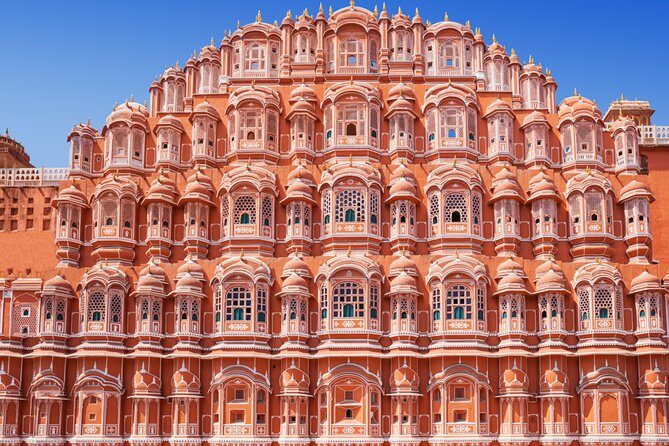
- Hawa Mahal’s window maze: 953 carved openings that explain how the palace worked with airflow and street views.
- UNESCO Jantar Mantar: ancient astronomy instruments that are genuinely interesting, not just postcard backdrops.
- Amber Fort from the hill: courtyards, forts-and-palace details, and wide views over the surrounding area.
- Panna Meena Ka Kund: an ancient step-well with a story worth your attention, even if you’re not normally a “wells” person.
- A full sightseeing loop: City Palace, Hawa Mahal, Jantar Mantar, Jal Mahal, plus extra fort stops like Jaigarh and Nahargarh.
- Value vs extras: the low base price comes with entry fees and meals not included, so budget for that early.
Jaipur by Tuk-Tuk: What This Day Really Looks Like
This is the kind of tour that makes sense in Jaipur. The city has wide sights that are spread out, and a tuk-tuk helps you keep momentum. You also get hotel pickup and drop-off, plus a driver who acts as your guide. That’s practical when you’re trying to cover more than just one neighborhood.
The tour description centers on a long day: it starts around 8:30 AM and typically runs until 5:30 PM. Even if it’s sold as a 2-day experience, the sightseeing block is the star here. Expect a packed route, lots of stops, and some walking—more than you’d do on a lazy half-day.
The vibe is “local transport with a planned route.” It’s not a fancy air-conditioned bus tour where everyone sits still and tunes out. You’ll be bouncing between viewpoints, marketplaces, and monuments, which is exactly why this can feel fun and efficient.
You can also read our reviews of more tours and experiences in Jaipur

First Stops: Hawa Mahal, City Palace, and the Royal Layout
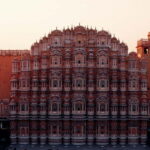
Your morning framing in Jaipur is strong. You start with Hawa Mahal, the Palace of Winds, known for its honeycomb design and the famous 953 windows. When you stand close, you start noticing how the facade works: those windows aren’t just decoration—they’re how the palace could manage airflow and visibility.
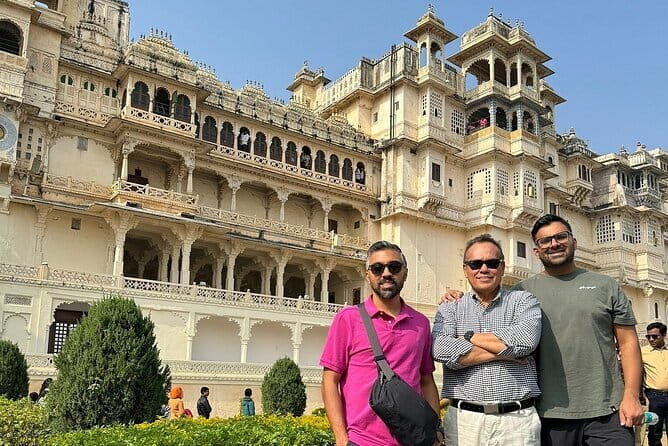
Right after, you head to City Palace. This isn’t just one building; it’s a royal complex with multiple parts, including spaces such as Mubarak Mahal, Chandra Mahal, Diwan-I-Khas, and the Maharani Palace. If you like seeing how power was organized—where people lived, where they met, where ceremonies happened—this stop usually clicks.
Practical note: City Palace and other major monuments can have crowds. If you hate waiting, go in with patience. Your tuk-tuk ride helps you arrive and depart efficiently, but it can’t control ticket lines or foot traffic.
If you get a driver-guide who knows the route well, you’ll feel it. One rider highlighted a guide named Raja from Rajasthan as experienced and focused on getting people safely to the monuments. That’s the kind of small detail that matters when your schedule is tight.
Jantar Mantar and Jal Mahal: Science Meets Photo Stops
After the palaces, the day shifts into observatory mode at Jantar Mantar, a UNESCO World Heritage site. It’s famous for astronomical instruments, and you’ll want to give yourself enough time to actually look. The equipment is large, it’s old, and it helps explain how time, movement, and the sky were measured long before cameras and smartphones took over.
Jantar Mantar can be a surprise hit if you usually skip “science museums.” The instruments are built for real observation. They’re not just decorative rocks.
Then comes Jal Mahal, the palace that appears to float on water. This is one of those stops where you’re mostly there for the photo—and honestly, that’s okay. It gives you a break from walking around forts and interiors. It also helps you reset your eyes before you start climbing toward Amber Fort.
Tip: bring your camera, and keep your phone ready. You’ll likely get multiple chances for viewpoints and wide shots throughout the day.
Amber Fort and the Fort Trio: Jaigarh, Nahargarh, and the Big Views
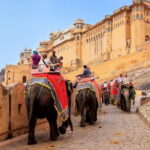
When the day turns to Amber Fort, you get the hilltop payoff. Amber Fort sits above the city, so even before you go inside, you’re rewarded with panoramic views. The fort complex is famous for courtyards and detailed design, and your guide gives you context so it doesn’t feel like you’re just touring walls.
Near Amber, the schedule also includes two more fort stops: Jaigarh Fort and Nahargarh Fort. These are great add-ons if you like viewpoints and the sense of being “above” Jaipur. They also help break up the day so it’s not only interiors and ticketed buildings.
Here’s the real value of stacking these forts: they show how Jaipur’s power wasn’t contained to one palace. It was layered across defensive and ceremonial sites, and you start seeing the geography as part of the story.
Downside to know: because these are hilltop areas, you’ll deal with walking, uneven ground, and steps. If you have back issues, this is the kind of day that can feel like too much.
Panna Meena Ka Kund: The Stop Most People Miss
Between the big-name monuments, you’ll reach Panna Meena ka Kund, an ancient step-well. This is the kind of place that’s easy to overlook if you only chase famous ticket lines. But step-wells are a window into how people solved water needs in a hot climate, and they often have a story tied to their builders and use.
You get a short window here—photo stop, visit, and guided time—so don’t plan to read every stone like a textbook. Instead, focus on the structure and the scale. Step-wells can feel almost like architecture and engineering became one idea.
If you’re the type of traveler who likes one “non-obvious” stop each day, this one is worth it. It also balances the more formal royal sites you’ll see earlier.





Gaitor Ki Chhatriyan, Albert Hall Museum, and Birla Mandir
Late-day stops round out the picture of Jaipur with a mix of heritage and modern religious architecture.
You’ll visit Gaitor Ki Chhatriyan, another photo-and-walk stop. It’s the kind of place that helps you understand Jaipur’s memorial and royal tradition beyond the main fort and palace areas.
Then comes Albert Hall Museum. Museums are a good way to cool down a bit—mentally and physically—especially if the day has been sunny. You’ll get guided time here, so it’s not just wandering hall-to-hall with no context.
Finally, you end at Birla Mandir. This is a religious site, and it adds a different tone to the day compared with forts and palaces. It’s also a good way to tie the day back to living culture, not only historic power.
One important rule: flash photography is not permitted inside monuments. So keep that in mind when you’re moving through indoor areas.
Lunch, Markets, and How Shopping Fits In
A break is built into the schedule, including lunch and shopping time (around two hours). This is one of those travel moments that can go either way depending on your priorities.
If you want authentic shopping without rushing, use the break to do it calmly:
- Look for textiles, handicrafts, and jewelry where you’re given time to compare.
- Ask simple questions and watch how the shop handles returns or exchanges.
- Don’t feel you have to buy something just because you’re on the clock.
Also, this is when Jaipur’s everyday streets start to feel less like a photo tour and more like a real city day. Riding through local areas by tuk-tuk can help you get your bearings fast—like you’re learning the geography from the inside.
Bring small bills if you plan to purchase things. The tour includes bottled water, but shopping doesn’t.
Riding, Walking, and Heat: Staying Comfortable All Day
This is a full day, so comfort planning matters more than most people think.
What to bring:
- Comfortable shoes (you’ll walk and climb a bit)
- Hat and sunscreen
- Camera
- Water
The tour includes bottled water, but I still recommend you keep an eye on hydration. Jaipur sun can surprise you, even if the morning starts cool.
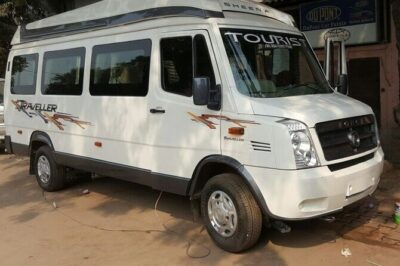
Transportation note: the driver is also your guide, and the tuk-tuk includes parking and fuel, so you won’t be dealing with constant logistics. Still, your schedule includes multiple stops with walking, so you should expect physical effort.
Also, the tour states it is wheelchair accessible, but it’s listed as not suitable for wheelchair users. That mismatch is a red flag. If you’re using a wheelchair (or a walker), I’d treat this as likely difficult because many key sights involve steps and uneven surfaces.
Smoking and alcohol aren’t allowed on this experience, and drugs are also not allowed.
Price Check: Why $7 Can Be Great—and When It Isn’t
The headline price is about $7 per person, which sounds almost suspiciously low. Here’s the catch: entry fees are not included. That means the real total cost depends on what you choose to pay for each monument.
In your day, you’re likely looking at entry fees for places like:
- Amber Fort
- City Palace
- Hawa Mahal
- Jantar Mantar
- Albert Hall Museum
- and additional sites on the route
Meals also aren’t included. Lunch is listed as part of a break, but meals and beverages are not.
So the best way to judge value is this: you’re paying extra for tickets and food, but you’re still getting a guided tuk-tuk day with pickup/drop-off, parking, tolls, and bottled water. That can still be good value if you were going to hire drivers or taxis anyway.
A practical idea: when you budget, treat the tour price as transportation + guidance, then add a separate line item for monument entry and your meal.
Also, you’ll likely have flexibility features like free cancellation and reserve-and-pay-later options, which can help if you’re planning multiple activities. Still, don’t use flexibility as an excuse to arrive unprepared—once you’re in Jaipur, heat and timing are real.
How to Choose This Tour: Who It’s Best For
This tour is best for you if you like:
- seeing major Jaipur landmarks in one day
- using local transport (tuk-tuk) instead of a big vehicle
- having a guide explain what you’re looking at at forts and observatories
It’s a weaker fit if you:
- have back problems (the walking and steps can be rough)
- need wheelchair-friendly routes (given the contradiction in accessibility notes, assume difficult terrain)
For families: it can work if kids handle walking, but it’s still a packed schedule. For solo travelers: it’s convenient because you don’t have to coordinate separate rides between distant sites.
One More Thing: The Tuk-Tuk Reliability Question
A tuk-tuk is fun until it’s not. One major concern you should ask about before you commit is what happens if the tuk-tuk has a mechanical issue. The experience can become delayed fast when a replacement isn’t lined up quickly.
So I’d recommend you do two things:
- confirm the operator’s backup plan for vehicle trouble
- build a little patience into your day, especially if you’re hoping to catch specific photo timing
The upside is that when the driver is experienced, the day runs smoothly. That’s the difference between a relaxing Jaipur highlight day and a stressful schedule.
Should You Book This Tuk-Tuk Tour of Jaipur?
Book it if you want a high-coverage Jaipur day with a tuk-tuk, a guide-driver, and a route that mixes palaces, forts, an observatory, and a step-well. The price can be a deal as long as you budget for monument entry and your lunch.
Skip or rethink it if you’re sensitive to long walking, steps, and hilltop terrain. Also, if reliability is your top priority, ask about vehicle replacement ahead of time—because a tuk-tuk is only as good as the support behind it.
If you’re the kind of traveler who enjoys moving through a place instead of staring at it from one spot, this kind of Jaipur loop is exactly your style.
FAQ
What time does the Jaipur tuk-tuk sightseeing day start and end?
The day is described as starting at 8:30 AM and ending around 5:30 PM.
What’s included in the price?
Included are hotel/airport/railway/bus station pickup and drop-off, a tuk-tuk for the day, a driver who guides, bottled water, fuel, parking charges, tolls/interstate taxes, and all government taxes (GST).
Are monument entry fees included?
No. Entry fees are not included for sites such as Amber Fort, City Palace, Hawa Mahal, Jantar Mantar, Albert Hall Museum, and others.
What should I bring for this tour?
Bring comfortable shoes, a hat, a camera, sunscreen, and water.
Can I take flash photos inside monuments?
No. Flash photography is not permitted inside the monuments.
Is the tour suitable if I have back problems or a wheelchair?
It is not suitable for people with back problems. For wheelchair access, the info is inconsistent (it says wheelchair accessible, but also not suitable for wheelchair users), so you should assume it may be difficult due to walking and uneven areas.