REVIEW · SRINAGAR
Srinagar Old City Heritage Walking Tour with Kahwa Tea
Book on GetYourGuide →Operated by Wildfloc Adventures · Bookable on GetYourGuide
Old Srinagar has stories on every corner. This small-group walk takes you through the alleys between major places of worship and old monuments, with a local historian guiding you through what you’re seeing and why it mattered. I especially like how the walk turns architecture and landmarks into real human stories, not just dates. I also like the built-in break for Kahwa tea, served at a local spot so you’re not stuck with tourist-only tea. The one drawback to plan for: it’s a proper walking route with winding lanes, so you’ll want comfortable shoes and a good level of fitness.
You’ll likely go with a guide from Wildfloc Adventures, and past groups have had standouts like Syed and Mr. Furqan—people who can explain legends and architectural details in a way that makes the old city feel understandable fast. With a 10-person max group and guides in English, Hindi, Urdu, and Kashmiri, it’s also easier to ask questions without feeling rushed.
In This Review
- Key highlights that make this walk worth your time
- Why this Srinagar walk feels different from a standard sightseeing list
- Meeting at Pather Masjid: the route begins with a feeling for place
- The middle lanes: shrines, forgotten temples, and stories that connect eras
- What you’ll gain from this section
- What could be challenging
- Jamia Masjid Srinagar: the grand finish and why the ending matters
- Markets and shopping time: short, practical, and tied to the story
- Kahwa tea break: why this stop is more than a refreshment
- Guides, language, and small-group pace: what it’s like to actually do this
- Price and value: why $32 can work if you care about context
- Practical tips to get the most out of it
- Who should book this Srinagar old city heritage walk?
- Should you book it?
- FAQ
- FAQ
- How long is the Srinagar Old City Heritage Walking Tour?
- Where does the tour start and end?
- What is included in the price?
- Is transport included?
- What languages are the guides available in?
- Is photography included?
- What should I bring?
- Who should avoid this tour?
Key highlights that make this walk worth your time
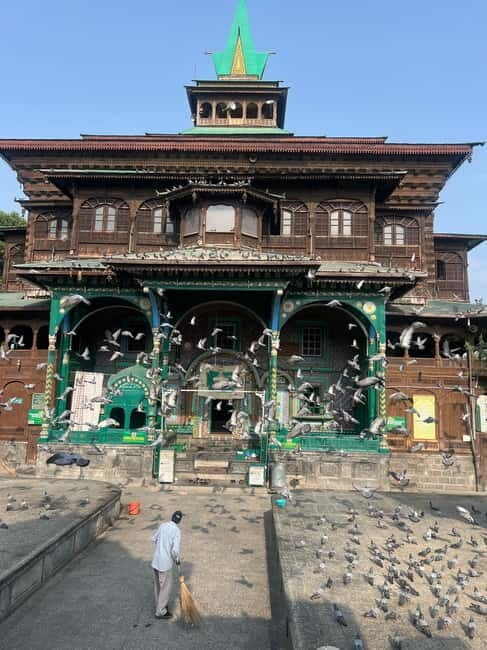
- Pathar Masjid start, Jamia Masjid finish: You get a clear route with a strong sense of place.
- Kahwa tea break: A real Kashmiri tasting moment, not an afterthought.
- Shrines plus Mughal-era architecture: You see how faith and design overlap in Srinagar’s old streets.
- Artisans and crafts conversations: You’ll hear practical, everyday cultural context from local makers.
- Market time for context: A short shopping stop helps you connect stories to what’s sold nearby.
- Guides who explain the why: The best part is how the route becomes understandable through storytelling.
Why this Srinagar walk feels different from a standard sightseeing list
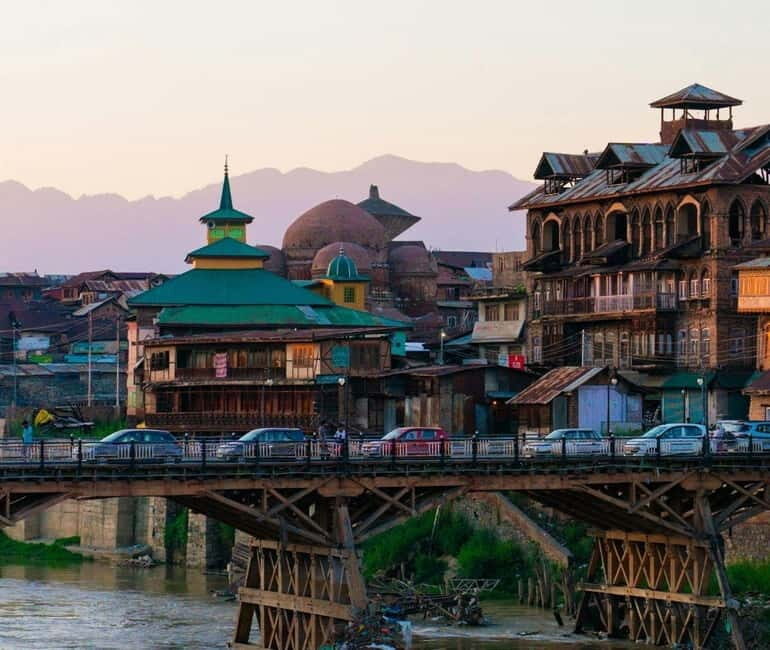
Srinagar’s old city can look like a maze at first. The streets curve, the scale shifts, and every few minutes you spot something that could be a landmark—until you realize you’re not sure what you’re looking at. This tour solves that problem by giving you a guide who focuses on meaning, not just movement.
You’re not doing a long day with nonstop stops. The pace is built around short guided segments, a short walk between clusters, and a tea break that breaks the rhythm in a good way. For most people, that structure is easier than cramming every stop into one exhausting hour.
And the cost—around $32 for about three hours—works because you’re paying for more than entry-level “see this, then that.” You’re paying for interpretation: shrine stories, architectural context, and conversations that help you understand how Srinagar’s culture layers over time.
You can also read our reviews of more tours and experiences in Srinagar.


Meeting at Pather Masjid: the route begins with a feeling for place
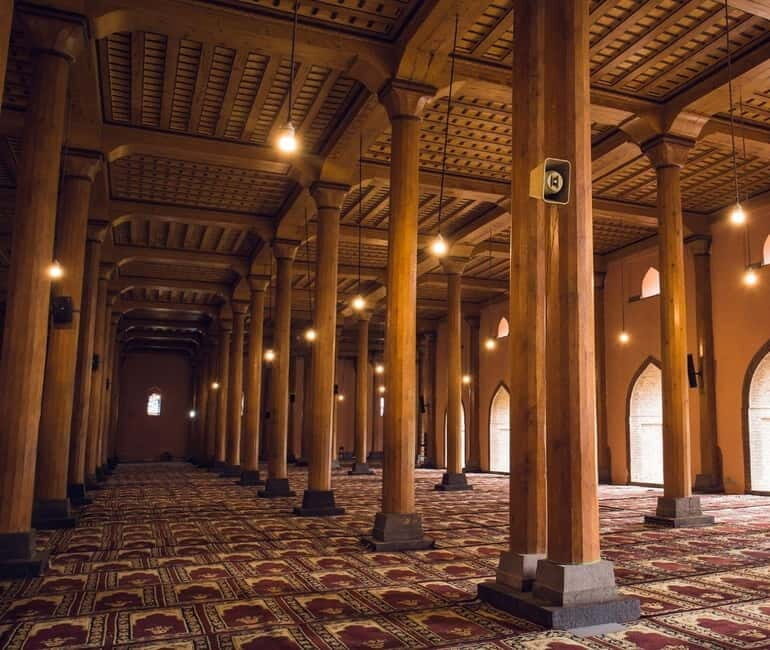
The tour starts at Pather Masjid, which is a smart choice. Starting at a real local mosque puts you in the right mindset immediately: you’re not just touring buildings, you’re learning how daily life and faith share the same space.
During the first guided segment (about 30 minutes), your guide typically sets the scene—what to notice, what questions to keep in mind, and how different eras show up in the visible parts of the city. This first stretch matters because it’s where you learn how to read what you’ll see next: arches and courtyards, layout and orientation, and the way shrines and mosques sit within the neighborhood fabric.
What I like here is that you’re not rushed into shopping or photos right away. You get your bearings first, and then the route gets easier.
One practical note: since you’ll begin with walking through narrow lanes, it’s worth wearing shoes that can handle uneven stone and quick turns. If you’re expecting a smooth promenade, you’ll be disappointed.
The middle lanes: shrines, forgotten temples, and stories that connect eras
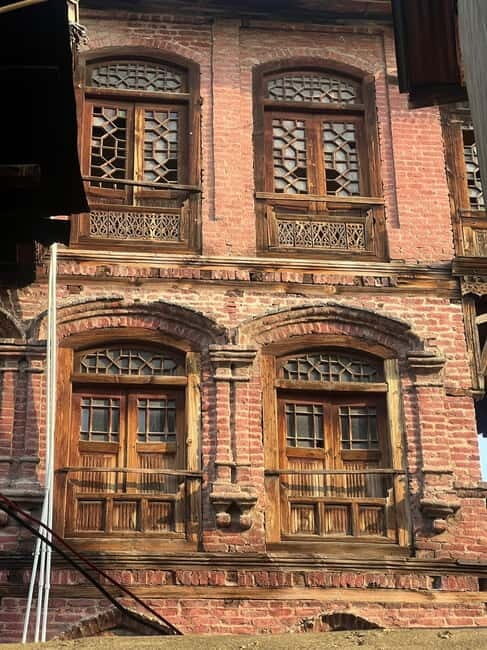
After the initial setup and a short walk, you get longer guided time in the heart of the old city. This is where the tour’s character shows up most clearly: the guide ties together multiple kinds of sacred sites—mosques, shrines, and places people still treat as meaningful.
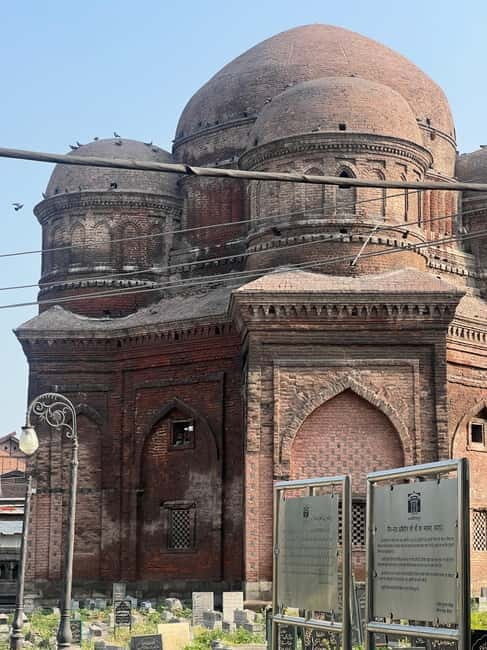
A key stop in this portion is Khanqah-e-Budshah’s tomb (often discussed in connection with Khanqah Moala). When your guide explains it well, you start noticing details you’d otherwise miss. You also learn how the site fits into Srinagar’s broader cultural evolution over centuries, including older influences before later layers took shape.
You also pass through moments that feel quieter than the market edges. Those small courtyards and tucked-away corners aren’t random. They’re a big part of why a guided heritage walk works: you get the chance to see how “public” and “private” space coexist. In these pauses, the city slows down just enough for the stories to land.
What you’ll gain from this section
- A mental map of what matters: you learn how to connect landmarks to each other, instead of treating them like separate photo stops.
- Architectural literacy: your guide points out features you can actually remember after the tour ends.
- Context for culture: not just facts, but explanations of why people built, visited, and honored these places.
What could be challenging
If you’re sensitive to crowds, heat, or uneven ground, this is the part to plan around. The tour is small-group, but you’re still in an active old city. Sun protection helps, and pacing matters.
You can also read our reviews of more city tours in Srinagar


Jamia Masjid Srinagar: the grand finish and why the ending matters
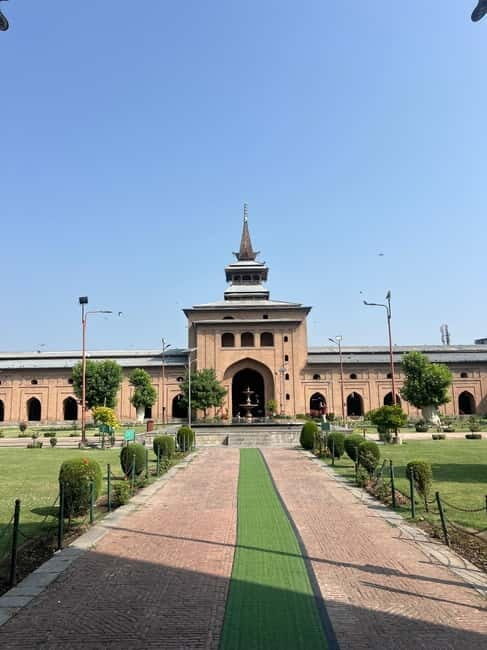
The walk culminates at Jamia Masjid Srinagar, with another guided segment to close the story. Ending here is effective because Jamia Masjid acts like a “high point” for the architectural and cultural themes you’ve been hearing about.
By the time you reach the end, you’ve already seen enough shrines, mosque-related stops, and architectural clues that the final explanation feels earned. This is the type of tour where you don’t leave feeling like you checked off a list. You leave with a sense of how the city’s layers talk to each other.
If you’re a first-time visitor to the old city, this finish also gives you a strong reference point for returning on your own later. Even if you only remember one building name clearly, Jamia Masjid is the anchor.
Markets and shopping time: short, practical, and tied to the story
You’ll get about 15 minutes for shopping. This is intentionally short. The tour isn’t trying to turn into a bazaar marathon, and that’s a good thing—time is limited, and the point is cultural context.
In this section, it helps to think less about finding a specific souvenir and more about using the market as a lens. Your guide’s comments about what people make and buy nearby make the area feel more understandable. The meeting with local artisans adds another layer here, because you’re not just seeing products; you’re hearing how crafts and traditions are kept alive day to day.
If shopping matters to you, come with one simple goal: choose one or two items you truly want. Otherwise, the market can feel like information overload after hours of architecture and stories.
Kahwa tea break: why this stop is more than a refreshment
The tour includes kahwa tea—traditional Kashmiri tea—served at a local spot. This is one of the best parts of the experience because it’s scheduled as a reset. After walking through lanes and absorbing explanations, you get a pause that feels social rather than purely functional.
Kahwa isn’t just about drinking something warm. It’s a small cultural moment. When your guide points out what makes it meaningful, you connect the taste to hospitality and daily rhythm. The conversation with locals around the stop also helps you shift from “tour mode” to “human mode,” which is where most travel memories come from.
Practical tip: even if it’s not cold, take the warm cup seriously. It can make you slow down, which is good. Just give yourself a moment before heading back into sun and streets.
Guides, language, and small-group pace: what it’s like to actually do this
The tour is run in a small group (10 participants max). That size matters. You can ask a question without waiting for a wave of people to finish taking photos. You’re also more likely to get personalized attention when you look confused at a landmark.
Guides can work in English, Hindi, Urdu, and Kashmiri, which helps if you’re traveling with friends who don’t want to rely on one language. Past experiences included guides like Syed and Mr. Furqan, and the common thread is strong storytelling—legends, architectural details, and how the old city’s evolution shows up in what you see in front of you.
The pacing is also realistic for most visitors: short guided blocks plus walking. You’re not locked into one long lecture. It feels like a conversation with a moving backdrop.
Price and value: why $32 can work if you care about context
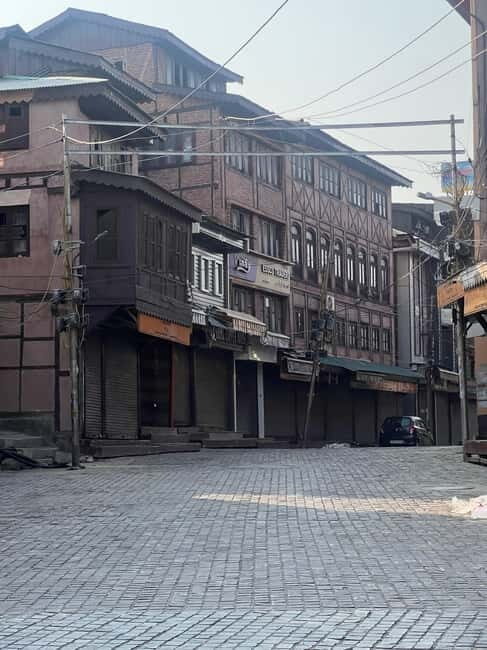
At about $32 per person for roughly three hours, this tour sits in the “small-group local guide” category. The value comes from three things you’re not likely to get on your own:
- Interpretation of sacred and historical sites: You see more than the visible surfaces.
- Guided route logic: The itinerary makes sense because someone explains the connections.
- Kahwa tea and conversations: You get a cultural break plus interaction, not just sights.
If your travel style is mainly “I’ll take photos and move on,” you might find this tour too story-heavy. But if you like understanding why a place looks the way it does, this price is reasonable.
Also, compared with longer tours, the time is manageable. You can fit this into a day without turning Srinagar into a nonstop schedule.
Practical tips to get the most out of it
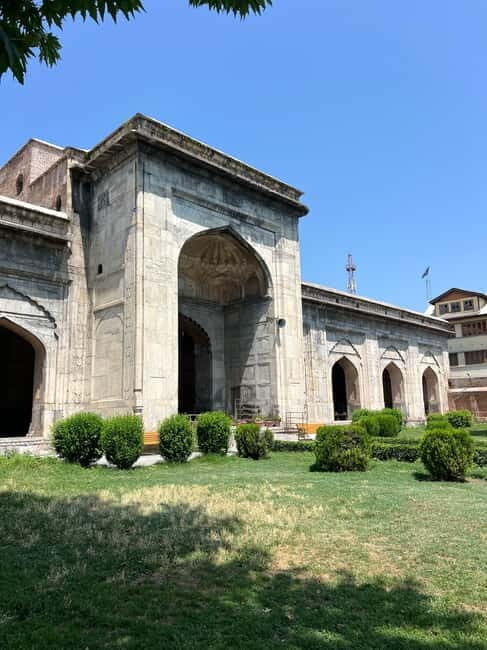
Bring what helps you handle old-city walking. The essentials are simple and worth listening to:
- Comfortable shoes (no flimsy soles)
- Sunglasses and sunscreen
- A sun hat if it’s bright
Dress with respect in mind. This is a walking tour that involves mosques and sacred spaces, and the rules include things like avoiding short skirts and keeping the vibe calm and non-disruptive.
Finally, check your expectations on accessibility. This one is not suitable for wheelchair users, and it’s not designed for people with low vision or very low fitness. It also isn’t a good match for children under 10 or for pregnant travelers.
Who should book this Srinagar old city heritage walk?
This tour is a great fit if you:
- want history and architecture explained clearly
- enjoy conversations with local people and artisans
- are visiting the old city for the first time and want a route that makes sense
- like short walking days with built-in breaks
It’s less ideal if you:
- want a casual stroll with zero walking effort
- need wheelchair access or strong visual assistance
- dislike crowds or uneven ground
If you’re traveling with friends who want different styles—some people love buildings, others love local life—this tour has enough variety to satisfy both.
Should you book it?
I think it’s worth booking if you want Srinagar’s old city to feel understandable. The combination of shrine and mosque stops, market context, artisan conversations, and the kahwa tea break makes it more than a photo route. With a small group and guides who focus on stories and details, you’ll likely leave with names you can remember and a better sense of what you saw.
Skip it only if walking is a problem for you, if sacred-site rules make you uncomfortable, or if you prefer purely self-guided wandering with minimal explanation.
FAQ
FAQ
How long is the Srinagar Old City Heritage Walking Tour?
The tour lasts about 3 hours. The route includes several guided segments, a short walking section between areas, a shopping stop, and time at the end point.
Where does the tour start and end?
It starts at Pather Masjid and finishes at Jamia Masjid Srinagar.
What is included in the price?
The tour includes a guided heritage walk, visits to ancient shrines and forgotten temples, exploration of Mughal-era architecture, time in markets and quiet courtyards, a meeting with local artisans, kahwa tea, and conversations with locals.
Is transport included?
No. Transport is not included, so you’ll need to arrange your own way to the starting point and return from the finish.
What languages are the guides available in?
The live tour guide can work in English, Hindi, Urdu, and Kashmiri.
Is photography included?
Photography and videography permits are not included, so if you plan to film or use special equipment, plan accordingly.
What should I bring?
Bring comfortable shoes for winding alleys, plus sunglasses, sun hat, and sunscreen.
Who should avoid this tour?
It’s not suitable for children under 10, wheelchair users, visually impaired people, pregnant women, or anyone with low fitness. Pets are also not allowed during the tour.